
How to Teach a Dog to Fetch Responsibly: A Positive Reinforcement Retrieve Guide
Playing fetch seems like one of the most natural activities you can share with your canine companion. After all, dogs have chased moving objects for millennia. However, many pet parents discover that teaching a reliable, structured game of fetch requires more than simply tossing a ball and hoping for the best. Dogs often run after a toy with lightning speed, only to refuse to bring it back, play a frustrating game of keep-away, or refuse to release the item once they return. Mastering how to teach a dog to fetch using positive reinforcement transforms this chaotic chase into an organized, mentally stimulating game that strengthens your bond and improves impulse control.
Whether you have an energetic puppy bursting with enthusiasm or an older rescue dog learning new play styles, breaking the retrieve down into manageable mechanical steps ensures success. This educational guide explores how to build engagement, encourage proper returns, teach reliable releases, and maintain safe play routines. By approaching fetch not merely as a way to burn physical energy, but as a collaborative team sport, you cultivate better listening skills, build foundational impulse control, and prevent behavioral frustrations.
Many owners mistakenly assume that fetch is hardwired into every canine brain identically. While the predatory sequence is innate, the human-centric rule of bringing the object directly back to the handler's hand requires explicit teaching. Without positive guidance, dogs quickly invent their own rules, turning our attempts at exercise into exasperating games of keep-away or solitary chewing sessions on the lawn.

Understanding the Natural Mechanics of the Canine Retrieve
To successfully teach your dog to fetch, it helps to understand the natural predatory motor pattern underlying the game: orientation, eye, stalk, chase, grab, kill, and consume. In domestic dogs, play borrows pieces of this sequence. The chase and grab components are inherently rewarding, which is why dogs love sprinting after a moving ball. The tricky part is the return and the release. In nature, a predator captures prey and either consumes it or guards it. Bringing a valuable item back to a human handler goes against raw instinct unless the human has made returning the item immensely rewarding.
Traditional corrections or frustration-based methods often cause dogs to bolt away or guard their prize. Positive reinforcement focuses on making every phase of the game collaborative and high-value. By rewarding engagement, rewarding the return journey, and trading the toy for something even better, you build a dog who eagerly brings items back because the interaction itself is the ultimate jackpot.
When analyzing each phase of the retrieve, we must look at how the dog perceives our reactions. If we scold a dog for not returning, we inadvertently punish the return journey itself if they do eventually approach. Instead, every single movement toward the handler must be celebrated. Understanding these biological drivers helps us replace old-fashioned dominance theories with empathetic, scientifically sound mechanics that build trust and reliability.
Step 1: Selecting the Right Toy and Setting the Environment
Before launching your first training session, you need the right tools and environment. Dogs have individual preferences regarding toys, textures, and sizes. Choosing incorrectly can instantly derail your progress.
- Choose an Appropriate Size: Select a ball, dummy, or toy that is too large to accidentally swallow, yet small enough to fit comfortably in your dog's mouth without straining their jaw.
- Prioritize Texture and Safety: Avoid splintering sticks or heavy objects that can damage teeth or pierce gums. Rubber balls, fabric training dummies, or rope toys are excellent starting points.
- Minimize Distractions: Begin your initial training indoors in a quiet hallway, living room, or enclosed backyard. High-stimulus environments like crowded dog parks set your dog up for distraction and failure early on.
- Consider Your Dog's Individual Motivation: Some dogs love squeaky toys, while others prefer soft fabric or hard rubber. Match your toy choice to what genuinely excites your individual dog.
Establishing the correct environment is equally crucial. By removing competing variables such as other pets, squirrels, neighborhood noises, and complex terrain, you allow your dog to focus entirely on you and the game.
Step 2: Building Interest and Engagement in the Toy
Some dogs instantly chase anything that moves, while others look at a thrown ball as if you have lost your mind. If your dog is indifferent, you must first build value in the toy itself before expecting them to chase and retrieve it.
Hold the toy in your hand and move it in an erratic, enticing path along the floor like a scurrying mouse. Make your voice upbeat and exciting. The moment your dog shows interest, sniffs, or paws at the toy, mark the behavior with a verbal marker like "Yes!" and reward them with a tasty treat or energetic praise. Do not throw the toy yet; keep it close so your dog learns that interacting with the toy directly leads to wonderful things from you.
Building this foundational enthusiasm transforms a mundane object into the most exciting thing in the room. If your dog loses interest quickly, keep sessions extremely brief—lasting only two to three minutes—and always end on a high note while your dog still wants more.

Step 3: Introducing Short Rolls and Grabs
Once your dog views the toy as exciting, you can introduce movement. Instead of a long, soaring throw that encourages your dog to tune you out, start with short, controlled interactions that build muscle memory for the return.
- The Short Roll: Gently roll the toy just two or three feet away across the floor in front of you.
- The Chase: Encourage your dog to run after it by moving with them or cheering them on enthusiastically.
- The Grab: The second your dog grabs the toy, turn your body slightly away and make yourself fascinating by calling them in a high-pitched, inviting voice.
Many dogs pick up the item and immediately drop it or turn around to chew on it independently. If your dog turns and takes even a single step toward you with the toy in their mouth, throw a mini-party. Use enthusiastic verbal praise to reinforce the homeward journey. Gradually increase the distance of the roll only after your dog consistently returns to you every single time.
Step 4: Mastering the Release Cue ("Drop It")
The ultimate hurdle in fetch training is getting the dog to give the toy back without wrestling it out of their jaws. Forcing a dog's mouth open creates a power struggle and encourages resource guarding. Instead, use an exchange protocol.
- Hold a High-Value Treat: While your dog holds the toy near you, place a smelly, delicious treat right near their nose.
- Say the Cue: Say your release cue, such as "Drop" or "Give," in a calm, neutral tone right as they smell the treat.
- The Trade: To eat the treat, your dog must naturally open their mouth and release the toy. The moment the toy drops, say "Yes!" and give them the food reward.
- Reset: Pick up the toy and toss it again shortly after. This teaches your dog that releasing the toy does not mean game over; it means the game continues.
As your dog becomes reliable, phase out food treats for every single drop, replacing them occasionally with the second throw of the ball as the ultimate functional reward. Practicing this trade reliably ensures your dog never fears losing their prize.
Species-Specific Training Routines and Breed Considerations
Different canine breeds possess distinct behavioral inclinations that influence how they approach fetch. Herding breeds, such as Border Collies and Australian Shepherds, love the pursuit of moving objects and often excel at fast retrieves, but they can easily become overaroused, nipping at ankles or developing obsessive fixations on balls. For these high-drive dogs, incorporating impulse control exercises—such as asking for a calm sit before releasing them to chase the toy—is essential for mental balance.
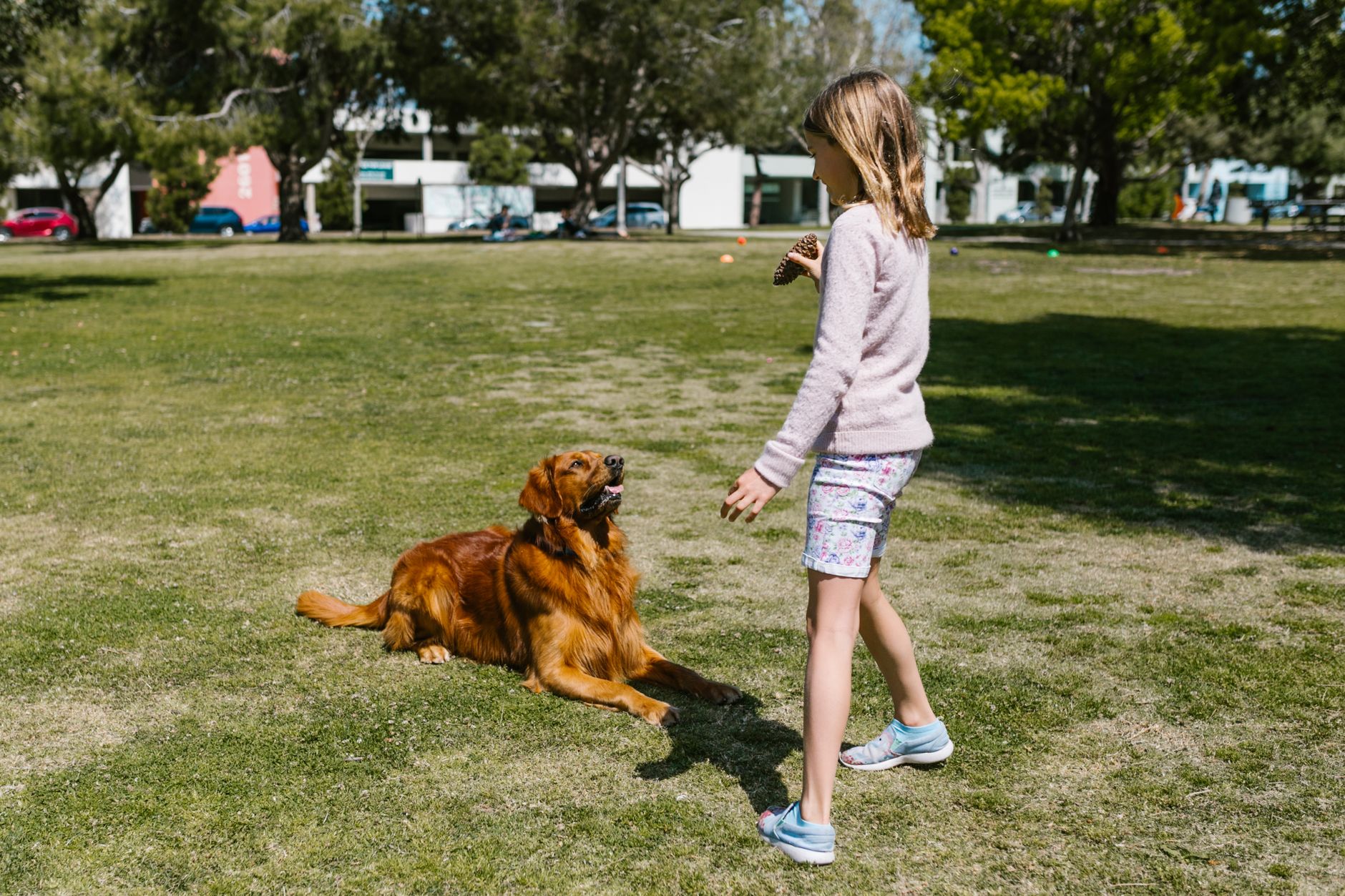
Retrieving breeds like Labradors and Golden Retrievers naturally carry items with soft mouths, making the mechanical return effortless. However, sporting dogs can possess high stamina that leads to physical exhaustion if owners do not set clear play boundaries. Hound breeds, conversely, may chase a ball once or twice before deciding their nose is far more interesting than a rubber sphere. Understanding your dog's unique genetic blueprint allows you to tailor your expectations and training speed accordingly.

Common Mistakes to Avoid During Fetch Training
Even well-intentioned pet parents sometimes run into roadblocks due to common training pitfalls. Recognizing these errors early saves time and prevents frustration:
- Chasing the Dog: If your dog grabs the toy and runs away, never chase them. To a dog, you are playing the best game of tag ever invented. Instead, run away from your dog while calling their name; their predatory instinct to chase moving targets will usually cause them to wheel around and chase you instead.
- Overthrowing Too Soon: Tossing a ball across a massive field before your dog understands the return mechanism teaches them to disconnect from you. Keep throws short until the retrieve is fluid.
- Turning Fetch into Exhaustion: Repeated high-impact sprinting and abrupt stops can strain joints, particularly in growing puppies. Always monitor physical stamina. For structured exercise planning, utilize a tool like the Dog Exercise Planner to keep activity levels balanced and safe.
- Punishing Delayed Returns: If your dog takes their time returning, do not scold them when they finally arrive. Scolding teaches them that approaching you brings unpleasant consequences, making them even less likely to return next time.
Maintaining Safe and Balanced Play Routines
Fetch should be an enjoyable, mentally engaging cooperative game rather than a frantic obsession. Some high-drive dogs develop compulsive behaviors around balls, constantly staring at owners or barking incessantly for another throw. Prevent this by setting clear boundaries for when play starts and ends.
Always put the fetch toy away when the play session concludes so it does not become a permanent fixture of anxiety or guarding. Incorporate mental enrichment alongside physical exercise to keep your dog balanced and fulfilled. If you are looking for fresh ideas to stimulate your dog's cognitive health, explore the Pet Enrichment Idea Generator for creative indoor and outdoor games.
Additionally, pay close attention to environmental conditions. Playing fetch on scorching asphalt or sand during hot summer days can severely burn sensitive paw pads. Always stick to well-shaded grass or climate-controlled indoor spaces when engaging in high-energy play.
Educational Disclaimer: This article is provided for educational and informational purposes only and does not replace professional veterinary advice, behavioral consultation, or hands-on training instruction. If your dog displays severe resource guarding, aggression, or joint discomfort, consult a certified professional dog trainer or licensed veterinarian.
Frequently Asked Questions
Why does my dog run away with the ball instead of bringing it back?
Running away usually indicates that your dog views the toy as high-value contraband or anticipates that you will wrestle it away from them. Avoid chasing your dog. Instead, run in the opposite direction while making exciting noises to trigger their instinct to follow you.
How can I stop my dog from dropping the ball halfway back?
If your dog drops the toy midway, your throw was likely too long for their current attention span. Reduce the throwing distance, and use high-energy verbal encouragement and treats the moment they pick it up to reinforce the entire journey back to you.
Is playing fetch safe for growing puppies?
Puppies have developing joints and growth plates that are vulnerable to high-impact stress, sharp turns, and sudden stops. Keep fetch sessions short, use soft toys, play on grass or carpet rather than hard pavement, and avoid throwing balls on slick indoor flooring.
What should I do if my dog guards their fetch toy?
Resource guarding is a serious behavioral issue requiring patience and positive desensitization. Never punish your dog for guarding, as this escalates fear and aggression. Consult a certified positive reinforcement dog trainer who specializes in defensive behaviors.
How long should a daily fetch session last?
Session duration depends on your dog's age, breed, and physical conditioning. For most dogs, 10 to 15 minutes of structured fetch combined with obedience cues is plenty of physical and mental stimulation.
Can older dogs learn how to play fetch?
Absolutely. Older dogs can easily learn new play routines, provided you adjust the physical intensity to match their senior joints and energy levels. Gentle indoor rolls or short backyard retrieves work wonderfully for older companions.
Helpful PawPrintHub Tools
To support your journey in canine care, health tracking, and play routines, explore these helpful interactive tools:
- Dog Exercise Planner: Build balanced daily activity routines tailored to your dog's breed and age.
- Pet Enrichment Idea Generator: Discover creative mental stimulation games to keep your companion engaged.
- Pet Name Generator: Find unique and fitting names if you are welcoming a new furry family member.
Support free pet guides and tools.
Buy Me a Coffee
Comments
Post a Comment