
How to Maintain Freshwater Aquarium Water Quality: A Complete Chemistry and Testing Guide
Maintaining pristine freshwater aquarium water quality is the single most important responsibility of any fish keeper. While feeding your fish and watching them swim brings immense joy, the invisible world inside the glass dictates their long-term health, color vibrancy, and lifespan. Invisible compounds like ammonia, nitrite, and nitrate constantly shift based on feeding habits, biological waste, and plant decay. Whether you are setting up a brand-new ecosystem or trying to stabilize an established community tank, understanding water chemistry prevents disease outbreaks, eliminates frustrating algae blooms, and ensures your aquatic pets thrive. In this comprehensive guide, we will break down the core components of water parameters, effective testing routines, step-by-step maintenance habits, and how tools like an Aquarium Volume Calculator can simplify your routine.
Understanding the Foundation of Freshwater Aquarium Water Quality
Water is never just water. In a closed aquatic environment, every drop of liquid acts as a solvent holding dissolved minerals, organic waste, and invisible gases. To master freshwater aquarium water quality, you must look beyond visual clarity. Crystal-clear water can still harbor toxic levels of invisible nitrogen compounds that stress or kill freshwater fish.
The core of stable water quality revolves around mimicking natural habitats while controlling artificial inputs. Every time you feed your fish, add fertilizer, or let organic debris accumulate, you alter the chemical balance. Understanding how these elements interact gives you the power to intervene before minor imbalances turn into full-scale aquatic emergencies.
Furthermore, understanding the biological dynamics of a closed water body helps you appreciate why small actions matter. In nature, a river or a large lake possesses massive dilution factors and continuous replenishment that easily neutralizes organic waste. In an aquarium holding anywhere from 5 to 100 gallons of water, waste accumulation is concentrated. Without human intervention through filtration and water changes, toxins would quickly reach lethal thresholds within days.
The Nitrogen Cycle Explained
The nitrogen cycle is the invisible biological engine that keeps every healthy fish tank running. Without a properly established cycle, toxic waste produced by fish and decomposing food will rapidly poison the inhabitants.
- Ammonia (NH3/NH4+): Fish excrete waste directly through their gills, and uneaten food breaks down into ammonia. Even at low concentrations, ammonia burns fish gills and causes severe distress.
- Nitrite (NO2-): Beneficial bacteria known as Nitrosomonas consume ammonia and convert it into nitrite. Nitrite is also highly toxic, interfering with oxygen transport in fish blood.
- Nitrate (NO3-): A second group of beneficial bacteria called Nitrospira convert nitrite into nitrate. Nitrate is much less toxic and can be tolerated at low levels by most freshwater fish, but it must be removed through regular water changes.
Establishing these bacteria colonies takes time, typically three to six weeks in a new tank. Rushing this process leads to New Tank Syndrome, which causes sudden fish loss.
To safely navigate the nitrogen cycle without harming livestock, many experienced aquarists practice a "fishless cycle." This method involves adding a pure source of ammonia (such as pure household ammonia free of surfactants or fragrances) to simulate fish waste and feed the developing bacterial colonies. By monitoring ammonia, nitrite, and nitrate levels daily using a liquid test kit, you can watch the progression from an ammonia spike to a nitrite spike, and finally to a stable nitrate reading. Once your tank can process 2 parts per million of ammonia down to zero ammonia and zero nitrite within 24 hours, your biological filter is fully mature and ready to house fish safely.
Core Water Parameters to Monitor Regularly
To evaluate your freshwater aquarium water quality accurately, you need to test specific chemical parameters on a consistent schedule. Relying on guesswork is the number one reason hobbyists experience recurring fish diseases and unexplained losses.
1. pH Levels
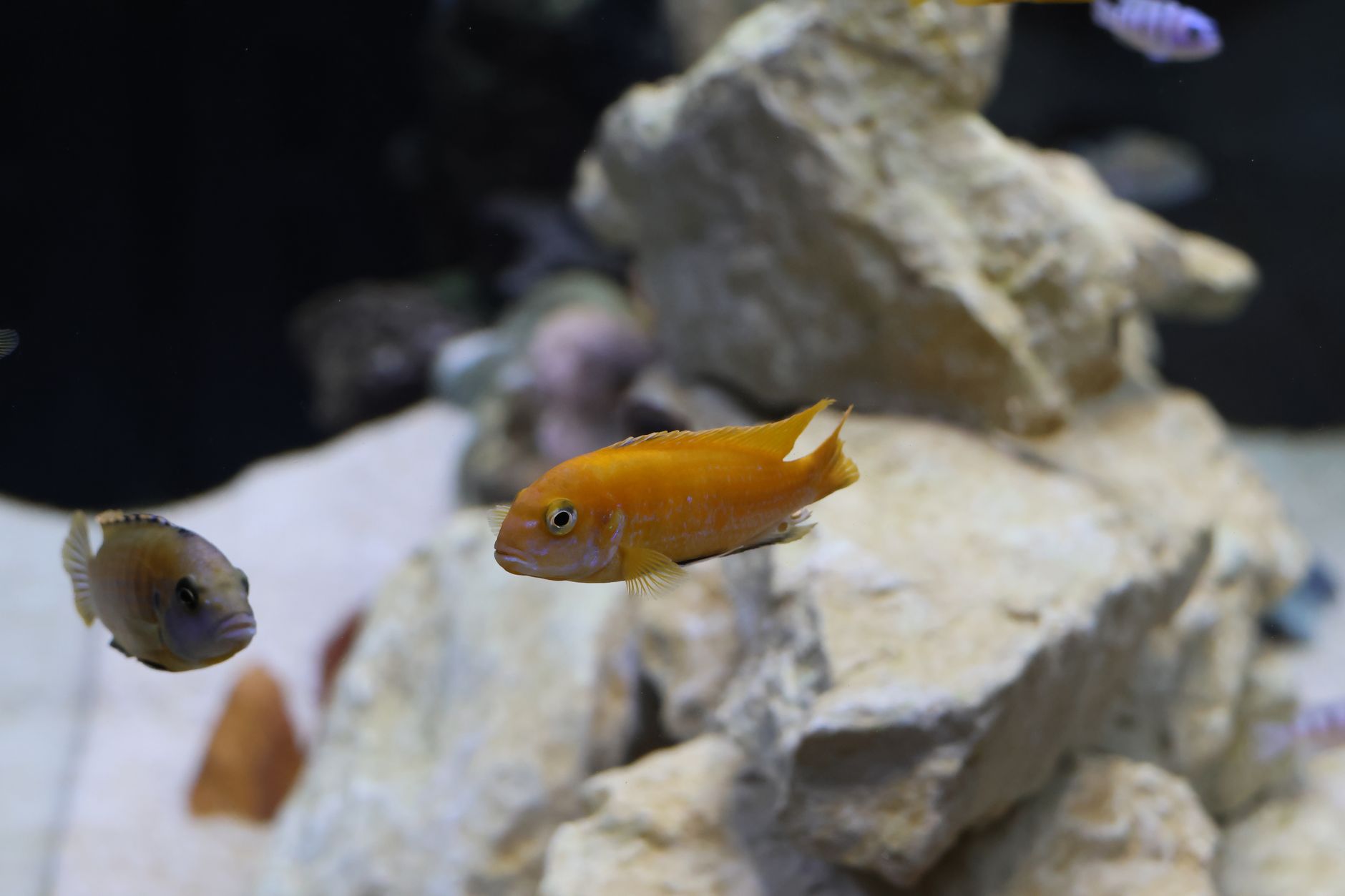
pH measures the acidity or alkalinity of your water on a scale from 0 to 14, with 7 being neutral. Most community freshwater fish prefer a stable pH between 6.5 and 7.5, though specific species like African cichlids prefer hard, alkaline water (above 8.0), while South American tetras and discus thrive in soft, acidic water (below 6.5). Stability matters far more than chasing an exact number; rapid pH swings shock fish much more than a slightly imperfect steady pH.
When attempting to alter pH chemically using commercial buffer products, hobbyists often run into trouble. Liquid pH adjusters create temporary shifts that inevitably bounce back, causing lethal chemical swings. Instead, natural decoration choices—such as adding driftwood to lower pH or crushed coral to raise it—offer a much gentler, gradual modification method that keeps inhabitants safe.
2. General Hardness (GH) and Carbonate Hardness (KH)
GH measures dissolved calcium and magnesium ions, influencing fish osmoregulation and plant growth. KH measures carbonate and bicarbonate levels, acting as a buffer against sudden pH crashes. Maintaining adequate KH prevents dangerous acid buildup, especially in heavily stocked or older tanks.
In regions with soft tap water, KH levels can drop close to zero over time as biological processes consume available carbonates. When KH is depleted, even a minor organic load can trigger a catastrophic pH crash, dropping the acidity overnight and wiping out beneficial bacteria and fish alike. Monitoring KH ensures your water chemistry maintains the buffering capacity required for long-term stability.
3. Temperature Stability
Most tropical freshwater fish require stable temperatures between 75°F and 80°F (24°C to 27°C). Fluctuations caused by room temperature changes stress fish immune systems, making them vulnerable to common ailments like Ich. Always invest in a reliable aquarium heater and a secondary glass thermometer.
Step-by-Step Routine for Testing and Maintenance
Maintaining high water quality does not require endless hours of daily labor, but it does demand a consistent, structured routine. Establishing habits keeps your ecosystem balanced and prevents chemical spikes.
Step 1: Perform Weekly Water Tests
Use a reliable liquid drop test kit rather than paper test strips for greater accuracy. Test your water at the same time each week to track trends. Record your readings for ammonia, nitrite, nitrate, and pH in a dedicated logbook or digital tracker.
Step 2: Calculate Correct Water Change Volumes
Regular water changes dilute accumulated nitrates and replenish vital trace minerals. Before starting your maintenance, use an Aquarium Volume Calculator to determine the exact water volume of your tank, factoring in displacement from substrate, driftwood, and rocks. Knowing your true water volume ensures you dose dechlorinators and medications accurately.
To execute a proper water change, gather your supplies in advance: a clean siphon hose, a dedicated bucket or water-changing gun, a water conditioner, and a towel. Turn off your aquarium heater and filter to prevent running equipment dry during the procedure. Siphon out the target percentage of water while cleaning the gravel, then slowly refill the tank with temperature-matched water treated with your water conditioner.
Step 3: Siphon Substrate and Clean Filter Media
Use a gravel vacuum to remove fish waste, rotting plant matter, and excess food trapped in the substrate. When cleaning your filter media, never rinse it in untreated tap water, as chlorine and chloramines will destroy your beneficial bacteria colonies. Always rinse filter sponges and ceramic rings gently in a bucket of old tank water removed during your water change.

Common Mistakes That Ruin Freshwater Aquarium Water Quality
Even well-meaning aquarists frequently make avoidable mistakes that compromise water quality. Recognizing these pitfalls helps you protect your aquatic pets.
- Overfeeding: Giving fish more food than they can consume in two minutes is the leading cause of high ammonia, cloudy water, and excessive algae growth.
- Overstocking: Adding too many fish to a small tank overwhelms the biological filtration capacity, leading to chronic poor water quality.
- Changing 100% of the Water: Except in extreme emergencies, replacing all the water at once destroys beneficial bacteria and causes severe chemical and temperature shock.
- Neglecting Filter Maintenance: Allowing filter sponges to clog completely reduces water flow and starves beneficial bacteria of oxygenated water.
- Skipping Dechlorinator: Adding untreated tap water directly to an aquarium introduces chlorine and chloramines that instantly kill beneficial bacteria and harm fish gills.
Avoiding these common errors requires patience and self-discipline. For instance, feeding fish only what they can consume in 60 to 90 seconds once or twice a day prevents surplus waste from rotting in the corners of your tank. Similarly, researching adult fish sizes before purchasing livestock prevents the heartbreak of overcrowding.
Disclaimer: The following health and care guidelines are for educational purposes only and do not replace professional veterinary advice or specialized aquatic diagnostic services. If you suspect an outbreak of disease in your tank, consult a qualified aquatics professional.
Species-Specific Water Quality Considerations
Different freshwater species have evolved in vastly distinct environments, meaning a "one-size-fits-all" approach to water quality will inevitably fail some of your inhabitants. Tailoring your water parameters to your specific livestock ensures vibrant coloration, natural behaviors, and extended lifespans.
South American Tetras, Angelfish, and Discus
Native to the Amazon basin, these species inhabit slow-moving tributaries, flooded forests, and blackwater rivers rich in tannins from decaying vegetation. Their ideal water parameters feature soft water (GH 1-4), low mineral content, and acidic pH (5.5 to 6.8). Keeping them in hard, alkaline tap water can inhibit breeding, damage delicate egg membranes, and shorten their lifespans.
African Cichlids from Rift Lakes
In stark contrast, cichlids hailing from Lake Malawi and Lake Tanganyika thrive in hard, highly alkaline water with a pH ranging from 7.8 to 8.8 and elevated GH and KH levels. Their natural environment is rich in dissolved minerals and carbonates. Trying to keep these robust fish in soft, acidic water leads to mineral deficiencies, skeletal weakness, and eventual mortality.
Hardy Community Fish (Livebearers, Danios, and Tetras)
Many commercially bred freshwater species—such as guppies, platies, zebra danios, and neon tetras—have adapted over generations to tolerate a broader range of water parameters. A neutral pH of 7.0 to 7.4 and moderate hardness allow these adaptable species to flourish without requiring complex reverse osmosis water blending.
The Importance of Advanced Filtration Media
Filtration is the mechanical, chemical, and biological backbone of your freshwater ecosystem. Understanding how to configure your filter media ensures optimal water polishing and toxin removal.
- Mechanical Filtration: Filter floss, coarse sponges, and filter socks trap particulate matter, uneaten food, and detritus before they can decompose and pollute the water column.
- Biological Filtration: Ceramic rings, bio-balls, and porous matrix stones provide massive surface areas for beneficial nitrifying bacteria to colonize and process toxic ammonia and nitrite.
- Chemical Filtration: Activated carbon, zeolite, and purigen remove dissolved organic compounds, heavy metals, unwanted medications, and tannins, keeping the water crystal clear and odorless.
Balancing these three media types inside your hang-on-back, canister, or sponge filter guarantees comprehensive water purification. Remember to clean mechanical media weekly, leave biological media undisturbed unless rinsing gently in tank water, and replace chemical media every four to six weeks as its absorption capacity exhausts.
Frequently Asked Questions
How often should I test my freshwater aquarium water?
For established tanks, testing once a week is ideal. If you are cycling a new aquarium, treating a disease, or recently added new fish, test your water parameters every 24 to 48 hours until stability is proven.
What percentage of water should I change weekly?
A standard maintenance routine involves replacing 15% to 25% of your aquarium water every week. This removes accumulated nitrates and organic wastes while keeping overall water chemistry stable.
Why is my aquarium water cloudy after a water change?
Cloudiness is often caused by micro-bubbles adhering to surfaces, stirred-up substrate dust, or a minor bacterial bloom. This typically clears on its own within 12 to 24 hours with proper filtration running.
Can I use tap water directly in my fish tank?
No. Tap water contains chlorine and chloramines added for human sanitation, which are toxic to fish and beneficial bacteria. Always treat tap water with a quality water conditioner before adding it to your tank.
How do I lower high nitrate levels in my tank?
High nitrates are best reduced through consistent partial water changes, reducing feeding amounts, removing rotting plant leaves, and introducing fast-growing live aquatic plants that consume nitrates as fertilizer.
What causes a sudden pH drop in an established aquarium?
A sudden pH drop usually indicates low carbonate hardness (KH) depletion. As biological filtration consumes carbonates, the buffering capacity fails, causing acid accumulation. Regular water changes replenish these vital minerals.
Helpful PawPrintHub Tools
To help you manage your aquatic setup efficiently, explore our specialized calculator designed for aquarium hobbyists:
- Aquarium Volume Calculator: Accurately estimate your tank's water capacity and displacement for precise maintenance and dosing.
Conclusion
Maintaining superior freshwater aquarium water quality is a rewarding journey that blends science, observation, and consistency. By understanding the nitrogen cycle, monitoring key parameters like pH, ammonia, and hardness, and establishing a regular maintenance routine, you create a vibrant, safe ecosystem for your aquatic pets. Avoid common pitfalls like overfeeding and unmonitored stocking, and always test your water before making dramatic changes. With patience and proper attention to detail, your freshwater tank will reward you with crystal-clear water and healthy, active fish for years to come.
Support free pet guides and tools.
Buy Me a Coffee
Comments
Post a Comment