
How to Socialize an Older Rescue Dog: A Complete Canine Rehabilitation Guide
Bringing an adult rescue dog into your home is a deeply rewarding experience, but it also comes with unique challenges. Unlike puppies who absorb new sights, sounds, and experiences like little sponges, older rescue dogs often carry complex histories. They may have experienced neglect, isolation, abuse, or simply a lack of proper exposure during their formative months. Learning how to socialize an older rescue dog requires infinite patience, keen observation, and a steadfast commitment to positive reinforcement. Whether your new companion cowers at the sound of a passing car or freezes when meeting strangers, structured rehabilitation can transform their world and unlock their true potential as a loving family member.
Disclaimer: This article is for educational purposes only and does not replace professional veterinary advice or certified animal behaviorist intervention. If your dog exhibits severe aggression, extreme fear, or self-harming behaviors, please consult a qualified veterinary behaviorist immediately.
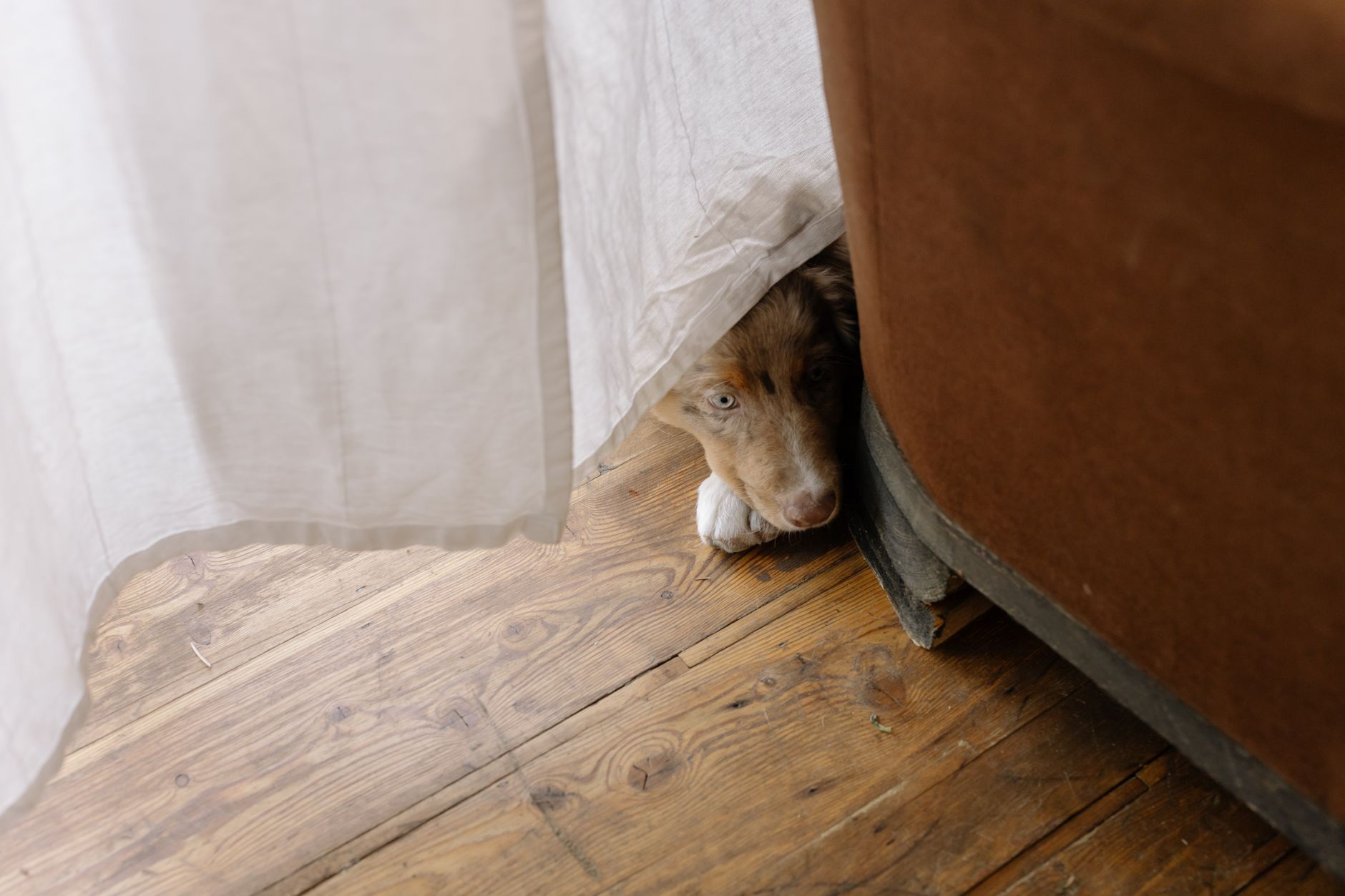
Socialization with an adult dog is not about forcing them into overwhelming social situations; rather, it is a deliberate, gradual process of altering their emotional response to the world. By reshaping how they perceive everyday stimuli, you build a foundation of trust that allows them to navigate life with confidence. Understanding that adult rehabilitation is a marathon rather than a sprint will help you maintain the necessary composure when setbacks inevitably happen. Your home should become a sanctuary where healing can take root naturally, unburdened by unrealistic expectations or rushed timelines.
Understanding the Mindset of an Adult Rescue Dog
Before introducing new environments or experiences, you must understand where your rescue dog’s mindset currently rests. Many shelter or rescue dogs experience the decompression period—often referred to as the 3-3-3 rule. It takes roughly three days to decompress from the shelter environment, three weeks to learn household routines, and three months to truly feel secure and show their authentic personality. Recognizing this psychological adjustment phase is critical to preventing misunderstandings between you and your new pet.
During the early stages, your dog’s stress hormones, such as cortisol, remain elevated. Pushing an unsocialized adult dog into busy dog parks, bustling cafes, or noisy neighborhoods too quickly can trigger a fight, flight, or freeze response. Instead, successful socialization starts inside your home and expands outward at a pace dictated entirely by the dog. Listening to their subtle communicative cues prevents accidental flooding and ensures they feel safe.
When working with an adult dog, you are actively rewiring neural pathways associated with fear and survival. Adult dogs have fully formed worldviews based on past experiences, meaning that patience is not just a virtue—it is a biological necessity. Every positive interaction adds a brick to the fortress of trust you are building together. Recognizing subtle signs of cognitive fatigue and emotional processing is essential to preventing accidental setbacks during early training stages. Keep training sessions brief, incredibly positive, and always end on a successful note to foster long-term confidence.
Phase 1: Establishing Safety and Routine at Home
True socialization begins with predictability. An anxious or undersocialized adult dog needs to know that their immediate environment is entirely safe. Without this secure base, external socialization efforts will falter. Establishing clear boundaries and predictable patterns helps ground an insecure animal.
- Create a Safe Haven: Designate a quiet crate, pen, or specific corner where your dog can retreat without interruption. Never disturb or pull your dog out of their safe space. This zone should be respected by every member of the household, including children.
- Consistent Daily Schedules: Feed, walk, and interact with your dog at predictable times every single day. Routine dramatically reduces baseline anxiety by letting the dog know what to expect next.
- Low-Stress Handling: Practice gentle, voluntary touch. Let your dog sniff your hand before petting, and stop immediately if they display body language like lip-licking, yawning, or turning away. Consent-based petting teaches your dog that their boundaries are respected.
- Ambient Noise Management: Keep household noise levels moderate. Avoid sudden loud noises, screaming, or slamming doors, which can startle a fragile rescue dog and undo hours of trust-building.
By keeping household disruptions to a minimum during the first few weeks, you allow your dog's nervous system to reset. Avoid inviting large groups of friends over or rearranging furniture constantly. Stability breeds confidence, and a quiet home is the most effective incubator for emotional healing in newly adopted adult dogs. Let them explore the living spaces at their own discretion, rewarding brave exploratory steps with high-value treats like tiny bits of roasted chicken or freeze-dried liver.
Phase 2: Controlled Desensitization and Counter-Conditioning
Once your dog is comfortable inside the home, you can begin introducing novel sights, sounds, and objects. The core of this process relies on two psychological principles: desensitization (gradual exposure to low-intensity triggers) and counter-conditioning (pairing the trigger with a high-value reward).
For instance, if your dog fears the sound of household appliances, start by turning on the blender from another room at a low volume while immediately feeding them pieces of cooked chicken. Over days or weeks, gradually move closer and increase the volume. The goal is to alter their emotional association from "scary threat" to "delicious opportunity."
To keep track of your daily routine and ensure your dog's physical needs are consistently met without overexertion, you can utilize the Dog Exercise Planner to map out low-stress activity sessions.
Another common hurdle in the home is unfamiliar noises, such as doorbells or thunder. You can use recorded sound tracks played at an inaudible whisper, slowly increasing the volume over several weeks while treating your dog for calm behavior. This systematic approach prevents panic attacks and builds resilience against unexpected environmental stressors. Always observe your dog's breathing rate and posture; if they tense up, drop back down to a lower intensity level immediately.

Phase 3: Expanding Into the Outside World
Taking your rescue dog outside requires careful route planning and environmental management. Avoid peak hours at parks or busy streets during your initial outings. Your backyard, a quiet alleyway, or an empty corner of a parking lot can serve as your starting point. Rushing this stage is one of the most common pitfalls pet parents encounter.
Choosing Low-Traffic Observation Posts
Find a quiet park bench, a secluded corner of a parking lot, or your own front porch. Sit quietly with your dog while keeping a safe distance from potential stressors like other dogs, bicycles, or crowds. Reward your dog calmly every time they notice a stimulus without reacting fearfully. This technique, known as "Look at That" (LAT) training, helps dogs process their environment without panic.
Allow your dog to observe the world at a distance where they can still take treats. If they refuse food, they are over their threshold and you are too close to the trigger. Increase the distance immediately by walking backward or shifting away from the stressful stimulus.
Leash Handling and Body Language Awareness
Your energy directly impacts your dog. Keep your grip loose on the leash; a tight leash communicates tension and signals to your dog that danger is near. Watch closely for subtle signs of stress:
- Whale eye (showing the whites of the eyes)
- Tucked tail or stiffened posture
- Excessive panting or drooling
- Sudden refusal to move or accept treats
- Lip licking or heavy yawning when no sleepiness is present
- Trembling, shaking, or holding the ears pinned flat against the head
If you notice these signs, calmly increase distance from the trigger until your dog relaxes. Mastering canine body language is the single most important skill a rescue pet parent can develop. When you learn to listen to what your dog's body is whispering before they feel compelled to shout through barking or lunging, you prevent escalation.
Daily Socialization Routine for Adult Rescues
Consistency transforms erratic reactions into steady behaviors. Here is a practical daily framework you can adapt to your rescue dog's unique needs:
- Morning (Calm Connection): Start with a predictable feeding schedule followed by a short, quiet elimination walk in a familiar, low-traffic area. Use this time for gentle bonding without demands.
- Midday (Mental Enrichment): Instead of high-stress walks, engage your dog's brain indoors using puzzle toys, snuffle mats, or scent games. This burns mental energy without triggering outdoor phobias.
- Late Afternoon (Desensitization Session): Dedicate 10 to 15 minutes to controlled exposure. Sit on the front porch with a handful of treats, watching the neighborhood pass by at a safe distance.
- Evening (Wind Down): Maintain a quiet household environment. Dim the lights, limit loud television or music, and provide a safe chew toy to help your dog settle into deep sleep.
- Nighttime Routine: Ensure your dog has access to their secure safe haven for uninterrupted overnight rest, reinforcing their feeling of complete security.
Implementing this daily structure anchors your rescue dog in reality. When every day follows a reliable, predictable arc, the unknown parts of the world become vastly less terrifying.

Common Mistakes to Avoid When Socializing Adult Rescues
Even well-meaning pet parents can accidentally hinder their rescue dog's progress. Avoid these common pitfalls:
- Flooding: Exposing a fearful dog to intense stimuli all at once under the assumption they will "get used to it." This often causes learned helplessness or reactive outbursts.
- Forcing Interactions: Dragging your dog toward strangers or other dogs. Always allow your dog to choose whether they want to engage. Forced greetings destroy trust.
- Punishing Fear: Yelling or correcting a dog for growling, barking, or hiding. Growling is a vital warning sign; if suppressed, the dog may bite without warning in the future.
- Moving Too Fast: Skipping steps in the desensitization process because your dog seemed fine yesterday. Progress is rarely linear, and setbacks are a normal part of rehabilitation.
- Inconsistent Rules: Changing household rules or boundaries daily confuses an already insecure animal. Clarity creates comfort.
- Lack of Boundaries: Allowing over-attachment or failing to teach independence, which can inadvertently foster severe separation anxiety.
Avoiding these traps requires profound self-awareness from you as the handler. Remember that your dog's defensive reactions are not personal; they are protective mechanisms born from past hardship. Patience, empathy, and consistency will guide you through challenging moments.
Species-Specific Steps for Anxious Canines
Canines are social pack animals, but individual breeds and mixes possess distinct temperaments. Herding breeds, for instance, may fixate heavily on moving objects like bicycles or joggers due to their intense prey and working drives. Guardian breeds might display heightened suspicion toward unfamiliar humans entering their territory. Tailor your socialization strategy to your dog's specific genetic predispositions.
Incorporate scent work into your routine. Dogs experience the world primarily through their noses. Allowing your dog to sniff freely during walks—known as a "decompression sniff walk"—lowers heart rates and reduces stress far more effectively than a fast-paced heel march. Sniffing releases dopamine in the canine brain, creating a natural calming effect that helps ground nervous adult rescues.
Furthermore, provide structured chew items. Chewing is a self-soothing behavior that releases tension in dogs. Safe rubber chew toys filled with dog-safe peanut butter or plain yogurt can keep an anxious rescue dog occupied for extended periods, lowering baseline cortisol levels.
When to Seek Professional Guidance
While patience and positive reinforcement work wonders, some rescue dogs require expert intervention. If your dog shows persistent aggression toward people or other animals, severe separation anxiety, or paralyzing phobias that do not improve with structured desensitization over several weeks, reach out to a certified professional dog trainer (CPDT-KA) or a board-certified veterinary behaviorist (DACVB).
Additionally, keeping track of your dog's daily health, milestones, and enrichment activities can help you spot behavioral regressions early. You can use tools like the Pet Enrichment Idea Generator to find engaging indoor games that build confidence without overwhelming their senses. Professional trainers can also help you evaluate whether prescription anti-anxiety support from a veterinarian might assist your dog's neurological recovery. Never hesitate to seek help when dealing with complex trauma cases; an experienced professional can save months of trial and error.

Frequently Asked Questions
How long does it take to socialize an older rescue dog?
There is no fixed timeline. Some confident dogs adapt within weeks, while deeply traumatized or undersocialized dogs may take many months or even years to build lasting confidence. Patience and consistency are your best tools.
Is it ever too late to socialize an adult dog?
No, it is never too late. While puppyhood is a critical window, adult dogs possess brain plasticity and can learn new associations through gentle counter-conditioning and positive reinforcement.
Should I take my unsocialized rescue dog to a dog park?
Generally, no. Dog parks are unpredictable, high-arousal environments filled with off-leash dogs. Unsocialized adult dogs often find this terrifying, which can easily trigger defensive aggression or deepen their fear.
How do I introduce my rescue dog to unfamiliar visitors?
Allow visitors to ignore the dog entirely at first. Do not let guests crowd, loom over, or force attention on the dog. Let your rescue dog approach visitors at their own discretion, backed by high-value treats.
What should I do if my dog freezes in fear during a walk?
Do not pull or drag your dog forward. Crouch down calmly, block any overwhelming stimuli with your body, and offer high-value treats to coax them. If they remain frozen, calmly turn around and head back toward your safe zone.
Helpful PawPrintHub Tools
To support your journey in caring for and rehabilitating your new companion, explore these free tools:
- Dog Exercise Planner - Build balanced, low-stress physical routines tailored to your rescue dog.
- Pet Enrichment Idea Generator - Discover confidence-building mental stimulation games for indoor bonding.
Support free pet guides and tools.
Buy Me a Coffee
Comments
Post a Comment