
How to Cure Dog Ear Infections Naturally at Home: A Complete Canine Ear Care and Cleaning Guide
Taking care of your canine companion involves monitoring their daily comfort, behavior, and physical wellness. Among the most frequent yet uncomfortable issues pet parents encounter are dog ear infections. Because a dog's ear canal is L-shaped and traps moisture easily, it creates an ideal breeding ground for bacteria and yeast. Understanding how to spot early warning signs, perform safe routine cleanings, and implement preventative habits can save your furry friend a lot of distress.
Disclaimer: The following content is for educational purposes only and does not replace professional veterinary care. If your dog shows signs of severe pain, balance loss, or heavy discharge, consult a licensed veterinarian immediately.
Maintaining canine wellness is a multifaceted responsibility that requires dedication, daily observation, and a proactive approach to hygiene. When pet owners ignore the subtle signs of ear discomfort, minor issues can quickly escalate into chronic, painful, and costly medical conditions. By educating yourself on the nuances of canine ear anatomy, understanding the underlying mechanisms of bacterial and yeast proliferation, and adopting a structured hygiene routine, you ensure your dog enjoys a higher quality of life. Prevention and early intervention are your strongest allies in maintaining clean, comfortable, and infection-free ears.
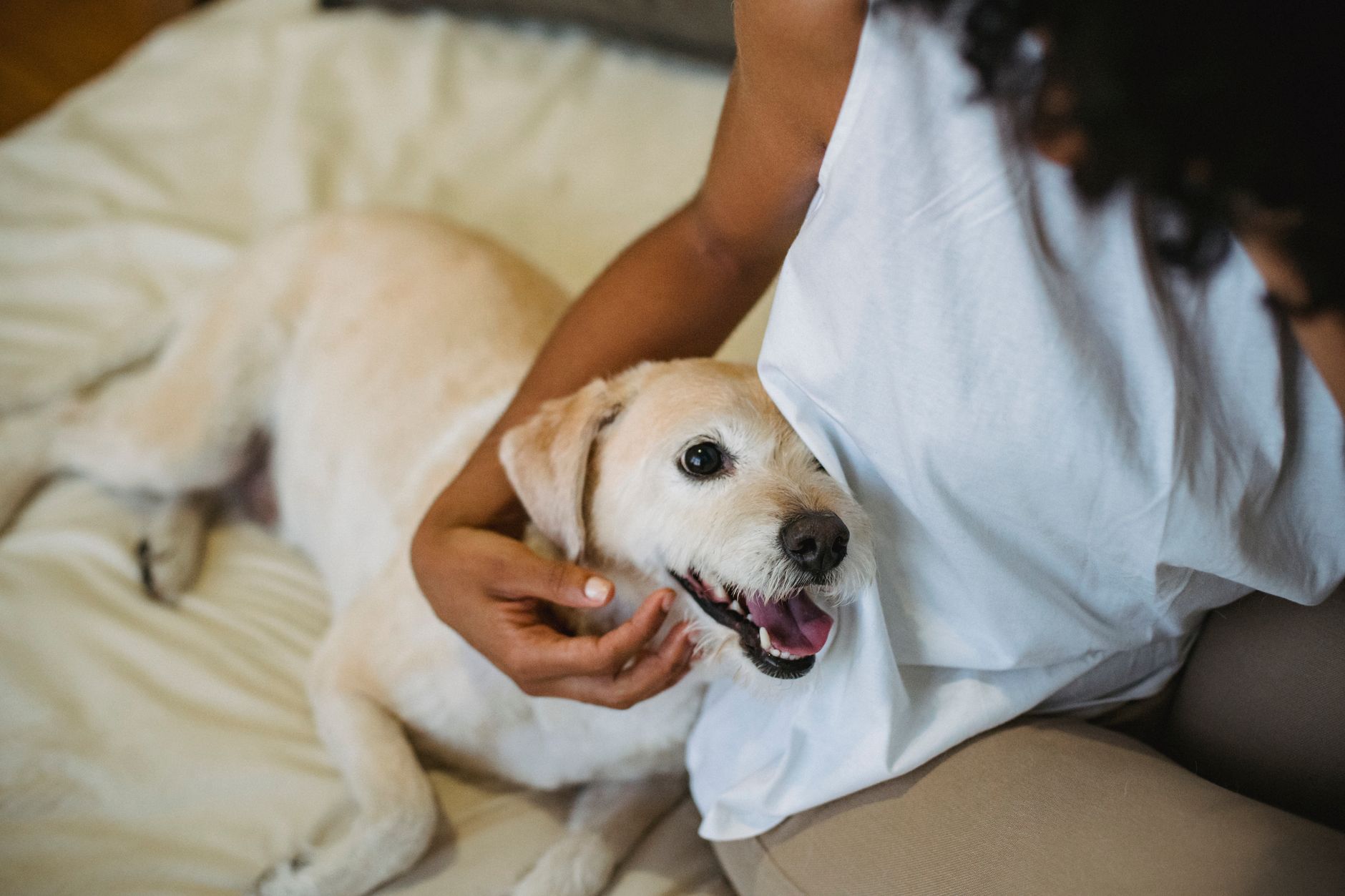
Understanding Canine Ear Anatomy and Why Infections Happen
To tackle ear issues effectively, it helps to understand why dogs are so prone to them. Unlike human ears, which have a straight canal, a dog's ear canal features both a vertical and a horizontal component. This structure easily traps dirt, debris, moisture, and wax deep inside, making self-cleaning difficult without assistance. The unique L-shape prevents natural drainage, meaning anything that enters the ear tends to stay there unless actively cleaned or expelled through head shaking.
Several factors contribute to recurring flare-ups:
- Excess Moisture: Swimming, frequent baths, or walking in heavy rain without proper drying can leave the ear canal damp and humid, fostering microbial growth.
- Allergies: Environmental allergens like pollen, dust mites, or food sensitivities often trigger systemic inflammation, resulting in overproduction of ear wax and secondary infections.
- Ear Conformation: Breeds with heavy, pendulous ears, such as Cocker Spaniels, Basset Hounds, and Bloodhounds, experience severely reduced air circulation inside the canal.
- Parasites: Ear mites can severely irritate the delicate epithelial lining, leading to intense itching and secondary bacterial or yeast infections.
- Foreign Bodies: Grass seeds, dirt clumps, and plant awns frequently migrate into the outer ear canal during outdoor exploration, causing physical trauma and inflammation.
- Endocrine Imbalances: Conditions like hypothyroidism can alter skin health and immunity, making dogs more susceptible to chronic dermatological and ear complications.
Understanding these anatomical and environmental risk factors empowers you to modify your dog's daily routines. For example, if you own a swimming enthusiast, implementing a strict post-swim drying protocol becomes non-negotiable. Similarly, if your canine companion struggles with chronic food sensitivities, partnering with your veterinarian to establish an elimination diet can dramatically reduce ear inflammation at its root.
Recognizing the Early Warning Signs of Dog Ear Infections
Catching discomfort early is vital for quick recovery. Dogs cannot talk to tell us when their ears hurt, but they display clear behavioral cues and physical symptoms. Learning to read these signals ensures you can intervene before minor irritation escalates into a painful, chronic condition.
Common signs include frequent head shaking, persistent scratching at the ear base, a noticeable foul or yeasty odor coming from the ear canal, redness or swelling of the inner ear flap, dark brown or yellow discharge, and whimpering or pulling away when the area is touched. If you notice your dog tilting their head constantly to one side, it is time to check their ears closely for hidden trouble.
Beyond these classic indicators, subtle behavioral changes often signal early ear discomfort. A normally social dog might become irritable when family members pet their head or scratch behind their ears. You might observe your dog rubbing the side of their face aggressively against carpets, furniture, or grass to alleviate deep-seated itching. In advanced cases, you may notice crusting around the outer ear margins, hair loss from excessive scratching, or a reluctance to open their jaw fully due to pain radiating to the jaw joints. Recognizing these multi-faceted symptoms allows for immediate action before the infection reaches the middle or inner ear.

Step-by-Step Guide to Safe At-Home Ear Cleaning
Maintaining clean ears is a cornerstone of proactive canine health. When done correctly, routine cleaning removes trapped debris before harmful microbes can multiply. Always use a veterinary-approved ear cleaning solution or a gentle, vet-recommended natural rinse tailored to your dog's specific needs.
Step 1: Gather Your Supplies
Prepare your workspace ahead of time with a quality veterinary ear cleaning solution, clean cotton balls or soft gauze pads, a towel to protect your clothing and furniture, and a handful of high-value treats to reward your dog for staying calm. Avoid using cotton-tipped swabs (Q-tips) inside the vertical and horizontal ear canal, as they inevitably push wax and debris deeper toward the eardrum.
Step 2: Position and Comfort Your Dog
Find a quiet, well-lit space free from household distractions. Have your dog sit comfortably or lay gently on their side. Speak in a calm, soothing voice and offer gentle physical petting and praise throughout the process to establish a positive association with ear care.
Step 3: Apply the Cleaning Solution
Gently lift the ear flap to expose the opening of the ear canal. Hold the bottle of cleaning solution applicator tip just above the canal opening and squeeze a generous amount of liquid inside, carefully following the manufacturer's or veterinarian's product instructions.
Step 4: Massage the Base of the Ear
Immediately after applying the liquid, massage the base of the ear gently for about twenty to thirty seconds using your thumb and index finger. You should hear a distinct squishing sound as the liquid breaks up stubborn wax, cellular debris, and microbial buildup deep within the vertical canal.
Step 5: Wipe Away Dislodged Debris
Allow your dog to shake their head freely, which naturally brings loosened wax and debris up from the horizontal canal toward the outer opening. Use a clean cotton ball or gauze pad to wipe away the loosened wax and excess moisture gently. Never insert anything rigid or narrow deep into the canal.
Establishing a calm, predictable rhythm during ear cleanings transforms a potentially stressful event into a bonding experience. If your dog exhibits signs of extreme anxiety, break the process down into smaller steps over several days. For instance, simply touch the ear flap and offer a treat on day one, lift the flap on day two, and introduce the bottle without squeezing on day three. Patience ensures long-term compliance and prevents fear-based defensive reactions.
Natural Prevention Strategies for Healthy Canine Ears
Prevention is always superior to treatment. Integrating simple habits into your weekly routine protects your dog's ears from chronic issues and reduces the need for frequent medicated interventions:
- Dry Thoroughly After Swimming: Always dry your dog's ears thoroughly after baths, grooming sessions, or swimming in lakes and pools. You can use a soft absorbent towel or a handheld hair dryer set exclusively on a cool, low-airflow setting held at a safe distance.
- Inspect During Grooming: Make structured ear checks a regular part of your grooming routine. Utilize a Pet Grooming Planner to keep track of weekly maintenance sessions and monitor any subtle color or odor changes.
- Manage Allergies Proactively: Work closely with your veterinarian to identify and manage dietary or environmental triggers if your dog suffers from chronic seasonal allergies that manifest as itchy ears.
- Keep Ear Hair Trimmed: For hairy-canal breeds like Poodles and Schnauzers, consult your groomer or veterinarian about gently plucking or trimming excessive inner hair to maximize airflow and prevent moisture retention.
- Maintain Optimal Nutrition: Feed a high-quality, balanced diet rich in omega-3 fatty acids, which support skin barrier function and reduce systemic inflammation throughout the body, including the ears.
Implementing these natural strategies creates a robust defense system for your dog's ears. Consistency is key; checking ears weekly allows you to catch minor accumulations of wax or early signs of redness before they transform into full-blown infections requiring veterinary prescriptions. Coupled with proper nutritional support, your dog's natural immune defenses will better resist opportunistic yeast and bacteria.

Common Mistakes to Avoid When Cleaning Dog Ears
Even well-intentioned pet parents sometimes make critical mistakes that worsen ear issues or cause accidental injury. Avoiding these common pitfalls protects your dog's delicate hearing structures and sensitive skin:
- Using Q-Tips Inside the Canal: Cotton swabs push wax and cellular debris tightly against the eardrum, risking severe impaction, trauma, or accidental rupture of the tympanic membrane.
- Using Harsh Unverified Chemicals: Never use rubbing alcohol, hydrogen peroxide, harsh dish soaps, or random vinegar mixtures without explicit veterinary guidance, as these substances can severely irritate, burn, or inflame delicate epithelial tissue.
- Ignoring Chronic Head Shaking: Dismissing persistent head shaking as a quirky habit allows underlying infections, foreign bodies, or parasites to cause progressive, deep-seated damage.
- Skipping the Drying Phase: Leaving ear canals damp after cleaning or swimming invites opportunistic fungal and bacterial growth, undoing all your hard cleaning work.
- Over-Cleaning Healthy Ears: Cleaning healthy ears too frequently strips away the natural lipid barrier that protects the ear canal from pathogens, paradoxically triggering inflammation and infection.
- Using Expired or Contaminated Products: Always check expiration dates on ear cleaners and avoid touching the applicator tip to your dog's skin to prevent cross-contamination of bacteria back into the bottle.
By remaining vigilant against these common errors, you protect your dog from preventable pain and complications. When in doubt about a specific cleaning product, technique, or frequency, always consult a licensed veterinary professional to tailor a safe, individualized hygiene plan for your pet.
When to Seek Professional Veterinary Care
While home hygiene and natural cleansing routines manage minor wax buildup effectively, professional veterinary intervention is mandatory for true infections. If your dog exhibits signs of a ruptured eardrum—such as sudden loss of balance, intense pain when the head is touched, head tilt toward the affected side, circling, or involuntary rapid eye movements (nystagmus)—stop home care immediately and transport your pet to a veterinary clinic.
A licensed veterinarian can perform a comprehensive otoscopic examination using specialized magnification tools, take a cytology swab to identify specific bacteria or yeast under a microscope, and prescribe targeted medicated drops, anti-inflammatories, or systemic treatments. Attempting to treat a severe, deep-seated bacterial or fungal infection exclusively with home remedies can lead to chronic hearing loss, permanent tissue scarring, or neurological complications. Tracking your dog's medical history alongside routine care using tools like a Pet Vaccination Planner helps your veterinarian identify broader health trends and systemic allergy patterns.
Frequently Asked Questions
How often should I clean my dog's ears?
For most healthy dogs with clean ears, routine cleaning every two to four weeks is sufficient. Dogs who swim frequently, produce excess wax, or suffer from allergies may need more frequent checks, but over-cleaning should be avoided as it strips natural protective oils from the skin lining.
Can I use apple cider vinegar to clean my dog's ears?
Diluted apple cider vinegar is sometimes suggested for restoring natural pH balance, but you should always consult your veterinarian before applying any homemade acidic solutions. Never use vinegar or DIY acid mixtures if your dog's inner ear skin is red, raw, ulcerated, or broken.
Why does my dog smell like yeast even after cleaning?
A persistent, distinct yeasty odor usually indicates a deep-seated overgrowth of Malassezia yeast residing far down in the horizontal canal or within skin folds, which requires specific prescription antifungal drops or systemic medications from a veterinarian.
Are certain dog breeds more susceptible to ear infections?
Yes, breeds with floppy, pendulous ears like Basset Hounds, Cocker Spaniels, and Golden Retrievers trap heat and moisture easily. Additionally, breeds prone to canine atopic dermatitis and food allergies, such as Bulldogs and French Bulldogs, experience frequent inflammatory flare-ups.
Can food allergies cause dog ear infections?
Food sensitivities frequently manifest as generalized skin inflammation, chronic paw licking, and recurrent ear infections due to increased sebum and wax production driven by allergic immune responses in the ear canals.
Is head shaking always a sign of an ear infection?
While ear infections represent the most common cause, frequent head shaking can also result from ear mites, ticks, foreign bodies like grass awns, dental pain radiating to the jaw, or neurological vestibular disorders.
What should I do if my dog panics during ear cleaning?
Stop the cleaning session immediately, offer high-value treats, and rebuild positive association slowly over several days by simply touching their ear flaps without applying any liquid. Patience, gentle reassurance, and positive reinforcement are absolute keys to success.
How can I tell if my dog's eardrum is damaged?
Signs of a ruptured eardrum include severe pain, sudden loss of balance, head tilt, incoordination, and unusual eye movements. Only a veterinarian can confirm eardrum integrity using specialized diagnostic equipment like an otoscope.
Are natural home remedies enough to cure a severe ear infection?
No. While natural home remedies and proper cleaning solutions help maintain routine hygiene and soothe minor irritation, true bacterial or fungal infections require professional veterinary diagnosis and prescription-strength medication to cure safely.
What is the best way to dry my dog's ears after swimming?
Use a soft, clean towel to gently dry the visible outer ear flaps and opening of the canal. If necessary, use a handheld hair dryer set strictly on a cool, low-airflow setting held at a safe distance to evaporate lingering moisture without overheating the delicate skin.
Helpful PawPrintHub Tools
To help you stay organized with your canine companion's overall health, hygiene, and daily wellness, explore these helpful resources:
- Keep track of grooming sessions, baths, and ear maintenance using the Pet Grooming Planner.
- Organize crucial vaccination milestones and veterinary checkups with the Pet Vaccination Planner.
- Track daily schedules, feeding routines, and exercise logs effortlessly with the New Pet Checklist.
Conclusion
Managing and preventing dog ear infections requires a harmonious combination of vigilance, gentle hygiene practices, and timely professional care. By incorporating regular ear checks into your weekly grooming routine, utilizing safe cleaning techniques, and actively addressing moisture and allergy triggers, you can keep your canine companion comfortable, happy, and infection-free all year round. Always prioritize your dog's safety, respect their comfort boundaries during handling, and consult your veterinarian at the first sign of persistent discomfort or infection.
Support free pet guides and tools.
Buy Me a Coffee
Comments
Post a Comment