
How to Build a Complete Canine Fitness Routine: A Practical Dog Exercise Planner Guide
Keeping a dog physically fit and mentally stimulated is one of the most rewarding responsibilities of pet guardianship. Just like humans, our canine companions require structured daily movement to maintain joint health, manage their weight, and prevent behavioral issues stemming from pent-up energy. However, figuring out the right balance of walking, running, training, and rest can feel overwhelming without a clear strategy. Designing a personalized dog exercise planner ensures your pet stays healthy, happy, and appropriately challenged at every life stage.
Note: This article is for educational purposes only and does not replace professional veterinary advice. Always consult your veterinarian before starting a new fitness or high-intensity exercise regimen with your dog, especially if they have pre-existing health conditions.

Understanding Canine Fitness Needs Across Life Stages
A one-size-fits-all approach does not work when building a fitness routine. A high-energy working breed puppy requires vastly different physical output than a senior companion with mild arthritis. When building your routine, you must account for breed predispositions, age, overall health status, and current conditioning levels.
Puppies and Growing Joints
Puppies are bundles of energy, but their growth plates are still developing and remain vulnerable to high-impact injuries. Over-exercising a puppy can lead to long-term skeletal damage. Instead of long-distance jogging or intense agility work, focus on short, frequent play sessions, basic obedience training, and controlled socialization. If you are tracking your dog's growth and weight milestones, pairing your physical goals with a Puppy Growth Estimator can help you align their physical development with safe activity levels.
Puppy bodies undergo rapid structural transformation during their first year of life. Engaging in repetitive high-impact activities before skeletal maturity can result in uneven bone development and early-onset joint degeneration. Introduce gentle coordination exercises, such as navigating soft obstacle courses on grass, which build spatial awareness without placing undue stress on developing joints. Keep play sessions brief, stopping before the puppy displays overt signs of exhaustion or over-arousal.
Establishing early routines also sets the foundation for lifetime health. Use these formative months to introduce handling, paw touching, and calm leash walking. By incorporating mental challenges like treat-dispensing toys, you tire out their growing minds without risking physical strain on delicate bones.
Adult Dogs and Working Breeds
Adult dogs typically possess full stamina and require a robust mix of aerobic exercise, strength training, and mental enrichment. Sporting and herding breeds may need upward of two hours of intense daily engagement. Incorporating tools like a Dog Exercise Planner helps owners map out structured weekly workouts, alternating between cardiovascular runs, swimming sessions, puzzle games, and steady-paced leash walks.
For working breeds, physical exhaustion alone is rarely enough; mental engagement is critical to prevent destructive behaviors. Integrating scent work, tracking games, or complex obedience sequences into their daily schedule satisfies their instinctual drive to work, resulting in a calm, balanced companion at home.
Adult conditioning also requires monitoring environmental factors. High-performance dogs need adequate hydration and electrolyte balance during long outings, especially in warmer weather. Structuring active days with designated cool-down phases prevents lactic acid buildup and supports rapid muscle recovery.
Senior Dogs and Low-Impact Care
As dogs enter their golden years, their exercise needs shift toward maintaining muscle mass and joint mobility without causing excessive wear and tear. Short, frequent walks on soft surfaces, gentle stretching, and swimming are excellent low-impact options. Keep a close eye on their nutritional needs during this phase, as reduced activity can lead to unwanted weight gain if food portions are not adjusted accordingly.
Maintaining muscle tone in senior dogs supports their skeletal structure and helps compensate for natural age-related joint stiffness. Low-impact routines keep their cardiovascular systems healthy and provide vital mental stimulation that wards off canine cognitive decline.
Watch closely for subtle indicators of discomfort in older dogs, such as hesitation before jumping into the car or slowing down halfway through a familiar route. Modifying routes to feature softer earth paths instead of hard pavement can dramatically extend their active, pain-free years.

Core Components of a Balanced Dog Fitness Routine
A well-rounded fitness plan incorporates several distinct types of movement and stimulation to ensure holistic wellness. Designing an effective routine means looking at the dog as a complete athlete.
- Aerobic Endurance: Activities like brisk walking, jogging, hiking, or swimming that elevate the heart rate and improve cardiovascular health.
- Mental Enrichment: Nosework, puzzle toys, and obedience drills that tire out your dog's brain as effectively as physical running.
- Strength and Balance: Controlled movements like walking over Cavaletti poles, practicing "sit-to-stand" repetitions, or backing up to build core stability.
- Recovery and Rest: Dedicated rest days and quality sleep to allow muscle tissue to repair and grow stronger.
Integrating all four components ensures that your dog does not develop muscular imbalances or mental burnout. A dog that only runs fetch may have great cardiovascular endurance but poor core strength and high mental arousal, whereas a dog with a balanced routine displays steady energy and physical resilience.
Strength exercises protect your dog against unexpected injuries by fortifying the ligaments and stabilizing the core. Introducing gentle balance drills on unstable surfaces like a folded blanket or a specialized canine disc can greatly improve proprioception—your dog's awareness of their body in space.
Step-by-Step Guide to Crafting Your Weekly Schedule
Creating a sustainable routine requires consistency and observation. Here is how you can build an actionable weekly blueprint:
- Assess Baseline Fitness: Evaluate your dog's current stamina. If they get tired after a ten-minute walk, do not immediately sign them up for a three-mile hike. Build up endurance gradually by increasing duration or distance by no more than ten percent each week.
- Map Out Daily Time Blocks: Look at your personal schedule and designate specific morning and evening slots for physical activity. Consistency helps regulate your dog's internal clock and reduces anxiety.
- Mix Physical and Mental Workouts: Alternate high-intensity days (like running or fetch) with low-intensity days (like sniffing walks and training sessions) to prevent overuse injuries and mental burnout.
- Monitor Recovery Signs: Watch for excessive panting, lagging behind on walks, stiffness the following morning, or reluctance to engage. Adjust the workload downward if your dog shows signs of fatigue.
Consistency is key when following any fitness schedule. Dogs thrive on predictable routines, and knowing when exercise and rest periods occur helps them settle comfortably throughout the day.
A sample weekly plan might look like this: Monday features a brisk 45-minute neighborhood walk combined with obedience practice. Tuesday includes high-intensity fetch in a secure area, followed by a puzzle feeder dinner. Wednesday acts as an active recovery day with a slow, sensory sniffing walk. Thursday brings a swimming or low-impact trail walk. Friday focuses on indoor mental enrichment and trick training. Saturday involves a longer weekend hike or adventure outing. Sunday is dedicated to gentle stretching, massage, and complete rest.
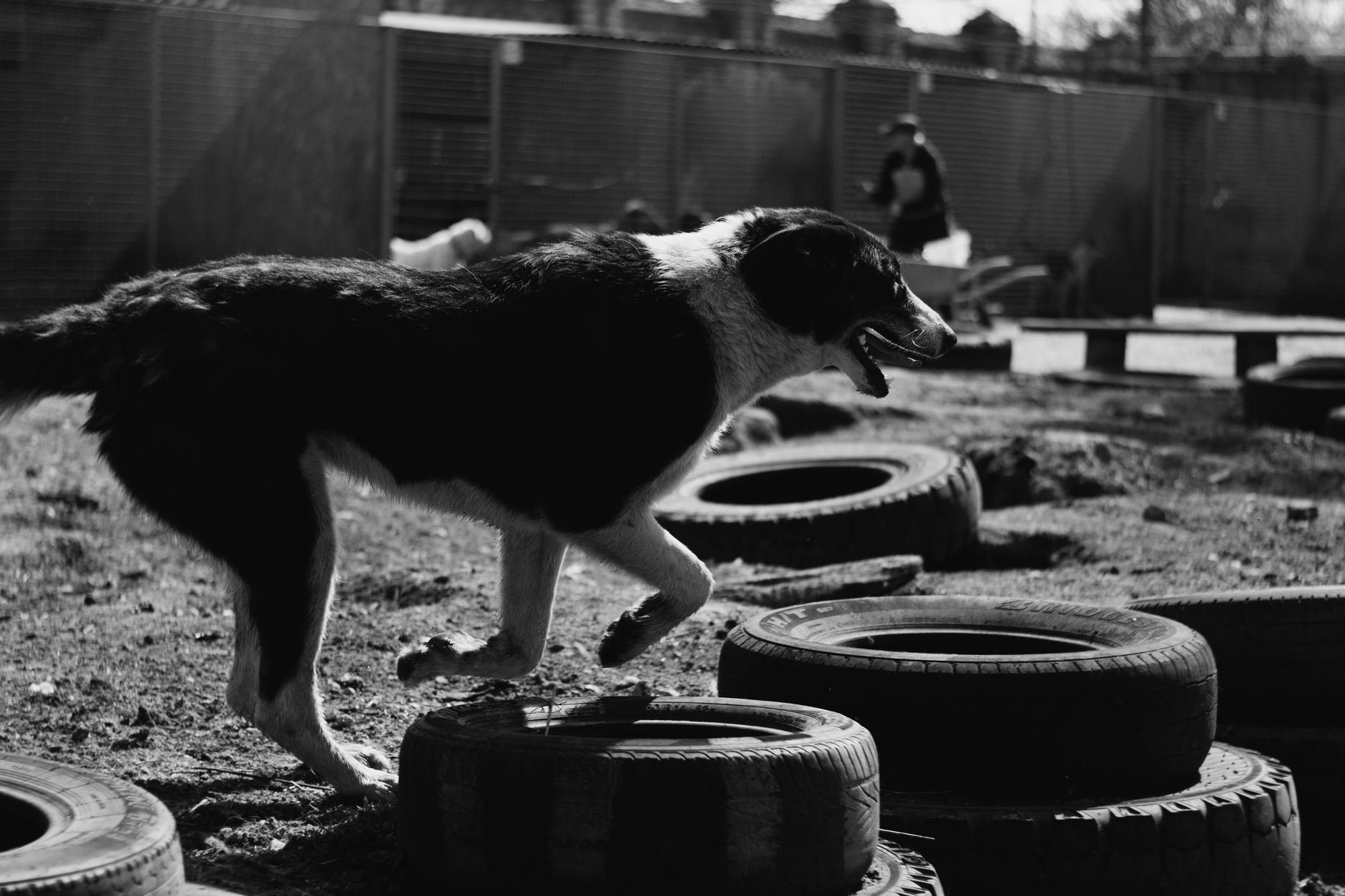
Common Mistakes to Avoid in Dog Fitness Planning
Even well-meaning pet parents can make missteps when trying to keep their dogs active. Avoiding these common pitfalls will protect your dog from injury:
- Weekend Warrior Syndrome: Keeping a dog relatively inactive all week and then forcing them into a grueling five-mile hike on Saturday often leads to severe muscle strains and joint injuries.
- Ignoring Weather Conditions: Pushing dogs to exercise in high heat and humidity risks heatstroke, while icy winter walks can damage sensitive paw pads. Always check pavement temperatures with your hand before walking.
- Neglecting Warm-Ups and Cool-Downs: Jumping straight into a sprint without a slow-walking warm-up increases the risk of pulled muscles. Always allow a five-minute slow sniff at the end of a walk to bring the heart rate down.
- Failing to Adjust Diet: Increasing a dog's exercise without monitoring caloric intake can cause dramatic weight fluctuations. If your dog's activity level changes significantly, verify their daily requirements using a Pet Calorie Calculator.
Recognizing these hazards early prevents emergency veterinary visits and ensures that exercise remains a positive, bonding experience for both you and your canine companion.
Another frequent error is encouraging repetitive jumping, such as catching flying discs mid-air on hard ground. The landing impact places massive forces on the carpal and shoulder joints. Transitioning games to soft turf and keeping throws low to the ground protects your dog's skeletal frame while preserving the joy of the game.
Practical Daily Routines for Different Lifestyles
Tailoring your exercise schedule to fit your lifestyle while meeting your dog's needs is entirely achievable with careful planning. Here are three sample routines:
The Urban Apartment Routine
Living in the city presents unique challenges, such as limited green space and heavy foot traffic. Focus on structured urban walks incorporating obedience cues at crosswalks, indoor puzzle toys, and visits to secure indoor training facilities or local dog parks during off-peak hours. Urban dogs excel at mental challenges, so teach them complex trick sequences or utilize scent work games inside hallways to burn energy without needing acres of land.
The Suburban Family Routine
Suburban environments often offer yards and neighborhood sidewalks. Combine backyard fetch games with neighborhood walks, utilizing morning and evening slots to avoid peak sun exposure. Involve family members in rotating walking duties to keep the dog engaged with different handlers. Use the yard for hide-and-seek games where one family member hides and calls the dog, building recall reliability while getting everyone moving.
The Active Outdoor Enthusiast Routine
For owners who love hiking, camping, or running, ensure your dog is properly conditioned before tackling rugged terrain. Pack plenty of fresh water, a portable bowl, a canine first-aid kit, and protect their paws from rough gravel or hot dirt trails. Gradually condition their paw pads to rough surfaces over several weeks rather than throwing them into intense wilderness expeditions immediately.
When to Consult a Veterinary Professional
If you notice sudden changes in your dog's mobility, reluctance to climb stairs, yelping when touched, or a persistent decrease in stamina during routine activities, pause the fitness routine immediately and schedule a veterinary evaluation. Underlying conditions such as hip dysplasia, early-stage arthritis, heart murmurs, or respiratory issues require professional diagnosis and a customized, veterinarian-approved physical therapy or exercise modification plan.
Veterinary oversight is especially vital when rehabilitating a dog from an injury or designing a specialized weight-loss fitness plan. Professional guidance ensures your dog's physical limitations are respected while they regain strength. Qualified canine rehabilitation therapists can also suggest specific hydrotherapy or laser therapy sessions to complement your home exercise schedule.
Frequently Asked Questions
How much daily exercise does an average dog need?
Exercise needs vary dramatically depending on breed, age, and health. While working and sporting breeds often require 90 to 120 minutes of daily activity, smaller companion breeds or older dogs may be completely satisfied with 30 to 45 minutes split across two daily walks.
Can I run with my puppy?
High-impact, repetitive running on hard surfaces like concrete should be avoided until your puppy's growth plates have fully closed, which typically occurs between 12 and 18 months of age depending on the breed size.
How do I know if my dog is over-exercised?
Signs of over-exercise include heavy panting long after activity has stopped, stiffness or limping the next day, lagging behind on the leash, raw or bleeding paw pads, and unusual lethargy.
Are indoor exercises effective when the weather is bad?
Yes! Indoor mental stimulation games, obedience training, hallway fetch with soft toys, and puzzle feeders can burn significant mental energy and keep your dog satisfied when outdoor workouts are impossible.
Should I feed my dog right before or after exercise?
You should avoid feeding your dog heavy meals one hour before and one hour after vigorous exercise. This practice significantly reduces the risk of dangerous gastric torsion, commonly known as bloat, especially in deep-chested breeds.
How can I tell if my dog is at a healthy weight for exercise?
You should be able to easily feel your dog's ribs without pressing hard, and they should display a distinct visible waistline when viewed from above and the side. You can also check their body condition score using dedicated veterinary guidelines.
What is the best time of day to exercise my dog?
During warmer months, early mornings and late evenings are ideal to avoid asphalt heat and high humidity. In cooler weather, midday walks allow both you and your dog to enjoy natural sunlight and warmth.
Helpful PawPrintHub Tools
To support your canine fitness journey, explore these complimentary tools designed to make pet care planning effortless:
- Dog Exercise Planner: Build custom weekly activity schedules tailored to your dog's breed and age.
- Puppy Growth Estimator: Track your young dog's development milestones accurately.
- Pet Calorie Calculator: Ensure your dog's nutritional intake matches their active lifestyle.
Support free pet guides and tools.
Buy Me a Coffee
Comments
Post a Comment