
How to Cure Rabbit Stasis Signs Early: A Complete Rabbit GI Stasis Care Guide
Gastrointestinal stasis, commonly known as GI stasis, is one of the most critical health challenges a rabbit owner can face. Because rabbits are prey animals, they instinctively hide signs of illness until a condition becomes severe. Understanding the early indicators of digestive slowdown and implementing effective rabbit gi stasis care can make the difference between a swift recovery and a life-threatening emergency. This comprehensive educational guide explores how to identify subtle changes in your rabbit's routine, manage their daily environment, and support their delicate digestive system naturally at home.
Disclaimer: This article is for educational purposes only and does not replace professional veterinary care. If you suspect your rabbit is suffering from severe pain, complete anorexia, or total lack of stool production, contact an exotic animal veterinarian immediately.
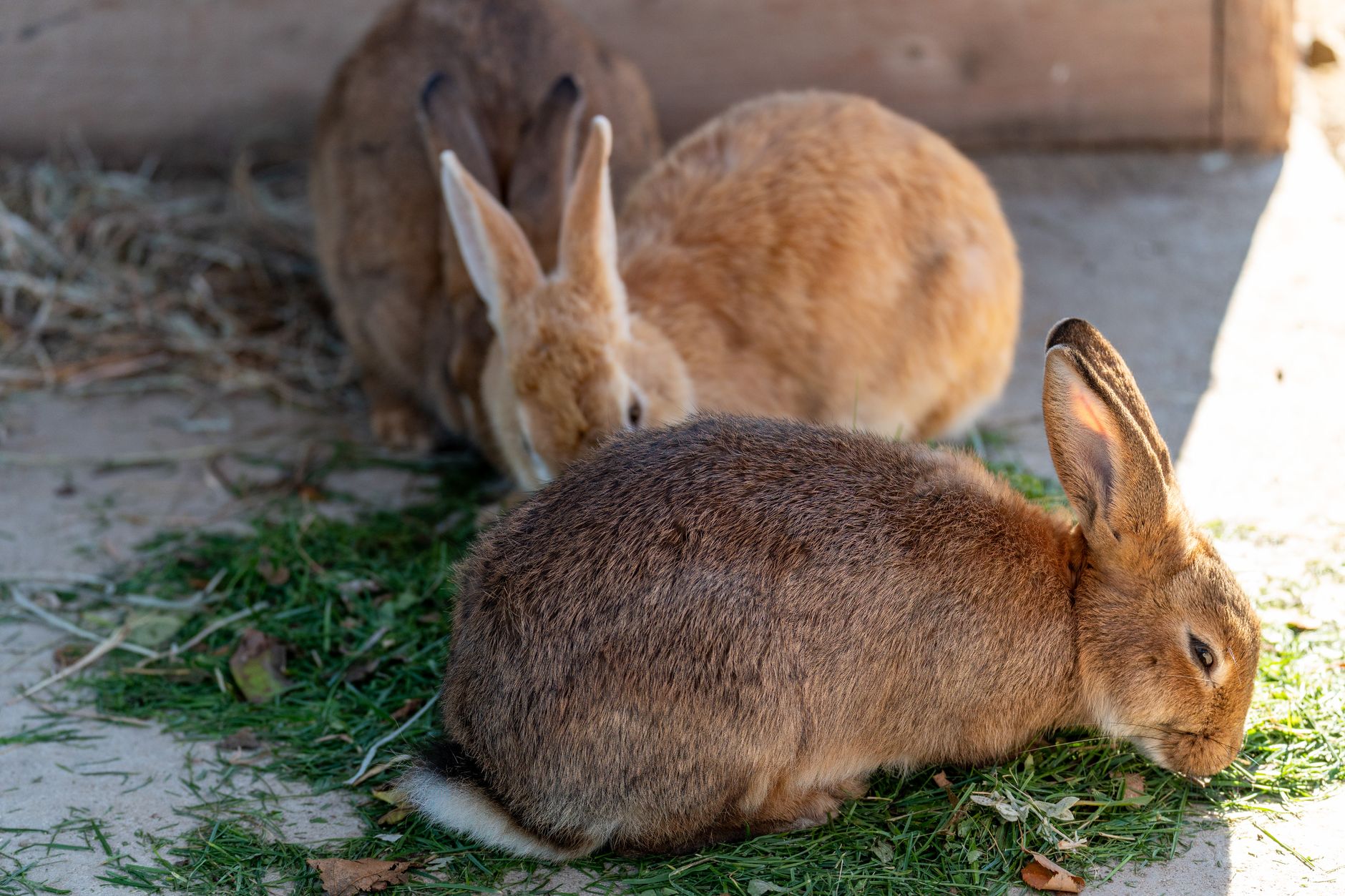
Understanding the Delicate Rabbit Digestive System
To provide proper rabbit gi stasis care, you must first understand how a rabbit's digestive tract operates. Rabbits are specialized hindgut fermenters whose digestive systems rely heavily on a constant, uninterrupted influx of high-fiber foods to keep digesta moving through the gastrointestinal tract in a single direction. Unlike humans or carnivorous companion animals, rabbits lack the muscular anatomy required to vomit, and their stomach muscles are relatively weak. Consequently, they depend entirely on continuous mechanical fiber consumption and natural muscular contractions, known as peristalsis, to push material forward.
When stress, environmental changes, sudden pain, dental disease, dehydration, or an improper, low-fiber diet causes this muscular activity to slow down or halt entirely, gas quickly builds up in the stomach and intestines. This condition is intensely painful and rapidly initiates a dangerous physiological cycle: abdominal pain causes loss of appetite, the resulting lack of food slows the gut further, and bacterial imbalances in the stagnant tract produce even more gas. Breaking this vicious cycle early is essential for your pet's survival. In a healthy lagomorph, food travels from the mouth through the stomach, enters the small intestine for nutrient absorption, and then reaches the massive cecum, where beneficial bacteria ferment fibrous plant material. From there, indigestible fiber is rapidly expelled as hard fecal pellets, while nutrient-rich cecotropes are produced and re-ingested by the rabbit to extract vital vitamins and proteins.
When gut motility halts, this intricate fermentation factory stalls entirely. Harmful, gas-producing bacteria begin to multiply rapidly in the stagnant cecum, releasing toxins and painful gas pockets that cause severe abdominal cramping and systemic distress. Because a rabbit's liver is uniquely sensitive to prolonged anorexia, any period of starvation exceeding twenty-four hours can trigger hepatic lipidosis (fatty liver disease), making rapid detection and prompt intervention paramount to saving their life.
Recognizing the Early Warning Signs of GI Stasis
Catching digestive slowdown in its earliest stages is vital. Many owners only realize something is wrong when their rabbit is completely unresponsive, but subtle changes often appear hours or days beforehand. Learning to monitor your pet daily helps you spot trouble before it escalates into a full-scale medical emergency.
1. Decreased or Altered Appetite
A healthy rabbit loves to eat with enthusiasm. If your rabbit turns their nose up at their favorite pellets, fresh leafy greens, or even sweet-smelling grass hay, take immediate note. A rabbit that eats significantly less than usual or refuses treats is exhibiting a primary warning sign of impending stasis. Some rabbits will stop eating hard foods first while continuing to nibble tiny amounts of soft greens before stopping completely. Watch out for selective eating, where a rabbit ignores hay entirely and only begs for high-carbohydrate treats, as this nutritional imbalance can precipitate a severe gut slowdown.
2. Smaller or Absent Fecal Output
Monitor your rabbit's litter box habits daily as part of your standard animal husbandry routine. Normal rabbit droppings are round, uniform in size, and composed largely of digested hay fiber. When stasis begins, you may notice fecal pellets becoming noticeably smaller, misshapen, strung together with mucus, or entirely absent. A complete lack of stool for more than twelve hours is a medical emergency requiring professional intervention. You may also observe dark, tarry stools or a sudden absence of cecotropes, indicating that normal cecal fermentation has been severely disrupted.
3. Behavioral Changes and Lethargy
Rabbits experiencing abdominal discomfort often display distinct behavioral shifts. They may sit hunched in a corner with their ears flat against their back, grind their teeth softly (a sign of pain distinct from happy tooth purring), press their belly flat against the cool floor to seek relief, or refuse to move when approached. They might also become unusually aggressive, defensive, or withdrawn. Some rabbits will stretch out awkwardly, shift positions constantly, or look back at their flanks as if trying to identify the source of internal pain.

Essential Daily Prevention and Home Management
Preventing digestive slowdown is always preferable to treating an acute crisis. Implementing robust daily wellness routines ensures your rabbit's gut remains active, healthy, and properly lubricated.
The Power of Unlimited Grass Hay
Fiber is the true engine of the rabbit gut. Timothy, orchard grass, brome, and meadow hays should make up the vast majority of an adult rabbit's daily diet. Hay provides the abrasive chewing action necessary to wear down continually growing teeth and supplies the long-chain structural fiber required to stimulate intestinal motility. Ensure fresh hay is accessible twenty-four hours a day in clean, easily reachable racks. Mixing different varieties of grass hay can also stimulate foraging interest in picky eaters and encourage higher daily intake.
Hydration and Water Encouragement
Fiber cannot move smoothly through the digestive tract without adequate moisture. Dehydration thickens the contents of the gut, causing dangerous blockages. While water bottles are common in many setups, many rabbits drink significantly more water from a heavy ceramic bowl that mimics natural ground-level drinking posture. Supplement their hydration by offering thoroughly washed, water-dampened leafy greens such as romaine lettuce, cilantro, parsley, and dandelion greens. Always provide fresh, clean water daily and wash bowls regularly to prevent bacterial film buildup.
Regular Exercise and Environmental Enrichment
Physical movement stimulates internal organs, including the gastrointestinal tract. If you confine a rabbit to a small cage without adequate out-of-cage time, their digestion can sluggishly decline over time. Provide a spacious, bunny-proofed exercise area and introduce interactive elements like tunnels, digging boxes, and foraging puzzle toys. For tracking daily schedules, you can use a helpful Pet Grooming Planner to organize their brushing and physical checkups, or maintain a comprehensive routine with a New Pet Checklist when bringing home a new companion.
Step-by-Step Home Comfort Measures for Mild Sluggishness
If you catch a mild slowdown early—meaning your rabbit is still slightly interested in food but showing reduced appetite and smaller droppings—you can take immediate, gentle action at home while arranging professional veterinary advice.
- Encourage Hay Consumption: Hand-feed choice pieces of sweet-smelling, soft third-cutting hay or favorite safe herbs like dill, mint, or basil to tempt their palate and stimulate chewing.
- Gentle Abdominal Massage: With your rabbit resting comfortably in your lap or on a secure, non-slip surface, place warm hands on their sides and gently massage their abdomen in slow, circular motions. If the rabbit tenses up, grinds teeth loudly, or tries to escape, stop immediately, as their abdomen may be too tender.
- Keep Them Warm: Digestive slowdown lowers core body temperature, putting the animal at risk of hypothermia. Provide a warm, quiet, dim space away from drafts and loud household noises. You can place a wrapped, warm water bottle or a low-setting pet heating pad in their enclosure so they can choose to snuggle against it for comfort.
- Offer Critical Care Formulas: If you have an emergency recovery powder recommended by your exotic vet on hand, gentle syringe feeding of warm fiber slurry can keep the gut moving. Never force-feed a completely blocked rabbit rapidly. Always push the syringe from the side of the mouth behind the incisors in small, measured increments to prevent choking.

Species-Specific Daily Routines and Husbandry Tips
Maintaining long-term digestive health requires establishing structured routines tailored specifically to the unique physiology of domestic rabbits (Oryctolagus cuniculus). Unlike dogs or cats, rabbits thrive on predictable environmental consistency and high-roughage diets.
Morning Routine
Start each morning by thoroughly inspecting the litter box before cleaning it. Note the size, consistency, and volume of the droppings to gauge digestive status. Refresh water bowls with cool, clean water and top off hay racks with fresh grass hay. Provide a measured portion of leafy greens, rotating varieties to ensure nutritional diversity without causing sudden microbial shifts in the sensitive cecal flora.
Evening Routine
Perform a quick physical check of your rabbit during evening feeding time. Feel their sides to ensure their abdomen feels soft rather than taut or bloated. Check that their eyes and nose are clear of discharge and that their bottom is clean and dry. Replenish hay once more and spend at least thirty minutes engaging in supervised out-of-cage floor time to encourage active stretching, hopping, and natural movement.
Common Mistakes to Avoid in Rabbit Care
Well-meaning owners sometimes make critical errors when managing rabbit health issues that can worsen the condition:
- Waiting Too Long: Assuming a rabbit will "bounce back" by tomorrow morning. Rabbit digestion deteriorates rapidly; waiting twenty-four hours can be fatal.
- Feeding High-Sugar Treats: Offering sugary fruits, commercial yogurt drops, or seed mixes during stasis. These exacerbate gas production and feed harmful gut bacteria.
- Using Human Medication: Never administer over-the-counter human pain relievers or gas drops without direct, specific dosing instructions from an experienced rabbit veterinarian.
- Stressing the Animal: Excessive handling, bright lights, loud environments, or moving a sick rabbit back and forth can increase adrenaline, shutting down the digestive system further.
- Ignoring Dental Health: Failing to notice overgrown molars that prevent proper chewing of hay, which is a leading root cause of recurring stasis episodes.
When to Seek Immediate Veterinary Help
Professional intervention is mandatory if home comfort measures do not result in improved appetite and fecal output within a few hours, or if you observe any of the following red flags:
- Complete refusal of food and water for more than six to eight hours.
- Hard, distended, or painfully bloated abdomen that feels drum-like when tapped lightly.
- Loud, painful teeth grinding accompanied by lethargy and hunched posture.
- Blue-tinged mucous membranes or labored, rapid breathing.
- Inability to stand or maintain balance, indicating potential shock or systemic organ collapse.
Frequently Asked Questions
What is the primary cause of rabbit GI stasis?
GI stasis is most frequently triggered by pain, stress, dehydration, lack of dietary fiber, dental pain, or underlying illnesses that cause the rabbit to stop eating normally.
Can I feed my rabbit vegetables to cure stasis?
Fresh, wet leafy greens can help encourage hydration and eating in mild cases, but grass hay remains the essential dietary staple required to restore normal gut motility.
How long can a rabbit survive without eating?
Because their metabolism is extremely fast, a rabbit refusing all food and water can experience severe liver lipidosis and organ failure within 24 to 48 hours. Early intervention is critical.
Are water bowls better than bottles for preventing dehydration?
Many rabbits drink significantly more water from an open ceramic bowl than from a metal-spout bottle, which helps maintain the hydration levels necessary for smooth digestion.
Is rabbit GI stasis contagious to other pets?
No, GI stasis is a physiological and metabolic condition caused by internal factors like stress or diet, not an infectious pathogen passed between animals.
What should I do if my rabbit stops producing poop?
A complete lack of stool output for more than 12 hours, paired with a refusal to eat, constitutes an emergency requiring immediate care from an exotic animal veterinarian.
How can I tell the difference between happy tooth purring and painful tooth grinding?
Happy tooth purring is usually soft and occurs when the rabbit is relaxed and being petted. Painful teeth grinding is much louder, higher-pitched, and often accompanied by a hunched posture, squinted eyes, and general unresponsiveness.
Can dental problems cause recurring GI stasis?
Yes, sharp molar spurs can cut into a rabbit's tongue or cheeks, causing severe pain that stops them from eating hay, directly triggering recurring bouts of GI stasis.
Helpful PawPrintHub Tools
Explore our suite of specialized pet wellness planners to keep your companion healthy:
- Pet Grooming Planner - Organize daily maintenance routines and coat health checks.
- New Pet Checklist - Ensure your home is fully prepared with all necessary supplies for small animal care.
Conclusion
Proper rabbit gi stasis care combines vigilance, a high-fiber hay-based diet, consistent hydration, and prompt action at the first sign of trouble. By paying close attention to subtle shifts in your rabbit's appetite, behavior, and litter box habits, you can intercept digestive slowdown before it becomes a crisis. Always partner with a qualified exotic veterinarian to ensure your furry companion enjoys a long, healthy, and comfortable life.
Support free pet guides and tools.
Buy Me a Coffee
Comments
Post a Comment