
How to Care for a Senior Dog: A Complete Canine Aging and Wellness Guide
As our beloved canine companions enter their golden years, their physical and mental needs undergo significant transformations. Providing exceptional senior dog care requires a blend of keen observation, environmental adjustments, targeted nutrition, and proactive veterinary partnership. By understanding what happens inside an aging dog's body and mind, you can dramatically improve their quality of life, ease discomfort, and ensure their twilight years are filled with comfort, vitality, and dignity.
The aging journey is unique to every animal. While a majestic Great Dane may be considered a senior citizen at five or six years old, a smaller breed like a Chihuahua or Miniature Poodle might not show signs of advanced aging until ten or eleven. Recognizing these milestones helps you adjust your care practices proactively rather than reactively, catching minor shifts before they develop into complex medical challenges.
Disclaimer: This article is for educational and informational purposes only and does not replace professional veterinary care, diagnosis, or treatment. Always consult a licensed veterinarian regarding any health concerns or changes in your dog's condition.
Understanding the Canine Aging Process
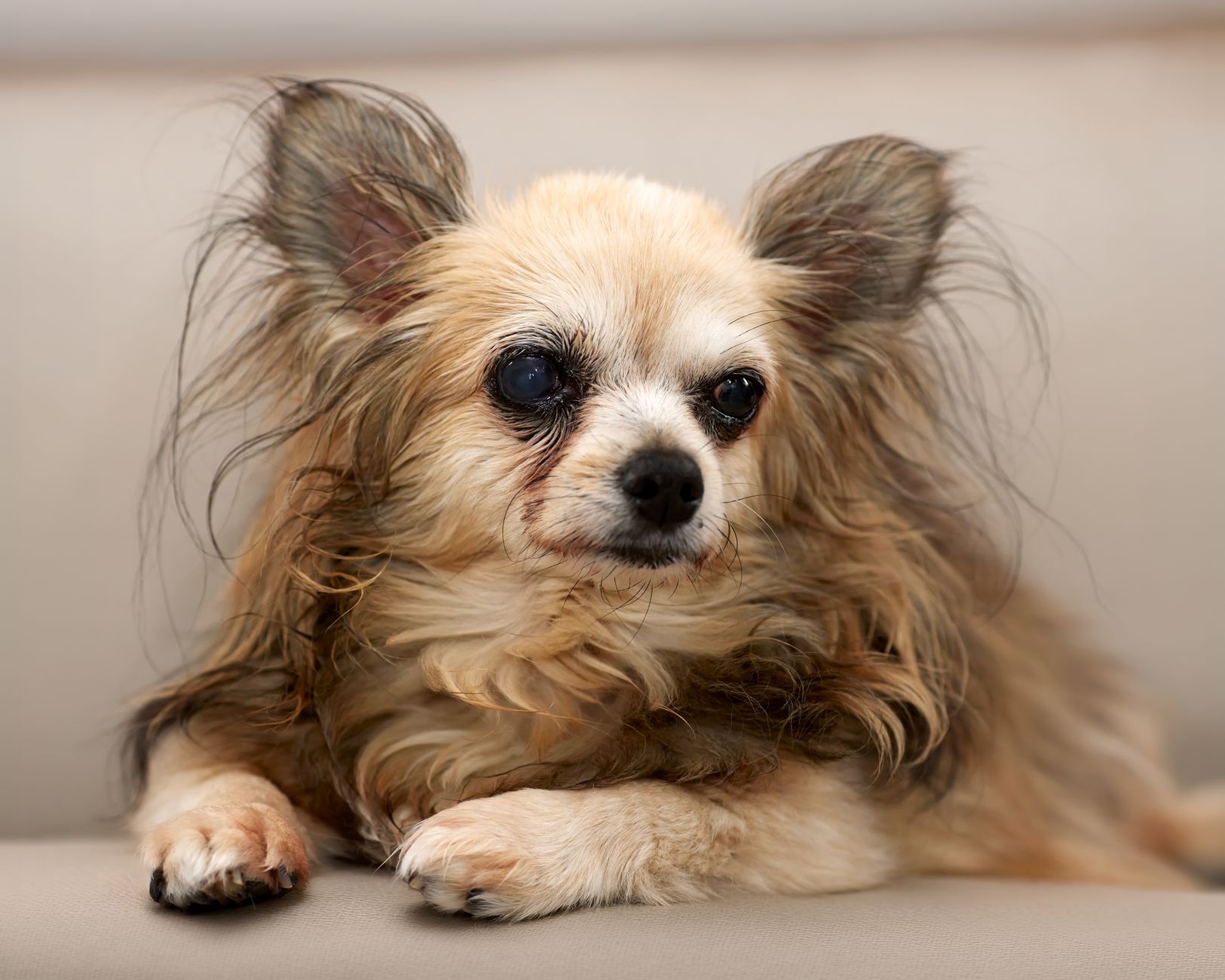
Every dog ages at a different rate, largely influenced by breed, size, and genetics. Generally, larger breeds are considered senior around 6 years of age, while medium and smaller breeds enter their senior phase closer to 8 or 9 years old. As metabolic rates slow down, cellular repair becomes less efficient, and organs gradually experience natural wear and tear. Free radicals accumulate, immune systems become less responsive, and sensory faculties such as vision and hearing may begin to dull.
Recognizing the subtle shifts in your dog's daily demeanor is the cornerstone of effective senior dog care. You might notice slight changes in their sleeping patterns, reduced enthusiasm for long runs, or minor stiffness after resting. These natural transitions require adjustments to your daily routine rather than immediate alarm, but they do signal that your dog's lifestyle needs a thoughtful upgrade. Understanding the biological markers of aging empowers pet parents to create environments that protect vulnerable joints, support failing senses, and reduce overall systemic stress.
Furthermore, older dogs often experience changes in their skin and coat. The fur may turn gray around the muzzle and eyes, and the skin can become thinner, less elastic, and more prone to dryness or calluses. Regular grooming sessions take on a new meaning during this life stage; they are no longer just about aesthetics, but serve as an invaluable bonding and health-monitoring opportunity where you can check for unusual lumps, bumps, or skin irritations.
Cellular aging also influences the immune system, making older dogs more susceptible to environmental stressors and minor pathogens. Supporting their immune defenses through balanced nutrition, stress reduction, and avoiding extreme weather fluctuations is essential. As dogs transition into their geriatric years, their internal thermostat may also become less efficient, meaning they struggle to regulate their body temperature in cold winters or hot summer months, necessitating temperature-controlled indoor environments.
Adapting Nutrition and Managing Weight
Nutritional requirements change drastically as a dog ages. Because older dogs typically burn fewer calories due to decreased activity levels, continuing to feed them high-calorie adult formulas can rapidly lead to unhealthy weight gain. Excess weight places an immense burden on aging joints, exacerbates arthritis, and strains vital organs such as the heart, liver, and kidneys. Maintaining a lean, athletic body condition is one of the single most effective ways to prolong your senior dog's life and mobility.
When selecting a diet, look for high-quality, highly digestible protein sources to help maintain muscle mass, combined with lower overall calorie counts. Many senior formulations also include beneficial supplements like glucosamine, chondroitin, omega-3 fatty acids, and antioxidants to support joint mobility, brain function, and immune health. To ensure your aging dog stays at an optimal weight, you can utilize the Pet Calorie Calculator to fine-tune their daily caloric intake based on their exact activity level and life stage.
Hydration is another critical nutritional pillar for senior dogs. Older pets are more susceptible to dehydration, particularly if they suffer from underlying kidney disease, endocrine disorders, or dental pain that makes drinking uncomfortable. Ensure fresh, clean water is accessible in multiple rooms. If your dog is reluctant to drink, consider adding low-sodium bone broth to their water bowl or transitioning to canned wet food to boost their daily moisture intake.
Additionally, digestive efficiency often declines with age. Some older dogs benefit from diets enriched with prebiotics and probiotics to support gut microbiome health, ensuring they absorb essential nutrients efficiently despite slower digestive processes. If your veterinarian recommends specific therapeutic diets for age-related organ support, transition to these formulas gradually to prevent gastrointestinal upset.

Joint Health, Mobility, and Home Modifications
Stiff joints and osteoarthritis are among the most common challenges faced by senior canines. You may notice your dog hesitating before jumping onto the couch, struggling to rise from a tiled floor, or walking with a shortened stride. Managing joint health involves a multifaceted approach combining veterinary guidance, gentle exercise, and thoughtful home modifications designed to protect their skeletal system.
- Non-Slip Flooring: Hardwood and tile floors can become dangerous skating rinks for older dogs with weak legs and compromised balance. Use runners, yoga mats, and non-slip rugs across high-traffic pathways to provide steady traction.
- Ramps and Stairs: Help your dog access their favorite resting spots, vehicles, or beds by installing sturdy, carpeted pet ramps. Avoid letting them jump off high furniture, as the impact accelerates joint wear and tear.
- Orthopedic Bedding: Invest in high-density memory foam beds designed specifically to cushion pressure points and support aching joints. Heated pet beds can also offer soothing relief for arthritic dogs during colder months.
- Controlled Exercise: Replace high-impact activities like intense fetch sessions with frequent, shorter, gentle walks that keep joints lubricated without overexerting them. You can track activity goals using the Dog Exercise Planner.
- Strategic Placement of Resources: Ensure food, water, and resting areas are all located on the same level of your home so your dog does not feel compelled to navigate painful stairs multiple times a day.
- Supportive Slings and Harnesses: For dogs with significant hind-end weakness, carrying slings or full-body lifting harnesses can help you assist them safely up steps or into cars without straining their spine or your back.
Physical therapy, hydrotherapy, and canine massage are also emerging as wonderful modalities for older dogs. Gentle water treadmill sessions allow dogs to build and maintain muscle strength without putting concussive force on their arthritic joints. Always consult your veterinarian before starting any new physical therapy program to ensure it is appropriate for your dog's specific orthopedic status.
Recognizing Warning Signs and Behavioral Changes
Aging affects the canine brain just as it affects human cognition. Canine Cognitive Dysfunction (CCD), often compared to human dementia, can manifest in subtle ways. Affected dogs may wander aimlessly, stare blankly at walls, pace at night, experience house-training lapses, or seem confused in familiar surroundings. Establishing a predictable daily routine can greatly comfort a dog experiencing cognitive decline.
Furthermore, dogs are masters at masking pain. Instead of whimpering, a dog in pain may show reluctance to climb stairs, excessive panting without exertion, behavioral withdrawal, or unusual irritability when touched in specific areas. Routine monitoring of your dog's emotional and physical state is vital. If you notice sudden behavioral shifts, changes in appetite, increased thirst, or unusual lumps, schedule a veterinary examination promptly to rule out underlying pathology.
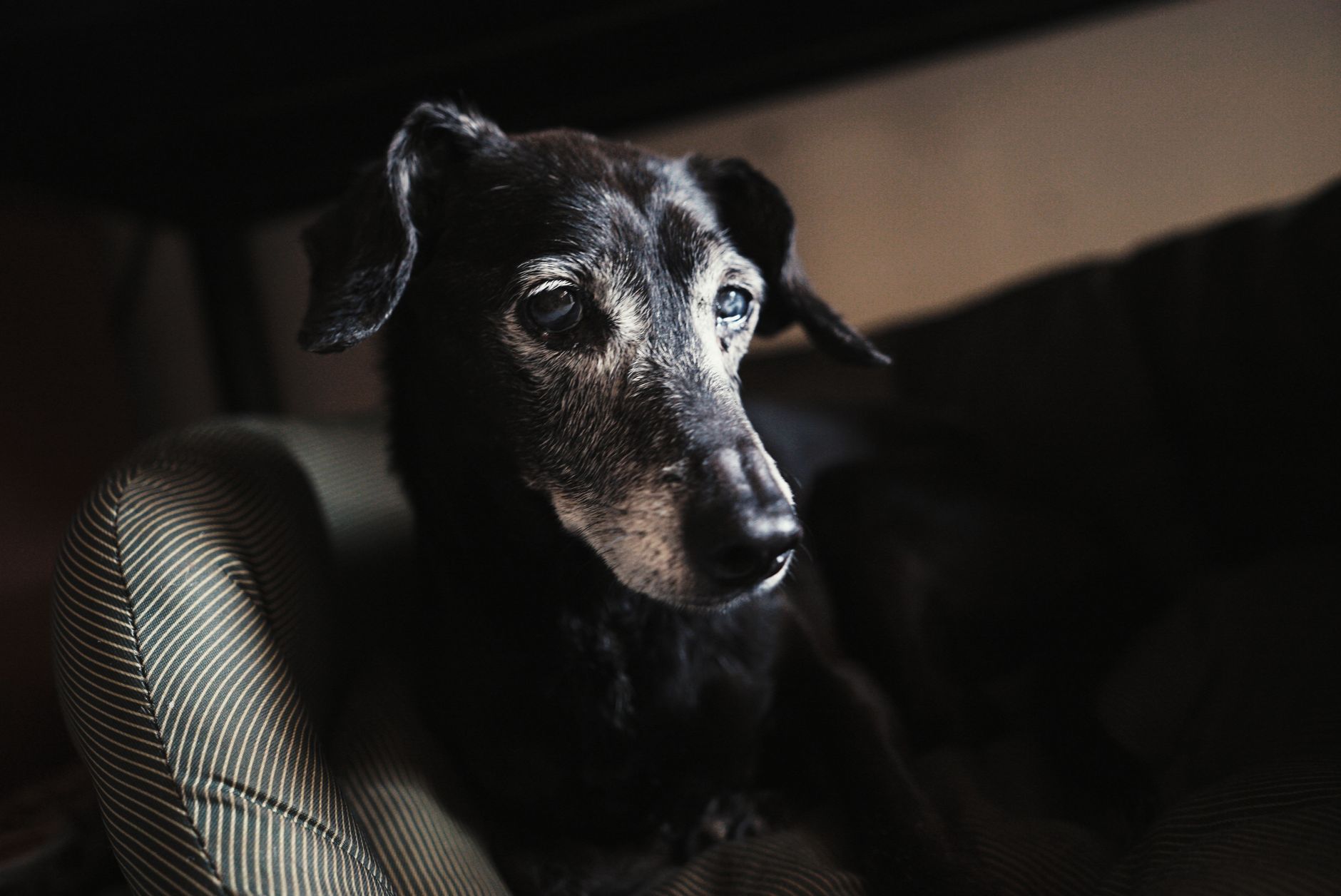
Sensory decline is another frequent hurdle. Hearing loss and vision impairment often develop gradually, allowing dogs to compensate using their sense of smell and whiskers. However, you should take precautions such as avoiding rearranging furniture, using verbal and tactile cues consistently, and keeping walks restricted to secure, familiar environments if your dog's eyesight is failing.
Sleep-wake cycle disturbances are also hallmark indicators of senior canine aging. If your dog sleeps all day and paces or vocalizes through the night, it may indicate cognitive dysfunction, pain that worsens when lying still, or underlying metabolic imbalances. Consulting a veterinarian can help identify the root cause and yield solutions ranging from environmental adjustments to targeted pharmaceutical support.
Preventive Veterinary Care and Routine Checkups
While adult dogs often visit the veterinarian annually, senior dogs benefit immensely from wellness checks every six months. Regular geriatric screenings allow your veterinarian to catch underlying conditions—such as kidney disease, dental decay, endocrine disorders, and heart murmurs—long before outward symptoms become severe. Early detection significantly expands treatment options and improves long-term prognoses.
Comprehensive senior wellness exams typically include detailed blood panels to assess organ function, urinalysis to check for urinary tract infections and kidney efficiency, blood pressure measurements, and diagnostic imaging such as X-rays or ultrasounds. Additionally, maintaining oral health is paramount; periodontal disease allows bacteria to enter the bloodstream, potentially damaging internal organs like the heart valves and kidneys. Never skip routine dental checkups, and establish a comfortable home dental routine if your veterinarian approves.
Vaccination protocols also shift during senior years. Your veterinarian will weigh the ongoing immunity of your dog against their lifestyle and exposure risks, often opting for titer testing to measure antibody levels rather than administering routine booster shots blindly, thereby reducing unnecessary immune system stimulation.
Parasite prevention remains crucial for senior dogs as well. Because their immune systems are less robust, infestations of fleas, ticks, or intestinal worms can take a much heavier toll on an older dog's health. Work with your veterinarian to maintain a year-round, safe parasite control regimen tailored to your dog's age and health status.
Common Mistakes to Avoid in Senior Dog Care
Even well-meaning pet parents can make missteps when caring for an aging companion. Avoiding these common pitfalls ensures your senior dog stays safe, healthy, and comfortable:
- Assuming slowing down is "just old age": Attributing every behavioral change or mobility issue purely to getting old can cause you to miss treatable medical conditions, organ dysfunction, or chronic pain.
- Ignoring dental hygiene: Stopping dental care because a dog is older leaves them vulnerable to painful oral infections, tooth root abscesses, and systemic health complications.
- Making abrupt food changes: Switching your dog's diet suddenly can cause severe digestive upset, vomiting, and diarrhea. Transition foods gradually over 7 to 10 days by mixing old and new formulas.
- Overlooking mental stimulation: Older dogs still crave cognitive engagement. Neglecting mental enrichment through puzzle toys, scent games, and gentle training can lead to frustration and accelerated cognitive decline.
- Allowing unmonitored access to hazards: As mobility and vision decline, dogs can easily get stuck behind furniture, fall down unblocked stairwells, or slip on slick surfaces. Always secure their immediate environment.
- Neglecting weight monitoring: Failing to track your dog's weight regularly can result in stealthy weight gain that exacerbates joint disease and metabolic disorders.
By avoiding these common missteps, you ensure that your senior dog's home environment remains a safe, nurturing haven where they can navigate their daily life with confidence and minimal frustration.
Step-by-Step Daily Routine for a Senior Dog
Establishing a predictable, stress-free daily routine provides senior dogs with emotional security and helps regulate their metabolism. Here is an effective blueprint for daily senior canine care:
- Morning Elimination and Gentle Stretch: Take your dog outside for a relaxed elimination break. Allow them to stretch naturally without rushing. Check their paws and eyes for any overnight discharge.
- Breakfast and Medications: Serve a measured portion of senior-formulated food, incorporating any prescribed supplements, joint protectants, or medications as directed by your veterinarian.
- Morning Rest: Provide a quiet, comfortable spot on an orthopedic memory foam bed where your dog can digest their meal and rest undisturbed.
- Midday Mental Enrichment: Engage your dog's mind with an easy puzzle feeder, a snuffle mat, or a short obedience refresh using positive reinforcement.
- Late Afternoon Stroll: Take a short, low-impact sniffari walk in a familiar neighborhood park, allowing your dog to explore scents at their own pace.
- Evening Routine: Feed their evening meal a few hours before bedtime to aid digestion. Offer a final elimination break just before lights out to minimize midnight house-training accidents.
- Nighttime Comfort Check: Before going to sleep, ensure your dog is settled comfortably in their orthopedic bed with easy access to fresh water and stable ambient room temperatures.
Frequently Asked Questions
How often should a senior dog see the veterinarian?
Senior dogs should ideally visit the veterinarian every six months. Because aging pets experience accelerated physical changes, semi-annual exams help detect early signs of disease, organ decline, or joint issues when they are most manageable.
What are the early signs of canine cognitive dysfunction?
Early signs include night-time restlessness, pacing, confusion in familiar places, staring at walls, house-training accidents in previously housetrained dogs, and altered social interactions with family members.
How can I make my older dog more comfortable at home?
You can improve comfort by providing orthopedic memory foam beds, placing non-slip rugs on hard floors, using ramps to bypass stairs, and ensuring food and water bowls are easily accessible without requiring deep bending.
Should I change my senior dog's exercise routine?
Yes. Swap high-impact activities like vigorous jumping and long runs for shorter, more frequent, low-impact walks that maintain muscle tone without placing excessive wear on aging joints.
How do I know if my senior dog is in pain?
Signs of pain in dogs include reluctance to climb stairs or jump, stiffness after resting, heavy panting without exercise, licking specific joints, restlessness, changes in posture, and uncharacteristic aggression when touched.
What kind of diet is best for an older dog?
Senior dogs generally thrive on diets containing high-quality, easily digestible proteins, reduced calories to prevent weight gain, and added joint-supportive supplements such as omega-3 fatty acids and glucosamine, as recommended by your veterinarian.
Helpful PawPrintHub Tools
To help you manage your aging companion's needs effectively, explore these helpful tools:
- Pet Calorie Calculator: Calculate precise daily calorie goals tailored to your senior dog's weight and activity level.
- Dog Exercise Planner: Design safe, low-impact activity schedules suited for geriatric canines.
Conclusion
Caring for a senior dog is a profound privilege that allows you to give back the loyalty and unconditional love your canine companion has shown throughout their life. By staying observant, adjusting your home environment, prioritizing preventive veterinary care, and tailoring their nutrition and exercise, you can navigate the golden years with confidence. Embrace this special chapter with patience and tenderness, ensuring your senior dog enjoys every moment of comfort and happiness they so richly deserve.
Support free pet guides and tools.
Buy Me a Coffee
Comments
Post a Comment