
How to Cure Chinchilla Dust Bath Stress: A Complete Care and Relaxation Guide
For pet parents, watching a chinchilla roll around in fine volcanic ash is one of the most entertaining and delightful daily rituals. These dense-furred rodents rely on regular dust baths to keep their thick coats clean, dry, and free of excess oils. However, not every chinchilla takes to this routine with unbridled joy. For some sensitive, rescued, or newly adopted animals, the introduction of a dust bath can trigger profound panic, frantic darting, or outright refusal to participate, indicating true chinchilla dust bath stress. Recognizing the signs of anxiety, adjusting your approach, and transforming a tense grooming session into a soothing experience is vital for your pet's overall well-being. This comprehensive guide explores how to identify, address, and cure dust bath anxiety while fostering long-term trust, security, and relaxation in your daily routine.
Disclaimer: This article is for educational purposes only and does not replace professional veterinary care. If your chinchilla displays sudden behavioral changes, breathing difficulties, or severe distress, consult an exotic animal veterinarian immediately.
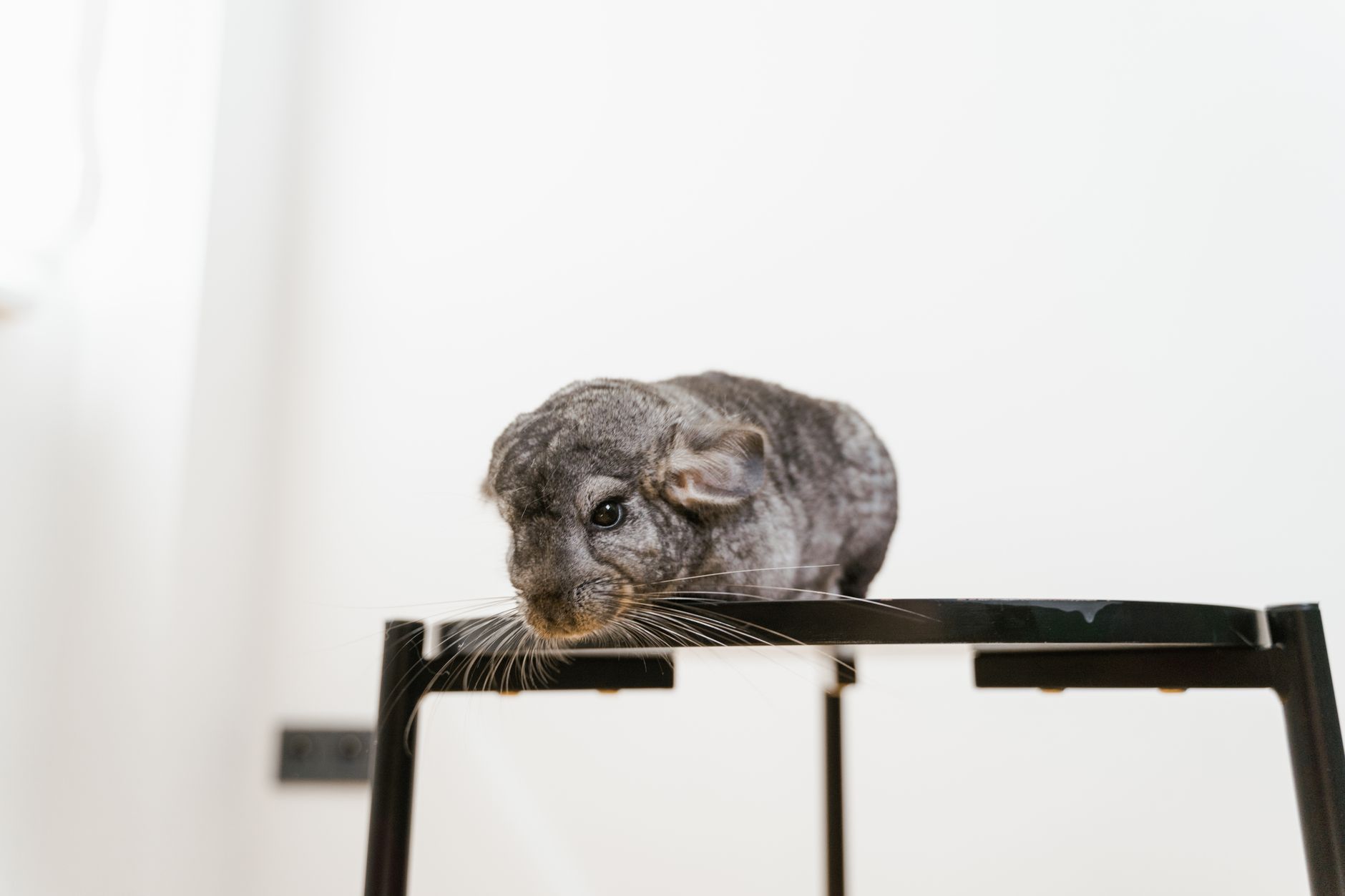
Understanding Chinchilla Grooming Biology
To understand why chinchilla dust bath stress occurs, it helps to examine their natural habitat and unique physical adaptations. Native to the high, arid Andes mountains, wild chinchillas developed extraordinarily dense coats capable of withstanding cold temperatures and high-altitude winds. Because their fur is so thick—boasting up to eighty hairs per single follicle—water cannot evaporate easily. Trapped moisture leads rapidly to dangerous fungal infections, skin rot, and severe health complications that can compromise their survival. Instead of water, chinchillas use fine volcanic ash or specially manufactured pumice powder to absorb dirt, sebum, and moisture naturally.
In the wild, dusting is an instinctive communal and individual survival mechanism. However, captive chinchillas that have experienced improper handling, loud domestic environments, or unstable housing layouts may perceive the enclosed space of a dust bath house or the swirling particles as an ambush by a predator. When an animal panics, its heart rate skyrockets, leading to cortisol spikes that compromise its immune system, disrupt digestion, and create long-term behavioral aversions.
Moreover, tactile sensitivity varies significantly among individual animals. Some chinchillas are naturally bold explorers, while others possess cautious temperaments that require gentle, methodical introductions to any new object, sound, or routine change within their environment. Understanding these nuances helps bridge the gap between instinctive fear and comfortable participation, allowing your pet to enjoy their maintenance routine safely.
Furthermore, physiological health directly impacts a chinchilla's willingness to engage in grooming rituals. Nutritional deficiencies, underlying pain, or chronic illnesses can make an animal feel vulnerable and hyper-vigilant. When an animal is not feeling 100% physically, novelty and dynamic movements around them can feel threatening. Ensuring a balanced diet rich in high-quality timothy hay, species-appropriate pellets, and limited healthy chews sets a stable foundation of wellness. By keeping physical health robust, you eliminate baseline irritability that might otherwise amplify anxiety during routine husbandry practices.
Recognizing the Signs of Dust Bath Anxiety
Pinpointing stress early allows you to modify your technique before your pet develops a lasting phobia. While healthy chinchillas squeak with excitement and roll vigorously with relaxed body language, stressed individuals exhibit distinct warning behaviors that every owner should monitor closely during grooming windows:
- Frantic Darting: Slamming against the sides of the dust container, scrambling frantically, or trying to leap out immediately in blind panic.
- Freezing or Crouching: Flattening their bodies against a corner of the bath house, refusing to move, trembling, and keeping their eyes wide with fear.
- Excessive Vocalizations: Sharp, repeated alarm barks or continuous high-pitched squeaks during bath time, signaling high distress rather than playful chatter.
- Fur Slipping: Shedding large patches of fur instantly—a biological defense mechanism triggered by extreme fear, predator simulation, or rough handling.
- Total Avoidance: Hiding frantically in a nest box or hammock whenever the dust container is placed inside the cage, or using the bath as a toilet instead of rolling.
- Grooming Avoidance: Emerging from the bath with patchy, unkempt fur because they refused to actually roll or settle in the dust.
In addition to these overt reactions, subtle behavioral changes can indicate low-grade chronic stress related to grooming. If your chinchilla approaches the dust bath container with lowered ears, stiff posture, or hesitant sniffs followed by immediate retreat, they are experiencing mild apprehension. Ignoring these subtle red flags can cause mild hesitation to escalate into severe phobic panic over time. Careful observation of body language is the single best tool an owner has to prevent long-term grooming aversions.
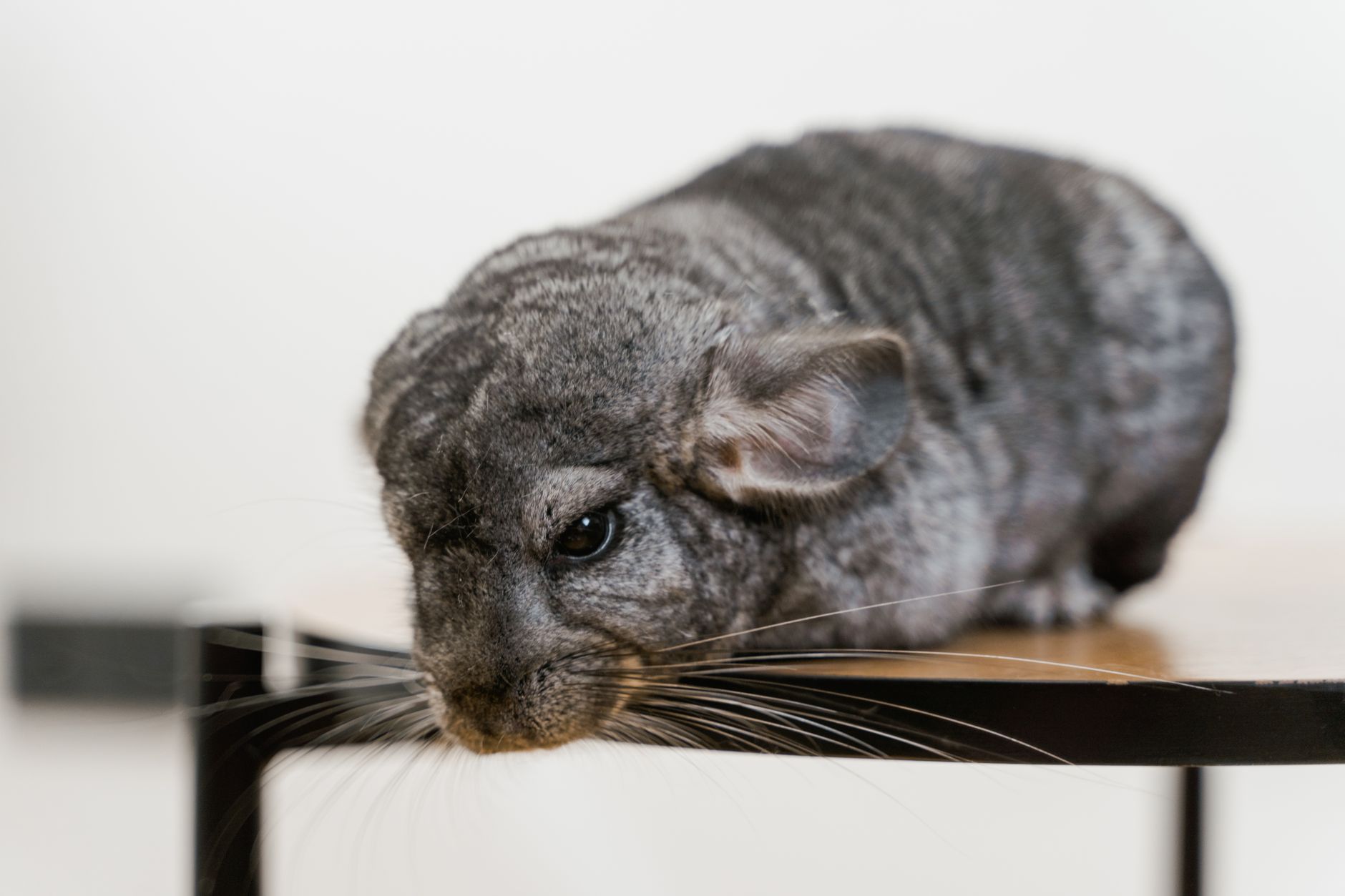
Step-by-Step Strategy to Cure Chinchilla Dust Bath Stress
Overcoming grooming anxiety requires patience, consistency, and a systematic desensitization process. Rushing an anxious animal will only reinforce its fear and make future grooming sessions even more challenging. Implementing a structured rehabilitation plan can completely transform your pet's perspective.
Step 1: Evaluate Your Dust and Container Selection
The type of materials you use plays a massive role in your pet's comfort and physical safety. Avoid generic fine sands, quartz sand, or construction dust, which are abrasive and can cause severe respiratory damage, lung irritation, and corneal abrasions. Stick exclusively to high-grade, commercially available blue slate or volcanic mountain dust specifically formulated for chinchillas.
Additionally, consider the physical container. Deep, completely enclosed plastic houses can feel like a trap for claustrophobic pets, especially if there is only a single narrow entry point. Switch to a wide-rimmed ceramic bowl, a glass fish bowl style container, or a custom wooden box with multiple wide exits so the chinchilla never feels cornered or unable to see its surroundings.
Step 2: Desensitize Through Controlled Exposure
If your chinchilla panics at the sight of the bath container, you must reintroduce it slowly through positive association. Place the empty container inside the habitat for twenty minutes daily without any dust, allowing the animal to investigate, sniff, and hop through it safely on its own terms. You can place a favorite safe chew toy or a small pinch of high-value dried herbs inside to encourage positive curiosity.
Once the pet is completely comfortable interacting with the empty vessel, sprinkle just a tiny spoonful of dust at the bottom during the next session, allowing them to step in without pressure. Gradually increase the amount of dust over several weeks until a normal dusting depth is reached. If hesitation occurs, pause progress for a few days before attempting the next increment.
Step 3: Optimize Environmental Conditions and Timing
Chinchillas are crepuscular animals, meaning they are naturally most active at dawn and dusk. Forcing a bath during the middle of the day when they want to sleep can elevate stress levels and provoke defensive behavior. Introduce the bath during their natural evening activity window in a quiet, low-traffic room. Turn off loud televisions, keep other pets out of the room, and speak in a soft, reassuring tone to establish a calm ambiance.
Establishing a predictable sequence of cues also helps. For instance, lightly tapping the side of the container at the same time every evening signals that it is safe bath time, allowing the chinchilla to transition mentally from rest to grooming mode without startling. Consistency creates a predictable universe for prey animals, which directly minimizes anxiety and panic responses.
Common Mistakes to Avoid
Even well-meaning owners can accidentally prolong chinchilla dust bath stress by making specific tactical errors during routine grooming sessions:
- Forcing Interaction: Never grab your chinchilla and place it directly into the dust pile against its will. This shatters trust, increases panic, and can trigger fur slip.
- Leaving the Dust In Too Long: Leaving the bath inside the enclosure indefinitely causes the chinchilla to use it as a litter box, soiling its fur and creating dangerous respiratory hazards from ammonia fumes. Offer the bath for 15 to 20 minutes, then remove it.
- Using Scented Dust: Avoid heavily perfumed or scented dust products marketed with artificial fragrances or lavender. Chinchillas have extremely sensitive respiratory tracts, and these additives can cause sneezing fits and breathing distress.
- Over-Bathing: Offering baths every single day can strip natural oils from the skin, leading to dry, flaky skin, scratching, and subsequent irritation that mimics stress.
- Changing Brands Abruptly: Sudden shifts in dust texture, weight, or fragrance can disorient a sensitive chinchilla. If you must switch brands, mix the old dust with the new dust gradually over a two-week transition period.
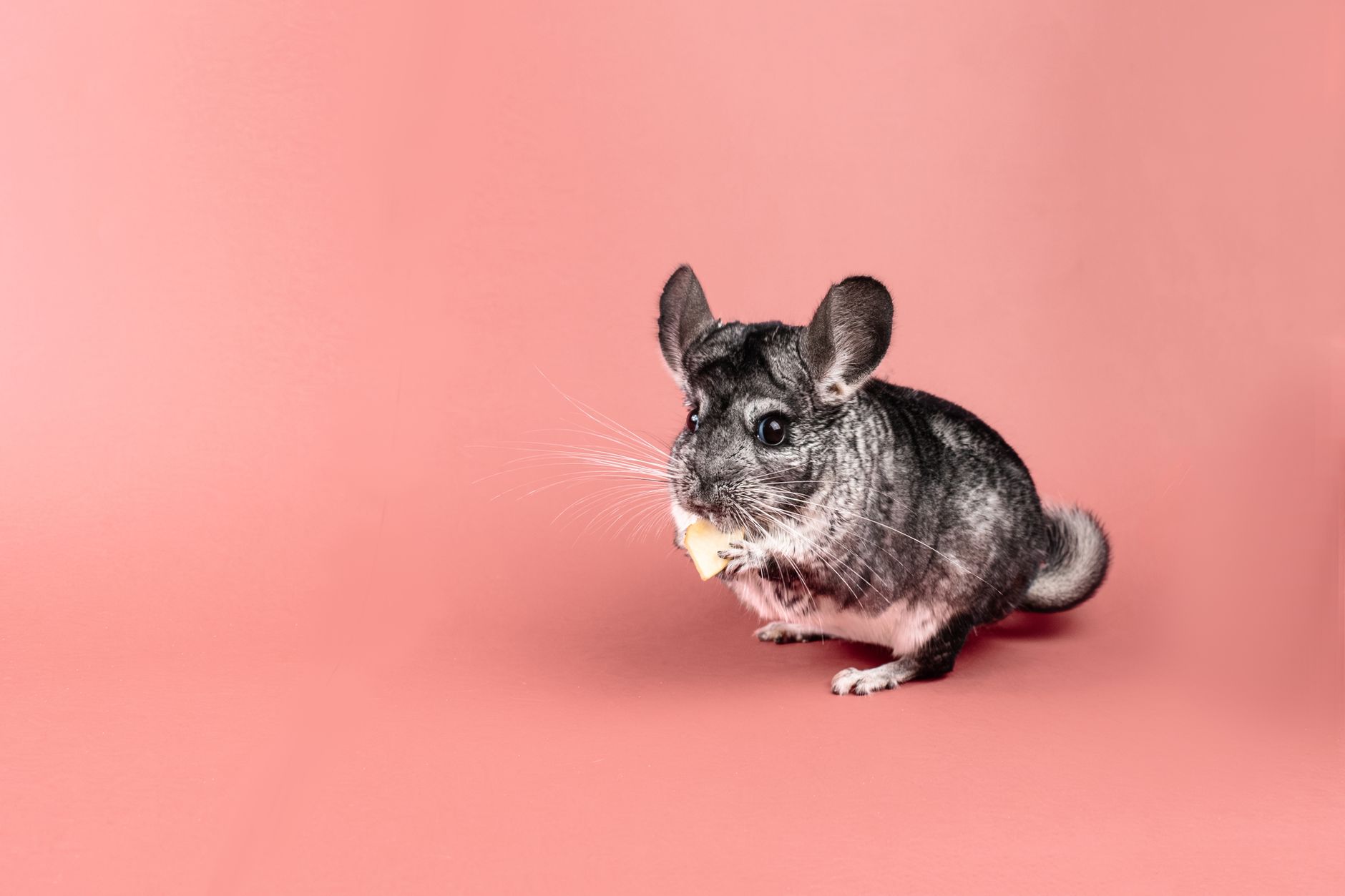
Maintaining Long-Term Grooming Confidence
Once your chinchilla overcomes its initial anxiety, maintaining a predictable routine ensures stress-free grooming for years to come. Offer baths two to three times per week—increasing frequency slightly during humid summer months when coats accumulate more moisture. Keep the dust clean by sifting out droppings and debris after every session, replacing the entire batch of dust weekly to maintain optimal hygiene.
Remember that every animal has a unique personality. While some chinchillas take enthusiastic, acrobatic baths lasting ten minutes, others prefer brief, efficient rolling sessions. Respect your pet's natural pace and focus on creating a secure, positive environment where they feel completely in control.
Monitoring your chinchilla's coat health is an excellent ongoing indicator of grooming success. A healthy, stress-free coat should feel exceptionally dense, silky, and uniform across the back, flanks, and belly, with no signs of matting, thinning patches, or dandruff. If you notice changes in coat texture, re-evaluate your bathing frequency, dust quality, and overall environmental stressors.
Creating a Stress-Free Habitat Routine
Grooming anxiety rarely exists in a vacuum; it is often tied to overall habitat comfort. To ensure your chinchilla remains relaxed during bath time, maintain a predictable daily schedule. Feed them at consistent times, clean spot areas regularly without causing major habitat disruptions, and provide ample hiding spots where they can retreat if startled.
Enrichment also plays a massive role in building confidence. Providing apple wood sticks, lava blocks, and platforms for climbing helps burn physical and mental energy. A confident chinchilla is naturally more adaptable to grooming tools, containers, and handling routines than a bored or chronically anxious animal. Furthermore, placing the habitat in a low-stress room away from constant foot traffic helps lower baseline cortisol levels.
Integrating puzzle toys, foraging mats, and safe cardboard tunnels encourages natural exploratory behaviors that make your pet feel secure in their territory. When an animal feels confident within its living space, transitional activities like dust baths become part of an enjoyable daily enrichment menu rather than terrifying intrusions.
Frequently Asked Questions
How often should a chinchilla take a dust bath?
Most chinchillas benefit from two to three dust baths per week, lasting about 15 to 20 minutes each. In extremely humid environments, you may increase this to four times a week, but avoid daily baths as they can dry out and irritate the skin.
What kind of dust is safest for chinchillas?
Always use 100% natural, high-grade volcanic ash or blue slate dust specifically manufactured for chinchillas. Never use sand, quartz, or dusty soil, as these materials can cause permanent eye damage and respiratory infections.
Why is my chinchilla sneezing after a dust bath?
Occasional sneezing right after a bath can happen as they clear minor dust particles from their nasal passages. However, persistent sneezing, wet discharge around the nose, or wheezing indicates the dust is too fine or the room lacks adequate ventilation. Switch brands or consult an exotic veterinarian immediately.
Can I leave the dust bath inside the cage permanently?
No. Leaving the bath in the cage leads to it being used as a litter box. Soiled dust ruins coat quality, promotes bacterial growth, and exposes your pet to harmful ammonia fumes. Always remove the container after your pet finishes grooming.
What should I do if my chinchilla drops its fur out of fear?
Fur slipping is a defensive reaction to extreme terror, sudden loud noises, or rough handling. If your chinchilla drops fur during a bath, immediately remove the container, leave the animal alone in a quiet room to calm down, and review your handling and desensitization steps before trying again.
How can I tell if my chinchilla actually enjoys the dust bath?
A relaxed chinchilla will dive into the dust, roll vigorously from side to side, kick its legs up in the air, and make soft, content chatter or quiet purring sounds. They will emerge looking fluffy, energetic, and completely calm.
Helpful PawPrintHub Tools
Managing a small pet involves keeping track of various care routines and supply needs. Explore our helpful interactive resources to support your pet parenting journey:
- Organize your daily care tasks with the New Pet Checklist.
- Keep track of essential grooming supplies and habitat maintenance using the Pet Grooming Planner.
- Brainstorm unique names for new additions with the Pet Name Generator.
Support free pet guides and tools.
Buy Me a Coffee
Comments
Post a Comment