
How to Care for a Dog With Sensitive Skin: A Complete Canine Dermatology and Comfort Guide
Dealing with canine dermatological flare-ups can feel like an endless cycle of scratching, licking, and restless nights for both you and your four-legged companion. Proper dog sensitive skin care requires a proactive, multi‑faceted approach that addresses everything from environmental triggers to grooming habits and nutritional support. When your dog's skin barrier is compromised, simple everyday elements like dust, pollen, certain fabrics, or harsh grooming products can lead to redness, irritation, and secondary infections. This comprehensive guide will walk you through practical strategies to soothe your dog's discomfort, optimize their daily routine, and maintain a healthy, resilient coat.
To truly master canine skin wellness, it helps to understand that the skin is the largest organ of the body. It serves as a complex ecosystem populated by beneficial microflora, lipid barriers, and sensory nerves. When this delicate ecosystem is thrown out of balance, your dog experiences intense pruritus (the medical term for itching), which triggers compulsive scratching. This mechanical damage further breaks down the epidermal layer, inviting bacteria and yeast to colonize the compromised tissue. Breaking this vicious cycle requires patience, consistency, and a deep commitment to gentle, targeted care strategies tailored specifically to your dog's unique physiology.
Understanding Canine Skin Sensitivity and Underlying Causes
Before diving into management techniques, it is essential to understand why some dogs struggle with persistent skin issues while others remain completely unaffected. The canine skin barrier acts as the primary defense mechanism against external pathogens, allergens, and moisture loss. When this barrier weakens, moisture escapes easily, and irritants penetrate deeply, triggering an inflammatory immune response that manifests as redness, heat, scales, and constant scratching.
Common culprits behind sensitive skin include environmental allergies (atopic dermatitis), flea saliva, contact irritants from household cleaners, and adverse food reactions. Observing your dog's specific patterns can offer valuable clues. Does the itching worsen during specific pollen seasons? Do they chew primarily at their paws, belly, or base of their tail? Documenting these details helps you and your veterinarian pinpoint the underlying root causes.
Furthermore, canine genetics play a significant role. Breeds such as West Highland White Terriers, Golden Retrievers, Boxers, French Bulldogs, and German Shepherds are notoriously predisposed to cutaneous sensitivities. Understanding your breed's specific predisposition allows you to implement preventative measures long before a severe flare‑up occurs. Whether dealing with an inherited tendency or an acquired sensitivity, establishing a steadfast daily routine is paramount. Environmental factors like low humidity, indoor heating, and exposure to urban pollutants can also exacerbate baseline sensitivities, making year‑round management essential for your dog's long‑term peace and comfort.
Establishing a Gentle Grooming Routine
Grooming plays a monumental role in dog sensitive skin care. However, traditional grooming products and techniques can sometimes do more harm than good if they strip the skin of its natural protective oils. Choosing the right products and frequency is crucial for maintaining skin integrity.
Selecting Hypoallergenic Shampoos and Conditioners
Avoid harsh, heavily fragranced human shampoos or cheap pet products containing artificial dyes and harsh detergents like sodium lauryl sulfate. Instead, opt for vet‑recommended hypoallergenic, soap‑free formulas containing soothing ingredients like colloidal oatmeal, aloe vera, and chamomile. These ingredients help lock in moisture while gently calming localized inflammation without disrupting the skin's natural pH balance, which is more alkaline in dogs than in humans.
Bathing Technique and Water Temperature
Hot water can exacerbate itching by stripping away vital oils and dilating blood vessels, which increases inflammation and redness. Always use lukewarm water when bathing a dog with sensitive skin. Massage the shampoo gently into the coat rather than scrubbing aggressively, and ensure you rinse thoroughly. Any leftover shampoo residue can act as a magnet for dirt and cause severe irritation as it dries. Towel dry your dog by patting rather than rubbing their coat vigorously, and consider using a cool setting on a pet hair dryer if necessary.
Brushing Frequency and Technique
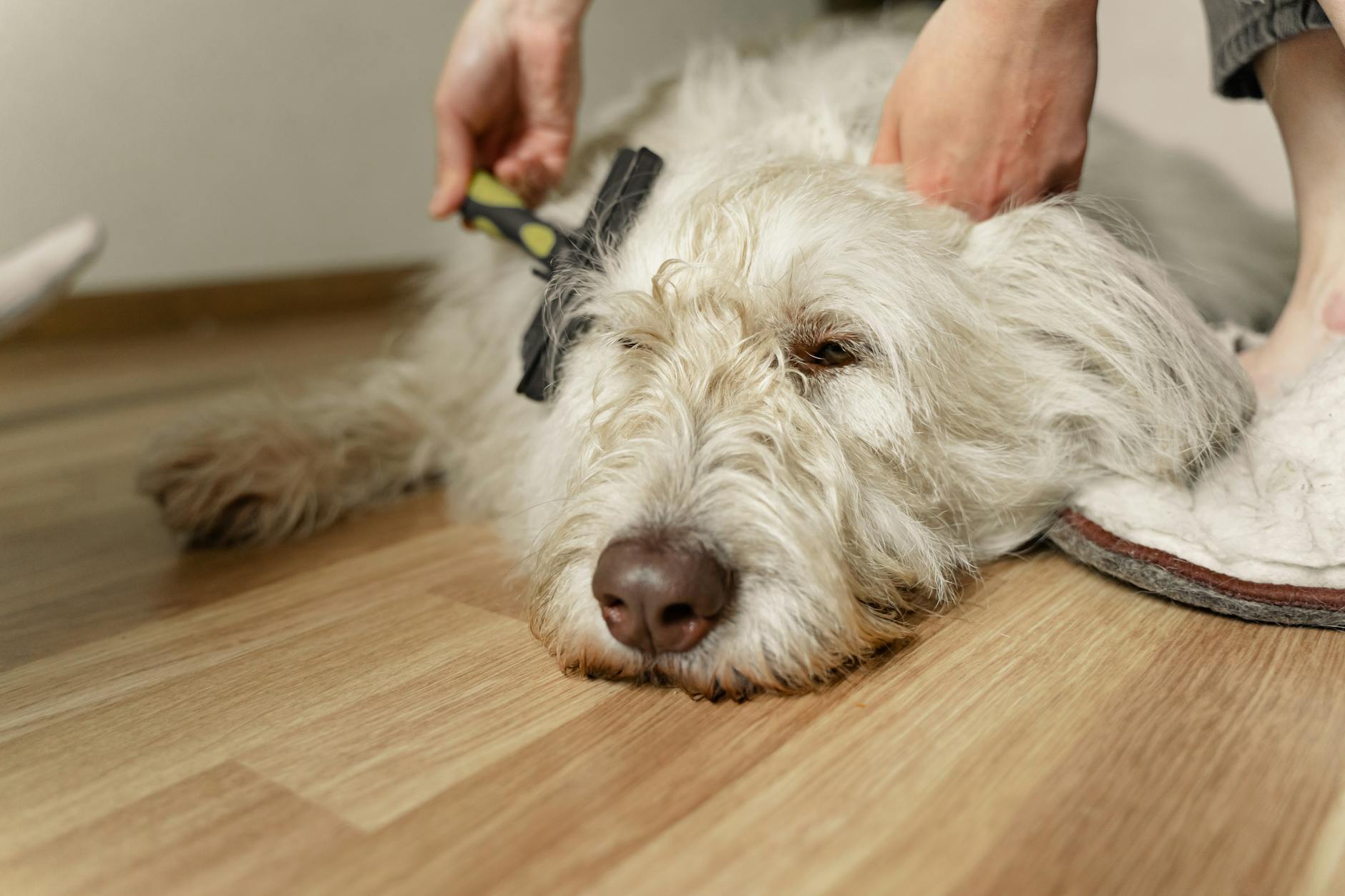
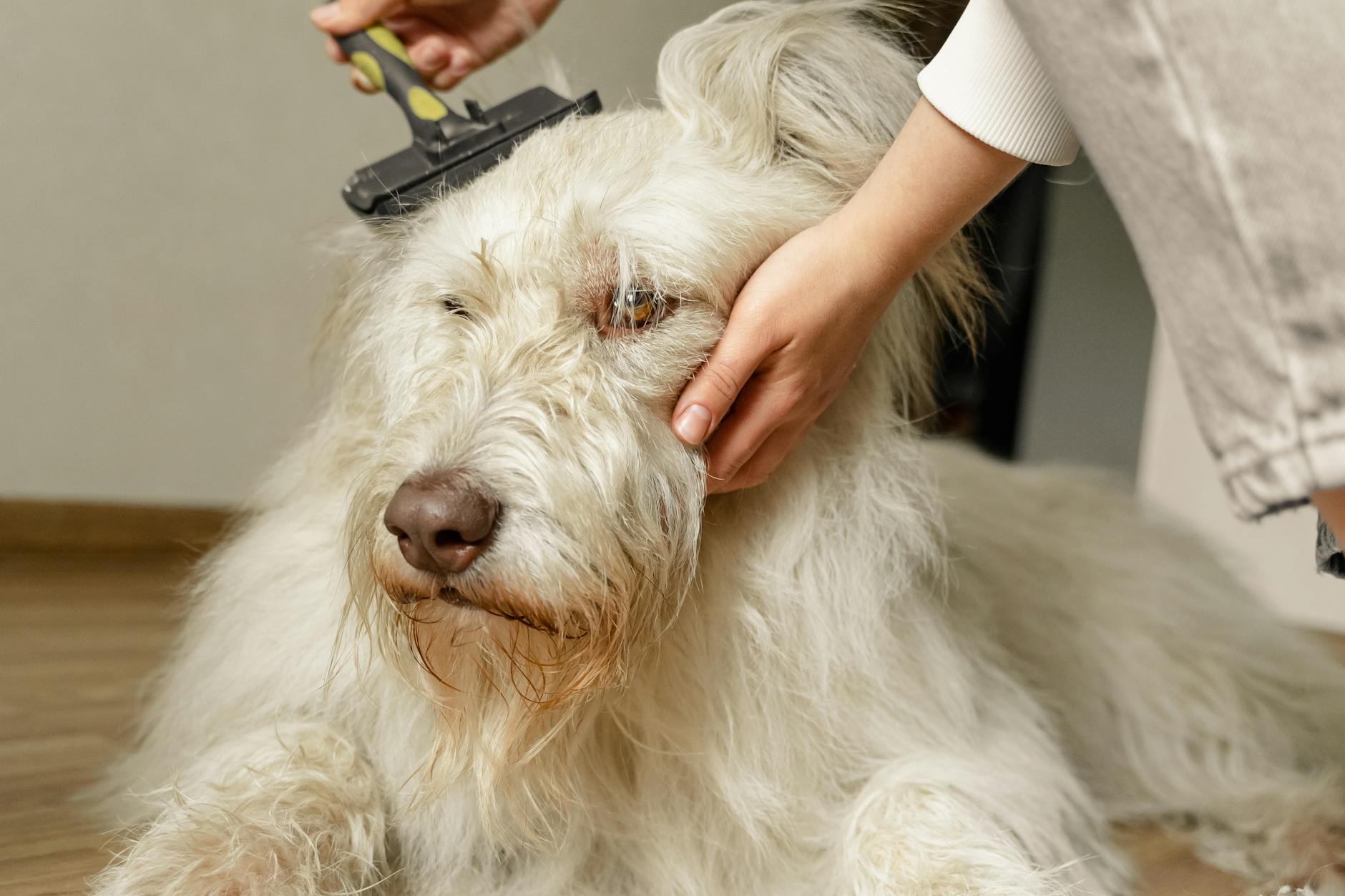
Regular brushing distributes natural skin oils evenly across the coat, removes trapped debris, and prevents painful mats that can trap moisture and bacteria against the skin. Use soft‑bristle brushes or rubber curry combs designed for sensitive skin types, and keep brushing sessions short and positive. Introduce treats and praise so your dog associates grooming with a pleasant bonding experience rather than stress. Daily brushing also gives you an opportunity to check for ticks, fleas, and emerging hot spots.
Species‑Specific Tips: For double‑coated breeds like Golden Retrievers, brush undercoat first with a slicker brush to avoid pulling. For short‑haired breeds such as Boxers, a rubber grooming glove works well to remove loose hair without irritating the skin.
Optimizing Nutrition for Skin Barrier Repair
Healthy skin starts from the inside out. Nutritional deficiencies can severely impair skin health, leading to a dull coat, flaking, and heightened sensitivity. Ensuring your dog receives a balanced, high‑quality diet tailored to their life stage is a cornerstone of effective skin management.
Essential fatty acids, particularly Omega‑3 and Omega‑6 fatty acids, play a monumental role in reducing systemic inflammation and reinforcing the lipid barrier of the skin. Fish oil supplements, rich in EPA and DHA, are frequently recommended by veterinarians to support canine skin health and reduce pruritus. If you are unsure about exact portion control while adjusting diets or adding supplements, you can utilize the Pet Food Portion Calculator to ensure balanced daily caloric intake.
Additionally, keeping track of your dog's overall physical condition and ensuring they stay within a healthy weight range helps prevent skin folds from trapping moisture and bacteria, which is particularly common in breeds like Bulldogs, Pugs, and Mastiffs. You can monitor their physical fitness using the Pet Healthy Weight Checker regularly. High‑quality protein sources, optimal zinc levels, and vitamins A and E are also vital nutritional components that support cellular repair and collagen synthesis in the epidermis.
Practical Feeding Example: A 30‑lb Golden Retriever with mild atopic dermatitis may benefit from a diet containing 3 % fish oil (approximately 300 mg EPA/DHA per day) plus a commercial kibble formulated with limited ingredients and added biotin. Split the daily dose into two meals to improve absorption and reduce gastrointestinal upset.
Environmental Management and Allergen Reduction
Reducing your dog's exposure to common household allergens can drastically minimize skin flare‑ups. Environmental adjustments do not require a complete lifestyle overhaul, but consistent habits make a significant difference in your dog's daily comfort level.
- Frequent Bedding Washes: Wash your dog's bedding weekly using hypoallergenic, fragrance‑free laundry detergents to eliminate dust mites, pollen, and residual dander that accumulate over time.
- Air Filtration: Utilize HEPA air purifiers in rooms where your dog spends the most time to capture airborne allergens, mold spores, and reduce overall indoor particulate matter.
- Paw Wiping Post‑Walk: After outdoor excursions, wipe your dog's paws and underbelly with a damp microfiber cloth or pet‑safe hypoallergenic wipe to remove grass pollen, dust, and potential chemical lawn treatments.
- Hard Surface Flooring Maintenance: Whenever possible, favor hard flooring over wall‑to‑wall carpeting in dog‑heavy areas, as carpets harbor dust mites, mold spores, and chemical residues that trigger contact dermatitis.
- Climate Control: Maintain stable indoor humidity levels between 30 % and 50 % using humidifiers in winter and dehumidifiers in humid summer months to prevent dry skin or moisture‑loving microbial overgrowth.
- Seasonal Clothing: In cold, windy climates, consider a lightweight, breathable dog sweater to shield the skin from wind‑burn and reduce moisture loss.
Common Mistakes to Avoid in Sensitive Skin Care
When trying to provide relief for an uncomfortable dog, well‑meaning pet parents often make mistakes that inadvertently worsen the problem. Avoid these common pitfalls to ensure steady recovery:
- Over‑Bathing: Bathing too frequently can strip away necessary natural oils, even with mild shampoos. Stick to a schedule recommended by your veterinarian or groomer.
- Using Human Medications: Never administer human topical creams, steroids, or antihistamines unless explicitly prescribed and dosed by a licensed veterinarian, as many human formulations are toxic or worsen canine skin issues.
- Ignoring Flea Prevention: Even a single flea bite can trigger a severe allergic reaction (flea allergy dermatitis) in sensitive dogs. Maintain year‑round preventative care without exception.
- Sudden Diet Changes: Switching foods abruptly can upset your dog's gastrointestinal tract and trigger immune responses that manifest on the skin. Always transition foods slowly over a 7‑to‑10‑day period.
- Neglecting Ear Care: Dogs with sensitive skin often suffer from concurrent ear infections due to inflamed ear canals. Routine, gentle ear checks prevent painful buildup and yeast infections.
- Delaying Veterinary Care: Waiting weeks for home remedies to work on an infected, bleeding skin lesion allows bacteria to penetrate deeper tissues, complicating treatment.
- Using Rough Grooming Tools: Metal combs or stiff brushes can create micro‑abrasions. Opt for soft‑bristle or silicone tools designed for sensitive skin.

Step‑by‑Step Daily Routine for Sensitive Skin Management
Implementing a structured daily regimen can drastically reduce flare‑ups and keep your dog comfortable throughout the changing seasons. Follow this practical checklist to maintain optimal epidermal health:
- Morning Assessment: Check your dog's paws, face, and belly for signs of redness, moisture, or active chewing during breakfast. Look for any new rashes or hot spots.
- Post‑Walk Hygiene: Wipe paws and underbelly immediately after coming indoors from grassy or wooded areas to remove surface irritants and prevent allergen absorption.
- Evening Grooming: Spend five minutes brushing your dog with a soft‑bristle brush to distribute oils, check for parasites, and remove trapped outdoor debris and loose fur.
- Moisturizing Spot Treatment: Apply a veterinarian‑approved soothing spray or balm (e.g., a colloidal oatmeal spray) to any localized dry patches before bedtime.
- Bedtime Inspection: Ensure sleeping areas are clean, dry, and free of moisture or stray treats that could attract bacteria, providing a clean sanctuary for overnight rest.
- Weekly Bathing Schedule: On a designated day, give a therapeutic bath using a hypoallergenic, oatmeal‑based shampoo. Follow with a conditioner containing ceramides to reinforce the skin barrier.
Consistency is key—missing a step occasionally is fine, but aim for a routine that becomes second nature for both you and your dog.
Professional Veterinary Dermatology Guidance
While at‑home management is essential for long‑term comfort, chronic or severe skin conditions require professional veterinary oversight. If your dog exhibits signs of acute distress, skin infections, or unmanaged pain, veterinary medicine provides advanced diagnostic and therapeutic options. A veterinarian may perform skin scrapings, cytology tests, bacterial cultures, or intradermal allergy testing to identify exact triggers. Prescription‑strength therapies, including targeted anti‑inflammatory medications, specialized prescription diets, or immunotherapy (allergy shots), can provide profound relief when over‑the‑counter methods fall short. Always partner with your veterinarian to formulate a comprehensive, individualized treatment plan tailored to your dog's specific medical history and lifestyle.
When to Seek Immediate Care: Rapidly spreading redness, oozing lesions, foul odor, or signs of systemic illness (fever, lethargy) warrant urgent veterinary attention.
Educational Disclaimer
Disclaimer: This article is for informational and educational purposes only and does not constitute veterinary medical advice. Always consult a qualified veterinarian for an accurate diagnosis, specialized testing, and a personalized treatment plan if your dog is suffering from chronic skin issues, severe itching, hair loss, or signs of infection.
Frequently Asked Questions
How can I tell if my dog has sensitive skin or a food allergy?
Environmental allergies often cause seasonal itching, paw chewing, and face rubbing, whereas food allergies typically cause year‑round itching, chronic ear infections, and gastrointestinal signs. A strict veterinary elimination diet trial is required to definitively diagnose a food allergy.
How often should I bathe a dog with sensitive skin?
Most dogs with sensitive skin benefit from bathing every two to four weeks, though some may require more frequent therapeutic baths prescribed by a veterinarian. Always use a gentle, moisturizing, soap‑free shampoo.
Are Omega‑3 supplements helpful for itchy dogs?
Yes, Omega‑3 fatty acids found in fish oils possess natural anti‑inflammatory properties that help nourish the skin barrier, reduce itching, and promote a glossy coat over time.
Can stress cause skin problems in dogs?
Yes. Anxiety and chronic stress can lead to compulsive behaviors like excessive licking, chewing, or scratching, which directly damages the skin barrier and leads to secondary infections like hot spots.
When should I take my dog to the vet for itching?
You should schedule a veterinary visit if the itching disrupts your dog's sleep or daily activities, if you notice raw or bleeding skin, foul odors, hair loss, or if home care remedies do not provide relief within a few days.
What laundry detergent should I use for my dog's bedding?
Always use a hypoallergenic, fragrance‑free, dye‑free laundry detergent. Residual chemicals in standard detergents frequently trigger contact dermatitis in sensitive canines.
Can dry indoor air cause my dog to itch during winter?
Yes, indoor heating during winter significantly lowers humidity levels, which can dry out your dog's skin. Using a home humidifier and adding Omega‑3 supplements can help mitigate winter dryness.
How do I safely introduce a new hypoallergenic diet?
Gradually mix a small amount of the new food with the current diet, increasing the new portion by 10‑20 % each day over 7‑10 days. Monitor for changes in coat quality, stool consistency, and itching levels.
Is it okay to use coconut oil on my dog's skin?
In small amounts, virgin coconut oil can provide moisturizing benefits, but it should be applied only to localized dry patches and avoided on open wounds or areas prone to bacterial overgrowth.
Helpful PawPrintHub Tools
To help you maintain your dog's overall health and daily care routine, explore these free tools on PawPrintHub:
- Pet Food Portion Calculator: Calculate exact daily feeding amounts to support balanced nutrition and weight maintenance.
- Pet Healthy Weight Checker: Monitor your dog's body condition score and keep them at an optimal, healthy weight.
Support free pet guides and tools.
Buy Me a Coffee
Comments
Post a Comment