
How to Cure Dog Coat Dullness: A Complete Canine Grooming and Nutritional Routine
A lustrous, vibrant coat is often the absolute first indicator of a healthy, thriving dog. When a canine's fur loses its natural sheen, feeling rough, brittle, or lack-luster, it can be deeply concerning for dedicated pet owners. Addressing dog coat dullness requires a comprehensive, multi-faceted approach that looks far beyond surface-level aesthetics, digging deep into proper nutrition, tailored grooming habits, and routine health maintenance. Whether your canine companion is experiencing seasonal shedding fallout, weather-induced dryness, or a persistent lack of natural shine, implementing a structured, science-backed care plan can completely transform their exterior health and physical comfort.
Dogs communicate their internal well-being through their skin and hair. When the body experiences stress, nutritional shortfalls, or environmental shifts, resources are immediately diverted away from the hair follicles to support vital internal organs. Consequently, the coat becomes the first casualty of imbalance. Understanding this delicate biological connection empowers pet parents to troubleshoot minor coat issues before they escalate into chronic dermatological challenges. Every single hair on your dog's body is anchored in a follicle intricately supplied with blood vessels and sebaceous glands, making skin and coat wellness a true window into overall canine health.
Many owners mistakenly assume that a dull coat is simply cosmetic, requiring nothing more than a quick spritz of scented shine spray. However, treating only the surface symptoms while ignoring nutritional gaps, internal dehydration, or improper bathing habits is a recipe for chronic skin irritation. By taking a methodical, step-by-step approach to canine wellness, you can easily restore your dog's natural vitality, ensuring they look vibrant, feel comfortable, and enjoy optimal physical health year-round.

Understanding the Root Causes of Dull Fur in Dogs
Before you can effectively treat lifeless canine fur, you must accurately identify what is causing the decline in coat quality. A dog's hair is primarily composed of a fibrous structural protein known as keratin, meaning its condition directly reflects internal wellness and metabolic efficiency. When essential nutrients are restricted or diverted away from the skin and hair follicles, the fur quickly becomes dry, coarse, brittle, and profoundly dull. Furthermore, the skin acts as the body's largest organ, meaning it is often the very last to receive nutrients during times of stress, yet the very first to show visible signs of distress.
Common culprits behind a lackluster coat include nutritional deficiencies, inadequate hydration, infrequent or incorrect grooming practices, environmental stressors, and underlying dermatological conditions. For example, commercial or home-cooked diets lacking sufficient essential fatty acids—specifically Omega-3 and Omega-6—frequently result in a compromised, dry, flaky skin barrier and dull hair shafts that fail to reflect light properly. Furthermore, harsh commercial shampoos that strip away natural sebum can leave the coat completely unprotected against the elements, wind, and dry indoor heating. Dogs exposed to secondhand smoke, heavy environmental pollutants, or fluctuating indoor temperatures often develop compromised cuticles that trap dirt and lose their natural gloss.
Seasonal coat changes also play a massive role in perceived dullness. During shedding seasons (typically spring and autumn), dogs drop their dense undercoats. Trapped dead hairs mixing with the active topcoat can create a frizzy, matte appearance that mimics true coat dullness. Differentiating between a standard seasonal blow-coat phase and true nutritional or health-related dullness is the crucial first step toward selecting the correct remediation strategy. For instance, a double-coated breed like a Siberian Husky or Golden Retriever undergoes massive hormonal shifts during shedding periods, pushing out dead guard hairs and undercoat en masse. If these dead hairs are not manually removed through consistent, high-frequency brushing, they remain trapped within the active coat, diffusing light and making the entire animal look dull, dusty, and unkempt.
Additionally, microscopic ectoparasites such as fleas, ticks, lice, and demodectic mites can wreak absolute havoc on a dog's skin and coat integrity. As these parasites feed and irritate the skin, dogs scratch, bite, and chew obsessively. This physical trauma damages individual hair shafts, splits ends, introduces secondary bacterial or fungal infections, and strips away the protective lipid layer. Consequently, a comprehensive investigation into any dull coat syndrome must always rule out parasitic activity alongside nutritional and environmental factors.
The Nutritional Foundation: Feeding for a Glossy Coat
True, lasting coat transformation always starts from the inside out. If your dog's daily diet is missing core nutritional building blocks, topical treatments, expensive conditioners, and daily brushing will only ever offer temporary, superficial relief. Ensuring your beloved pet receives high-quality, bioavailable proteins and targeted dietary fats is absolutely essential for restoring natural vibrancy and hair elasticity. Without a steady supply of amino acids—particularly sulfur-containing amino acids like methionine and cysteine—the body cannot synthesize robust keratin proteins, resulting in thin, weak, and brittle hair strands.
When reviewing your dog's daily menu, look closely at the ingredient panel. Premium animal-based proteins—such as deboned chicken, lamb, turkey, beef, or whole fish—should always occupy the top positions, rather than heavy plant-based fillers like corn, wheat, or soy derivatives that lack the complete amino acid profile dogs require. To fine-tune portions and ensure your dog meets their precise daily energy and nutrient requirements without triggering weight gain or nutritional imbalances, you can utilize the Pet Food Portion Calculator to determine exact daily feeding amounts based on your dog's exact age, weight, and daily activity level.
Additionally, incorporating safe, high-grade sources of healthy dietary fats can dramatically improve fur texture and gloss within just a few weeks of consistent use. Wild-caught marine oils (such as sustainably sourced salmon, anchovy, and sardine oil) provide concentrated, highly bioavailable doses of EPA (eicosapentaenoic acid) and DHA (docosahexaenoic acid). These essential Omega-3 fatty acids actively reduce systemic cellular inflammation in the dermal layers and fortify the intercellular lipid barrier, locking in moisture and smoothing down the hair cuticle so it reflects light brilliantly. Plant-based options like cold-pressed flaxseed oil or hemp seed oil can also offer balanced alpha-linolenic acid, supporting overall cutaneous health and reducing dry skin flaking.
Micronutrients also play a supporting role in canine coat health. Zinc, vitamin A, vitamin E, and B-complex vitamins (especially biotin and niacin) are critical cofactors in enzymatic reactions responsible for cell division in hair follicles and sebum production. Zinc deficiency, in particular, is notorious for causing scaly skin, hair loss, and a dull, coarse coat—a condition frequently observed in northern breeds like Alaskan Malamutes and Siberian Huskies due to genetic absorption challenges. Ensuring your dog's complete and balanced commercial diet meets AAFCO nutrient profiles, or formulating a home-cooked diet alongside a qualified veterinary nutritionist, prevents these subtle yet damaging micronutrient gaps.
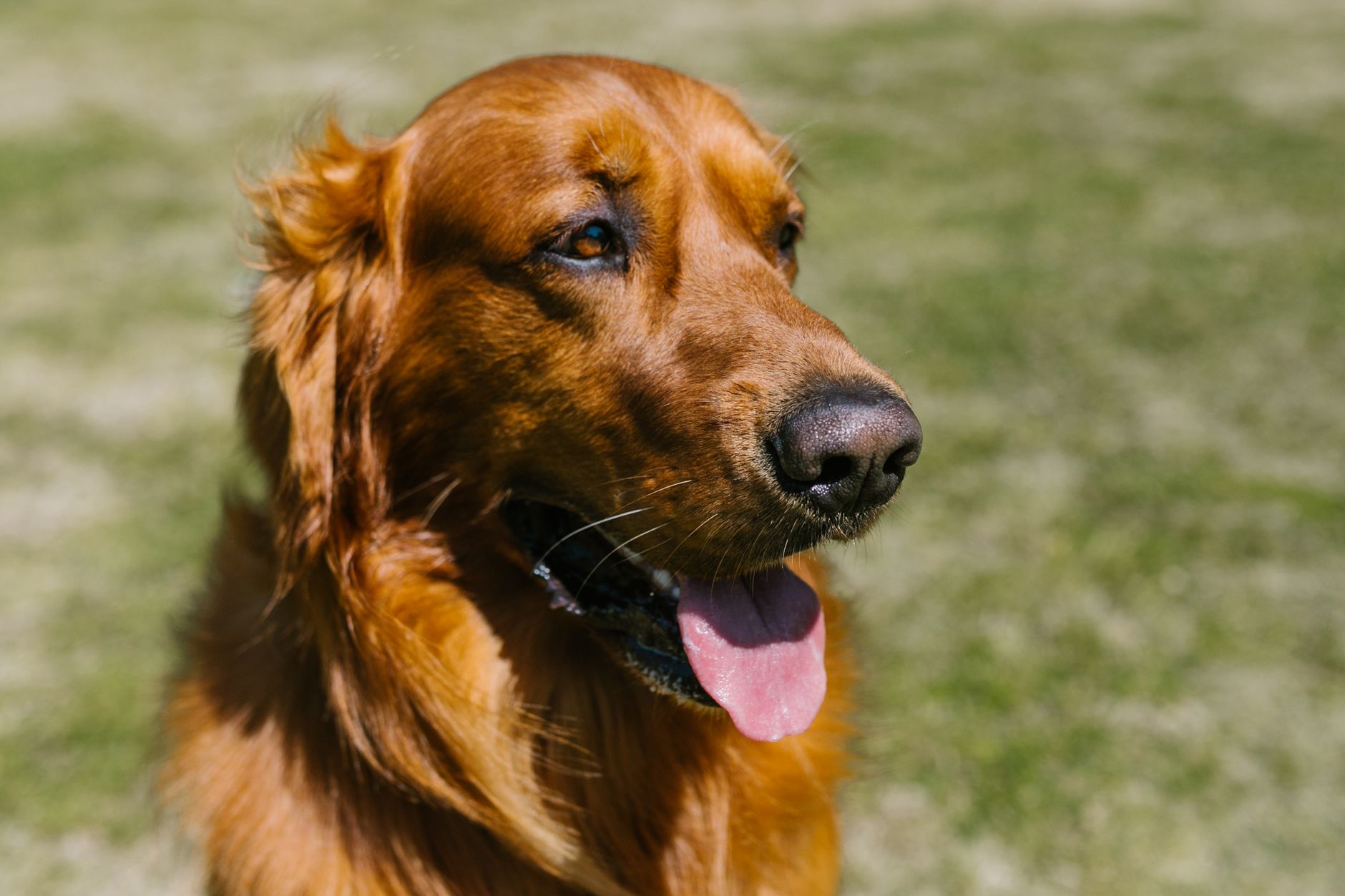
Developing a High-Performance Grooming Routine
Grooming plays a monumental, irreplaceable role in distributing natural sebum oils evenly across your dog's skin and down the entire length of their hair shafts. Many well-meaning owners brush their pets infrequently, rely on the wrong tools for their specific hair type, or brush only the surface level, which completely fails to remove trapped dirt, dead undercoat hairs, dander, and microscopic debris that dull overall appearance.
A proper, high-performance grooming routine involves regular, methodical brushing sessions tailored precisely to your dog's specific coat architecture—whether they boast a short single coat, a plush double coat, a curly non-shedding coat, or a harsh wire coat. Slicker brushes, rubber curry mitts, bristle brushes, and stainless steel undercoat rakes each serve unique, indispensable purposes in stimulating dermal blood circulation and clearing away spent hair. To keep your maintenance schedule strictly on track and prevent matting or dull accumulation, scheduling sessions with the Pet Grooming Planner helps ensure you never miss a vital brushing, conditioning, or deshedding window.
When executing your brushing sessions, adopt the line-brushing technique for medium and long-haired breeds (such as Golden Retrievers, Collies, and Australian Shepherds). Part the hair down to the skin with one hand while gently brushing the hair outward and down in small sections with the other. This guarantees that tangles near the root are prevented, debris is eliminated before it can compact into mats, and natural oils are stimulated from the dermal papilla all the way to the tip of the hair shaft. For short-coated breeds like Boxers, Pugs, or Beagles, a rubber curry mitt used in circular motions gently massages the skin, lifts out dead hairs, and polishes the topcoat to a brilliant shine.
Consistency is key when executing your grooming protocol. Daily 5-to-10-minute maintenance brushing is vastly superior to a single exhausting, marathon grooming session once every two weeks. Regular brushing not only enhances physical appearance by boosting natural gloss and removing dead debris, but it also provides an incredible opportunity for pet parents to inspect the skin closely for early signs of lumps, bumps, parasites, hot spots, or unusual skin discoloration.
Bathing Practices That Preserve Natural Oils
While keeping your dog clean and smelling fresh is important for domestic harmony, over-bathing or utilizing harsh human shampoos can completely strip away protective sebum oils, leading directly to chronic dryness, itching, and severe coat dullness. Opt instead for gentle, moisturizing canine-specific shampoos formulated with colloidal oatmeal, organic aloe vera, or natural botanical oils like coconut, jojoba, and shea butter. These ingredients clean the hair shaft effectively without disrupting the skin's delicate acid mantle.
Always rinse your dog's fur thoroughly with lukewarm water until the runoff is completely clear. Ensuring no soapy residue or shampoo foam remains is critical; leftover chemical residue acts like a magnet for airborne dust, dirt, and pollution, creating a sticky, lifeless film that ruins coat shine and attracts bacteria. Finish with a hydrating dog conditioner or leave-in botanical spray if your dog's breed is prone to extreme dryness, static electricity, or weather-induced brittleness. Gently towel dry your dog rather than rubbing aggressively, as rough towel friction can fray delicate hair cuticles and cause breakage.
Hydration and Environmental Factors
Internal moisture is just as vital to hair vitality as topical care. Chronic dehydration quickly manifests on the exterior as dry, tight skin, static-prone fur, and brittle hair shafts that snap easily under minimal tension. Ensuring your canine companion always has unrestricted access to fresh, clean, oxygenated water is entirely non-negotiable. If your dog is naturally reluctant to drink adequate amounts of water throughout the day, you can evaluate and track their daily intake using the Pet Water Intake Calculator to monitor their hydration status effectively and prevent sub-clinical dehydration.
Environmental factors also exert a massive influence on coat health. Low indoor humidity during harsh winter months (caused by central heating systems) and excessive direct sun exposure during scorching summer afternoons can rapidly sap natural moisture reserves directly from the hair cuticle. Utilizing cool-mist humidifiers indoors during winter, providing shaded, ventilated resting areas outdoors, and wiping down your dog's coat with a damp microfiber cloth after outdoor adventures will protect their hair cuticle from oxidative environmental damage.
Furthermore, indoor climate control can cause static electricity to build up in canine fur, making individual hairs repel each other and creating a frizzy, dull appearance. Adding a humidifier to your living space, utilizing anti-static grooming sprays containing natural humectants, and ensuring your dog's diet contains adequate moisture (such as incorporating wet food toppers or bone broth) will keep both their internal hydration levels and external coat texture in peak condition.

Common Mistakes to Avoid When Treating Dull Coats
When pet owners notice a sudden or gradual dulling of their dog's coat, they frequently panic and make well-intentioned mistakes that can inadvertently worsen the underlying issue. Avoiding these common pitfalls will save you valuable time, financial resources, and protect your dog's sensitive, reactive skin:
- Over-supplementing without veterinary guidance: Dumping random vitamins, heavy oils, and calcium powders onto food can create severe nutritional imbalances or trigger acute digestive upset and pancreatitis. Always introduce new supplements gradually and calculate dosages accurately based on body weight.
- Using harsh human hair products: Human shampoos and conditioners are formulated for a completely different pH balance than canine skin. Using human products rapidly damages the protective acid mantle, causing severe dryness, flaking, and dull fur.
- Aggressive brushing and incorrect tools: Using sharp wire slicker brushes too aggressively or pressing down with excessive force can fracture delicate hair shafts, cause painful skin abrasions, and create a frizzy, ruined texture.
- Ignoring internal health signals: Focusing exclusively on expensive topical shine sprays and cosmetic conditioners while ignoring poor baseline nutrition or hidden illness will never yield lasting results.
- Neglecting parasite prevention: Fleas, ticks, and microscopic mites drain essential nutrients and cause constant scratching, which severely damages hair integrity and destroys coat shine.
- Bathing too frequently: Submerging your dog in water and soap every few days strips away natural sebum, leading to severe cutaneous dryness and a chronically dull, lifeless coat.
When to Seek Professional Veterinary Help
Disclaimer: The following information is educational and does not under any circumstances replace professional veterinary care, diagnosis, or clinical treatment.
If your dog's coat dullness persists stubbornly despite consistent, dedicated improvements in diet, grooming routines, and hydration, it may be a clear warning sign of an underlying medical condition. Hormonal and endocrine imbalances—such as canine hypothyroidism or Cushing's disease—are notorious for causing dramatic, symmetrical hair loss, coarseness, and severe coat dullness. Furthermore, chronic food allergies, environmental allergies (atopy), parasitic infestations (such as demodectic or sarcoptic mange), and systemic organ illnesses can all manifest primarily through poor hair quality.
Schedule a comprehensive veterinary diagnostic checkup promptly if you notice accompanying clinical symptoms such as excessive, non-seasonal hair loss, red, inflamed, or thickened skin, persistent scratching, biting, or licking of paws, unexplained lethargy, weight fluctuations, or unusual, foul skin odors. Blood panels, skin scrapings, and allergy testing can quickly identify internal root causes that home care cannot resolve. Early intervention by a licensed veterinarian ensures your dog receives targeted medical treatment before minor coat dullness evolves into a severe, painful dermatological crisis.
Frequently Asked Questions
How long does it take for a dog's coat to become shiny after changing food?
Most healthy dogs show noticeable, visible improvements in coat texture, softness, and shine within 4 to 6 weeks of transitioning to a premium, high-quality diet rich in essential fatty acids and bioavailable animal proteins, as this timeline closely aligns with the natural dermal cell turnover and hair growth cycle.
Can adding raw eggs to my dog's food cure a dull coat?
While eggs contain wonderful beneficial proteins and biotin, raw egg whites contain a protein called avidin, which binds to biotin and can induce a deficiency over time. Cooked eggs served in strict moderation can be a fantastic, healthy treat, but formulated commercial omega supplements or veterinary-approved oils are far safer and more reliable for targeting coat dullness.
Are certain dog breeds more prone to dull coats than others?
Yes, absolutely. Breeds with dense, complex double coats or specific genetic skin sensitivities—such as Siberian Huskies, Golden Retrievers, German Shepherds, and Alaskan Malamutes—require meticulous, specialized grooming and targeted fatty acid supplementation to maintain their weather-resistant, brilliant natural sheen throughout changing seasons.
How often should I bathe my dog to maintain a healthy, shiny coat?
Most healthy dogs with normal skin function benefit greatly from a structured bath schedule every 4 to 6 weeks. Bathing too frequently strips vital protective oils and causes dullness, while bathing too infrequently allows environmental dirt, sebum buildup, and dander to accumulate and dull the fur.
Does regular brushing really make a dog's coat noticeably shinier?
Yes, without a doubt! Regular, correct brushing physically stimulates the sebaceous glands nestled within the dermal layer of the skin to produce and evenly distribute natural oils down the entire length of each individual hair shaft, creating an instant, natural gloss and preventing painful matting.
Can stress cause a dog's fur to become dull and brittle?
Yes, chronic psychological or physiological stress elevates cortisol levels in dogs, which constricts blood vessels supplying the skin and hair follicles. This restriction of nutrients can lead to sudden shedding, dry skin, and a visibly dull, lifeless coat during stressful life events.
Helpful PawPrintHub Tools
To support your ongoing journey in maintaining your dog's optimal health, comfort, and radiant physical appearance, explore these practical, free online resources:
Conclusion
Curing dog coat dullness is an immensely rewarding process that bridges daily hands-on grooming, balanced canine nutrition, and attentive health monitoring. By addressing the true root causes of lifeless fur—such as upgrading dietary protein and fatty acid profiles, establishing a consistent, tool-appropriate brushing schedule, and maintaining optimal internal and environmental hydration—you can successfully restore your loyal companion's radiant, healthy shine. Approach your dog's daily care holistically, remain patient and consistent as their skin cells and hair follicles renew, and always consult a qualified professional veterinarian if coat dullness persists alongside other systemic health symptoms. With dedication and proper care, your dog will enjoy a stunning, glossy coat that reflects their inner vitality and happiness.
Support free pet guides and tools.
Buy Me a Coffee
Comments
Post a Comment