
How to Cure Dog Dental Plaque and Tartar Buildup Safely: A Complete Canine Oral Hygiene Guide
Oral hygiene is one of the most critical yet frequently overlooked aspects of overall canine wellness. Maintaining clean teeth goes far beyond curing unpleasant dog breath; it directly impacts your dog's systemic health, protecting vital organs such as the heart, liver, and kidneys from harmful bacteria originating in the mouth. Understanding how dog dental plaque forms and progresses into stubborn tartar is the first step toward building an effective preventative home care routine.
Disclaimer: The following content is for educational purposes only and does not replace professional veterinary diagnosis, cleaning, or medical treatment. Always consult your veterinarian for personalized dental evaluations.
Canine dental health is a lifelong commitment that requires consistency, observation, and the right tools. When owners neglect oral hygiene, bacteria rapidly multiply along the gumline, initiating a cascade of inflammatory responses that affect the entire body. Because dogs use their mouths to interact with the world, keeping their teeth and gums healthy is directly tied to their overall quality of life, comfort, and longevity.
Furthermore, daily preventative routines save pet parents significant financial stress in the long run. Advanced periodontal disease often requires expensive surgical extractions, specialized anesthesia, and extensive antibiotic therapy. By committing just two to three minutes a day to proactive oral care, you can prevent these invasive procedures and ensure your companion enjoys a pain-free life.
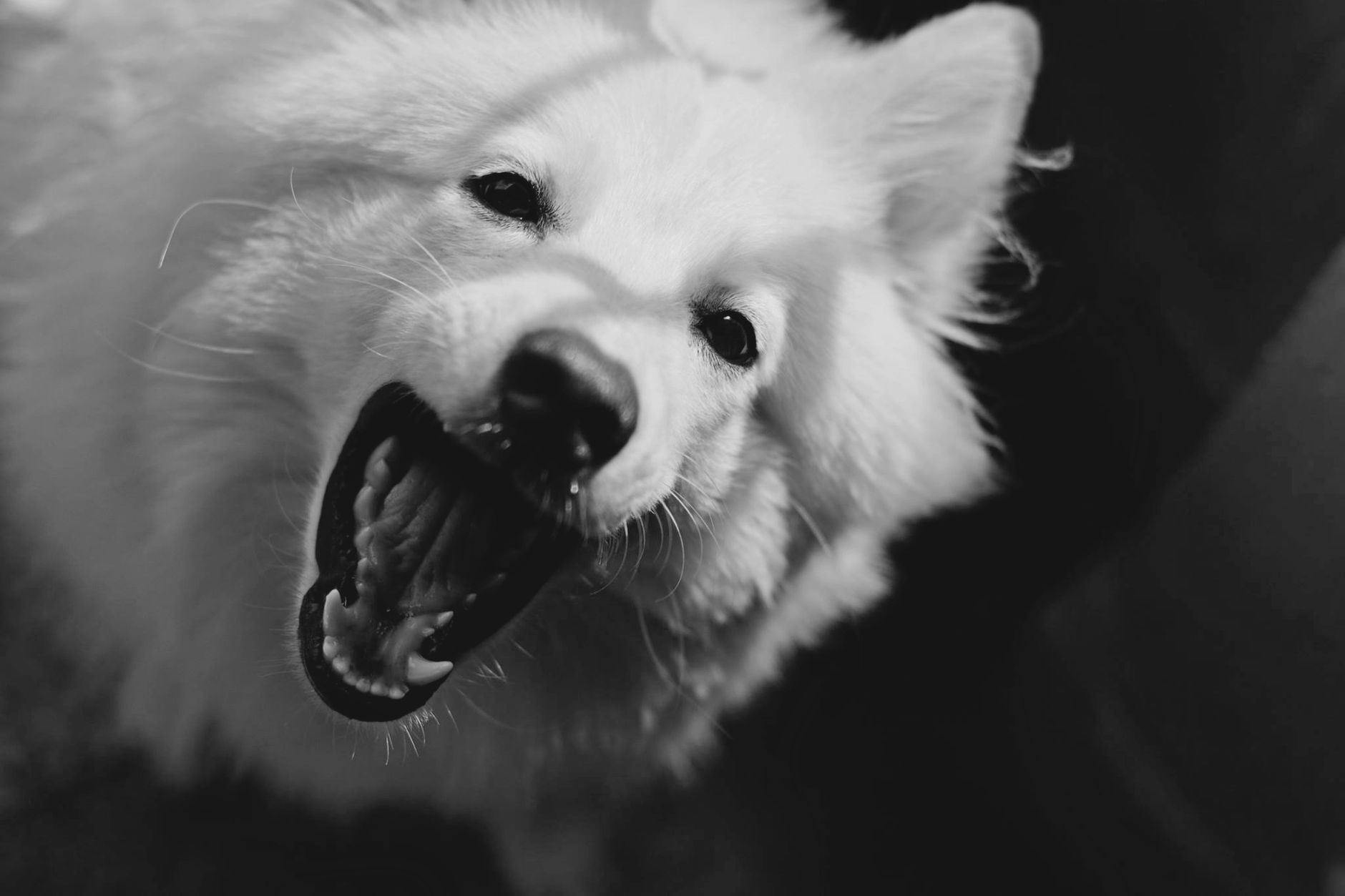
Understanding Dog Dental Plaque and Tartar Formation
Plaque is a sticky, colorless film of bacteria, saliva, and food particles that constantly forms on a dog's teeth. Within hours of eating, this film begins to coat the enamel. If dog dental plaque is not brushed away promptly, it interacts with minerals present in canine saliva and hardens into tartar, also known as calculus. Unlike soft plaque, tartar cannot be brushed away with a standard toothbrush and requires professional dental scaling.
Left unchecked, tartar accumulation spreads beneath the gumline, leading to gingivitis, painful inflammation, receding gums, loose teeth, and irreversible periodontal disease. Early intervention and consistent preventative care are your dog's best defense against chronic oral discomfort.
To truly appreciate the necessity of daily care, it helps to look at the micro-environment of a dog's mouth. Canine saliva has a higher pH than human saliva, which actually inhibits certain types of decay but drastically accelerates mineral precipitation, converting soft plaque into rock-hard calculus in as little as 48 to 72 hours. This biological reality highlights why sporadic brushing yields disappointing results and why consistency is paramount.
Furthermore, the physical structure of a dog's teeth contributes to plaque retention. The carnassial teeth and back molars have deep fissures and tight contacts where food debris easily becomes trapped. As bacteria feed on these trapped carbohydrates, they produce acidic byproducts that erode tooth enamel, creating microscopic pits that anchor plaque even more securely. Understanding this cycle empowers pet parents to target high-risk areas during home care routines rather than superficially brushing the front teeth.
When plaque remains on the tooth surface undisturbed, the bacterial colonies mature and diversify. Anaerobic bacteria begin to proliferate in the oxygen-deprived environment near the gumline. These specific strains release volatile sulfur compounds—which are the primary culprits behind severe canine halitosis—along with destructive enzymes that break down the collagen fibers anchoring the tooth in its socket. Recognizing this microscopic battleground underscores why brushing is not merely a cosmetic chore, but a vital medical necessity.
Early Warning Signs of Canine Dental Disease
Dogs are notorious for hiding pain, meaning dental issues often progress silently until they reach an advanced stage. Recognizing early warning signs allows you to intervene before irreversible damage occurs. Look closely at your dog's mouth during regular grooming sessions for the following indicators:
- Persistent foul breath, often described as unusually pungent or fishy.
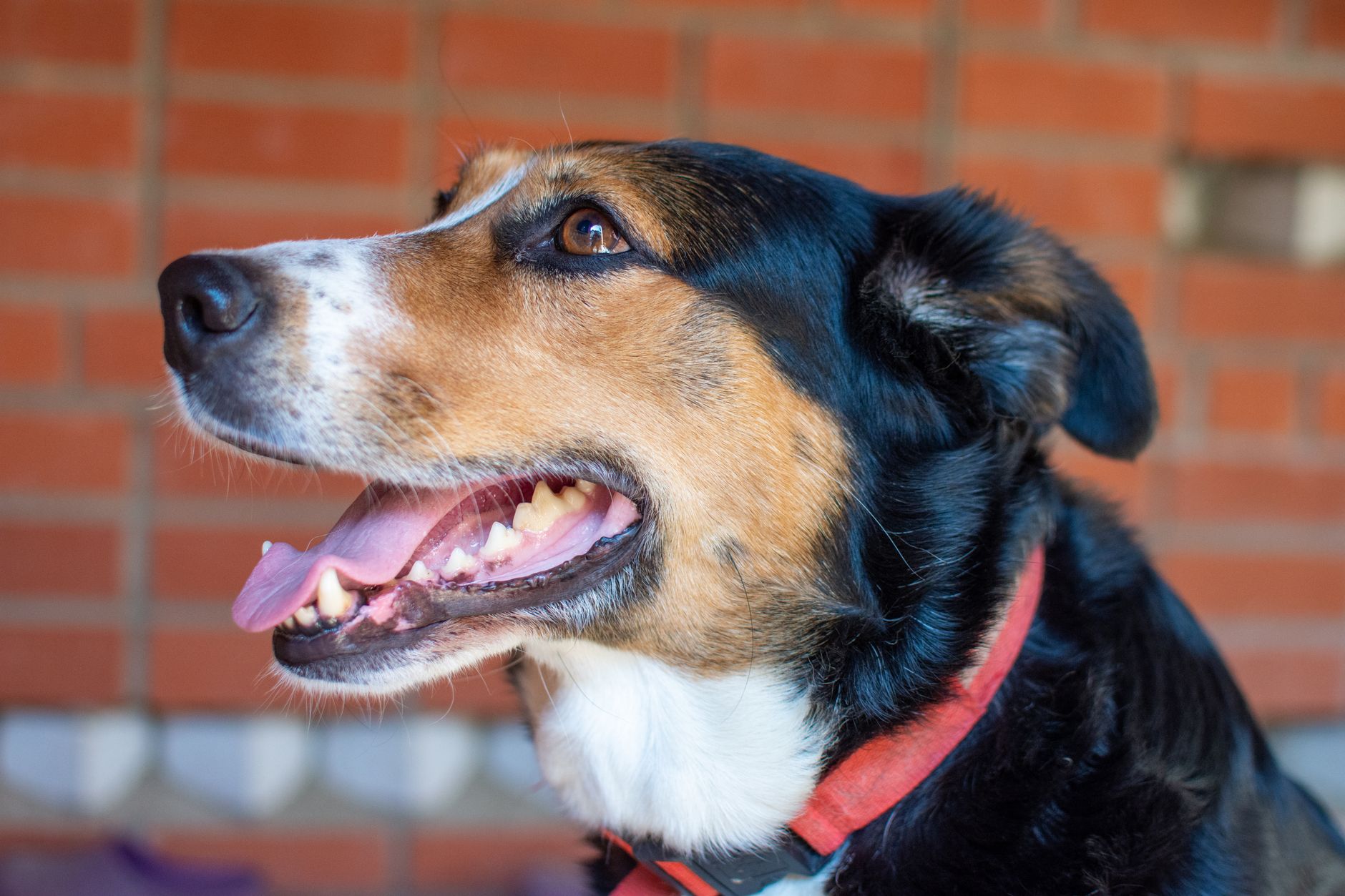
- Yellow, brown, or dark buildup along the gumline, especially on the back molars and upper canine teeth.
- Red, swollen, or bleeding gums, particularly after chewing hard toys or food.
- Drooling excessively or dropping food from the mouth while eating.
- Reluctance to chew hard kibble, chew toys, or bones.
- Pawing at the mouth or rubbing the side of the face against furniture or carpets.
- Behavioral changes such as sudden head shyness, irritability, or lethargy due to chronic low-grade pain.
- Nasal discharge or sneezing caused by upper tooth root infections invading the sinus cavities.
Another subtle sign of canine dental discomfort is a sudden change in grooming habits or a reluctance to play with favorite tug toys. A dog that previously loved a rousing game of fetch may suddenly drop the toy or refuse to grip it firmly because the pressure exacerbates inflamed periodontal ligaments. Paying attention to these behavioral shifts can help you catch dental disease long before visible tooth decay sets in.
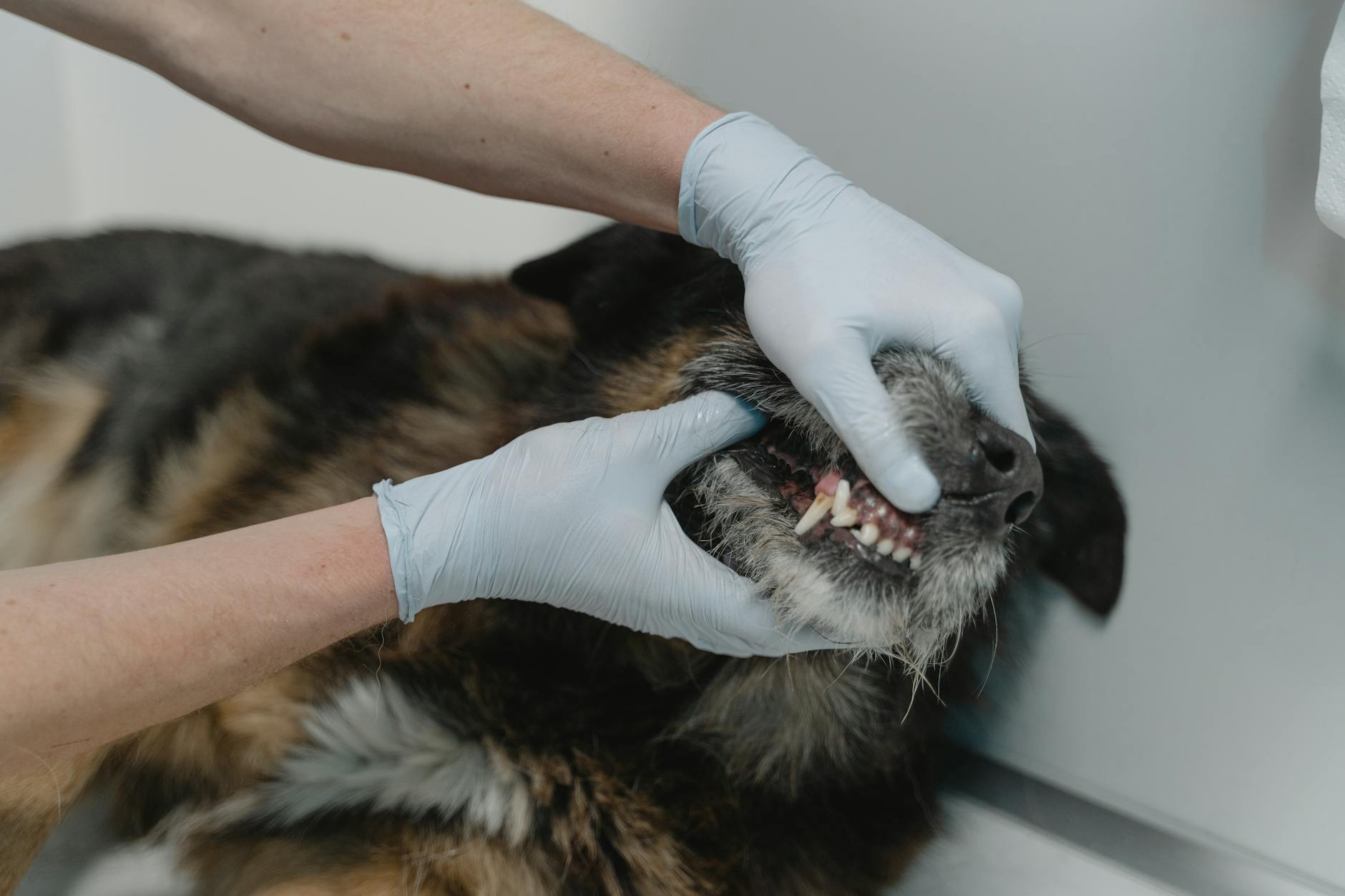
In addition to these behavioral and physical clues, observant owners should watch for asymmetrical facial swelling or a bulge under the eye, which frequently indicates an infected tooth root abscess. If your dog exhibits a sudden decrease in appetite or begins chewing on only one side of the mouth, schedule a comprehensive veterinary dental exam immediately to assess pulp health and bone integrity.
Step-by-Step Guide to Brushing Your Dog's Teeth at Home
Daily tooth brushing remains the gold standard for controlling dog dental plaque. Introducing this routine requires patience, positive reinforcement, and gradual desensitization, especially for adult dogs who have never experienced oral manipulation.
Phase 1: Flavor Introduction and Acceptance
Begin by letting your dog lick a small amount of pet-safe enzymatic toothpaste off your finger. Never use human toothpaste, as ingredients like fluoride and artificial sweeteners such as xylitol are highly toxic to canines. Choose poultry, beef, or peanut butter flavors specifically formulated for pets. Spend the first three to five days simply making this a high-reward, tasty experience without touching their teeth directly.
Phase 2: Introducing the Toothbrush or Finger Brush
Once your dog eagerly accepts the toothpaste, introduce a soft-bristled canine toothbrush or a silicone finger brush. Gently lift their lips and touch the brush to the outer surface of a few front teeth for just a few seconds, immediately rewarding them with praise and a healthy treat. Keep sessions extremely short—under 30 seconds—to prevent anxiety.
Phase 3: Full Mouth Brushing Technique
Gently tilt your dog's head slightly upward at a 45-degree angle, focusing on the outer surfaces of the upper teeth where plaque accumulates most rapidly. Make small circular motions along the gumline. You rarely need to brush the inside surfaces of the teeth, as a dog's rough tongue naturally helps keep those areas clean. Gradually work your way back to the large carnassial molars over a period of several weeks.
Consistency is key during this training phase. Aim to practice at the same time every day—perhaps right after an evening walk when your dog is relaxed and calm. Pair the session with a specific verbal cue, such as "time for teeth," so your dog learns to anticipate the routine and associates it with positive bonding time rather than stress.
To make the process even smoother, ensure your posture is non-confrontational. Instead of looming directly over your dog, sit beside them or position them on a non-slip surface at table height if they are small. Lift the lip gently from the side rather than placing your hand over their muzzle, which can trigger claustrophobia. With patience and high-value rewards, most dogs transition from tolerating brushing to eagerly participating in their daily oral hygiene ritual.
Safe Natural Alternatives and Dental Chews
While mechanical brushing is unmatched in effectiveness, supplementary products can significantly enhance your canine oral hygiene routine:
- VOHC-Accepted Dental Chews: Look for products bearing the Veterinary Oral Health Council seal, which indicates they have been scientifically proven to reduce plaque and tartar buildup through mechanical abrasion during chewing.
- Water Additives: Enzymatic water additives can help neutralize mouth bacteria and freshen breath throughout the day without altering your dog's drinking habits.
- Raw Carrots and Apples: Served in appropriate bite-sized chunks, these crunchy treats offer safe mechanical abrasion that helps scrape away soft debris while delivering beneficial vitamins.
- Specialized Dental Diets: Prescription kibbles featuring a unique fiber matrix can clean the tooth surface further before breaking apart.
Always avoid hard objects such as cooked bones, antlers, or extremely dense nylon toys that can easily fracture a dog's carnassial teeth, resulting in painful dental emergencies that require costly extractions or root canals.
When selecting dental chews or interactive toys, always monitor your dog to ensure they chew thoroughly rather than attempting to swallow large chunks, which can cause dangerous gastrointestinal obstructions or choking hazards. Balancing mechanical chews with supervised play ensures your dog reaps maximum dental benefits safely.
It is also worth noting that raw meaty bones, while popular in certain dietary circles, carry significant risks of splintering, tooth fracture, and bacterial contamination. If you choose to offer any chew item, always adhere to the "fingernail test": if you cannot indent the material with your thumbnail, it is likely too hard for your dog's teeth and poses a fracture risk.
Common Mistakes to Avoid in Dog Dental Care
Even well-meaning pet parents can stumble when establishing an oral care routine. Avoid these frequent pitfalls:
- Using Human Toothpaste: As mentioned, fluoride and xylitol pose severe health risks to dogs, ranging from severe gastric distress to acute liver failure.
- Neglecting Back Teeth: Plaque accumulates heaviest on the rear molars due to salivary duct locations, so never limit brushing exclusively to the front incisors.
- Skipping Professional Vet Cleanings: Home care cannot reverse established tartar. Annual veterinary checkups with potential anesthesia-assisted cleanings are essential for subgingival health.
- Forcing Compliance Too Quickly: Rushing the training process can create lifelong fear and aggression around the mouth. Take things slow and prioritize positive reinforcement.
- Relying Solely on Chews: Assuming dental chews completely eliminate the need for brushing or professional veterinary cleanings leaves your dog vulnerable to periodontal pockets.
Another common misstep is failing to inspect the mouth regularly. Owners often wait until an obvious odor develops before looking inside their dog's mouth. Incorporating a quick oral check into your weekly grooming routine allows you to spot minor gum redness or broken teeth before they escalate into painful infections requiring surgical intervention.
Additionally, some owners attempt to use metal dental scalers purchased online to scrape tartar off their dog's teeth at home. This practice is extremely dangerous. Without proper veterinary training, it is very easy to slip and gouge the delicate gum tissue, introduce severe bacterial infections, or scratch the tooth enamel, creating microscopic grooves that actually accelerate future plaque buildup. Always leave mechanical scaling to trained veterinary professionals equipped with proper anesthesia and safety protocols.
Species-Specific Oral Care Routines and Breed Considerations
Different canine breeds possess unique jaw structures and dental predispositions that require tailored home care approaches:
- Brachycephalic Breeds (e.g., Pugs, Boxers, Bulldogs): Due to their shortened muzzles, their teeth are often crowded and misaligned, creating tight spaces where dog dental plaque accumulates rapidly. Extra diligence with small finger brushes is required.
- Small and Toy Breeds (e.g., Chihuahuas, Yorkshire Terriers, Pomeranians): These breeds have disproportionately large tooth roots relative to their tiny jawbones, making them exceptionally prone to early periodontal disease and tooth loss. Daily brushing is non-negotiable for toy breeds.
- Large Working Breeds (e.g., German Shepherds, Labrador Retrievers): While their mouths are spacious, their powerful jaws often lead to aggressive chewing habits that increase the risk of fractured teeth. Inspect their molars regularly for cracks or chips.
Customizing your approach based on your dog's breed characteristics ensures that vulnerable areas receive targeted attention, maximizing the effectiveness of your home hygiene regimen.
Working breeds and sporting dogs that spend time outdoors also run the risk of dental trauma from chasing rocks, sticks, or heavy metal balls. Providing safe rubber fetch toys instead of abrasive wooden sticks protects both their tooth enamel and their digestive tract from splinter injuries. Tailoring your environmental enrichment toys to support dental health is an effortless way to safeguard your dog's smile during play.
When to Seek Professional Veterinary Help
If your dog displays advanced symptoms such as loose teeth, facial swelling, severe bleeding gums, reluctance to eat entirely, or yellow pus discharging from the gums, home care is no longer sufficient. Schedule an immediate veterinary examination. Veterinarians utilize safe general anesthesia to perform comprehensive dental probing, subgingival scaling, and digital dental radiographs to identify hidden root infections beneath the gumline where the majority of dental disease develops.
Maintaining your dog's oral health requires dedication, but the reward is a happier, healthier companion with fresh breath and a pain-free smile. Pair your daily routine with tools like our Pet Grooming Planner to keep your complete maintenance schedule organized.
Professional veterinary dental cleanings are not just cosmetic procedures; they are vital medical interventions. During an anesthetic cleaning, the veterinary team can safely remove calculus from beneath the gums where brushes cannot reach, polish the enamel to deter future plaque adhesion, and extract unsalvageable teeth that cause chronic pain. Discussing a preventative dental schedule during your dog's annual wellness exam ensures proactive management of their long-term health.
Furthermore, pre-anesthetic blood work and modern monitoring equipment make routine dental cleanings exceptionally safe, even for senior dogs. Never delay necessary veterinary dental care out of fear of anesthesia; untreated chronic oral infections pose a far greater systemic risk to your dog's heart, liver, and kidneys than a professionally managed anesthetic procedure.
Frequently Asked Questions
How often should I brush my dog's teeth?
Daily brushing is ideal to prevent plaque from calcifying into tartar. If daily brushing is not feasible, aim for at least three to four times a week combined with complementary dental chews.
Can human toothpaste be used on dogs?
No, never use human toothpaste. Human formulations contain foaming agents, fluoride, and sweeteners like xylitol that are toxic and dangerous if swallowed by dogs.
At what age should I start brushing my puppy's teeth?
You can begin as early as 8 to 12 weeks of age. Early introduction helps puppies accept oral handling as a normal, stress-free part of their routine.
Do dog dental chews really work?
Yes, but only if they are appropriately sized and carry the VOHC seal of approval. They reduce plaque and tartar but do not completely replace mechanical brushing.
Why do dog dental cleanings require anesthesia?
Anesthesia is necessary so the veterinarian can safely clean beneath the gumline where 60% of dental disease occurs, take dental X-rays, and prevent accidental injury to a moving dog.
Helpful PawPrintHub Tools
Explore our practical planning tools to support your pet's wellness journey:
Support free pet guides and tools.
Buy Me a Coffee
Comments
Post a Comment