
How to Cure Dog Coprophagia Safely at Home: A Complete Canine Behavioral and Nutritional Relief Guide
How to Cure Dog Coprophagia Safely at Home: A Complete Canine Behavioral and Nutritional Relief Guide
Discovering that your beloved canine companion has a habit of eating stool can be both shocking and distressing. Known scientifically as coprophagia, this behavior is surprisingly common in the canine world, yet it remains one of the most repulsive habits pet parents have to manage. Whether your dog is raiding the backyard or showing an unusual interest during daily walks, addressing this behavior requires a balanced approach combining environmental management, nutritional review, and behavioral training. Please note that this guide is educational and does not replace professional veterinary care. Always consult your veterinarian to rule out underlying medical conditions before starting any new routine. Understanding why your dog engages in this behavior is the first critical step toward resolving it permanently.
Many pet owners feel a profound sense of embarrassment or frustration when dealing with coprophagia. However, taking a calm, scientific, and empathetic approach yields the best long-term results. By looking past the initial shock, you can examine your dog's daily routines, dietary absorption rates, and psychological well-being to pinpoint exact triggers. Through dedicated environmental controls, targeted nutritional optimization, and consistent positive reinforcement, most dogs can overcome this troubling habit entirely.
When addressing coprophagia, it is vital to recognize that dogs do not view waste through a human lens. To a dog, scent profiles and rich organic matter can sometimes act as powerful attractants. Pet owners must remain patient and consistent. Eliminating the behavior is rarely a quick fix; rather, it is a cumulative process of habit-breaking, proactive yard management, and dietary reinforcement that strengthens the bond between owner and pet while fostering a healthier lifestyle.
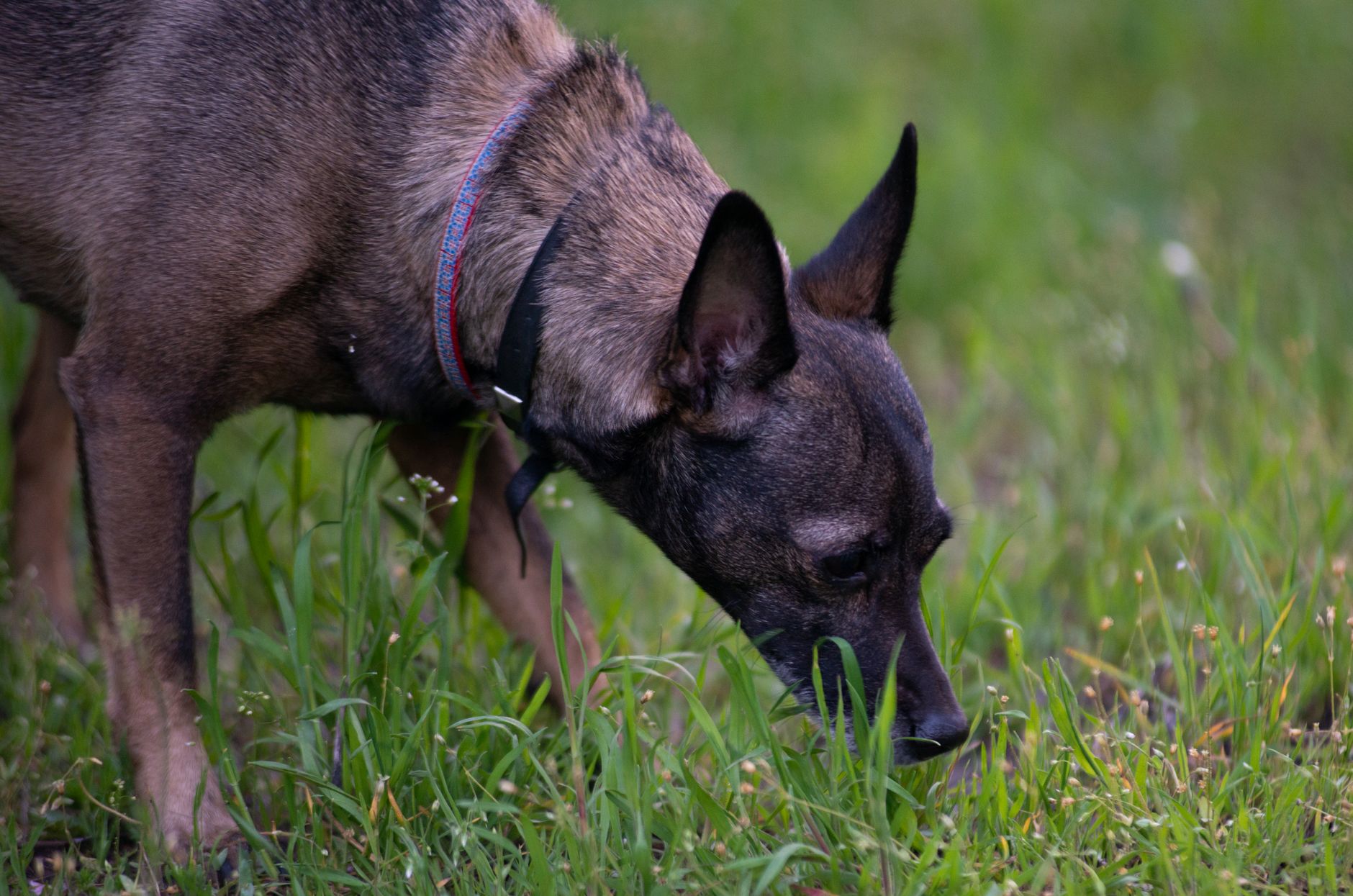
Understanding Canine Coprophagia: Why Dogs Eat Stool
Before you can effectively manage and eliminate stool-eating habits, you must understand the underlying triggers. Coprophagia is rarely just an act of pure mischief; it is often rooted in instinct, nutrition, or psychological factors. Recognizing the specific category your dog falls into will allow you to tailor your intervention strategy effectively.
Instinctual and Evolutionary Roots
In the wild, mother dogs naturally consume the feces of their newborn puppies to keep the den clean and prevent predators from tracking scent signatures. Additionally, ancestral canids occasionally faced food scarcity, leading them to scavenge whatever was available, including digested matter. Some modern dogs retain these deeply ingrained evolutionary survival instincts, leading to casual scavenging behaviors. For instance, northern breeds or hounds with high prey drives may view waste collection as an extension of normal foraging instincts.
Furthermore, dogs observe their environment with intense curiosity. If a puppy sees their mother cleaning up waste, they may mimic the action through observational learning. While this is a normal developmental phase for very young puppies, it requires prompt redirection to prevent it from solidifying into a lifelong behavioral routine in adult dogs. Understanding this evolutionary backdrop helps owners detach personal frustration from the dog's instinctive drives.
Nutritional Deficiencies and Malabsorption
If a dog is not absorbing nutrients efficiently from their regular diet, their body may register that the feces still contain usable caloric or enzymatic value. Poor-quality commercial kibble, internal parasites, or pancreatic insufficiency can all lead to an insatiable urge to seek out nutrients wherever they can be found. To ensure your dog gets the right balance of calories and nutrients, try utilizing the Pet Food Portion Calculator to fine-tune their daily feeding regimen.
When a dog suffers from malabsorption, food passes through their gastrointestinal tract too quickly for proper nutrient extraction. As a result, the stool retains a rich scent and nutritional profile that acts as a powerful attractant to a scavenging canine. Addressing the core diet is therefore paramount to cutting off the physical temptation at its source. Incorporating highly bioavailable proteins and veterinarian-recommended digestive enzymes can dramatically reduce this specific nutritional drive.
Behavioral Triggers: Boredom, Stress, and Attention
Many dogs resort to coprophagia simply out of boredom, confinement distress, or a desire for attention. If a dog realizes that eating feces immediately triggers a dramatic reaction from their human—such as running, shouting, or chasing—they may view the behavior as a surefire way to get engagement. Similarly, dogs left alone for long periods in barren yards often develop compulsive habits to self-soothe.
Anxiety-driven coprophagia is particularly common in multi-dog households where a submissive dog might consume waste to avoid conflict or due to resource guarding dynamics. Identifying whether your dog is stressed during meal times or left alone in the yard for too long can help you alter their daily schedule to alleviate psychological pressure. Providing ample mental stimulation through interactive toys, scent work, and regular exercise can redirect nervous energy away from undesirable scavenging behaviors.
Comprehensive Strategies to Stop Stool Eating
Curing dog coprophagia requires a multi-pronged approach that addresses both the immediate environment and the root psychological or physiological triggers. A cohesive plan ensures no gaps are left open for the habit to persist.
1. Immediate Environmental Management
The single most effective way to break the habit is to eliminate access entirely. You cannot practice a bad habit if the opportunity is removed.
- Supervised Outdoor Access: Never let your dog roam the yard unsupervised if they have a history of stool eating. Keep them on a leash during bathroom breaks so you can guide them away immediately.
- Immediate Cleanup: Pick up dog waste instantly. A clean yard removes temptation and breaks the routine cycle of searching and consuming.
- Cat Box Security: If you share your home with feline friends, ensure the litter box is entirely inaccessible to your dog. Use baby gates, top-entry litter boxes, or elevated stands, as cat food is notoriously high in protein and makes feline waste exceptionally appealing to dogs.
- Muzzle Training: For dogs prone to scavenging on open walks where waste might be hidden in tall grass, conditioning them to wear a comfortable basket muzzle can save their health and provide peace of mind.
- Yard Landscaping and Lighting: Keep your backyard well-lit at night and clear of tall weeds or debris where waste might easily become hidden from view during routine cleanups.

2. Nutritional Adjustments and Dietary Enrichment
Optimizing your dog's diet ensures they feel fully satisfied and nourished. Consult a professional or use the Pet Feeding Schedule Generator to structure consistent, balanced mealtimes that curb scavenging instincts.
- High-Quality Protein: Switch to a highly digestible diet rich in premium animal proteins to ensure maximum nutrient absorption and satiety.
- Digestive Supplements: Many veterinarians recommend adding digestive enzymes or probiotic supplements to help the canine gut break down food more efficiently and extract all available nutrients.
- Varying Textures and Fibers: Sometimes dogs crave fiber or roughage. Adding small amounts of cooked vegetables like pumpkin, zucchini, or green beans can satisfy this urge safely while adding bulk to their stool.
- Feeding Frequency Adjustments: Splitting your dog's total daily food portion into three or four smaller meals throughout the day can improve metabolic stability and reduce empty stomach sensations that lead to scavenging.
- Hydration and Broth Additions: Adding low-sodium bone broth to kibble can enhance flavor and moisture, improving overall digestion and palatability without adding unwanted chemical additives.
3. Positive Reinforcement Training and Cues
Punishment rarely works for coprophagia and can actually make the dog hide the behavior or consume waste faster out of anxiety. Instead, rely on positive reinforcement training.
- Master the 'Leave It' Cue: Teach your dog a rock-solid 'leave it' command using high-value treats indoors before testing it in low-distraction outdoor settings.
- The 'Drop It' Exchange: Teach your dog that bringing or dropping unwanted items yields an even better reward, such as a high-value meat treat or piece of cheese.
- Engagement Distractions: Keep outdoor sessions active with fetch, training games, or puzzle toys so your dog focuses on you rather than searching the ground during bathroom breaks.
- Targeted Recall Practice: Ensure your dog comes instantly when called, allowing you to interrupt scavenging behavior before it results in ingestion.
- Clicker Conditioning: Use a clicker to mark the exact micro-second your dog turns their head away from potential waste, pairing it immediately with a high-value food reward to reinforce good choices.
Step-by-Step Daily Routine for Coprophagia Recovery
Implementing a structured daily schedule helps reset your dog's habits and minimizes opportunities for scavenging behavior. Follow this proven step-by-step framework:
- Morning Feeding: Feed your dog their balanced breakfast using a slow feeder bowl or food puzzle to stimulate mental engagement and slow down digestion.
- Leashed Elimination Walk: Take your dog outside on a secure leash specifically for elimination. Carry high-value treats in your pocket.
- Immediate Reward and Praise: The exact moment your dog finishes eliminating, call them away with an enthusiastic tone, reward them with a delicious treat, and praise them heavily.
- Prompt Waste Removal: Pick up the stool immediately while your dog is safely occupied with another activity or inside the house.
- Afternoon Mental Enrichment: Provide interactive toys, snuffle mats, or short training sessions to combat boredom and anxiety throughout the day.
- Evening Routine: Repeat the leashed bathroom break, prompt cleanup, and ensure indoor relaxation time to wind down the day peacefully.
- Nighttime Seclusion Checks: Ensure all indoor trash cans have secure lids and feline litter areas remain locked down before heading to sleep.
Common Mistakes to Avoid When Managing Coprophagia
Pet owners often make well-intentioned errors that inadvertently reinforce the habit or cause unnecessary stress. Avoid these common pitfalls:
- Overreacting: Running toward your dog and yelling teaches them that eating poop is a high-stakes game that guarantees your undivided attention, turning a bad habit into a rewarding attention-seeking behavior.
- Harsh Punishments: Rubbing a dog's nose in waste or scolding them long after the act creates fear, distrust, and anxiety, which often worsens behavioral issues and leads to covert consumption.
- Relying Solely on Commercial Deterrents: While meat tenderizers or stool-eating deterrent powders added to food can make waste taste unpleasant, they do not solve underlying medical issues, boredom, or behavioral habits on their own.
- Ignoring Health Screenings: Skipping routine veterinary parasite checks and wellness exams can leave hidden medical causes of coprophagia untreated, allowing the root problem to fester.
- Inconsistent Yard Maintenance: Leaving waste in the yard for even a few hours creates an irresistible window of opportunity for a persistent dog.
- Skipping Mental Stimulation: Expecting physical exercise alone to tire out an intelligent working breed often results in destructive indoor habits and anxious outdoor scavenging.

When to Seek Professional Veterinary Help
While many cases of coprophagia are behavioral and correctable with environmental management and training, persistent stool eating can indicate a serious medical problem. Consult your veterinarian immediately if you notice coprophagia accompanied by any of the following clinical signs:
- Sudden, unexplained weight loss despite a normal or increased appetite
- Chronic diarrhea, vomiting, or abnormal stool consistency
- Extreme lethargy or lack of interest in normal play and interaction
- Insatiable hunger paired with poor body condition or muscle wasting
- Noticeable behavioral changes such as aggression around food or excessive pacing
- Unusual abdominal distension or persistent excessive drooling
Your veterinarian can perform comprehensive diagnostic evaluations, including fecal float tests, blood chemistry panels, and nutritional assessments, to ensure your dog is free from parasites, exocrine pancreatic insufficiency, inflammatory bowel disease, or malabsorption disorders. Professional guidance is essential when standard home remedies fail.
Frequently Asked Questions
Is dog coprophagia normal in puppies?
Yes, exploring the world with their mouths is a natural part of puppy development. Many puppies outgrow the habit by six months of age if it is consistently discouraged, managed, and cleaned up immediately.
Can commercial stool-eating deterrents cure the habit?
Commercial deterrents make waste unpalatable, but they are only a temporary management tool. Lasting success requires combining deterrents with environmental cleanliness and behavioral training.
Does a lack of vitamins cause dogs to eat poop?
While nutritional deficiencies or poor digestion can contribute to coprophagia, many well-fed dogs also engage in the behavior due to boredom, stress, or instinctive scavenging habits.
Will spaying or neutering stop coprophagia?
Spaying and neutering do not directly eliminate stool-eating habits, though proper socialization and structured routines following veterinary care can improve overall behavioral stability.
How long does it take to break a dog's poop-eating habit?
The timeline varies depending on the dog's age and how long they have practiced the behavior. With strict yard cleanliness, consistent training, and proper diet, most owners see significant improvement within two to four weeks.
Can my dog get sick from eating their own stool?
Yes, eating stool can expose dogs to internal parasites like roundworms and hookworms, as well as bacterial pathogens if the waste is contaminated.
Should I punish my dog if I catch them eating poop?
No, punishment causes anxiety and can cause your dog to eat waste more secretly. Redirect their attention calmly with a toy or treat and clean up the area immediately.
Helpful PawPrintHub Tools
To support your journey in managing your dog's overall wellness, nutrition, and daily routine, explore these free interactive tools:
Conclusion
Dealing with dog coprophagia can be frustrating, but with patience, diligence, and the right strategic approach, you can successfully curb this unpleasant habit. By maintaining pristine yard hygiene, optimizing your dog's daily nutrition, and reinforcing positive redirection cues, you pave the way for a happier, healthier canine companion. Remember to consult your veterinarian if the behavior persists or is accompanied by other health symptoms, ensuring your furry friend stays in peak physical condition for years to come. Consistency is your greatest ally in achieving a permanent solution.
Support free pet guides and tools.
Buy Me a Coffee
Comments
Post a Comment