
How to Cure Dog Bad Breath: Complete Canine Oral Hygiene and Fresh Breath Guide
Every dog owner knows the unmistakable greeting of a wet, enthusiastic kiss followed by a wave of unpleasant odor. While a slight doggy breath is common, persistent, severe foul breath—clinically known as halitosis—is rarely just a quirky trait of your canine companion. Instead, it is usually the primary warning sign of underlying dental disease, bacterial accumulation, or internal health imbalances that require your attention. Maintaining your dog's oral health is not merely about keeping your nose comfortable when they snuggle on the couch; it is a vital pillar of overall everyday pet care that protects your dog's heart, kidneys, and systemic well-being. This comprehensive guide explores how to cure dog bad breath through targeted home care routines, preventive strategies, and professional veterinary interventions.
When investigating how to cure dog bad breath, many owners overlook the direct connection between oral hygiene and total body wellness. Dogs use their mouths for everything—from carrying toys and exploring the backyard to grooming themselves and tasting novel objects. This constant exposure to bacteria, dirt, and organic matter means that without intentional intervention, the canine oral cavity quickly becomes a breeding ground for sulfur-producing bacteria. These microscopic organisms break down trapped food particles and cellular debris, releasing volatile sulfur compounds that create that signature, offensive aroma.
Understanding the Root Causes of Canine Halitosis
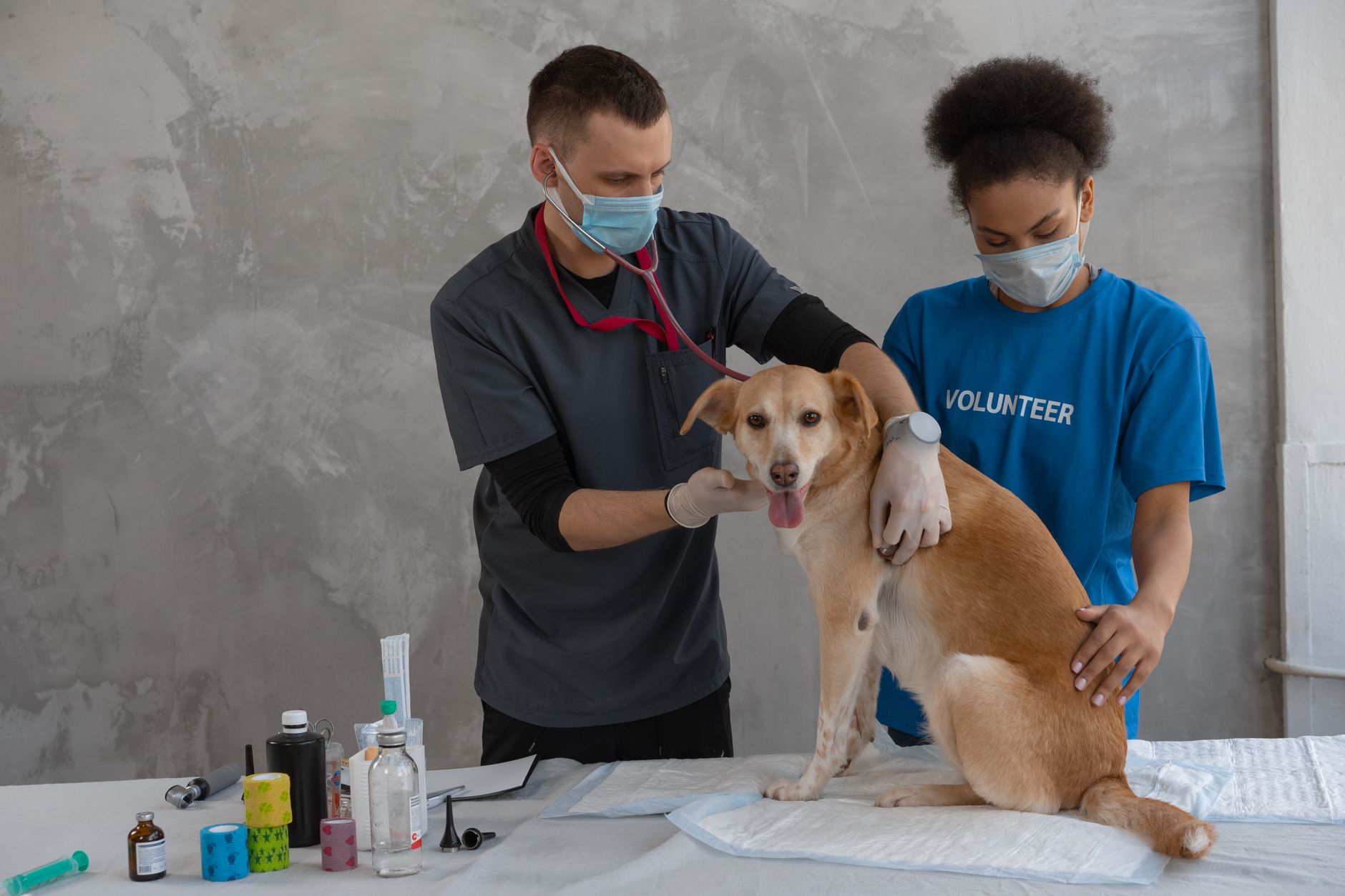
Before you can successfully implement a plan on how to cure dog bad breath, you must understand why the odor is occurring in the first place. Dogs explore the world primarily through their mouths, picking up toys, sticks, dirt, and occasionally things they definitely should not ingest. However, long-term chronic bad breath originates deep within the oral cavity or, less frequently, from internal metabolic sources. Uncovering the exact biological trigger is the first step toward achieving lasting, minty-fresh results for your furry friend.
Plaque, Tartar, and Periodontal Disease
The vast majority of canine halitosis cases stem from periodontal disease. When your dog eats, food particles mix with saliva and bacteria, forming a sticky, translucent film called plaque on the teeth. If this plaque is not removed through regular brushing or mechanical chewing, minerals in the saliva harden it into yellow or brown tartar within just a few days. Tartar provides a rough surface for even more bacteria to accumulate, irritating the gums and leading to gingivitis, painful inflammation, tooth root abscesses, and deep tissue decay that emits a distinctly foul, rotting odor.
As periodontal disease progresses beneath the gumline, it destroys the supportive tissues anchoring the teeth. Bacteria can then enter the bloodstream during chewing, potentially impacting vital organs such as the heart, liver, and kidneys. Consistent preventive care stops this destructive cascade before irreversible damage occurs. Recognizing this progression helps you appreciate why a simple daily brushing session is infinitely more valuable than waiting for breath to turn unbearable.
Dietary Habits and Foreign Objects
Sometimes, bad breath has an immediate, non-dental cause rooted in daily lifestyle habits. Scavenging in the yard, eating garbage, consuming feces (coprophagia), or chewing on rotting animal carcasses can instantly ruin a dog's breath with overpowering, nauseating odors. Additionally, small objects, splinters, fabric threads, or pieces of bone can become wedged between a dog's teeth or stuck in the roof of their mouth. These trapped items catch food debris, harbor bacteria, and create a localized infection site that smells remarkably unpleasant.
To help manage your dog's overall routine and keep track of grooming or dietary updates, you can utilize the Pet Grooming Planner to organize their daily maintenance schedule effectively.
Systemic and Internal Health Conditions
If your dog's breath smells unusual in ways that go beyond typical garbage odors, it may indicate a systemic medical issue requiring veterinary diagnostics. For instance, a sweet, fruity, or nail-polish-remover scent can indicate diabetes mellitus, as the body struggles to process glucose properly and produces ketones. A distinctly urine-like or ammonia-smelling breath often points toward advanced kidney disease, where the kidneys fail to filter toxins out of the bloodstream. A yellow tint to the gums combined with musty breath can signal liver dysfunction or gastrointestinal distress. If you suspect an internal medical concern, always consult your veterinarian promptly for comprehensive bloodwork and physical evaluations.
Furthermore, gastrointestinal blockages, inflammatory bowel disease, or esophageal disorders can cause foul-smelling gases to travel upward from the stomach, mimicking oral halitosis. Evaluating the exact nature of the scent—whether it smells like decay, chemicals, or urine—provides invaluable clues that can guide your veterinarian directly to the correct diagnosis and treatment plan.
Step-by-Step Daily Routine to Cure Dog Bad Breath
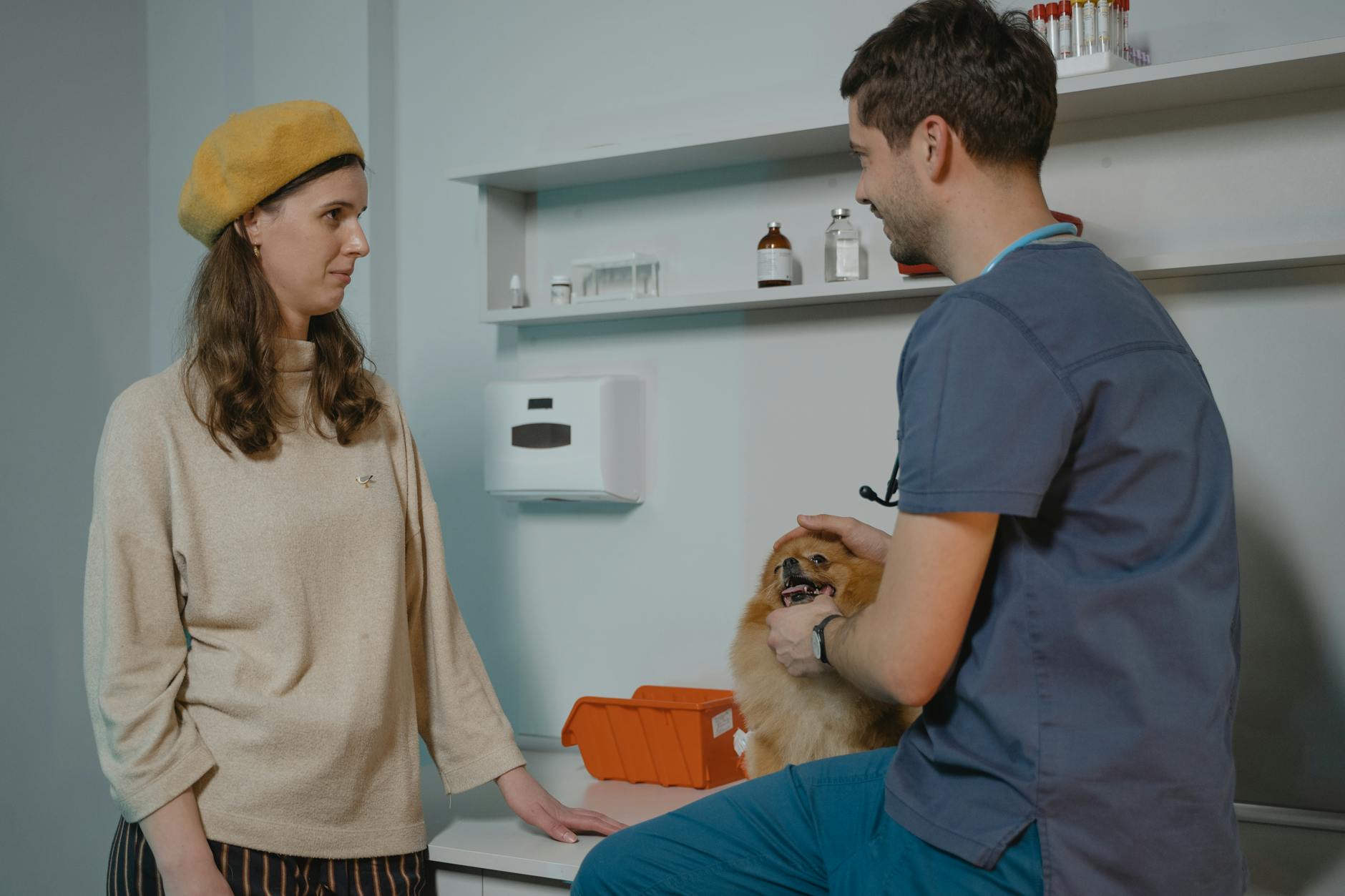
Conquering halitosis requires consistency and a proactive daily hygiene routine. By dedicating just a few minutes each day to your dog's dental upkeep, you can dramatically improve their breath and extend their healthy years. Building a predictable routine transforms dental care from a stressful chore into a bonding experience that your dog learns to accept and even enjoy.
1. Introduce Toothbrushing Gradually
Daily toothbrushing is the gold standard for removing plaque before it hardens into tartar. Never use human toothpaste, as ingredients like fluoride and xylitol are highly toxic to dogs. Instead, use a canine-specific enzymatic toothpaste flavored with poultry, beef, or peanut butter to make the experience appealing.
- Day 1-3: Let your dog lick a small amount of dog toothpaste off your finger to build a positive association with the paste flavor and texture. Pair this with gentle praise.
- Day 4-7: Gently rub your finger along their gums and outer teeth while offering verbal praise and small, healthy training treats to reinforce calm behavior.
- Week 2: Introduce a soft-bristled dog toothbrush or a silicone finger brush, focusing primarily on the outer surfaces of the upper molars where tartar accumulates most heavily due to salivary gland proximity.
- Maintenance: Aim for two minutes of brushing daily, making sure to reach all visible teeth gently without applying excessive force to sensitive gumlines. Move the brush in gentle circular motions.
2. Provide Strategic Mechanical Chewing Toys
Chewing is a dog's natural instinct and a powerful tool in your dental care arsenal. Safe, durable rubber chew toys and textured nylon bones scrape against the teeth during play, mechanically shearing away soft plaque. Always supervise your dog with chew toys to prevent choking hazards or intestinal blockages from swallowed fragments. Selecting toys appropriate for your dog's size and bite strength ensures they receive maximum scraping benefit without risking tooth fracture.
When selecting chew toys, look for products designed with ridges, nubbins, and flexible segments that massage the gums while reaching between teeth spaces. Rotating these toys every few days keeps your dog interested and engaged, maximizing the mechanical cleaning time they spend chewing each week.
3. Incorporate Approved Dental Chews and Additives
Look for Veterinary Oral Health Council (VOHC) accepted dental chews, treats, or water additives. These products are scientifically tested and proven to reduce plaque and tartar accumulation when used as directed. Water additives contain safe enzymes that break down oral bacteria without altering the taste of your dog's drinking water, offering an effortless passive defense mechanism between brushing sessions.
To ensure your dog is maintaining an ideal weight while enjoying dental treats, you can check their body condition using the Pet Healthy Weight Checker to make sure treat calories do not lead to unwanted weight gain.

Common Mistakes to Avoid in Canine Dental Care
Many well-meaning pet parents inadvertently make mistakes that hinder their efforts to cure dog bad breath or accidentally cause injury to their pet. Being aware of these pitfalls ensures your dental routine remains safe and effective.
- Using Human Toothpaste: As noted, human formulations contain foaming agents, detergents, and artificial sweeteners like xylitol that cause severe gastrointestinal distress or organ failure in canines.
- Ignoring Gum Bleeding: A small amount of bleeding during initial brushing can be normal if gums are inflamed, but continuous bleeding means you should ease up pressure and consult your vet for an evaluation.
- Giving Hard Bones or Antlers: Real bones, cooked bones, and extremely hard antlers can easily fracture a dog's teeth, leading to painful root exposures and emergency dental surgery.
- Praising or Ignoring Scavenging Habits: Allowing your dog to raid the litter box or trash bin will instantly undo all your dental hygiene efforts. Keep bathroom and kitchen doors securely closed.
- Expecting Chews to Fix Everything: Relying solely on dental treats without mechanical brushing leaves the gumline vulnerable to hidden plaque buildup and subgingival bacterial pockets.
Avoiding these common errors safeguards your dog from accidental injury and ensures that your home-care efforts yield visible improvements in breath odor within a couple of weeks.
When to Seek Professional Veterinary Help
Home care is exceptional for prevention and maintenance, but it cannot reverse advanced periodontal disease or remove hardened tartar that is already locked onto the teeth. You should schedule a professional veterinary evaluation if you notice any of the following red flags:
- Persistent, foul breath that does not improve after two weeks of home brushing and dental care.
- Excessive drooling, dropping food while eating, or visible reluctance to chew hard kibble.
- Bright red, swollen, or bleeding gums, especially along the gumline.
- Loose, broken, or discolored teeth (brown, black, or grey).
- Pawing incessantly at the mouth, rubbing their face against carpets, or showing signs of head shyness when touched near the muzzle.
During a professional dental cleaning, your veterinarian will place your dog under safe anesthesia to scale and polish both above and below the gumline, removing hidden bacteria pockets and extracting hopelessly diseased teeth that cause chronic pain. Veterinary dental care also includes full-mouth dental radiographs, which allow the veterinarian to evaluate bone loss and root abnormalities that are entirely invisible to the naked eye during a visual exam.
Frequently Asked Questions
Can poor breath in dogs indicate kidney disease?
Yes. If your dog's breath smells distinctively like urine or ammonia, it can be a warning sign of declining kidney function, as the kidneys are failing to filter metabolic waste products efficiently out of the bloodstream.
How often should I brush my dog's teeth?
Ideally, you should brush your dog's teeth daily. Plaque begins to mineralize into tartar within 24 to 48 hours, making daily brushing the most effective way to prevent long-term dental decay and halitosis.
Are human breath mints safe for dogs?
No. Never give human breath mints or gum to dogs. Many contain xylitol (also known as birch sugar), which is extremely toxic and potentially fatal to canines even in very small amounts.
Why does my puppy have bad breath?
Puppy breath is often caused by teething as their sharp milk teeth fall out and adult teeth emerge, creating minor gum irritation and temporary bacterial growth. However, persistent foul breath in puppies warrants a quick vet check to rule out congenital issues or retained baby teeth.
Can diet changes cure my dog's bad breath?
If bad breath is caused by poor digestion, low-quality ingredients, or food sensitivities, switching to a high-quality, balanced diet can help. However, diet alone rarely cures severe halitosis if active periodontal disease is already present.
Do dental chews replace toothbrushing?
Dental chews are fantastic supplements that help reduce plaque through mechanical friction, but they do not reach all surfaces of the teeth as effectively as a toothbrush and enzymatic toothpaste.
What is involved in a professional vet dental cleaning?
A professional cleaning requires general anesthesia so the veterinarian can safely scale plaque and tartar from above and below the gum line, polish the enamel, and take dental X-rays to check tooth roots.
Helpful PawPrintHub Tools
To support your ongoing journey in canine care, health tracking, and wellness management, explore these free interactive tools:
- Pet Healthy Weight Checker - Evaluate your dog's physical condition and maintain a healthy weight.
- Pet Grooming Planner - Build a consistent schedule for brushing, bathing, and oral care.
- Pet First Aid Checklist - Keep essential emergency supplies ready at home for unexpected care needs.
Conclusion
Learning how to cure dog bad breath is an essential responsibility for every dedicated pet owner. Halitosis is rarely just an annoying inconvenience; it is often your dog's primary way of communicating that their oral health requires immediate intervention. By committing to a consistent daily routine of gentle toothbrushing, providing safe mechanical chew toys, avoiding harmful bones or human foods, and partnering with your veterinarian for routine professional checkups, you can banish foul odors for good. More importantly, you will safeguard your canine companion against painful periodontal disease and protect their long-term systemic health, ensuring countless years of fresh, happy snuggles and joyful greetings.
Support free pet guides and tools.
Buy Me a Coffee
Comments
Post a Comment