
How to Cure Bird Feather Plucking: A Complete Companion Avian Skin and Behavior Guide
Feather plucking is one of the most heartbreaking and challenging issues pet bird owners can face. Whether you care for a sensitive African Grey, a playful cockatiel, an intelligent budgie, or a vibrant conure, watching your feathered companion damage its own plumage can be deeply distressing. Understanding bird feather plucking requires a comprehensive look into both physical health and psychological well-being. This guide is designed to help you navigate the complex world of avian dermatology and behavior, giving you practical steps to address the root causes, improve your bird's daily life, and foster a peaceful environment where natural feathers can finally grow back.
Avian species are remarkably sensitive creatures. In the wild, their days are filled with foraging, flock dynamics, predator vigilance, and complex social interactions. When brought into human homes, even the most well-meaning owners can accidentally create environments that trigger chronic anxiety or physical ailments. Feather picking is rarely a random occurrence; it is a visible SOS signal from a bird that is either suffering from internal discomfort, severe boredom, or overwhelming emotional stress. Recognizing this behavior early and responding with a structured, compassionate approach can mean the difference between a lifetime of chronic self-mutilation and a complete, healthy recovery.
Understanding the Root Causes of Bird Feather Plucking
Before any meaningful recovery can begin, you must determine why your bird is engaging in self-destructive preening. Unlike normal preening, which keeps feathers clean and neatly arranged, feather plucking involves pulling, chewing, or breaking feathers down to the skin level. The causes generally fall into two broad categories: medical and behavioral. Often, a combination of both factors keeps the cycle going, making careful detective work necessary for every dedicated bird guardian.
When a bird begins to pull its feathers, owners often panic and immediately assume it is behavioral. However, experienced avian professionals always start by investigating the physiological state of the bird. Physical discomfort or systemic illness often manifests first in the integumentary system—the skin, feathers, and beak. If the underlying medical issue goes untreated, no amount of toy rotation or behavior modification will stop the plucking.
Medical and Physical Triggers
Many behavioral plucking cases actually start with an underlying medical discomfort. Birds instinctively hide illness as a survival mechanism in the wild, but localized pain or irritation manifests directly on their skin and feathers. Common medical contributors include internal organ dysfunction (such as liver or kidney disease), nutritional imbalances, external parasites like mites or feather lice, bacterial or fungal skin infections, allergies, hormonal surges, and heavy metal toxicity such as zinc or lead ingestion from cage bars or toys. When a bird feels an itch or ache deep within a follicle or across its skin, it attempts to relieve the sensation by chewing at the feathers, ultimately creating a vicious cycle of trauma.
Endocrine disorders, air sac mites, and gastrointestinal issues can also cause generalized malaise that a bird misinterprets as localized skin irritation. For instance, hepatic lipidosis (fatty liver disease), which is common in seed-addicted parrots, alters skin sensitivity and feather growth quality. A thorough diagnostic workup by a qualified vet is non-negotiable for identifying these hidden internal challenges.
Psychological and Environmental Stressors
If an avian veterinarian rules out medical issues, the cause is likely behavioral or environmental. Companion birds are highly intelligent, sensitive creatures that require substantial mental stimulation and social interaction. Boredom is a primary catalyst for feather plucking. Other emotional triggers include sudden schedule changes, loss of a human or animal companion, separation anxiety, inadequate sleep schedules, exposure to cigarette smoke or strong household fumes, cramped cage conditions, and lack of perceived safety in the household.
Furthermore, hormonal frustration is a major psychological trigger, particularly during spring and summer months. If a bird's environment mimics tropical breeding conditions—such as excessive daylight hours, warm temperatures, and high-protein or high-fat diets—its reproductive hormones surge. Without a natural outlet or a mate, this hormonal frustration often turns inward, manifesting as obsessive feather chewing or plucking around the chest and vent areas.
Differentiating Between Normal Preening and Destructive Plucking
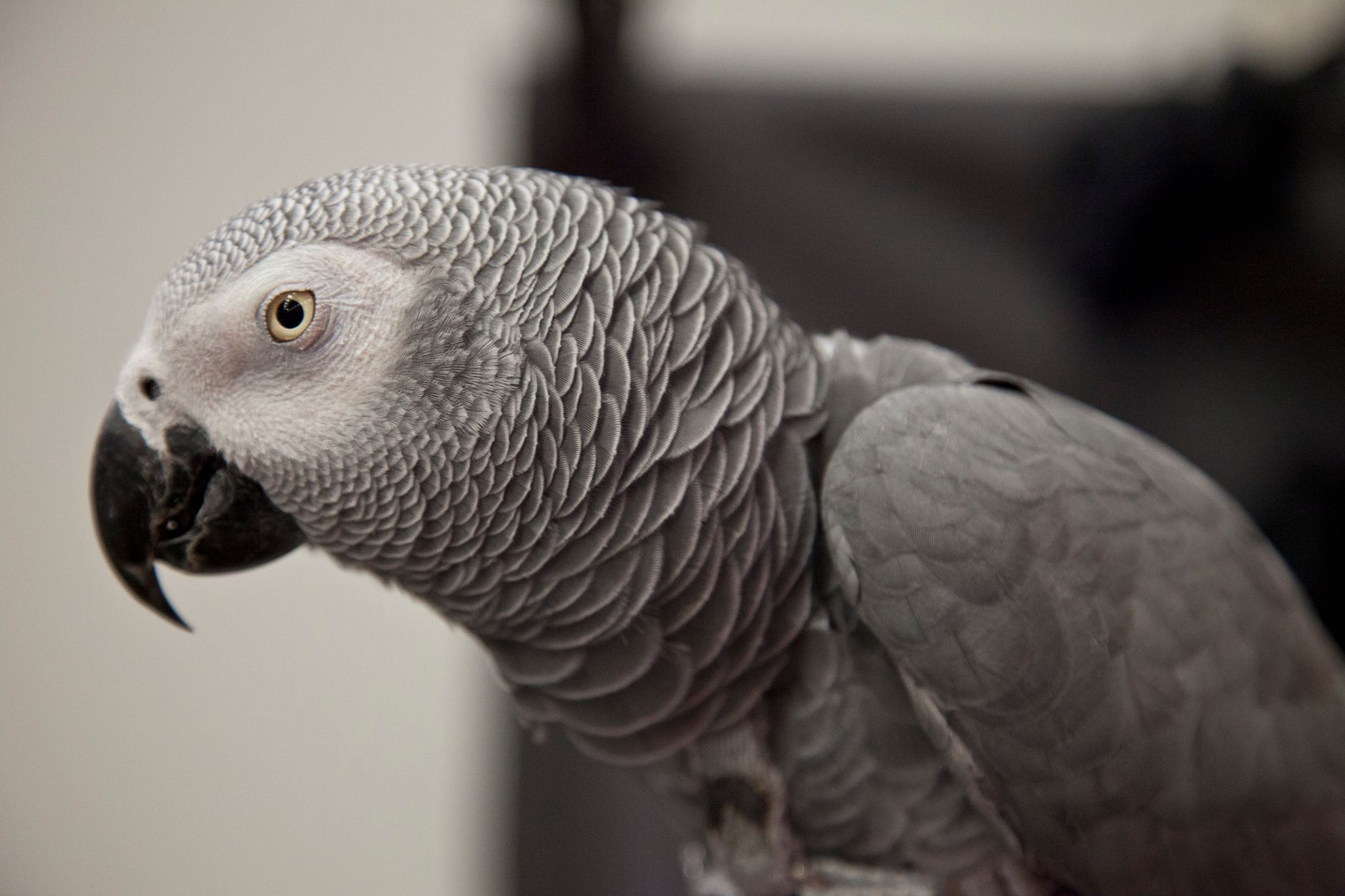
Owners often ask how to distinguish between healthy maintenance and destructive behavior. Normal preening occupies a sensible portion of your bird's day, usually following periods of rest or bathing. During routine preening, the bird uses its beak to apply preen gland (uropygial) oil, zip up barbules, and remove old dust, dander, and sheaths from new pin feathers. Feathers remain intact, though down feathers may naturally shed during seasonal molts.
By contrast, destructive feather picking leaves bare patches of skin, broken feather shafts, chewed skin margins, and missing contour feathers across the chest, underwings, flanks, and legs—areas the bird can easily reach with its beak. Head feathers usually remain untouched because the bird cannot reach them with its own beak, resulting in a distinct "barber pole" or bald chest appearance while the head looks completely normal. If you notice a clean line where your bird's beak can reach, while the head remains fully feathered, you are likely dealing with plucking rather than a systemic skin disease affecting the entire body.
It is also helpful to observe the texture of the remaining feathers. Plucked areas often show broken shafts that are jagged or crushed, whereas molted feathers feature clean, smooth, undamaged quill ends. Keeping a journal or taking dated photographs of your bird's feather tracts can help you track whether the bare patches are expanding or beginning to show signs of fuzzy pin feather regrowth.
Step-by-Step Strategy to Stop Feather Plucking
Addressing bird feather plucking takes immense patience, consistency, and time. Quick fixes rarely work because habits become deeply ingrained neuroses. Implement the following structured approach to transform your bird's environment, diet, and daily lifestyle.
1. Schedule a Comprehensive Avian Veterinary Exam
Never assume feather picking is purely behavioral without a professional assessment. Take your bird to a qualified avian veterinarian who specializes exclusively in exotic pets or birds. Diagnostic tests—such as complete blood counts (CBC), biochemical profiles, fecal examinations, skin scrapings, viral screenings (like PBFD and Polyomavirus), and radiographs—are vital to rule out hidden internal diseases or infections. Note: This guide is purely educational and does not replace professional veterinary diagnosis or treatment.
2. Optimize Daily Nutrition and Hydration
Many pet birds suffer from subtle nutritional deficiencies due to all-seed diets lacking essential vitamins, amino acids, and minerals. Transitioning your bird to a balanced diet rich in high-quality formulated pellets, fresh dark leafy greens, orange and yellow vegetables, and safe sprouted seeds can dramatically improve feather quality and skin resilience. Avoid excessive fatty nuts and seeds except as occasional training treats. For helpful meal planning strategies and portion management, you can explore the Pet Feeding Schedule Generator to maintain a reliable daily routine.
Ensure fresh, clean water is available at all times. Some birds enjoy bathing daily, which is crucial for hydrating the skin and loosening dander. Providing a shallow ceramic dish for bathing or gently misting your bird with warm water can significantly reduce skin irritation and encourage healthy preening habits.
3. Enhance Environmental Enrichment and Foraging
Boredom breeds destructive habits. In the wild, parrots spend up to six to eight hours a day searching for food. Transform your bird's captive habitat into an active, engaging playground. Introduce natural wood perches of varying diameters and textures to exercise the feet and prevent pressure sores. Provide shreddable toys made from untreated paper, cardboard, seagrass, and balsa wood. Most importantly, incorporate foraging puzzles that require your bird to work for its food just as it would in nature.
You can hide pellets inside paper muffin cups, wrap treats in untreated paper towels, or use commercial foraging boxes. To discover fresh ways to keep your companion engaged and mentally sharp, check out the Pet Enrichment Idea Generator for tailored stimulation strategies suitable for your specific bird species.
4. Establish a Predictable Sleep Schedule
Just like humans, companion birds need uninterrupted rest to regulate their stress hormones and support immune function. Ensure your bird receives 10 to 12 hours of uninterrupted, complete darkness and quiet every single night. Cover the cage with a breathable, lightweight sheet and place the cage in a low-traffic room during sleeping hours. A sleep-deprived bird is a high-stress bird prone to behavioral issues, screaming, and feather destruction.

Species-Specific Considerations: Budgies, Cockatiels, and Parrots
While the general principles of treating feather plucking apply across avian species, different birds have unique behavioral profiles and sensitivities that require tailored interventions.
Budgerigars (Budgies)
Budgies are active, social flock animals. When budgies pluck—often around the neck or chest—it is frequently linked to cage overcrowding, lack of flight space, or loneliness. Ensuring your budgie has a flight cage rather than a narrow tall cage, along with compatible companion birds or intense human interaction, can resolve the issue. Avoid mirrors, as they can cause hormonal frustration and obsessive attachment behavior.
Cockatiels
Cockatiels are prone to night frights, which can lead to panicked thrashing, broken blood feathers, and subsequent obsessive chewing of damaged areas. Providing a dim nightlight near the cage can prevent night frights. Cockatiels also require a calm, quiet environment away from chaotic household activity; chronic sensory overload is a common trigger for cockatiel feather picking.
Larger Parrots (African Greys, Cockatoos, Macaws)
Large hookbills possess the emotional intelligence of a young child. They form deep bonds and are acutely sensitive to tension in the household, changes in routine, and separation. African Greys, in particular, are famously sensitive and prone to idiopathic plucking that requires immense patience, environmental stability, and sometimes specialized avian behavioral therapy to overcome.
Common Mistakes to Avoid During Recovery
Owners trying to stop feather plucking often make well-intentioned mistakes that inadvertently prolong the issue. Avoid these common pitfalls:
- Using Elizabethan collars without addressing root causes: Collars only stop the physical act of chewing; they do not cure the underlying anxiety, itch, or boredom. Prolonged collar use can cause severe psychological distress, muscle atrophy, and secondary skin chafing.
- Punishing the bird: Yelling, spraying water, or isolating your bird for plucking only increases anxiety, damages your bond of trust, and worsens the self-destructive behavior.
- Changing environments too frequently: Moving cages constantly or introducing too many new toys and humans at once can overwhelm a sensitive bird, triggering stress-induced relapses.
- Ignoring lighting needs: Lack of adequate full-spectrum UVB lighting can negatively impact avian skin health, vitamin D synthesis, and calcium metabolism, leading to fragile feather shafts.
- Overlooking household toxins: Birds have extremely delicate respiratory systems. Exposure to non-stick cookware (PTFE/Teflon) fumes, aerosol sprays, scented candles, and cigarette smoke causes systemic irritation that manifests in skin picking.
Practical Daily Routines for Recovery
Creating a predictable, enriching daily routine helps reduce anxiety in plucking birds. Here is a sample schedule you can adapt for your companion:
- Morning (7:00 AM): Uncover the cage gently, greet your bird cheerfully, and provide fresh water and a balanced breakfast of pellets and fresh vegetables.
- Mid-Morning (9:00 AM): Open the cage for supervised out-of-cage flight or climbing time on a designated play gym. Rotate foraging toys to present a new mental challenge.
- Afternoon (1:00 PM): Offer a midday misting or bath opportunity. Provide a healthy snack, such as a piece of steamed broccoli or a fresh herb sprig.
- Evening (6:00 PM): Family dinner time interaction. Allow your bird to participate calmly with the flock while avoiding high-fat table scraps.
- Night (7:30 PM to 8:00 PM): Dim household lights, turn off televisions and loud music, place the cage cover over the enclosure, and ensure absolute quiet for 10 to 12 hours of restorative sleep.
When to Seek Urgent Veterinary Help
While chronic plucking develops over weeks or months, certain signs require immediate veterinary intervention. Seek professional care promptly if you notice active bleeding from broken blood feathers, open skin wounds or self-mutilation of muscle tissue, severe lethargy, fluffed feathers accompanied by total loss of appetite, or respiratory distress. These symptoms indicate an acute medical emergency that goes far beyond standard behavioral management and requires immediate medical stabilization, pain relief, or wound care.
Frequently Asked Questions
Can a bird ever regrow its feathers after chronic plucking?
Yes, many birds can regrow their feathers once the underlying medical or behavioral trigger is successfully resolved. However, if a feather follicle has suffered chronic, severe trauma over many years, scar tissue may form, resulting in permanent bald patches in those specific areas where feathers will never emerge again.
Are certain bird species more prone to feather plucking than others?
Yes. African Greys, Umbrella Cockatoos, Moluccan Cockatiels, Eclectus parrots, and Cockatiels are statistically more prone to feather plucking and stress-related skin picking compared to smaller species like finches or canaries, largely due to their complex emotional needs and sensitivity to captivity.
How long does it take for plucked feathers to grow back?
Typically, a newly molted or plucked feather takes anywhere from four to six weeks to fully emerge and mature from its pin feather stage. However, if the bird continues to pluck the new pin feathers as soon as they appear, the regrowth cycle is continuously disrupted, perpetuating the bare skin.
Should I use bitter sprays on my bird's feathers?
Bitter sprays are generally discouraged by modern avian behaviorists. While they make feathers taste unpleasant, they do not solve why the bird is plucking. Furthermore, forcing chemicals onto your bird's plumage can stress them further, damage natural preening oils, and fail to address the root psychological or medical driver.
Can diet alone cause a bird to pluck its feathers?
Dietary deficiencies—particularly shortages in Vitamin A, calcium, and essential amino acids—can cause severe skin dryness, itchiness, and brittle feathers. While diet alone is rarely the sole cause of chronic plucking, poor nutrition is almost always a contributing factor that must be corrected during rehabilitation.
How can I tell if my bird is molting or plucking?
During a normal molt, feathers drop out evenly across the body, including the head, and new pin feathers quickly replace them without any bare skin patches. Plucking is characterized by missing feathers in areas the bird can reach with its beak (leaving the head fully feathered), broken feather shafts, and visible skin irritation.
Is it possible for feather plucking to become a permanent habit?
Yes. Even after the original medical or environmental stressor is completely eliminated, the act of plucking can become a deeply ingrained stereotypic behavior or self-soothing habit. Breaking this habit requires extensive behavioral redirection, increased foraging, and immense guardian patience.
Helpful PawPrintHub Tools
To support your journey in caring for your companion bird and managing daily routines, explore these useful interactive resources:
- Pet Feeding Schedule Generator - Organize daily feeding times and nutritional portions.
- Pet Enrichment Idea Generator - Discover creative activities to keep your pet mentally stimulated.
Conclusion
Overcoming bird feather plucking is a journey that demands dedication, empathy, and careful observation. By looking past the physical symptom and investigating both medical health and environmental enrichment, you can help your companion bird find peace. Remember to consult a qualified avian veterinarian to rule out physical illness, optimize your bird's diet, and create a stimulating, secure habitat. With time, patience, and consistent care, you can guide your feathered friend toward healing and renewed vitality.
Support free pet guides and tools.
Buy Me a Coffee
Comments
Post a Comment