
How to Create Safe Indoor Flight Routines for Pet Birds: A Complete Companion Avian Exercise and Gym Guide
How to Create Safe Indoor Flight Routines for Pet Birds: A Complete Companion Avian Exercise and Gym Guide
For companion parrots, budgies, cockatiels, lovebirds, and other pet birds, movement is life. In the wild, birds spend hours airborne, navigating vast canopies, foraging across distances, and evading natural predators. When kept in domestic environments, even the most spacious cage restricts this natural locomotion. Without regular flight, companion birds face severe health risks, including obesity, hepatic lipidosis (fatty liver disease), muscle atrophy, cardiovascular decline, and psychological distress. Establishing safe indoor flight routines for pet birds is one of the most impactful ways an avian guardian can enhance a feathered companion's quality of life. This comprehensive guide explores how to prepare your home, condition your bird, design engaging flight zones, and maintain safety every single time your companion takes to the air.
Disclaimer: This article is for educational purposes only and does not replace professional avian veterinary advice. If your bird shows signs of injury, respiratory distress, or sudden lethargy, consult an avian veterinarian immediately.
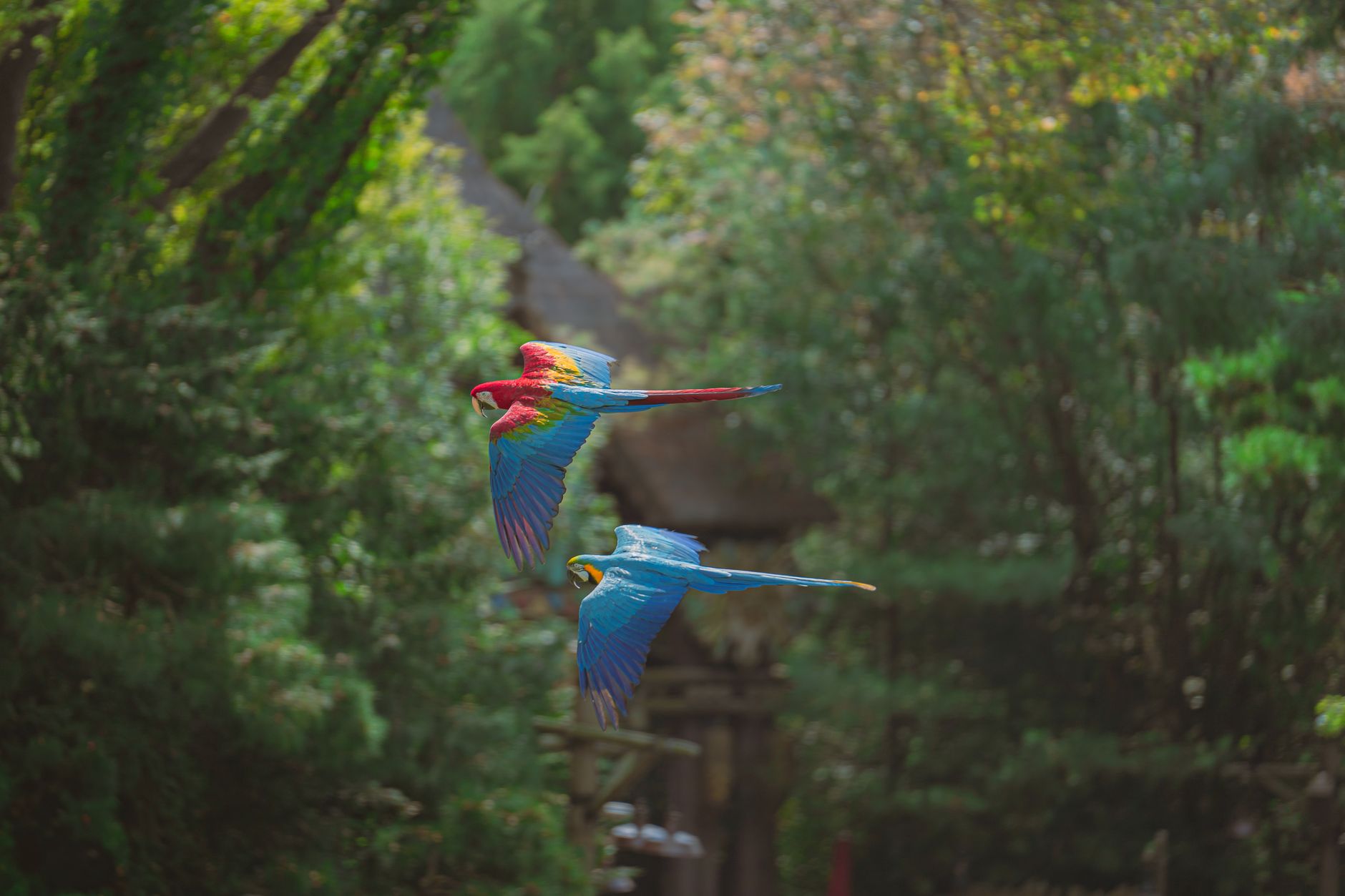
Understanding the Importance of Avian Flight and Fitness
Flight is not merely a mode of transportation for birds; it is an intricate physiological necessity. The avian respiratory system relies heavily on active movement and wing motion to help circulate air efficiently through complex air sacs and lungs. Furthermore, an active cardiovascular system keeps the heart muscle strong and robust. When birds are confined exclusively to cages or allowed only minimal out-of-cage time walking on tabletops or climbing bars, their overall stamina plummets rapidly.
Beyond physical health, flight provides essential mental stimulation. Problem-solving spatial awareness, calculating distances, adjusting to sudden air currents, and mastering precise landings build supreme confidence in companion birds. Confined birds often exhibit stereotypical behaviors such as excessive screaming, feather plucking, self-mutilation, or cage territorial aggression, which structured indoor flight routines can significantly alleviate.
Consider the anatomy of a flying bird: the pectoral muscles (breast muscles) make up a significant portion of their body weight and require regular exertion to maintain tone. Without flight, these muscles atrophy, leading to imbalances that can make future attempts at flight awkward and hazardous. Regular aerial conditioning ensures that your bird's skeletal and muscular systems work in harmonious balance, supporting longevity and vitality. To maintain this balance over years of companionship, guardians must integrate flight into the daily schedule just as they would feeding and sleeping times.
Comprehensive Roomproofing for Free Flight
Before your bird takes its first indoor flight, the environment must be meticulously secured. Unlike natural outdoor environments, human homes contain numerous hidden hazards that can prove fatal to a loose or free-flying bird. Roomproofing requires examining your space from a bird's eye view, anticipating where an uncoordinated landing or curious beak might lead them.
Eliminating Environmental Hazards
Start by identifying and neutralizing the most common household dangers for flying birds:
- Windows and Mirrors: Birds do not understand glass. A full-speed impact with a clear window or mirrored surface can cause severe head trauma, broken bones, or worse. Use sheer curtains, window decals spaced closely together, or explicitly show the glass boundary to your bird before flight sessions until they understand the barrier.
- Ceiling Fans and Open Doors: Always turn off ceiling fans completely and ensure exterior doors and windows are latched shut. Secure interior doors with doorstops to prevent accidental drafts, sudden slams, or crushing hazards.
- Kitchen Dangers: Keep birds entirely out of the kitchen during cooking and food preparation. Non-stick cookware (PTFE/Teflon) releases invisible, odorless fumes when heated that are rapidly and catastrophically fatal to birds. Hot burners, boiling pots, open sinks filled with water, and dishwashers are also major risks.
- Toxic Plants and Heavy Metals: Remove common toxic houseplants such as lilies, philodendrons, pothos, dieffenbachia, and ivy. Ensure no leaded paint, costume jewelry, heavy metal curtain weights, or exposed electrical wires are accessible in the flight zone.
- Open Toilets and Sinks: Always keep toilet lids closed. Birds can easily fall into standing water and drown because their feathers become waterlogged, preventing them from flying out.
Beyond these primary dangers, evaluate your room for pinch points behind heavy furniture, open trash cans, and unsecured bookshelves where a startled bird might wedge itself in a moment of panic. Creating a sterile, bird-safe airspace is the foundational prerequisite for any successful indoor exercise regimen.
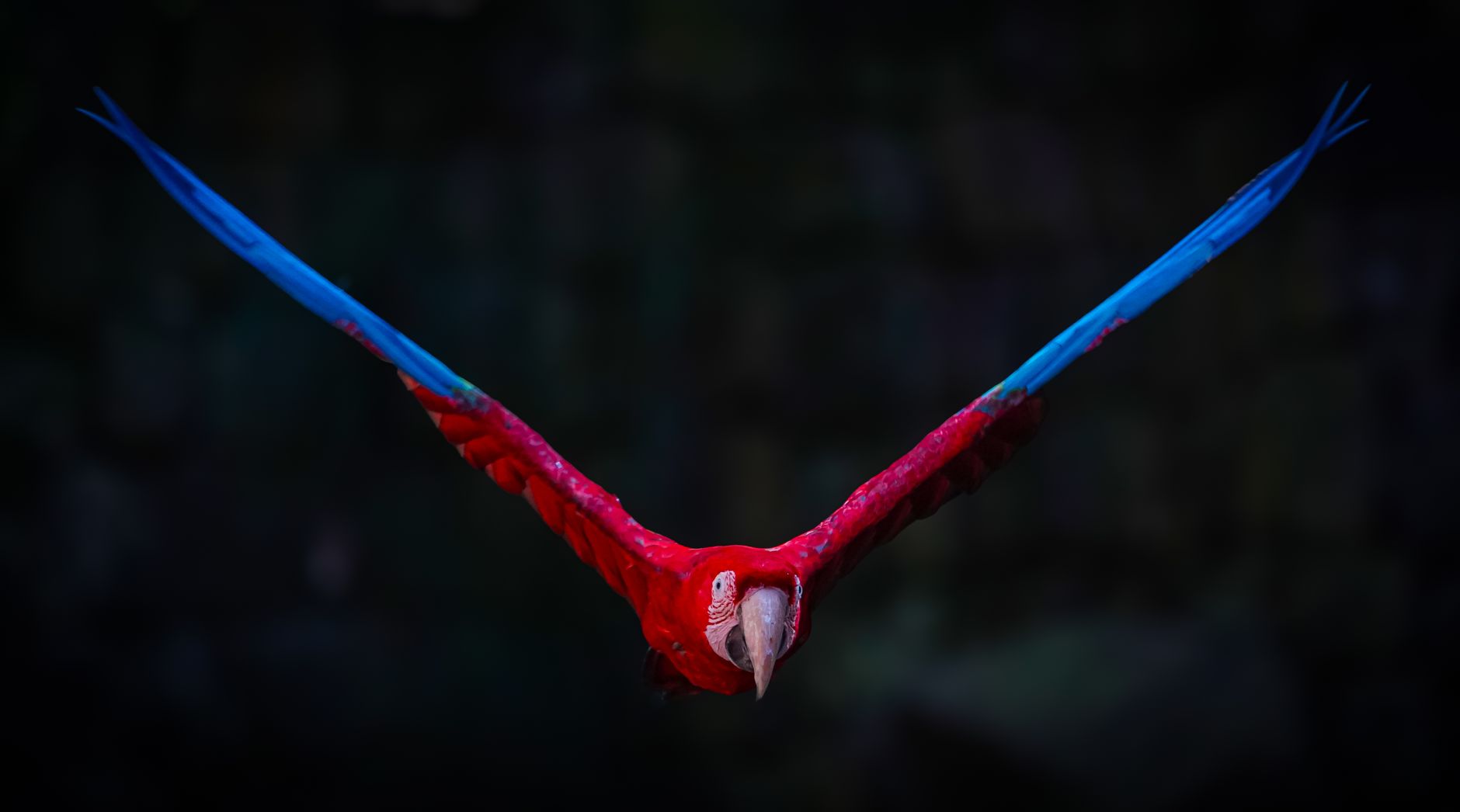
Designing Dedicated Flight Zones and Indoor Gyms
A successful indoor flight routine relies heavily on structured destination points. Birds need clear landing zones so they do not crash into walls, panic when they realize they have nowhere to perch, or land on unstable items where they might slip. Setting up dedicated avian gyms and perching stations encourages directional flying and gives purpose to their airborne excursions.
Creating Strategic Landing Stations
Place portable T-stands, hanging natural wood rope perches, or tabletop bird playgrounds around the room at varying heights. Position them near natural light sources or comfortable viewing spots away from drafts. When your bird realizes these stations offer safe footing, water, and occasional favorite treats, they will naturally target them during flight loops, building confidence and coordination.
To prevent boredom and keep your bird mentally engaged with their flight destinations, rotate toys and perches weekly. If you want to add creative enrichment to your bird's daily environment, consider using the Pet Enrichment Idea Generator to brainstorm new layout ideas, puzzle toys, and foraging stations that can be incorporated into your indoor flight room.
Building an Effective Avian Gym Routine
An indoor gym should feature diverse textures, including natural bark branches of varying diameters to exercise foot muscles and prevent arthritis. Include foraging cups attached to the gym stands so your bird is rewarded with a snack upon a successful flight landing. This positive reinforcement transforms the gym into a hub of excitement and positive psychological associations.
Step-by-Step Guide to Introducing Indoor Flight Routines
If your bird has spent weeks or months with limited flight experience due to past wing clips, cage confinement, or adoption backgrounds, patience is essential. Muscles must be rebuilt gradually, and confidence must be earned through positive reinforcement.
Step 1: Assess Current Physical Condition
Observe your bird's current stamina carefully. Can they sustain flight for ten seconds, or do they immediately land out of breath with heavy panting? If your bird is significantly out of shape, start with short, controlled stepping-up sessions on a stationary hand, followed by assisted short-distance tosses onto nearby soft surfaces like a bed or couch.
Step 2: Master Basic Recall Training
Before opening the cage door for free flight, ensure your bird has a reliable recall response (flying to your hand, arm, or T-stand on command). Practice short-distance recalls across a controlled room environment using high-value treats like millet sprays, safflower seeds, or small pieces of fresh fruit. Praise enthusiastically every time your bird successfully completes a recall.
Step 3: Establish a Predictable Daily Schedule
Birds thrive on routine and predictability. Dedicate specific morning or afternoon time slots for flight sessions when the household is calm and quiet. Avoid sudden loud noises, rushing children, or competing pets during these periods to keep environmental stress levels low and focus high.
Gradually increase the duration of these flight windows over several weeks. Start with five minutes of free flight twice a day, progressing to fifteen or twenty minutes as your bird's pectoral endurance and cardiovascular efficiency improve.
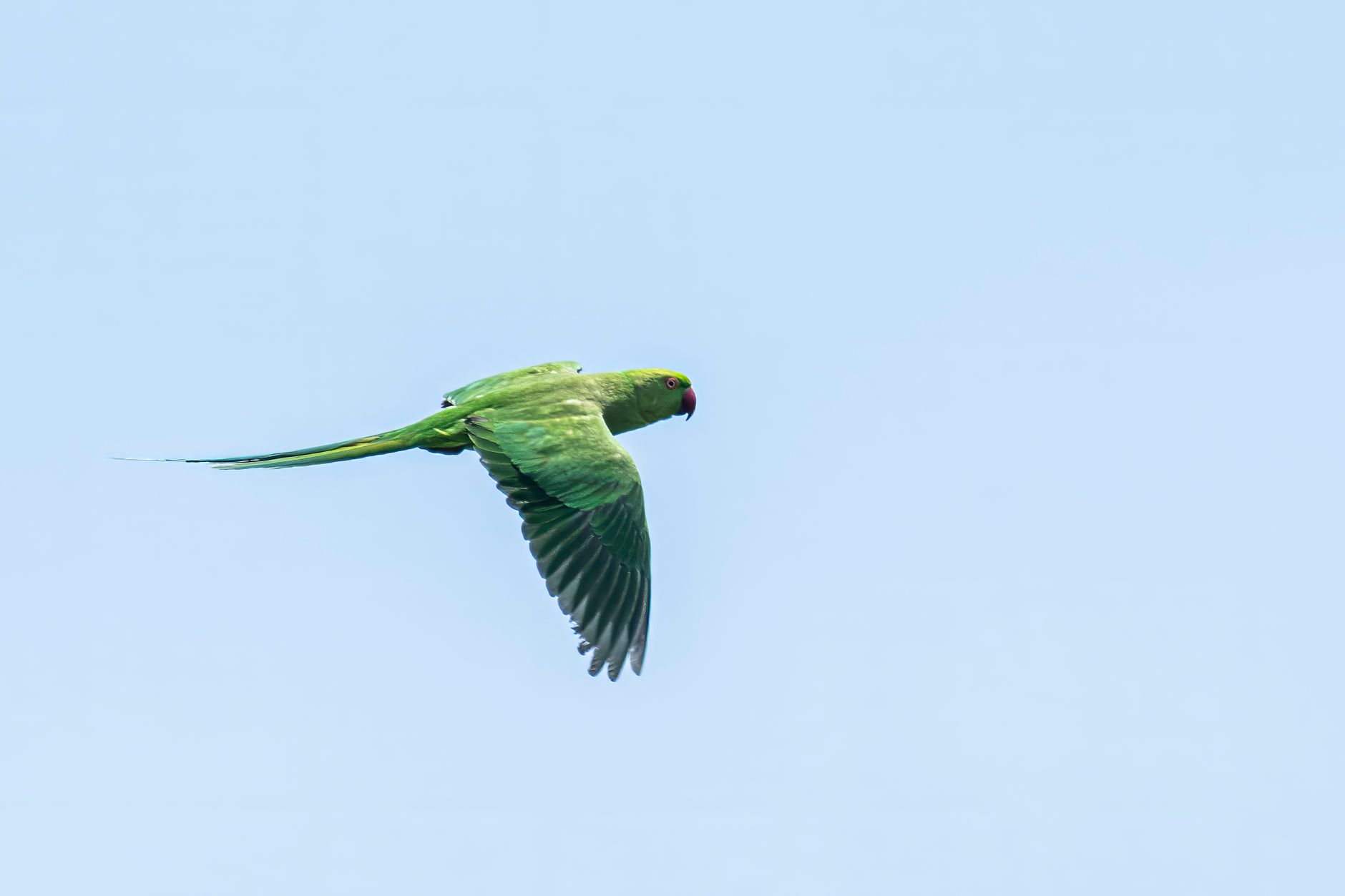
Species-Specific Flight Considerations
Different avian species possess distinct flight styles, agility levels, and endurance capabilities. Tailoring your routine to your specific bird species ensures safety and optimal conditioning.
Budgies (Parakeets) and Cockatiels
Budgies and cockatiels are high-speed, highly agile fliers. Budgies can dart rapidly across a room with sharp turns, while cockatiels are prone to night frights and sudden panic flights. For cockatiels, ensure the room has a dim nightlight capability or soft ambient lighting during flight to prevent startled panic bursts. Their lightweight frames allow for prolonged aerial maneuvers, but their speed requires careful obstacle management.
Conures and Caiques
Conures and caiques are acrobatic, playful, and often mischievous fliers. They love exploring tight spaces and landing on shoulders or curtain rods. Keep a close eye on them, as their high curiosity can lead them into un-proofed areas quickly. They benefit immensely from complex puzzle-based flight destinations that challenge their intellect.
Small to medium conures have robust musculature and can surprise owners with their explosive acceleration. Providing wide, open arcs in the room allows them to burn off excess energy safely without scuffing walls.
Large Parrots (Amazons, Greys, Cockatoos)
Larger parrots generate significant air drafts and require wider landing areas. Because of their weight, clumsy landings can result in keel bone bruises. Ensure their landing stations are heavily weighted and stable. Their flight paths are typically more deliberate and linear compared to smaller species, meaning they need longer straight-line distances to build momentum and achieve smooth braking.
Common Mistakes to Avoid During Bird Flight Sessions
Even well-intentioned bird owners can make critical errors that compromise safety or stunt their pet's progress. Be mindful of these frequent pitfalls:
- Rushing the Process: Forcing an unconditioned or terrified bird to fly in a large room can lead to severe collisions, panic, and a lasting aversion to leaving the cage.
- Leaving Dangerous Gaps: Forgetting to check behind bookshelves, refrigerators, or heavy furniture where a startled bird might wedge itself and become trapped.
- Using Harsh Retrieval Methods: Chasing a frightened bird with a towel or grabbing them roughly damages trust and ruins the positive association with flight. Always use calm persuasion, dim lighting if needed, and target training to guide them back.
- Neglecting Hydration: Strenuous flight burns energy rapidly and causes thirst. Always ensure fresh water is readily accessible before and after exercise sessions.
- Allowing Unsupervised Multi-Pet Access: Never permit dogs, cats, or ferrets in the same room during bird flight sessions. Predator instinct can trigger a tragedy in a split second.
- Overlooking Wing Feather Growth Stages: If your bird is molting or regrowing clipped flight feathers, their flight dynamics will change unpredictably. Adjust your roomproofing and expectations to match their shifting abilities.
For organizing your bird's daily care, feeding, and scheduled out-of-cage exercise blocks, you can utilize the Pet Feeding Schedule Generator to maintain a balanced, structured lifestyle for your avian companion.
Maintaining Feather Health and Flight Stamina
Flight is deeply connected to feather condition. Proper preening, bathing, and nutrition are vital for maintaining aerodynamic efficiency. Ensure your bird has access to regular bath mists, shallow bird baths, or shower opportunities, as clean feathers trap air properly and maintain flexibility.
Nutrition also plays a foundational role. A diet rich in high-quality pellets, fresh dark leafy greens, orange vegetables, and appropriate sprouted seeds provides the protein and calcium necessary for strong feather shafts and robust muscle recovery after flight workouts. Guard against nutritional imbalances that can lead to brittle feathers or weak barbules, which compromise lift and maneuverability.
When to Seek Professional Avian Guidance
While structured indoor flight is natural and healthy, certain red flags require expert veterinary intervention. If your bird displays chronic reluctance to fly despite physical maturity, persistent breathing difficulties or wheezing after minimal movement, asymmetrical wing flapping, drooping wings at rest, or sudden balance issues, schedule an examination with a certified avian veterinarian. Underlying nutritional deficiencies, respiratory infections, air sac mite issues, or wing injuries must be diagnosed and treated by a qualified specialist.
Never attempt to force exercise on a bird exhibiting respiratory distress or lethargy. An avian vet can perform baseline blood panels, check organ function, and evaluate musculoskeletal health to ensure your companion is fully cleared for an active exercise regimen.
Frequently Asked Questions
How long should a pet bird fly each day?
Most companion birds benefit from 30 to 60 minutes of supervised out-of-cage flight time daily, divided into two or three sessions depending on their stamina and age.
What should I do if my bird refuses to return to its cage after flying?
Avoid chasing your bird, as this turns retrieval into a stressful game. Instead, dim the lights slightly to encourage calm behavior, offer their favorite treat inside the open cage door, or use a trusted target stick to guide them back step-by-step.
Can clipped-wing birds participate in indoor flight routines?
Clipped birds cannot achieve sustained flight, but they can practice "controlled glides" onto soft surfaces to maintain basic muscle engagement. However, as feathers molt and regrow, owners must gradually upgrade roomproofing measures to prepare for full flight capability.
Are certain rooms safer than others for bird flight?
Bedrooms and home offices without kitchens, fireplaces, or excessive breakable items generally make the safest indoor flight environments. Ensure all windows are covered and ceiling fans are disabled.
How do I know if my bird is getting too tired during flight?
Signs of fatigue include heavy panting, drooping wings, holding the beak slightly open while breathing, and seeking out perches immediately instead of exploring. Always allow resting periods when these signs appear.
What treats are best for rewarding flight recall?
Small, highly motivating treats work best. A tiny sprig of spray millet, a sliver of almond, or a favorite fresh berry given immediately upon successful landing reinforces the desired behavior.
How can I stop my bird from flying into walls?
Cover bare windows with sheer curtains or decals, ensure good lighting throughout the room, and provide obvious, high-contrast landing perches so the bird always has a clear visual destination.
Should I clip my bird's wings for indoor safety?
Wing clipping is a personal management choice, but many avian behaviorists recommend allowing flight because it builds confidence, improves physical health, and reduces behavioral problems. If you choose flight, proper roomproofing is mandatory.
Helpful PawPrintHub Tools
Explore our suite of interactive tools to help manage your pet care journey effortlessly:
Support free pet guides and tools.
Buy Me a Coffee
Comments
Post a Comment