
How to Cure Bird Screaming Behavior: Managing Excessive Vocalization in Parrots and Companion Birds
Sharing your home with a pet bird can be an immensely rewarding experience, filled with cheerful chirps, gentle coos, and sometimes surprising mimicry. However, when normal vocalization escalates into chronic, ear-piercing screaming, the harmony of your household can quickly dissolve. Understanding how to cure bird screaming behavior requires patience, observation, and a deep dive into the psychological and physical needs of your avian companion. Parrots and other companion birds do not vocalize excessively without a reason; screaming is always a form of communication. Whether your feathered friend is reacting to boredom, seeking attention, expressing fear, or experiencing hormonal shifts, identifying the root cause is the first step toward restoring peace. This comprehensive guide explores actionable strategies to manage and reduce loud vocalizations, helping you build a calmer, happier environment for both you and your pet bird.
Parrots, cockatiels, conures, and budgies are highly intelligent, social creatures designed by nature to communicate constantly. When they are removed from their wild flocks and integrated into human households, their vocalizations often need translation. Many owners mistakenly believe that birds scream out of spite or sheer malice, but avian behaviorists emphasize that animals do things because those actions yield results. If screaming gets your bird a reaction, food, freedom, or even a scolding, the behavior is successfully reinforced from the bird's perspective. Changing this dynamic requires a systematic approach that redefines what actions yield rewards in your household.
Disclaimer: This article is for educational purposes only and does not replace professional avian veterinary advice. Sudden changes in vocalization can sometimes indicate underlying medical conditions, pain, or illness. Always consult a qualified avian veterinarian if your bird exhibits sudden or severe behavioral shifts.
Understanding Why Pet Birds Scream
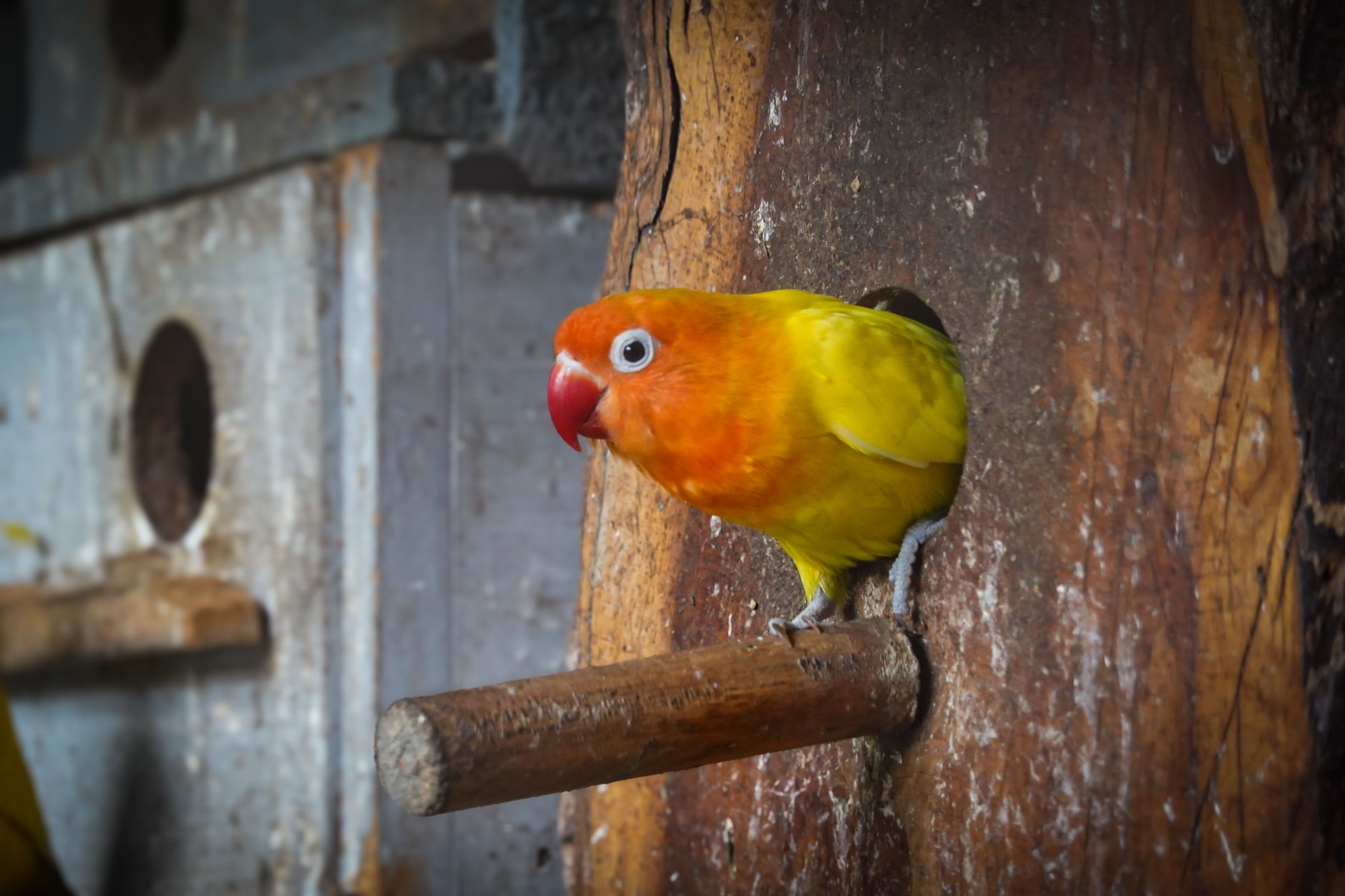
Before you can effectively address excessive noise, you must understand why birds scream in the first place. In the wild, vocalizations are essential for survival. Flock animals use loud calls to locate family members, warn of approaching predators, or announce territorial boundaries. When birds are kept as household pets, these natural instincts do not simply disappear; instead, they are redirected toward human family members who act as surrogate flock members.
Attention-seeking behavior is one of the most common triggers for chronic screaming. If a bird learns that screaming results in immediate human interaction—even if that interaction consists of yelling, rushing over, or giving treats—the behavior is instantly reinforced. Fear and anxiety can also manifest as frantic vocalizations, particularly in newly adopted birds or those exposed to sudden environmental stressors like loud household appliances, unfamiliar pets, or outdoor predators visible through windows. Furthermore, environmental monotony is a major culprit. Without adequate physical stimulation and foraging opportunities, intelligent species like African Greys, Amazons, and Conures easily become frustrated.
Another vital aspect to consider is the acoustic environment of your home. Birds often try to communicate over background noise. If television sets, radios, or household chatter are loud, your bird may scream simply to be heard over the ambient din. Observing your bird's body language during vocalization sessions provides critical clues. Are their feathers sleek and flattened against their body? Are their pupils pinning rapidly? Is their crest fully raised (in cockatiels) or tail flared? Each of these physical indicators helps distinguish between excited greeting calls, territorial warnings, and panicked alarm calls.
The Role of Hormones and Territory
As birds mature, seasonal hormonal fluctuations can trigger intense territorial or mating-related vocalizations. During breeding season, even well-behaved birds may become louder and more insistent. Recognizing these natural cycles helps owners respond with empathy rather than frustration, adjusting light cycles and environmental triggers accordingly. Understanding the biological clock of your bird is crucial; many species experience heightened hormonal surges during longer daylight hours in spring and summer, which directly impacts their vocal pitch and frequency.
Hormonal screaming is often accompanied by other behaviors such as nest-seeking, pacing along cage perimeters, regurgitation, and defensive nipping. To mitigate hormonal vocalizations, it is essential to avoid triggering mating responses. Pet owners should never pet a bird on its back, wings, or tail, as these areas are erogenous zones. Additionally, remove any dark, enclosed spaces from the cage or play areas that might mimic a nesting cavity, and strictly limit access to high-fat, high-calorie foods that signal an abundance of seasonal breeding resources.
Comprehensive Daily Routines for Calm Avian Companions
Establishing a predictable, structured daily routine is one of the most effective long-term solutions for curbing excessive vocalization. Birds are creatures of habit who derive immense psychological comfort from knowing what to expect throughout their day. When chaos or unpredictability enters their environment, stress levels rise, often culminating in loud, repetitive screaming sessions.
A well-structured daily schedule should balance social interaction, independent foraging, quiet rest periods, and physical exercise. Begin each morning at the exact same time by uncovering the cage in a calm, gentle manner. Greet your bird with a soft, cheerful tone rather than an excited shriek. Provide fresh, clean water and nutritious meals, incorporating a mix of high-quality pellets, fresh vegetables, and occasional whole-grain treats. Following the morning feeding, allocate dedicated out-of-cage bonding time before transitioning into periods where your bird must entertain themselves while you handle household responsibilities.
Midday should feature puzzle feeders, shredding items, and rotating toys to maintain mental engagement. As evening approaches, begin winding down household activities. Lower the volume of televisions and music, dim room lighting, and ensure your bird is tucked in for 10 to 12 hours of absolute darkness and uninterrupted sleep. This unwavering consistency signals safety and reduces the anxiety-driven vocalizations common in insecure pets.
Consider implementing a mid-afternoon quiet time as well. Many wild birds rest during the hottest parts of the day. By dimming the lights slightly or lowering household activity levels for thirty minutes in the afternoon, you can encourage your bird to rest, preen, and lower its overall arousal state before the evening rush.
Step-by-Step Strategies to Encourage Quiet Behavior
Addressing loud vocalization successfully relies heavily on positive reinforcement and consistency rather than punishment. Punishing a screaming bird—by yelling, tapping the cage, or using water sprays—only serves to frighten the animal, damage the fragile human-bird bond, and often paradoxically reinforces the noise by making the owner part of the flock's chaotic drama. Try these proven steps instead:
- Never reward screaming with attention: The moment your bird starts screaming for attention, completely ignore them. Do not make eye contact, do not speak, and do not walk toward the cage. Wait patiently for a moment of silence or a soft chirp.
- Immediately reinforce quiet behavior: The exact second your bird stops screaming and makes a pleasant sound, offers a soft whistle, or sits quietly, rush over to praise them, offer a favorite treat, or provide calm interaction. This teaches the bird that quiet behavior gets results.
- Establish a predictable daily routine: Birds thrive on routine and feel secure when they know what to expect. Keep consistent schedules for waking up, feeding, cage cleaning, out-of-cage time, and lights-out sleep.
- Provide high-value mental enrichment: Boredom is a primary driver of behavioral noise. Introduce complex foraging toys, puzzle feeders, and safe shredding materials to keep your bird's active mind occupied throughout the day.
- Teach an alternative vocalization: Train your bird to use a doorbell chime, a specific soft whistle, or a spoken word like "hello" to request attention instead of resorting to high-decibel shrieking.
When implementing the ignore-and-reward method, consistency is paramount. If you ignore ninety-nine screaming fits but give in on the hundredth because you have a headache or a phone call, you have successfully taught your bird that persistence pays off. Your bird will now escalate their screaming further, knowing that if they scream long enough, you will eventually cave. Enlist all members of your household to ensure everyone follows the exact same rules without exception.
Environmental Modifications for a Calmer Bird
Sometimes, simple adjustments to your bird's physical environment can drastically reduce noise levels. Consider where your bird's cage is located. While birds enjoy being part of family activities, cages placed in high-traffic hallways, near blaring televisions, or right next to exterior windows where stray cats or hawks pass by can cause chronic overstimulation and defensive screaming.
Ensure your companion receives 10 to 12 hours of uninterrupted, dark sleep every single night by covering the cage with a breathable, lightweight sheet and placing the room in quiet darkness. Sleep deprivation is a frequent, overlooked cause of crankiness and excessive vocalization in pet birds. Additionally, rotate toys weekly to prevent toy fatigue, ensuring your bird always has something fresh and intriguing to explore.
Furthermore, evaluating the lighting in your bird's room is essential. Full-spectrum avian lighting mimicking natural sunlight can regulate mood and reduce hormonal behavioral spikes. Avoid placing cages in drafty areas or directly under air conditioning vents, as physical discomfort can manifest as irritability and increased vocalization. Cage size also matters immensely; a cramped cage restricts movement, builds physical tension, and contributes heavily to nervous habits and vocal outbursts.
Integrating natural wood perches of varying diameters rather than smooth, uniform dowels helps keep your bird's feet healthy while providing tactile satisfaction. Positioning the cage so that at least one side is backed against a solid wall can also give your bird a sense of security, reducing the feeling of vulnerability that often triggers alarm calling.
Common Mistakes to Avoid When Dealing With Avian Noise
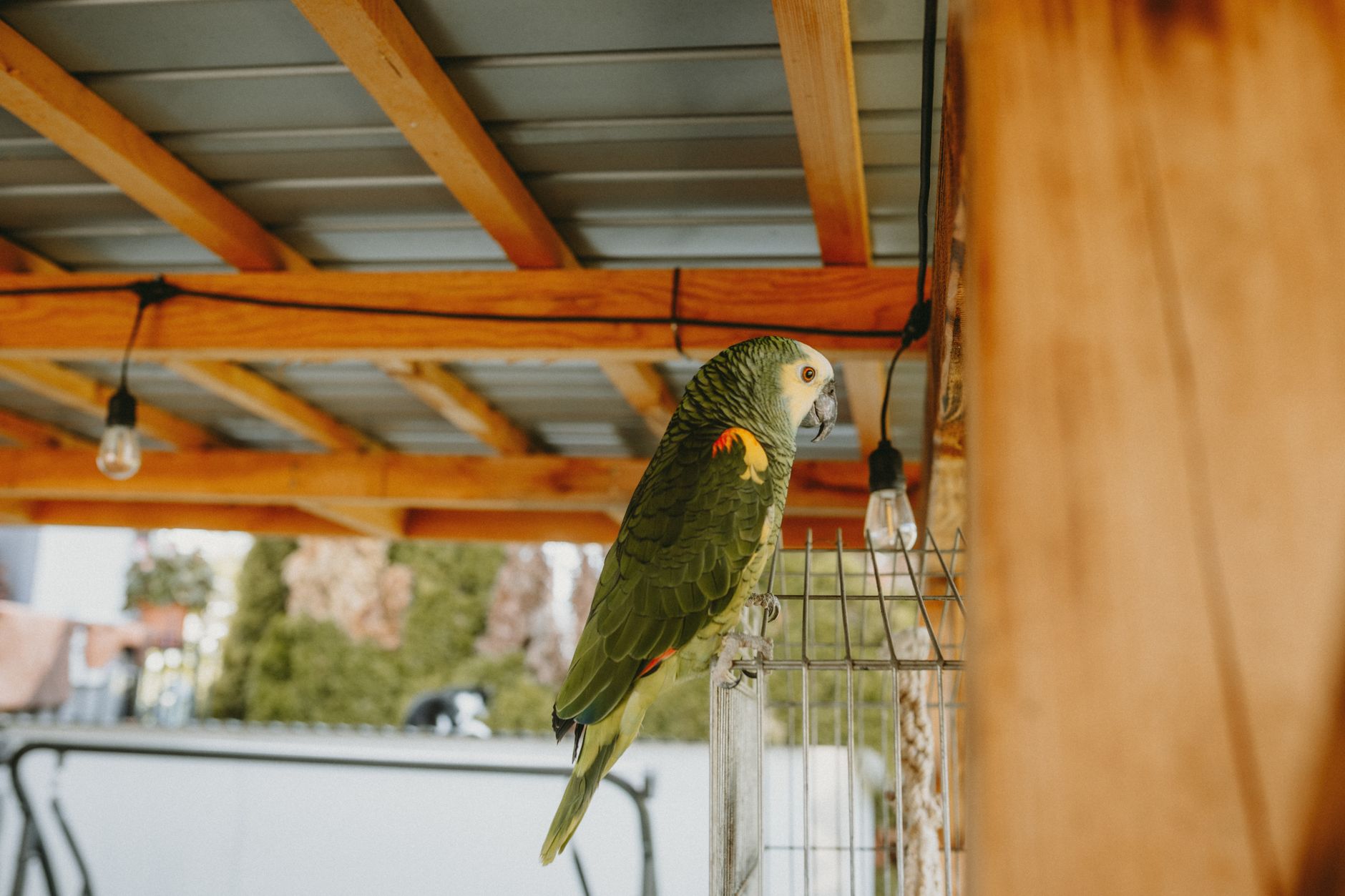
Even well-meaning bird owners frequently make mistakes that inadvertently encourage and prolong screaming behavior. Avoiding these common pitfalls will accelerate your progress:
- Inconsistent boundaries: Giving in after ignoring a screaming bird for ten minutes teaches the bird that screaming works as long as you persist long enough. Consistency is vital.
- Rushing to the cage in a panic: If you run across the room every time your bird shrieks, your bird interprets your frantic movement as an exciting flock reaction to danger or fun.
- Neglecting out-of-cage social time: Birds are deeply social creatures. A bird left isolated in a corner all day will inevitably vocalize out of sheer loneliness.
- Using harsh corrections: Shouting back at a screaming bird essentially joins in the flock call, validating the noise and increasing overall household stress levels.
- Overfeeding sugary treats: High-sugar diets can cause energy spikes and erratic behavioral patterns, including sudden bursts of frantic vocalization.
Another subtle mistake is reinforcing vocalization through body language cues. Even if you do not speak or make eye contact, turning your head sharply toward the cage or sighing audibly can be perceived by an observant parrot as an interactive response. Total neutrality is required when withholding attention. Furthermore, changing toys or offering treats *while* the bird is screaming teaches them that loud noise summons new items. Always wait for a quiet interlude before delivering rewards or enrichment.
Species-Specific Vocalization Realities
It is important to remember that different avian species possess vastly different vocal capacities and natural tendencies. Expecting a large Cockatoo or Amazon parrot to remain completely silent is unrealistic, as their natural biology dictates loud morning and evening flock calls. Understanding these baseline realities helps owners set achievable behavioral goals.
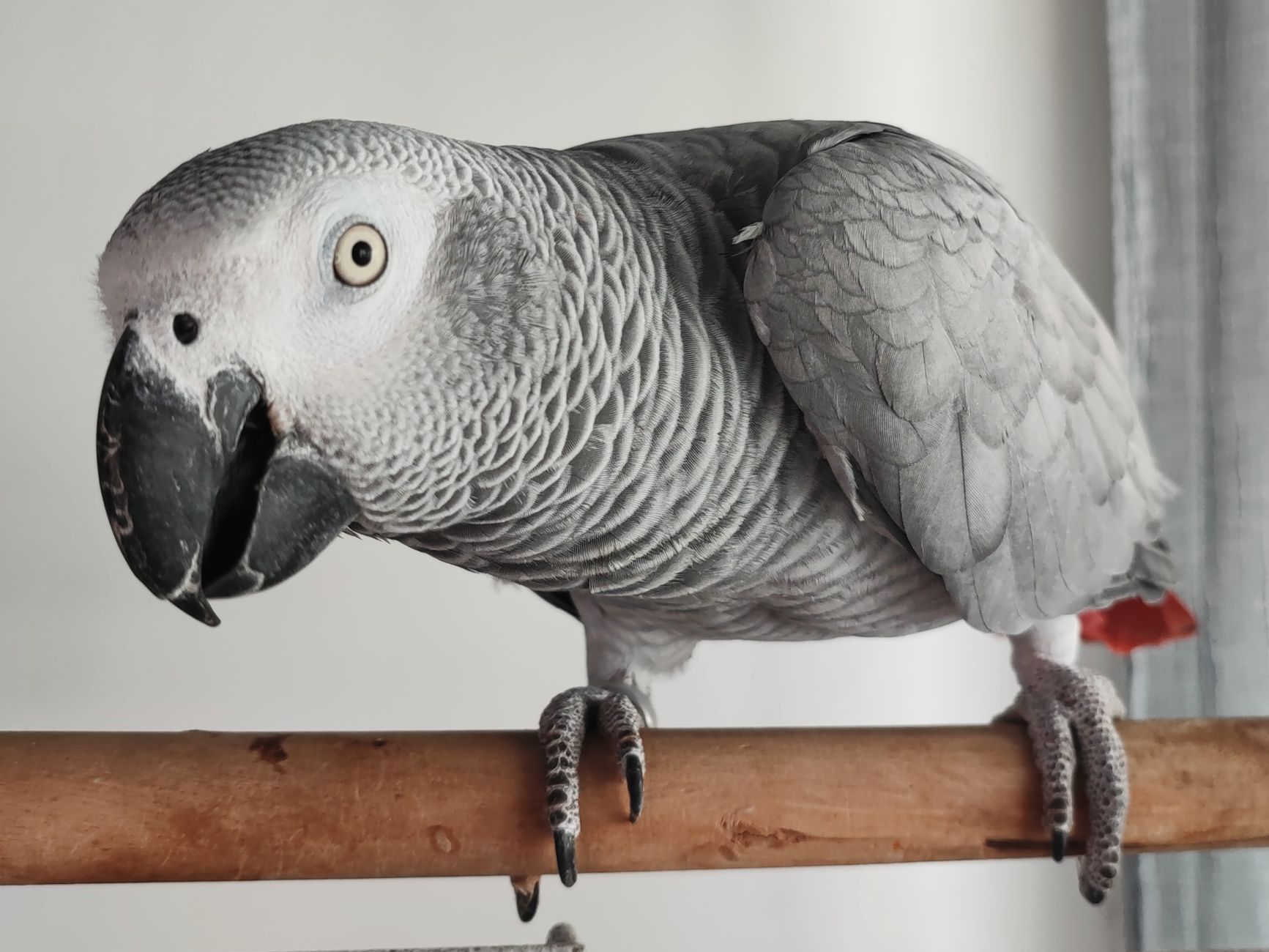
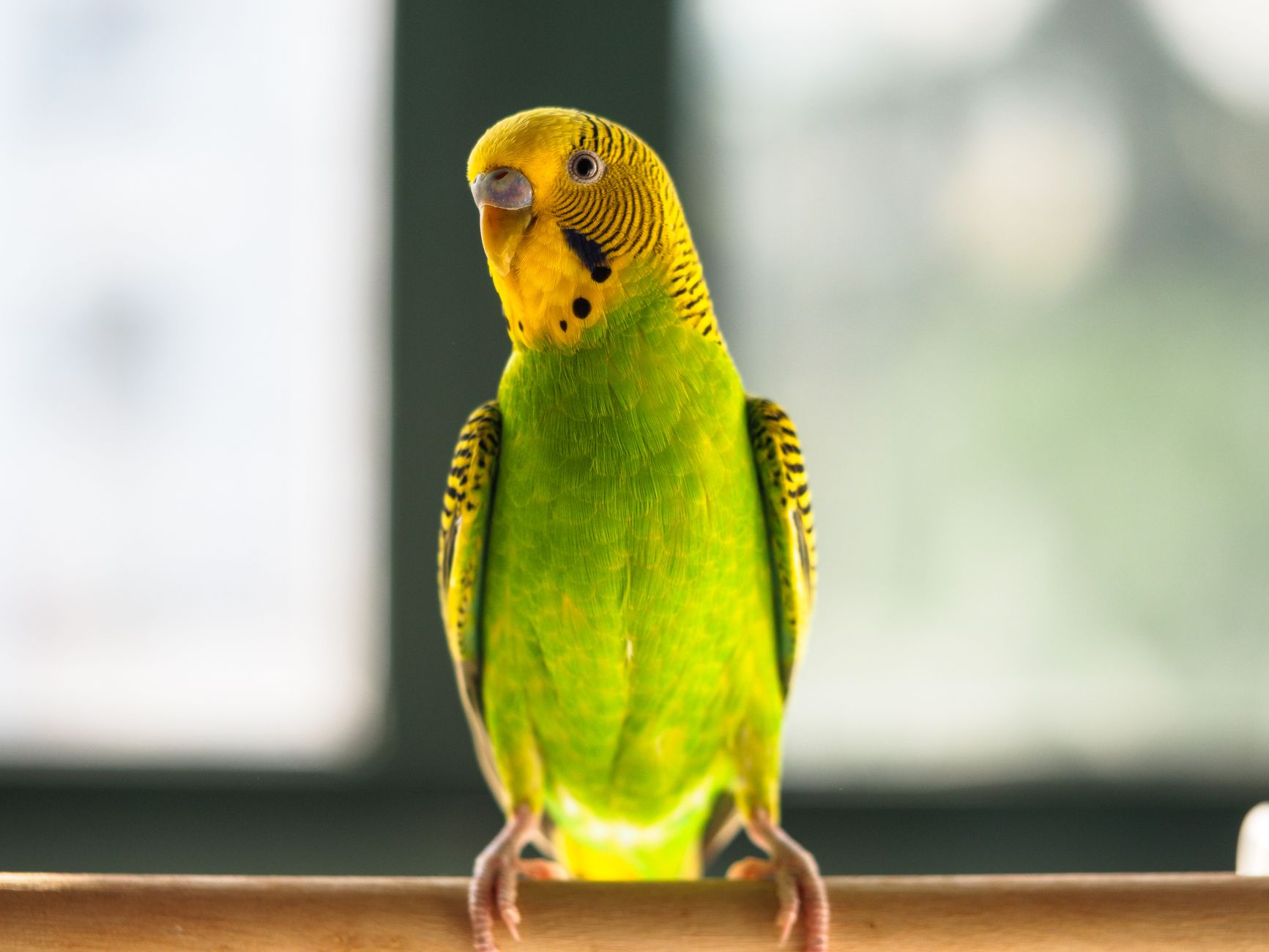
Smaller companion birds, such as Budgies and Cockatiels, typically produce higher-pitched chatter rather than deep, window-shattering screams, though their sustained vocalizations can still test household patience. Meanwhile, medium-to-large parrots like African Greys, Conures, and Macaws are renowned for possessing exceptionally powerful lungs capable of reaching decibel levels comparable to lawnmowers or power tools. Tailoring your training expectations to match your specific bird's natural inclinations ensures a frustration-free journey toward better household harmony.
For instance, Sun Conures are legendary for their piercing, high-frequency contact calls that can carry across large open spaces. Owners of such species must learn to accept moderate, brief morning and evening calls as a normal expression of healthy animal behavior, focusing their behavioral training on eliminating nuisance screaming rather than trying to achieve absolute silence.
When to Seek Professional Avian Guidance
If you have consistently applied positive reinforcement, adjusted your daily routine, and enriched your bird's environment for several weeks without seeing any reduction in screaming, it is wise to consult a certified avian behaviorist or an experienced veterinarian. Persistent vocalization can sometimes mask underlying health problems, chronic pain, or severe psychological trauma that requires specialized intervention.
Signs that professional help is urgently needed include feather-picking accompanying the vocalization, self-mutilation, complete loss of appetite, or sudden, unprovoked aggression directed at favorite human companions. A thorough wellness check by an avian specialist will rule out hidden infections, respiratory distress, nutritional deficiencies, or neurological issues that ordinary behavioral training cannot resolve.
Avian veterinarians can perform diagnostic blood panels, crop swabs, and feather analyses to ensure your bird's metabolic and hormonal systems are functioning correctly. If physical health is verified, an accredited behaviorist can observe your home environment and pinpoint subtle triggers that you might have missed during day-to-day management.
Frequently Asked Questions
Why does my bird scream as soon as I leave the room?
This is a classic flock call. In the wild, leaving visual contact means potential danger. Your bird is calling out to ensure you are safe and to find out where you are going. Acknowledging them with a calm, reassuring voice from another room before you leave can help reduce this anxiety.
Is it okay to cover my bird's cage during the day to quiet them down?
Covering a bird during the day as a punishment is generally discouraged because it causes confusion and fear. However, if your bird is experiencing a hormonal or overstimulated frenzy, a brief 10-to-15-minute "time-out" in a dimly lit, quiet room can sometimes help them decompress.
How long does it take to retrain a screaming bird?
Behavior modification takes time and unwavering consistency. Depending on how long the habit has been reinforced, it can take anywhere from a few weeks to several months to see a lasting change in your bird's vocal habits.
Can certain bird species never be quiet?
Certain species, such as Conures, Amazons, and Cockatoos, are naturally predisposed to louder, more frequent vocalizations than smaller species like Budgies or Bourkes Parakeets. Understanding your specific bird's natural vocal range is essential for setting realistic expectations.
Should I punish my bird when they scream too loudly?
No. Physical punishment, yelling, or startling your bird damages trust and often makes the screaming worse by increasing anxiety or turning the response into a high-energy game.
How do I know if my bird is screaming due to illness?
Behavioral screaming is usually tied to specific triggers like attention or boredom. If your bird is screaming persistently while also showing signs of lethargy, fluffed feathers, reduced appetite, or drooping wings, contact an avian veterinarian immediately.
Helpful PawPrintHub Tools
To help you manage your pet bird's care, daily schedules, and enrichment routines more effectively, explore these free interactive tools:
- Pet Enrichment Idea Generator - Discover fresh, engaging mental stimulation ideas for your intelligent companion.
- Pet Name Generator - Looking for inspiration for a new feathered family member? Explore creative naming options.
Conclusion
Curing bird screaming behavior is not about forcing a naturally vocal animal into complete silence; rather, it is about teaching healthy communication patterns and ensuring your companion's physical, mental, and social needs are fully met. By identifying the triggers behind the noise, eliminating accidental rewards for screaming, heavily reinforcing quiet and polite vocalizations, and providing robust daily enrichment, you can transform a chaotic, noisy household into a peaceful sanctuary. Remember that patience, consistency, and empathy are your greatest tools. With time and dedication, you and your feathered companion can enjoy a harmonious relationship built on mutual trust and understanding.
Support free pet guides and tools.
Buy Me a Coffee
Comments
Post a Comment