
How to Clean Pet Eye Stains Safely at Home: A Complete Canine and Feline Hygiene Guide
Keeping your furry companion looking and feeling their best involves much more than just brushing their coat or giving them regular baths. Facial hygiene, particularly around the delicate eye area, plays a vital role in everyday pet care. Many pet owners notice unsightly reddish-brown streaks, crust buildup, or damp fur beneath their dog or cat's eyes. Learning how to clean pet eye stains safely at home not only improves your pet's aesthetic appearance but also protects their sensitive skin from irritation, bacterial accumulation, and painful moisture-related dermatitis. Whether you share your home with a flat-faced canine breed prone to heavy tearing or a sleek feline with occasional discharge, mastering gentle cleaning techniques ensures a stress-free grooming routine for both of you. Establishing a dedicated wellness routine requires consistency, patience, and a thorough understanding of why these stains occur in the first place.

Before diving into grooming routines, please note: This article is strictly educational and does not replace professional veterinary care. If your pet experiences sudden changes in eye discharge, cloudiness, squinting, or obvious discomfort, consult a veterinarian immediately.
Understanding Why Pet Eye Stains Happen
Before you begin wiping and scrubbing, it helps to understand the root cause of those stubborn discoloration marks. The reddish-brown tint commonly seen on light-furred animals is primarily caused by porphyrins—iron-containing compounds that are excreted through tears, saliva, and sweat. When these pigments sit on a pet's fur for an extended period, exposure to air and light oxidizes them, leaving behind dark stains that can be difficult to remove without a consistent hygiene strategy.
Excessive tearing, medically known as epiphora, can be triggered by several everyday factors that impact both dogs and cats:
- Anatomical structure: Brachycephalic breeds (such as Persian cats, Pugs, Shih Tzus, Maltese, and Bulldogs) often have shallow eye sockets, prominent eyeballs, and narrow or blocked tear ducts that cannot drain fluid efficiently.
- Environmental irritants: Dust, pollen, cigarette smoke, aerosol sprays, and household cleaning chemicals can stimulate excess tear production as the body attempts to flush out foreign particles.
- Dietary factors: Certain mineral contents in tap water or specific pet food additives may influence tear chemistry, though individual sensitivities vary wildly.
- Eyelash positioning: Inward-growing eyelashes (distichiasis) or rolling eyelids (entropion) can constantly rub against the cornea, causing continuous irritation and watering.
- Allergies: Seasonal or food allergies often manifest as increased ocular discharge and facial rubbing.
Understanding these triggers helps you address the source rather than just managing the symptoms on the surface. While some structural causes cannot be altered without surgical intervention, meticulous daily upkeep keeps the resulting staining under control. Additionally, understanding the biochemical nature of porphyrin helps owners realize that moisture management is just as important as chemical removal.
Essential Supplies for Safe Home Eye Cleaning
Never use harsh human products, rubbing alcohol, hydrogen peroxide, or unverified home remedies near your pet's eyes. The skin around the ocular region is extremely thin, and any harsh chemical entering the eye can cause severe corneal damage, chemical burns, or intense stinging. Selecting the proper tools ensures that every cleaning session is safe, efficient, and comfortable for your animal companion.
Gather these safe, pet-friendly supplies before starting your session:
- Sterile saline solution (ophthalmic grade, without preservatives or additives) or a veterinarian-recommended commercial tear stain remover specifically formulated for pets.
- Soft, lint-free cotton rounds, cosmetic pads, or sterile gauze squares. Avoid standard cotton balls, as stray fibers can easily fray and get trapped inside the eye.
- A specialized, fine-toothed metal or plastic pet grooming comb (use with extreme caution well away from the eyeball) to gently untangle damp facial hair.
- A soft, dry microfiber towel to catch stray moisture and comfort your pet during the process.
- High-value training treats to reward your pet for calm behavior.
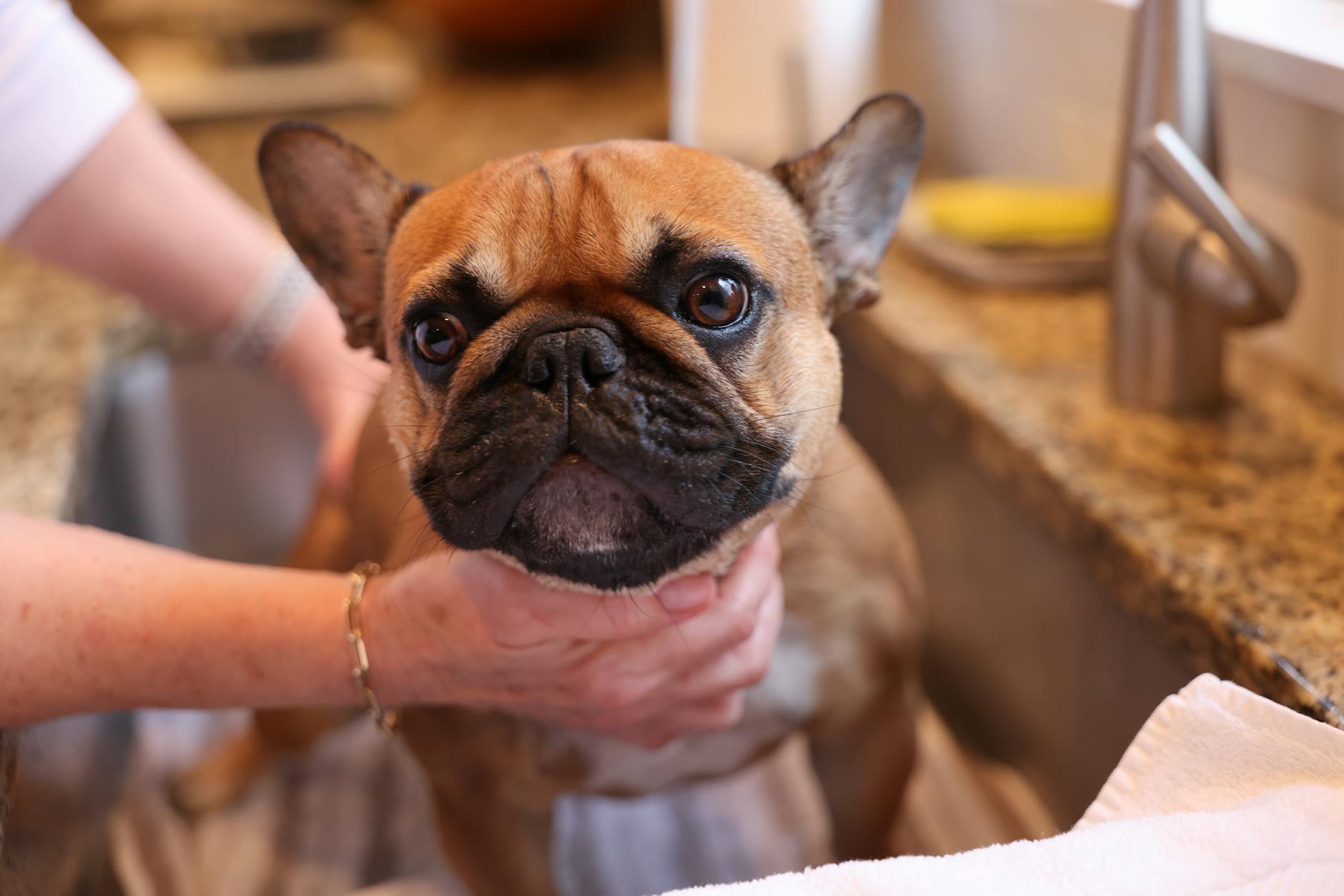
Step-by-Step Guide: How to Clean Pet Eye Stains Safely at Home
Establishing a calm, predictable environment is key to successful grooming. Choose a quiet time of day when your pet is naturally relaxed—perhaps after a long walk or a play session. Avoid cornering or rushing them, as patience builds trust and prevents accidental slips during the cleansing process.
Step 1: Position and Comfort
Find a well-lit area in your home where you can comfortably see your pet's facial features. Seat your pet securely on your lap or beside you on a stable, non-slip surface. Speak in a soothing, gentle voice and offer a small, high-value treat to establish a positive association with the grooming station. If your pet is squirmy, consider having a helper gently cradle their body while you focus on the face.
Step 2: Soften Dried Crusts
If your pet has hard, dried crusts stuck to the fur or skin corners, never pull or yank them away, as this will tear the delicate skin and cause pain. Instead, dampen a sterile cotton pad with lukewarm water or sterile saline solution. Hold the damp pad gently against the crust for 30 to 60 seconds. The moisture will soften the hardened mucus and protein buildup, allowing it to release naturally without damaging the underlying skin.
Step 3: Wipe Away Debris and Porphyrin Stains
Using a fresh, damp pad soaked in your approved eye-cleaning solution, wipe gently starting from the inner corner of the eye and moving outward along the natural line of the muzzle. Always wipe away from the eyeball to prevent sweeping debris back onto the cornea. Use a completely clean section of the pad (or a new pad entirely) for the other eye to prevent cross-contamination if bacteria or minor irritation is present.
Step 4: Dry the Area Thoroughly
Moisture is a breeding ground for yeast and bacteria, which can quickly turn a simple stain into a smelly fungal infection. Once the crust and discoloration are cleaned away, take a clean, dry cotton pad or a soft microfiber cloth and gently blot the area until it is completely dry. If your pet tolerates it, you can use a hairdryer set to the lowest, coolest setting held at least twelve inches away to ensure no dampness remains in deep facial folds.
Species-Specific Hygiene Routines: Canine vs. Feline Care
While the fundamental science of cleaning eye stains remains similar for both dogs and cats, their temperaments and physical structures require tailored approaches. Tailoring your technique to your specific species ensures that grooming remains a positive bonding experience rather than a stressful chore.
Canine Eye Hygiene Routine
Dogs, particularly small companion breeds and spaniels, often develop significant staining due to long facial hair around the eyes. Incorporating a daily check into your morning or evening routine works best. For dogs with heavy coats, keeping the hair around the eyes trimmed short by a professional groomer drastically reduces the surface area where porphyrins can cling. Always praise your dog enthusiastically and offer a treat immediately following the cleanup session.
Feline Eye Hygiene Routine
Cats are notoriously sensitive about facial manipulation. Forcing a cat into an eye-cleaning session can damage your bond and lead to scratches. Instead, desensitize your cat gradually. Start by gently petting their cheeks and chin while they are relaxed, slowly working your way toward the eye corners over several days. Use very small, quiet cotton pads, and never approach a cat directly from above with a wipe, as this triggers their defensive startle reflex.
Common Mistakes to Avoid During Pet Eye Cleanups
Even well-meaning pet parents can make simple errors that lead to increased stress or accidental injury. Keep these critical missteps in mind to protect your pet:
- Using human acne or whitening wipes: These commercial products contain harsh acids, bleaching agents, or synthetic fragrances that burn sensitive canine and feline eyes and skin.
- Scrubbing too aggressively: Vigorous rubbing breaks the delicate skin barrier, leading to painful sores, localized infections, and permanent hair loss around the eyes.
- Ignoring underlying medical issues: If staining is sudden, accompanied by green or yellow discharge, or paired with squinting, home cleaning alone is entirely insufficient.
- Skipping consistency: Eye cleaning is not a one-time fix. Porphyrin staining requires regular maintenance to keep fur bright and skin healthy.
- Reusing cotton pads: Using the same cotton pad for both eyes can easily spread bacteria, conjunctivitis, or debris from one eye to the healthy eye.
Preventative Measures for Long-Term Facial Health
Managing eye stains is much easier when you take steps to minimize tear overflow before it starts. Consider integrating these preventative strategies into your pet care regimen to reduce overall upkeep time:
- Maintain regular grooming: Keep facial hair neatly trimmed to prevent hairs from curling upward and scratching the eyeball or trapping tear moisture against the skin.
- Filter your pet's water: While results vary, switching your pet from hard tap water to filtered or purified water can sometimes reduce mineral intake that influences tear discoloration.
- Clean facial folds daily: For flat-faced breeds, wipe skin folds daily with an approved antimicrobial pet wipe and dry them completely to prevent fold dermatitis.
- Minimize environmental allergens: Keep your home vacuumed, reduce dust buildup, and avoid using strong chemical air fresheners or cleaning products in areas where your pet spends the most time.
When to Seek Professional Veterinary Help
While routine home hygiene keeps minor staining under control, certain signs indicate a deeper medical problem that requires professional veterinary diagnosis and intervention. Schedule a clinic visit if you notice:
- Thick, yellow, or greenish discharge coming from one or both eyes.
- Constant squinting, pawing at the face, or signs of acute physical pain.
- Cloudiness, visible scratches, or a bluish film over the eyeball.
- Sudden swelling of the eyelids or surrounding facial tissues.
- Foul-smelling odor or raw, bleeding skin beneath the tear tracks.
Your veterinarian can check for blocked tear ducts, corneal ulcers, foreign objects lodged behind the eyelids, or underlying infections, and may recommend specialized prescription drops or dietary adjustments.
Frequently Asked Questions
How often should I clean my pet's eye stains?
For breeds prone to heavy tearing or deep facial folds, a daily wipe down is recommended. For pets with minimal tearing, two to three times a week is usually sufficient to prevent heavy crust buildup.
Can I use chamomile tea or homemade saline to clean my pet's eyes?
While sterile homemade saline solutions can occasionally be used in a pinch, commercial ophthalmic saline is safer and guarantees sterility. Avoid using herbal teas like chamomile unless specifically advised by your vet, as particulate matter or plant allergens can cause irritation or allergic reactions.
Do dietary changes really eliminate tear stains?
Diet can influence tear chemistry if your pet has food sensitivities or sensitivities to certain minerals in tap water. Switching to filtered water and high-quality, grain-free or limited-ingredient diets helps some pets, though structural issues like blocked tear ducts will still require ongoing physical management.
Why do white-furred dogs get darker tear stains than dark-furred dogs?
All dogs and cats produce porphyrins in their tears, but the reddish-brown discoloration is simply much more visible against white or light cream-colored fur than it is on dark brown or black coats.
Is it safe to use hydrogen peroxide to remove tough eye stains?
No, absolutely not. Hydrogen peroxide is far too harsh for delicate facial skin and can cause severe chemical burns, blindness, or extreme pain if it accidentally drips into your pet's eyes.
What is the best way to keep facial folds dry in flat-faced dog breeds?
Gently clean inside skin folds daily with an approved antimicrobial pet wipe, then thoroughly dry the fold with a soft microfiber cloth or a cool hairdryer setting to prevent moisture-trapping fungal and bacterial infections.
Helpful PawPrintHub Tools
To help you stay on top of your companion's daily wellness, hygiene, and routines, explore these free interactive tools:
- Pet Grooming Planner - Create a customized grooming schedule tailored to your pet's specific coat and hygiene needs.
- Pet First Aid Checklist - Ensure your home emergency kit is fully stocked with safe supplies for minor health needs.
Conclusion
Mastering how to clean pet eye stains safely at home is a wonderful way to bond with your companion while safeguarding their long-term health and comfort. By using gentle, pet-safe products, avoiding harsh human chemicals, and maintaining a consistent daily wiping routine, you can keep your dog or cat looking bright-eyed and irritation-free. Remember to monitor for any sudden changes in discharge or behavior, and always consult your veterinarian when in doubt. With patience, gentle touch, and regular upkeep, managing tear stains becomes a seamless, stress-free part of your everyday pet care routine.
Support free pet guides and tools.
Buy Me a Coffee
Comments
Post a Comment