
How to Master Cat Grooming at Home: A Complete Feline Coat Maintenance and Care Guide
Grooming your feline companion is far more than a simple aesthetic routine; it is an essential pillar of overall health, comfort, and bonding. While cats are famously meticulous groomers, spending hours licking their fur, mastering cat grooming at home allows you to prevent painful matting, catch early skin abnormalities, reduce dangerous hairballs, and monitor your pet's body condition. Whether you share your home with a sleek shorthair or a majestic longhaired breed, establishing a calm, structured grooming routine transforms a potentially stressful ordeal into a soothing bonding ritual.
Regular coat maintenance also strengthens the emotional connection between you and your pet. Cats communicate trust through physical proximity and scent-sharing, and gentle grooming mimics social grooming among feline peers, known as allo-grooming. When done correctly, your cat learns to associate the sight of the brush with safety, affection, and positive rewards. This comprehensive manual covers everything from tool selection and coat types to advanced desensitization, mat removal, seasonal shedding management, and troubleshooting common grooming challenges.
Disclaimer: This article is for educational purposes only and does not replace professional veterinary advice, diagnosis, or treatment. Always consult your veterinarian if you notice sudden skin lesions, severe matting near the skin, or extreme behavioral distress during grooming.
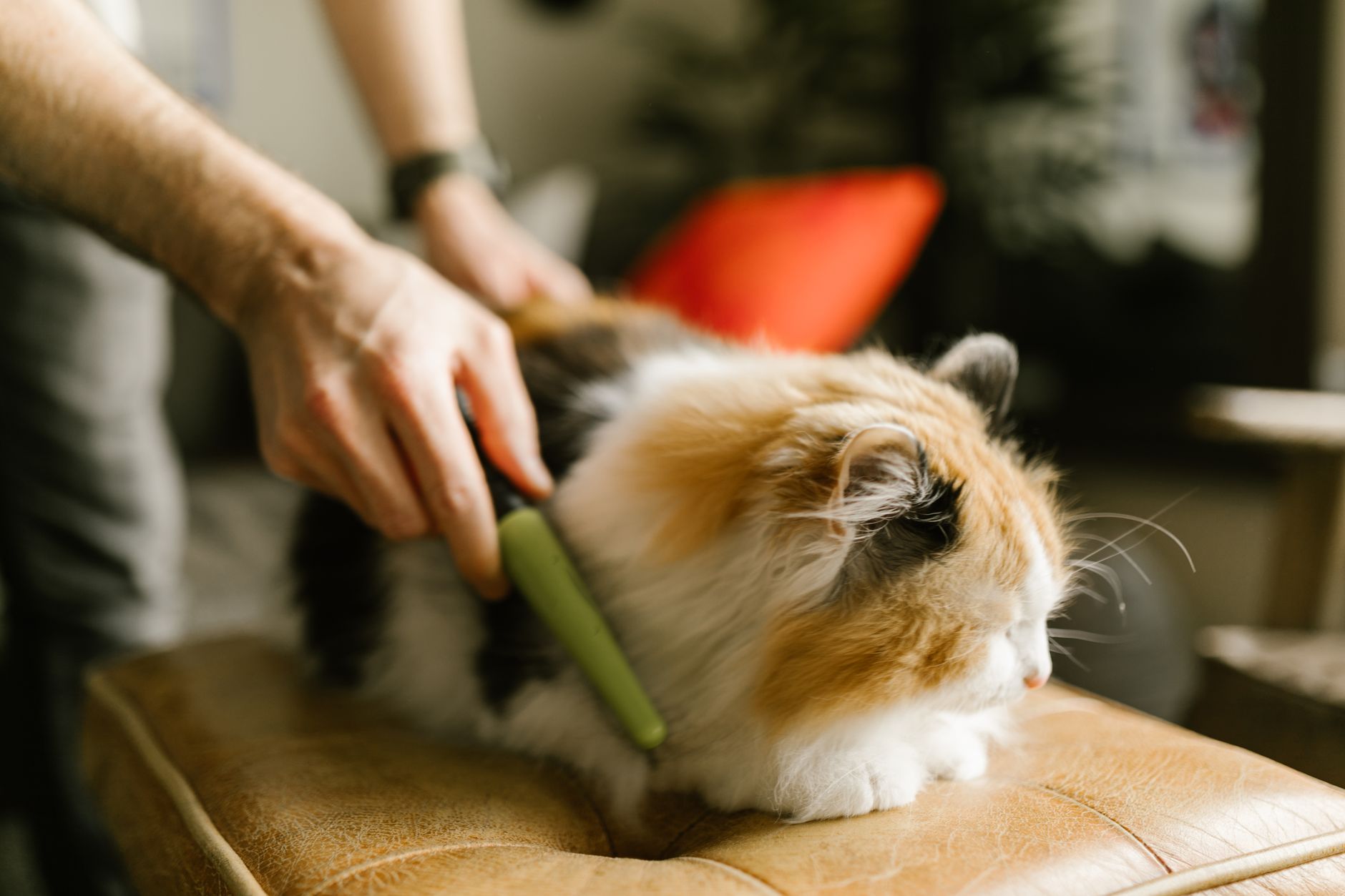
Understanding Your Cat's Coat and Grooming Needs
Before diving into tools and techniques, it is vital to understand the unique structure of feline skin and fur. Unlike dogs, cat skin is remarkably thin and sensitive, meaning rough handling or incorrect tool selection can easily cause micro-abrasions, redness, or behavioral distress. Indoor cats experience natural shedding cycles year-round due to artificial lighting and climate control, which can lead to increased dander accumulation and airborne allergens in your living space.
Different coat types require entirely different maintenance approaches and equipment selections:
- Shorthaired Cats: These breeds typically require brushing once or twice a week to remove loose undercoat hairs, distribute natural sebum oils across the skin, and maintain a glossy, protective sheen.
- Longhaired Cats: Breeds like Persians, Maine Coons, Siberians, and Ragdolls demand daily attention. Their fine, multi-layered fur tangles quickly, particularly in high-friction zones such as the armpits, groin, belly, and behind the ears where collars or harnesses rub.
- Medium-Coated Cats: Breeds with semi-long hair, such as Norwegian Forest Cats or Birmans, require a hybrid approach combining slicker brushing with metal comb checks three to four times per week.
- Hairless Breeds: While they lack a traditional coat, cats like the Sphynx or Peterbald require regular weekly wiping and specialized bathing routines to manage sebum accumulation on their skin surface, preventing oily buildup and acne.
Understanding these biological differences ensures you never apply a heavy-handed dog brush to a delicate feline frame. Cat skin responds poorly to abrasive friction, making gentle, anatomical strokes an absolute necessity.
Essential Tools for Cat Grooming at Home
Using the correct equipment is the single most important factor in keeping your cat comfortable during grooming sessions. Investing in high-grade tools prevents pulling, tearing, and skin irritation. Your comprehensive home grooming kit should include:
- Slicker Brush: Excellent for removing loose fur and floating debris from both short and long coats, provided you use an ultra-light touch and avoid pressing the wire pins into the skin.
- Metal Greyhound Comb: The absolute gold standard for detecting hidden tangles, debris, and microscopic mats near the skin surface, especially around sensitive facial and leg zones.
- Rubber Grooming Mitt: Perfect for shorthaired cats and sensitive regions, massaging the skin while gathering loose surface hairs via static electricity and rubber friction.
- Undercoat Rake: Ideal for heavy-coated longhairs during seasonal shedding peaks in spring and autumn, but must be used with extreme caution to avoid scraping the fragile epidermis.
- Soft Bristle Brush: Excellent for finishing touches, distributing oils, and introducing kittens or fearful rescue cats to the concept of being brushed without intimidation.
When you want to keep track of your cat's overall wellness milestones, vaccination records, shedding cycles, and routine maintenance schedules, utilizing tools like the Pet Grooming Planner helps ensure you never miss a vital maintenance session.
Step-by-Step Guide to Desensitizing Your Cat to Brushing
Many cats resist grooming simply because they were introduced to tools too quickly, restrained forcefully, or experienced pulling discomfort in the past. Successful cat grooming at home relies entirely on positive reinforcement, patience, and gradual desensitization.
Phase 1: Sensory Introduction and Scent Association
Start by leaving grooming tools in resting areas where your cat spends time, allowing them to sniff and investigate without pressure. Rub a soft bristle brush or a rubber mitt gently against your cat's cheeks, chin, and lips—regions packed with scent glands where cats naturally release pheromones and enjoy being scratched. Reward acceptance with high-value treats.
Phase 2: Short, Positive Micro-Sessions
Begin actual brushing for just fifteen to thirty seconds during a moment when your cat is already relaxed, such as immediately following a hearty meal or an interactive wand-toy play session. Immediately follow the session with a delicious treat or verbal praise. Gradually increase the duration by five seconds each week until your cat tolerates full sessions.
Phase 3: Body Mapping and Gentle Pressure
Gently touch your cat's paws, ears, tail, and belly during non-grooming times to build tactile trust. When brushing, always move smoothly in the direction of natural hair growth. Never pull forcibly against tangles or reverse stroke in a rough manner, as this creates negative associations and skin trauma.
Phase 4: Environmental Consistency
Establish a predictable grooming environment. Use the same quiet room, place a soft non-slip mat on the grooming surface to prevent paw sliding, and keep background noise low. Consistency transforms grooming from an unpredictable threat into a comforting ritual.
Safe Mat Removal and Tangle Management
Mats are tightly clumped bundles of dead fur, environmental dirt, skin oils, and dander that pull tightly against your cat's sensitive skin. Left unattended, severe mats can restrict local blood circulation, trap moisture, harbor parasites, and lead to painful skin infections or ulcerations.
If you encounter a minor tangle, never reach for household kitchen scissors near a cat's skin; feline skin is remarkably elastic and frequently pulls up into the scissor blades, leading to severe lacerations that require emergency veterinary care. Instead, follow these safe steps:
- Hold the base of the mat firmly close to the skin with your thumb and forefinger to prevent any pulling sensation or traction on the animal's body.
- Use the fine teeth of a metal greyhound comb to gently tease apart the outer edges of the mat, working slowly and methodically from the tips outward toward the base.
- For stubborn mats, use a specialized dematting comb equipped with guarded, recessed blades designed to slice through vertical tangles without contacting the underlying skin.
- If a mat is extremely tight, pelted, or encompasses large areas of the body, consult a professional groomer or veterinarian for a safe electric shave-down rather than forcing a painful removal at home.
Comprehensive Feline Grooming Routines by Age and Coat
Every cat has a unique biological timeline and coat structure. Tailoring your home grooming schedule prevents common coat failures and maintains optimal skin health throughout your cat's life stages.
Kitten Grooming Routine
Introduce kittens to grooming before they reach 12 weeks of age. Use a toothbrush or soft baby hairbrush to stroke their back, paws, and face for 30 seconds daily. This early neurological conditioning ensures adult cats view grooming as natural and non-threatening.
Adult Shorthair Maintenance Routine
Schedule two 10-minute sessions per week. Use a rubber grooming mitt to lift dead hair, followed by a light pass with a slicker brush. Inspect ears, wipe eye corners with a damp, warm cotton ball, and check nail length.
Senior Cat Care Considerations
As cats age, they develop arthritis and reduced flexibility, making it difficult for them to groom their lower back and tail base. Senior cats require daily gentle brushing in these neglected zones, regular claw trims because they scratch less on posts, and careful monitoring for flaky or dry skin.
Common Cat Grooming Mistakes to Avoid
Even well-meaning pet parents can make critical missteps that turn home grooming into a stressful battle of wills. Avoid these common pitfalls to protect your cat's physical and emotional well-being:
- Grooming During High-Energy Hunting Hours: Trying to brush an active cat during their peak nocturnal or morning play hours often triggers predatory biting, swatting, and defensive agitation.
- Applying Excessive Physical Force: Pressing hard with wire slicker brushes scratches and tears the epidermis. Always test a brush on your own inner forearm before touching your cat.
- Ignoring Bathing Realities: Most cats despise full immersion water baths. Unless medically prescribed by a veterinarian or heavily soiled by toxic substances, rely entirely on dry brushing and damp microfiber cloth wipe-downs.
- Neglecting Sanitary Trims: Failing to keep the rear end clean in longhaired breeds leads to fecal accumulation and hygiene issues. Trim feathering around the sanitary zone regularly.
- Inconsistent Scheduling: Grooming irregularly makes sessions feel foreign, unpredictable, and frightening. Routine builds deep psychological comfort.
Nail Care, Ear Cleaning, and Dental Maintenance at Home
A complete cat grooming routine extends beyond brushing fur. Maintaining claws, ears, and teeth is equally vital for a healthy indoor lifestyle.
Safe Cat Nail Clipping
Trim only the translucent tip of the claw using specialized cat nail scissors. Gently press the paw pad to extend the claw, avoiding the pink fleshy quick which contains blood vessels and nerves. Keep styptic powder nearby just in case of minor nicks.
Gentle Ear Cleaning
Check ears weekly for excessive dark wax or debris. Use a veterinarian-approved ear cleaning solution on a cotton ball to wipe the outer ear flap. Never insert cotton-tipped applicators into the ear canal, as this can pack wax deeper or rupture the eardrum.
Dental Hygiene Basics
Introduce feline-safe poultry-flavored toothpaste using a finger brush or gauze pad. Regular brushing prevents periodontal disease, gingivitis, and systemic health complications linked to chronic oral bacteria.
When to Seek Professional Grooming or Veterinary Care
While home maintenance covers day-to-day coat health, certain scenarios require professional intervention. Schedule a visit with a professional cat groomer or veterinarian if you observe:
- Pelted coats where fur has fused entirely into a solid armor-like mat across the back, flanks, or abdomen.
- Unexplained hair loss, symmetrical bald patches, scabby skin, red pustules, or constant scratching that suggests fleas, mites, fungal ringworm, or severe allergies.
- Extreme defensive aggression, panic, or catatonic freezing that puts both you and your cat at risk of physical injury.
- Parasite infestations such as fleas, ticks, ear mites, or embedded foreign plant awns requiring specialized removal tools and medical treatments.
- Sudden changes in coat texture, dullness, or excessive greasiness which can indicate underlying endocrine or metabolic disorders.
Frequently Asked Questions
How often should I groom my shorthaired cat?
Shorthaired cats generally benefit from a quick brushing session once or twice a week. This removes loose undercoat hairs, reduces shedding around your home, distributes protective skin oils, and prevents minor hairballs.
What is the best way to stop my cat from biting the brush?
If your cat attacks the brush, redirect their attention by offering a lickable treat or a puzzle toy during grooming. Keep sessions exceptionally short and stop before your cat becomes overstimulated.
Can I use human shampoo on my cat if they need a bath?
No. Human skin and hair have a different pH balance than feline skin. Using human products can strip natural oils, causing severe dryness, itching, scaling, and skin irritation. Always use a veterinarian-approved cat shampoo.
Why is my indoor cat getting so many hairballs?
Indoor cats groom themselves constantly, ingesting loose fur that accumulates in the digestive tract. Regular daily brushing removes dead hair before ingestion, drastically reducing hairball frequency and digestive upset.
How do I handle a cat that panics at the sight of grooming tools?
Step back and restart desensitization slowly. Keep brushes hidden initially, let your cat sniff them for treats, and groom only for five seconds at a time while offering abundant praise and rewards.
Are grooming gloves effective for longhaired cats?
Grooming mitts are wonderful for topcoats and gentle bonding, but they usually lack the penetration depth needed to reach the dense undercoat of longhaired breeds, which requires steel combs and slicker brushes.
When should I take my cat to a professional groomer?
You should seek a professional if your cat develops severe pelting or matting close to the skin, experiences severe skin inflammation, or becomes dangerously aggressive during home grooming attempts.
How can I manage seasonal cat shedding effectively?
During spring and autumn shedding peaks, increase brushing frequency to daily sessions. Use an undercoat rake gently to pull out loose winter or summer undercoat before it scatters across your furniture.
Is it safe to wet-bathe my cat regularly?
Most cats do not require routine water baths. Their self-grooming habits keep them clean. Only bathe when prescribed by a vet or when exposed to sticky, toxic, or foul-smelling substances.
Helpful PawPrintHub Tools
To support your journey in feline care and organization, explore our specialized interactive tools:
- Pet Grooming Planner: Keep track of your cat's brushing schedules, nail trims, and maintenance milestones.
- Cat Age Calculator: Understand your feline's life stage to tailor their care routine accordingly.
Conclusion
Mastering cat grooming at home is a deeply rewarding journey that strengthens the emotional bond between you and your feline companion while safeguarding their physical health and comfort. By introducing tools gradually, respecting your cat's fragile physical boundaries, and maintaining a consistent, gentle routine, you ensure a glossy coat, minimal shedding, and a happy, stress-free cat. Remember to prioritize patience, positive reinforcement, and close observation every step of the way, turning grooming into a cherished ritual of trust and affection.
Support free pet guides and tools.
Buy Me a Coffee
Comments
Post a Comment