
How to Care for a Cat With Urinary Tract Health Issues: A Complete Feline Wellness Guide
Navigating feline health concerns can feel overwhelming, especially when dealing with sensitive systems like the lower urinary tract. Feline lower urinary tract issues are common among indoor cats and require a proactive, multi-faceted approach to daily care, hydration, and environmental management. By understanding how subtle changes in routine, diet, and stress levels impact your cat's bladder, you can create a supportive home environment that promotes long-term wellness and comfort.
Disclaimer: This article is for educational purposes only and does not replace professional veterinary care. If your cat shows signs of pain, distress, or an inability to urinate, contact a licensed veterinarian immediately.
As responsible pet parents, noticing that our feline friends are uncomfortable can trigger immense worry. Cats are notorious for masking pain and illness, often waiting until a condition is moderately advanced before displaying obvious outward signs of distress. When it comes to the urinary system, this stoic nature means that pet parents must pay close attention to subtle behavioral shifts. Whether your companion has been diagnosed with feline idiopathic cystitis (FIC), has a history of crystal formation, or is simply prone to sensitive bathroom habits, implementing a structured wellness routine makes all the difference in their daily comfort and overall longevity.
Understanding the intricacies of feline wellness allows pet parents to act as the first line of defense. Cats thrive on predictability, and even minor disruptions in their environment can trigger internal distress that physicalizes through bodily systems. In the following sections, we will explore the core pillars of maintaining optimal bladder health, ranging from advanced hydration techniques and dietary modifications to environmental enrichment and stress mitigation strategies specifically designed for sensitive felines.
Understanding Feline Urinary Tract Health
The feline urinary system is remarkably delicate. Indoor cats, in particular, are prone to bladder irritation, crystal formation, and stress-induced flare-ups known medically as feline idiopathic cystitis (FIC). Unlike dogs, cats evolved from desert-dwelling ancestors who derived most of their moisture from their prey. Consequently, modern domestic cats often have a low natural thirst drive, making them vulnerable to concentrated urine if their diet lacks adequate moisture.
Recognizing early warning signs is vital for effective care. You might notice your cat visiting the litter box more frequently, straining to pass urine, producing only small drops, or vocalizing while inside the box. Grooming excessively around the genital area or experiencing accidents outside the litter box are also common red flags. Catching these signs early allows you to adjust your care routine before discomfort escalates.
To better understand your cat's changing needs as they age, you can utilize the Cat Age Calculator to track their life stage and adapt their wellness plan accordingly.
Furthermore, feline anatomy plays a significant role in urinary health. Male cats have a much narrower, longer urethra compared to females, making them uniquely susceptible to life-threatening blockages if mucus, crystals, or inflammation obstruct the urinary tract. Understanding these anatomical differences emphasizes why immediate veterinary attention is crucial for any male cat showing signs of straining. When crystals or cellular debris accumulate, they can form a plug that completely prevents urine flow, turning an uncomfortable situation into a surgical emergency within hours.
Beyond physical blockages, feline lower urinary tract disease (FLUTD) encompasses a broad spectrum of conditions including uroliths (bladder stones), urinary tract infections (though relatively rare in young cats), anatomical defects, and idiopathic cystitis. Because many of these conditions share identical symptoms—such as stranguria (straining), hematuria (blood in urine), and periuria (urinating outside the box)—veterinarians typically rely on urinalysis, urine culture, and diagnostic imaging like ultrasound or x-rays to pinpoint the exact root cause.
Maximizing Daily Hydration for Bladder Support
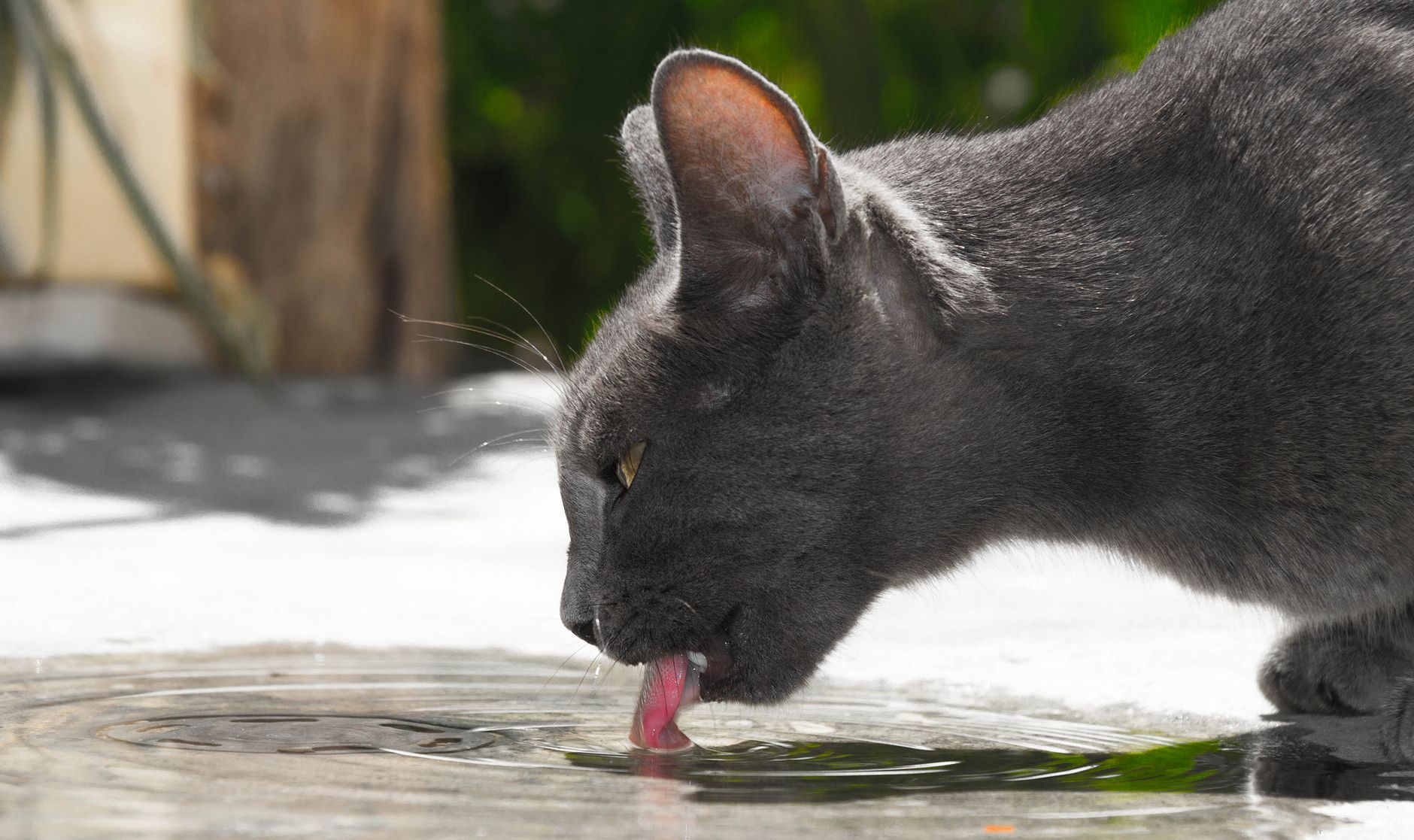
The single most important factor in maintaining a healthy cat bladder is increasing water consumption. Diluting urine reduces the concentration of minerals that can form crystals and stones. However, getting a cat to drink more requires creativity and an understanding of feline preferences.
- Transition to Wet Food: Canned or pouch food typically contains around 70% to 80% moisture, compared to dry kibble's 10%. Feeding a high-moisture diet or adding warm water to wet food significantly boosts daily water intake without requiring your cat to consciously visit the water bowl.
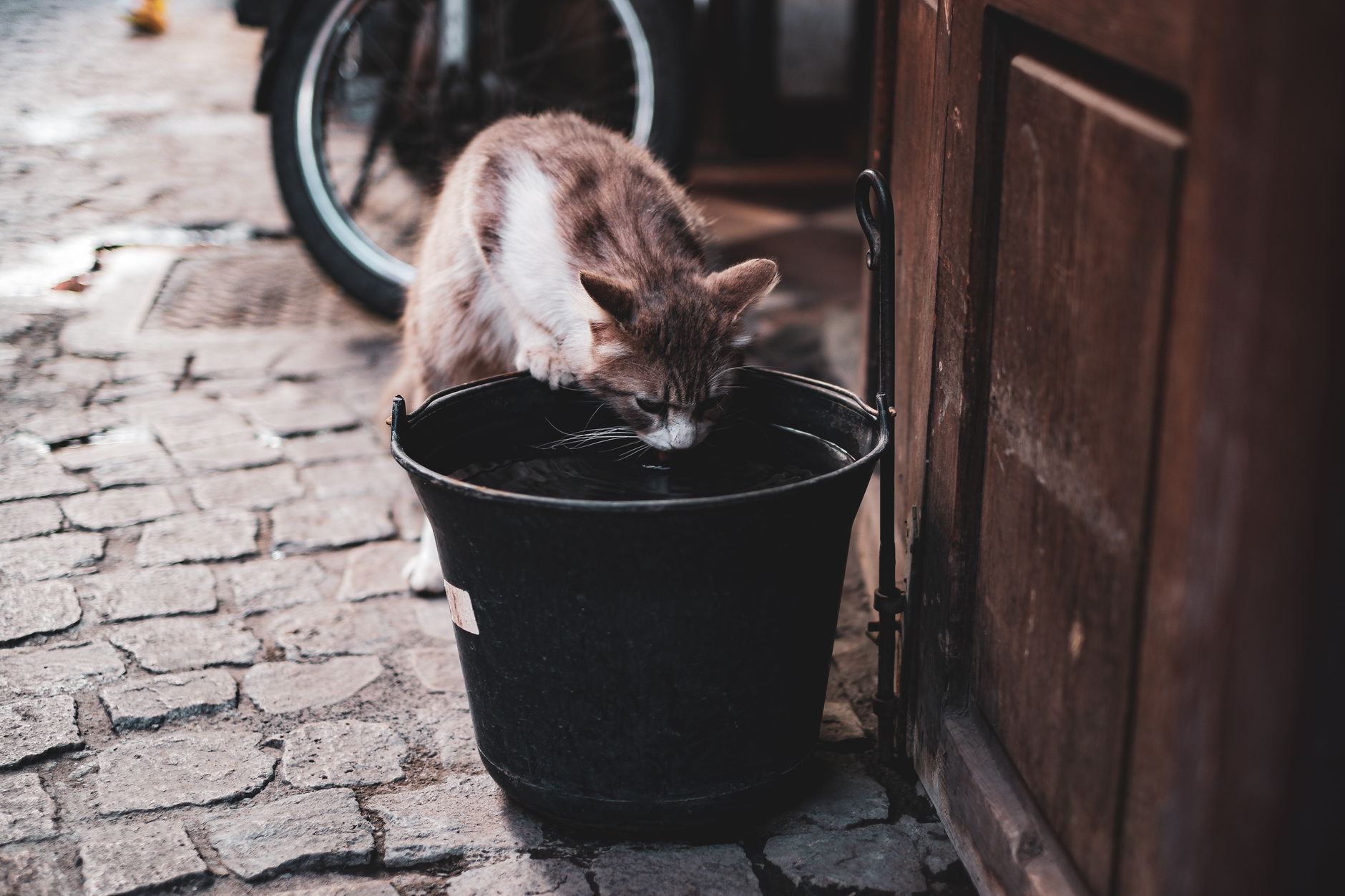
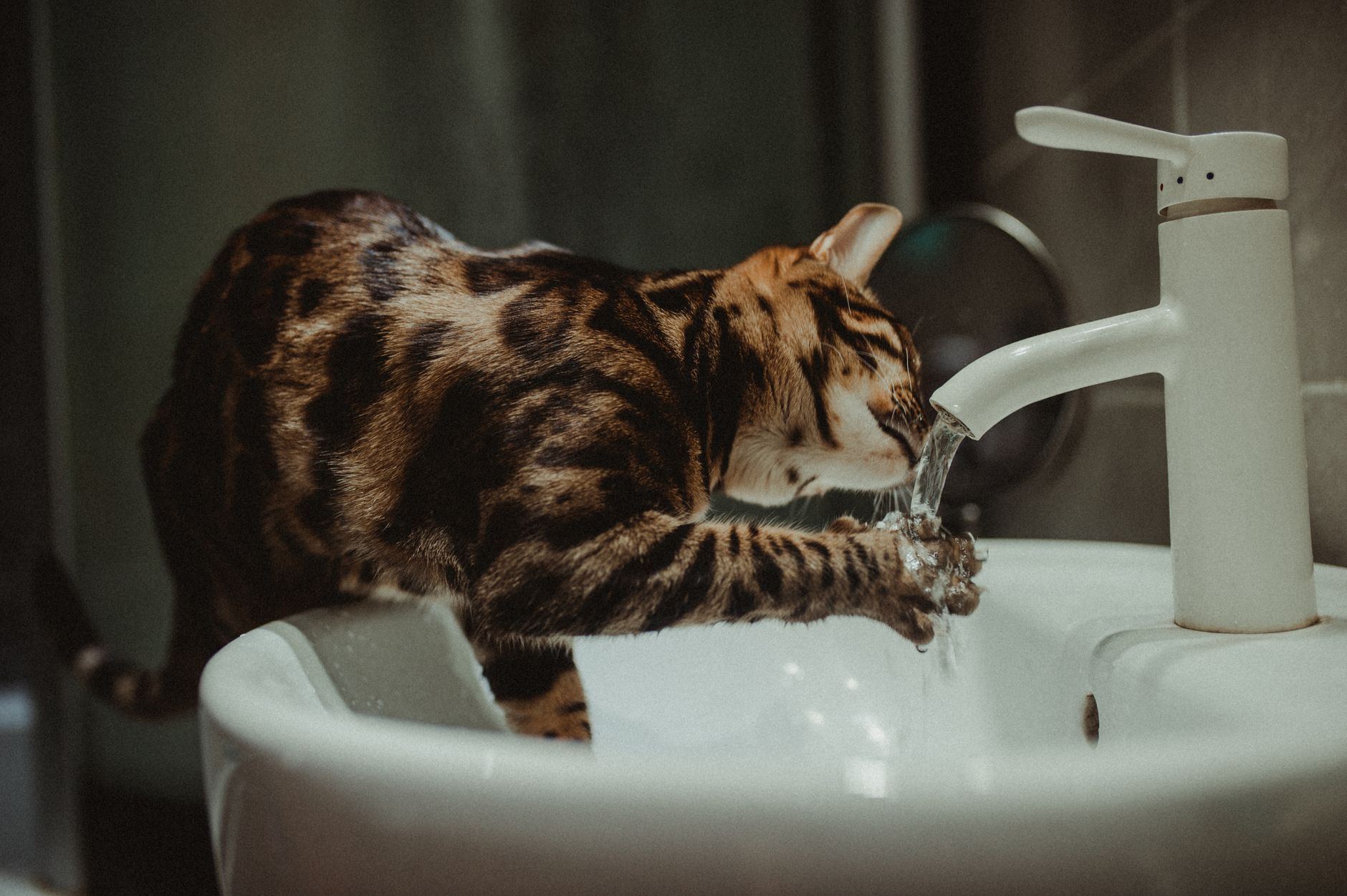
- Invest in Feline Water Fountains: Many cats prefer moving water because it mimics natural streams and tastes fresher. Fountain circulation also aerates the water, keeping it appealing and oxygenated.
- Strategic Bowl Placement: Place multiple water bowls and fountains across different rooms and levels of your home. Avoid placing bowls right next to food stations, litter boxes, or loud appliances, as cats prefer quiet, calm drinking spots.
- Use Wide Ceramic or Glass Bowls: Cats dislike when their sensitive whiskers touch the sides of narrow bowls (known as whisker fatigue). Switch to wide, shallow ceramic or stainless steel dishes to encourage relaxed drinking behavior.
- Flavor Enhancement: If approved by your veterinarian, you can occasionally add small amounts of unsalted bone broth or tuna juice (free of onions and garlic) to water bowls to entice reluctant drinkers.
- Temperature Experimentation: Some cats prefer ice cubes floating in their water to create crisp, chilled hydration, while others favor lukewarm water. Testing different temperatures can yield surprising results.
Implementing these hydration strategies requires consistency. Keep track of how frequently you are refilling bowls and whether your cat shows a preference for a specific material or water temperature. For cats that are exceptionally stubborn about drinking, introducing moisture-rich supplemental treats or using veterinary-formulated hydration broths can bridge the gap between minimum survival intake and optimal bladder-flushing hydration.

Optimizing Litter Box Hygiene and Environment
Your cat's bathroom environment plays a massive role in their urinary habits. If a litter box is dirty, inaccessible, or stressful to use, a cat may hold their urine for too long, leading to increased bladder irritation and bacterial growth.
Follow the golden rule for litter box counts: provide one box per cat, plus one extra. In a multi-cat household, ensure boxes are distributed across different areas and separate rooms so one dominant cat cannot block access or ambush another cat while vulnerable. Choose unscented, fine-grained clumping litter that feels gentle on sensitive paws, and scoop solid waste and clumps at least twice daily. Completely wash, sanitize, and refill boxes with fresh litter every few weeks to eliminate lingering odors and bacteria.
Box placement is equally critical. Avoid placing litter boxes in noisy laundry rooms where sudden appliance noises can startle a cat mid-use. Instead, choose quiet, low-traffic corners that still provide escape routes so the cat never feels trapped. For senior cats or cats with joint stiffness alongside urinary issues, ensure the box has low sides for easy entry and exit.
Additionally, consider the style of the litter box. Covered boxes can trap ammonia fumes and make the cat feel cornered, whereas open boxes offer superior ventilation and panoramic views of the room, helping anxious cats feel safe and secure while eliminating.
Managing Stress to Protect Feline Bladder Health
The mind and the bladder are deeply connected in cats. Stress is a primary trigger for feline lower urinary tract flare-ups, particularly in cases of feline idiopathic cystitis. Environmental changes, loud noises, new pets, visitors, construction, or even a rearranged living room can cause anxiety that manifests physically as bladder inflammation.
To support an anxious cat, establish a predictable daily routine for feeding, play, and interaction. Predictability gives cats a sense of control over their territory. Provide vertical territory like cat trees, wall shelves, and secure window perches where your cat can survey their domain safely away from floor-level disturbances. Interactive play sessions using wand toys help burn off nervous energy and build confidence, while cozy hiding spots give them a secure retreat when household activity peaks.
You can also utilize our Pet Enrichment Idea Generator to discover creative indoor stimulation ideas that keep your cat mentally engaged and relaxed, reducing stress-related flare-ups.
Environmental management also involves minimizing interpersonal conflict in multi-cat households. Ensure every cat has dedicated resources—food bowls, water stations, resting spots, and litter boxes—placed strategically so that nervous cats do not have to cross paths with confident or aggressive housemates to meet their biological needs. Synthetic feline facial pheromone diffusers plugged into main living areas can further promote a calming atmosphere.
Nutritional Management and Supplements
Dietary management is often the cornerstone of long-term feline urinary wellness. Veterinarians frequently recommend specialized therapeutic diets formulated to dissolve specific types of crystals (such as struvites), prevent the formation of others (such as calcium oxalate), and maintain an optimal urinary pH balance.
When introducing a new therapeutic diet, transition slowly over 7 to 10 days by mixing increasing amounts of the new food with the old food to prevent digestive upset. Abrupt food changes can cause vomiting or refusal to eat, which introduces a new layer of stress. Always consult your veterinarian before starting any new urinary health supplements, omega-3 fatty acids, glucosamine, or calming pheromone diffusers, as they must be carefully tailored to your cat's specific health profile and diagnostic test results.
Certain nutraceuticals, such as glucosamine and chondroitin sulfate, are sometimes used to support and protect the glycosaminoglycan (GAG) layer lining the inner walls of the bladder. This protective coating prevents irritating substances in the urine from penetrating the bladder wall tissue. Always rely on professional veterinary guidance when selecting and dosing any supplement to ensure purity, safety, and compatibility with your cat's prescription nutrition plan.
Mistakes to Avoid in Cat Urinary Care
Avoiding common pitfalls can save your cat unnecessary pain and save you from recurring, expensive veterinary visits:
- Relying Solely on Dry Food: Feeding an all-dry kibble diet without encouraging significant water intake often leads to concentrated urine and crystal formation.
- Punishing Litter Box Accidents: Never scold, yell at, or punish a cat for urinating outside the box. This increases anxiety and worsens the underlying behavioral or medical issue.
- Ignoring Subtle Behavior Changes: Dismissing minor changes in litter box habits, such as hovering or spending slightly more time in the box, as stubbornness can allow a medical condition to progress unchecked.
- Using Strongly Scented Litter: Heavy artificial fragrances can irritate a cat's sensitive respiratory and urinary tracts, causing them to develop an aversion and avoid the box entirely.
- Delaying Veterinary Care: Waiting to see if a straining cat will "get better on their own" is dangerous. Urinary obstructions are fatal medical emergencies requiring immediate treatment.
- Making Abrupt Food Changes: Switching your cat's diet overnight can lead to hunger strikes, gastrointestinal upset, and heightened stress levels that aggravate bladder inflammation.
- Providing Insufficient Litter Boxes: Having too few boxes or placing them in inconvenient, high-stress locations forces cats to hold their urine, increasing mineral sediment accumulation.
By staying vigilant and avoiding these missteps, you foster an environment of trust and proactive wellness. Observing daily habits becomes second nature when you know what red flags to watch for.
Frequently Asked Questions
How much water should a cat drink daily?
As a general guideline, an adult cat needs approximately one ounce of water per pound of body weight daily. However, cats eating wet food get much of this moisture directly from their meals, while dry-food-fed cats must drink significantly more from bowls or fountains to stay adequately hydrated.
Can stress really cause urinary problems in cats?
Yes. Feline idiopathic cystitis (FIC) is directly linked to stress and the nervous system. Emotional stress can cause inflammation in the bladder wall, mimicking the painful symptoms of a bacterial urinary tract infection even when no bacteria are present in the urine.
How often should I clean my cat's litter box?
Scoop solid waste and clumps at least twice a day. Completely empty, wash, and sanitize the litter box with mild dish soap and warm water every two to four weeks to prevent residue buildup and unpleasant odors.
What are the emergency signs of a blocked cat?
An inability to urinate, straining in the box with no output, crying out in pain, vomiting, lethargy, and a hard or distended abdomen are medical emergencies. Male cats are especially prone to urethral blockages, which can be fatal within 24 to 48 hours without immediate veterinary intervention.
Are water fountains better than bowls for cats?
Many cats prefer fountains because running water is oxygenated, cooler, and more appealing than stagnant bowl water. This increased attraction often leads to higher daily fluid intake, which is essential for dilution.
Can I prevent urinary issues with diet alone?
Diet plays a major role, but environmental stress reduction and adequate hydration are equally crucial. A holistic approach combining proper nutrition, stress management, and optimal litter box care yields the best long-term results.
How long does it take for a urinary diet to work?
While therapeutic diets begin working internally right away, dissolving certain types of bladder crystals or stones typically takes anywhere from several weeks to a few months. Your veterinarian will schedule follow-up urinalyses to monitor progress.
Why do cats spray outside the litter box when they have urinary issues?
When cats experience pain or burning sensations while urinating, their brains associate the litter box with discomfort. They may seek out cooler, softer surfaces—like bathtubs, sinks, or laundry piles—hoping to find relief from their pain.
Helpful PawPrintHub Tools
To help you stay organized on your pet care journey, explore these helpful tools:
- Pet Enrichment Idea Generator: Discover fun games and environmental activities to keep your indoor cat mentally stimulated and relaxed.
- Cat Age Calculator: Understand your cat's life stage to tailor their nutrition and wellness routines appropriately.
- Pet Travel Checklist: Ensure your cat stays stress-free and prepared if you ever need to take them on a trip or veterinary visit.
Conclusion
Caring for a cat with urinary tract health issues requires dedication, patience, and a keen eye for subtle changes. By prioritizing high-moisture diets, encouraging regular drinking through fountains and strategic bowl placement, maintaining immaculate litter box hygiene, and actively reducing environmental stress, you can greatly improve your cat's quality of life. Always partner closely with your veterinarian to tailor a care plan that keeps your feline companion comfortable, healthy, and thriving for years to come.
Support free pet guides and tools.
Buy Me a Coffee
Comments
Post a Comment