
How to Cure Cat Lethargy at Home: A Complete Feline Energy and Wellness Guide
Cat lethargy can be a subtle and worrisome sign for pet owners. Because felines are natural masters of sleep—often resting up to sixteen hours a day—distinguishing between normal resting habits and genuine fatigue can feel challenging. When an active cat suddenly becomes withdrawn, disinterested in play, or reluctant to greet you at the door, it signals a shift in their physical or mental equilibrium. Understanding what causes sluggish behavior, knowing how to safely support your companion, and recognizing when a trip to the clinic is essential will help you keep your indoor cat vibrant and healthy.
Disclaimer: This article is for educational purposes only and does not replace professional veterinary care. If your cat shows sudden or severe signs of distress, consult a licensed veterinarian immediately.
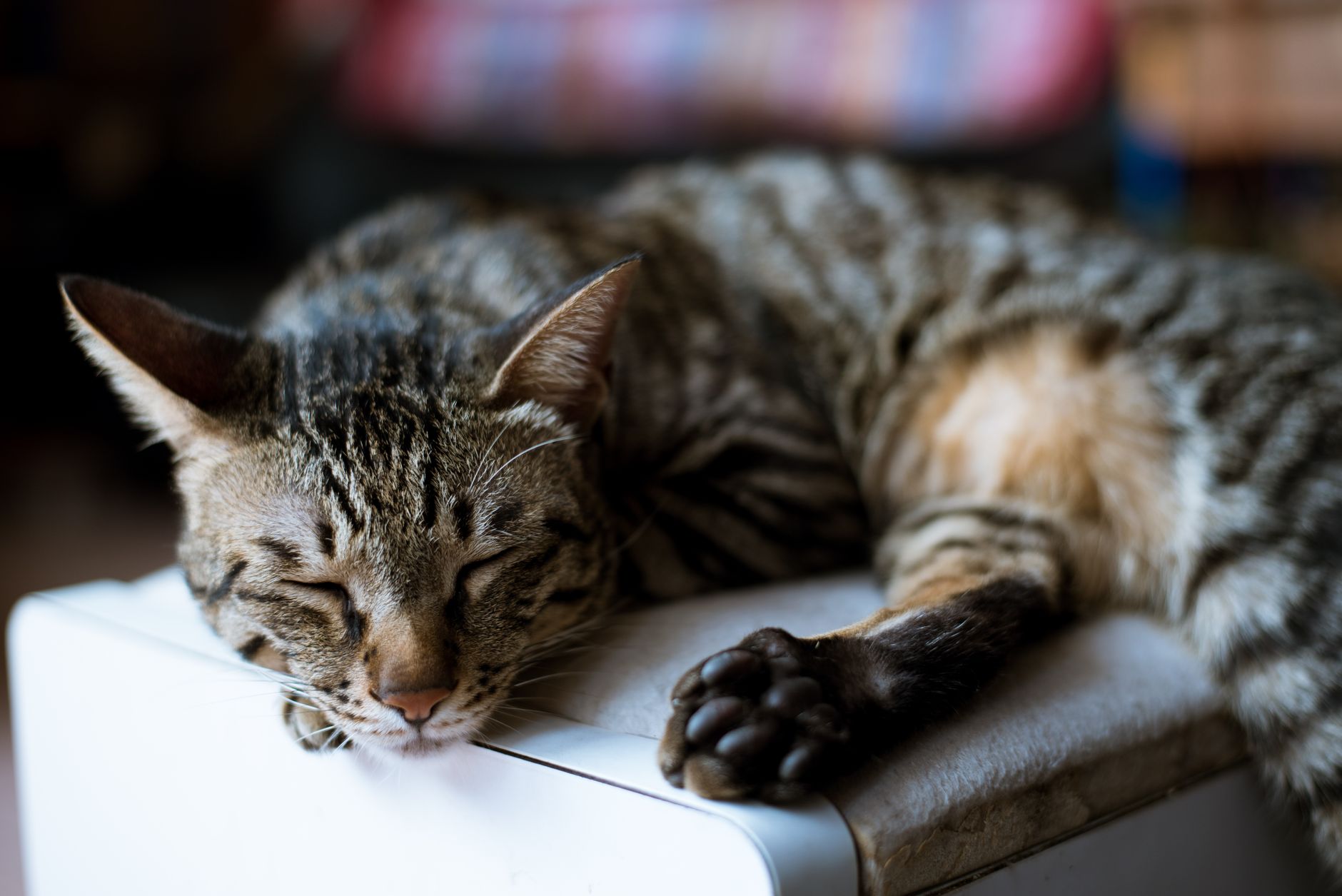
Understanding Normal Feline Sleep vs. Cat Lethargy
To address low energy effectively, you must first establish a baseline for your individual cat. Domestic cats sleep a significant portion of the day. However, standard sleep is restorative and punctuated by periods of intense activity, hunting simulation, eating, and grooming. Cat lethargy, on the other hand, is characterized by a persistent lack of responsiveness, prolonged dullness, and a general refusal to engage with favorite stimuli.
Owners often notice subtle changes before dramatic behavioral shifts occur. A sluggish cat might skip their usual evening zoomies, ignore the crinkle of a favorite toy bag, or remain in a single spot for hours without changing posture. Keeping track of these patterns helps determine whether the issue stems from environmental boredom, dietary imbalances, or underlying discomfort. Every cat has a distinct rhythm. Young kittens burn through energy in intense bursts before crashing into deep sleep, whereas mature adult cats exhibit more predictable routines. When those predictable routines warp into apathy, you need to investigate further.
Recognizing the difference requires observing micro-behaviors. Does your cat lift their ears when you walk into the room? Do they still track moving objects with their eyes, even if they choose not to pounce? A truly lethargic cat displays a flattened affect, showing little to no interest in environmental cues that would normally trigger curiosity. Documenting these nuances provides valuable context if you eventually need to consult a veterinary professional about your pet's waning vitality.
Furthermore, feline energy levels often fluctuate according to the seasons and the time of day. Crepuscular by nature, cats are biologically wired to experience peaks of energy around dawn and dusk. If your cat habitually sleeps through these twilight hours without ever stirring for a snack, hydration session, or brief stretch, it serves as an early indicator that their internal rhythms may be disrupted by illness, stress, or nutritional shortfalls.
Delving deeper into circadian rhythms, domestic cats share deep ancestral ties with solitary desert hunters. Their physiological makeup is built around conserving energy during the hottest daylight hours and deploying short, explosive bursts of predatory effort when prey is most active. In a modern domestic household, however, this evolutionary imperative can backfire if the cat lacks environmental opportunities to execute their natural hunting sequence. When the biological drive to hunt, capture, and consume goes perpetually unfulfilled, it can manifest physically as listlessness, apathy, and a general withdrawal from household life.
To accurately gauge whether your cat is experiencing genuine lethargy or simply enjoying an extended nap, perform a gentle environmental audit. Shake a treat container, rustle a feather toy, or open a can of wet food from across the room. A normal, resting cat will usually twitch an ear, open their eyes, or immediately investigate the source of the sound. A lethargic cat may remain completely unmoved, unresponsive, or slow to register your presence. This lack of situational awareness is one of the most reliable clinical markers distinguishing deep sleep from pathological fatigue.
Common Environmental and Lifestyle Triggers for Low Energy
Indoor living offers safety from outdoor hazards, but it can sometimes expose cats to monotony and under-stimulation. If an environment lacks novelty, a cat may slip into a state of behavioral fatigue or situational depression. Consider these frequent contributors to indoor cat lethargy:
- Environmental Monotony: A lack of vertical spaces, scratching posts, or interactive toys can make daily life unexciting, leading to chronic apathy.
- Nutritional Deficiencies: Inappropriate caloric intake, poor-quality protein sources, or dehydration can drain a cat's stamina. You can easily monitor your cat's specific requirements using tools like the Pet Calorie Calculator.
- Temperature Extremes: Overly warm indoor spaces during summer months can cause felines to slow down significantly to conserve energy and prevent overheating.
- Stray Stressors: Subtle household changes, such as new furniture, construction noise, or tension with other pets, can cause withdrawal and defensive energy conservation.
Beyond these primary triggers, modern indoor lifestyles often lack sensory variety. Without the shifting sights, sounds, and scents of the outdoors, cats can experience sensory deprivation. This lack of cognitive engagement frequently manifests as physical sluggishness. Owners can counteract this by rotating window perches, introducing cat-safe botanical scents like catnip or silver vine, or playing ambient bird sounds while working away from home.
Another frequently overlooked factor is social isolation or overcrowding. In multi-pet households, a timid cat might be subtly bullied away from food bowls, water stations, or preferred resting spots by a more confident housemate. This chronic, low-level stress forces the intimidated cat to retreat into isolated hiding places, where they remain motionless for hours to avoid conflict. Assessing resource distribution throughout your living space is vital to ensuring every pet has free, stress-free access to daily necessities.
Furthermore, air quality and home humidity levels play an understated role in feline respiratory health and overall vigor. Stale indoor air, accumulated dust mites, or chemical irritants from strong household cleaners can cause mild, chronic irritation in a cat's sensitive airways. While this may not immediately cause acute respiratory distress, it can drain their stamina, resulting in a quieter, less active demeanor as their bodies work harder behind the scenes to maintain baseline comfort.

Step-by-Step Strategies to Revitalize Your Cat's Daily Routine
If environmental monotony or mild deconditioning is contributing to your cat's sluggishness, you can implement structured changes to reignite their natural curiosity and physical stamina.
1. Introduce Novelty Through Targeted Enrichment
Break up your cat's daily routine by introducing puzzle feeders, rotating toys weekly, or creating safe vertical observation perches near windows. Mentally stimulated cats burn calories and stay alert. For tailored inspiration, explore the Pet Enrichment Idea Generator to discover fresh games suited to your cat's personality.
2. Optimize Hydration and Nutrition
Dehydration is a silent energy thief. Ensure your cat has access to multiple fresh water stations, cat fountains, or moisture-rich wet food diets. Feeding a balanced diet at consistent times prevents energy crashes. You can structure reliable mealtimes using the Pet Feeding Schedule Generator to maintain steady metabolic fuel.
3. Engage in Short, Positive Play Sessions
Do not overwhelm a tired cat with long, exhausting play workouts. Instead, initiate two to three micro-play sessions lasting three to five minutes each day using wand toys or feathery teasers. Mimicking natural hunting sequences—stalking, chasing, catching, and eating a small treat—releases dopamine and restores physical tone.
4. Establish a Predictable Daily Schedule
Cats thrive on routine. Knowing when food, play, and quiet time will occur reduces underlying anxiety. Consistency helps regulate their internal biological clock, ensuring they feel secure enough to expend energy during play periods without fearing resource scarcity later.
Implementing these foundational steps requires patience and close observation. If your cat shows initial resistance to a new puzzle toy or feeding schedule, introduce changes gradually over the course of a week. Mixing familiar elements with novel items helps prevent anxiety and encourages smooth behavioral adaptation.
An effective daily routine should also incorporate designated resting zones that offer safety and solitude. Cats frequently become lethargic if they feel perpetually exposed or vulnerable to household traffic. Creating high-up cat trees, quiet cardboard boxes with dual exit holes, or cushioned window hammocks gives your cat a secure sanctuary. When felines feel completely safe in their resting quarters, they can transition smoothly between deep, restorative sleep and enthusiastic, high-energy play phases.
Mistakes to Avoid When Dealing With Cat Lethargy
When trying to help an inactive cat, well-meaning owners sometimes make errors that worsen the situation or delay necessary medical intervention. Avoid these common pitfalls:
- Assuming It Is Just Aging: While senior cats slow down, sudden inactivity is not a normal part of aging and should always be investigated for underlying joint pain or organ strain.
- Forcing Vigorous Exercise: Dragging a reluctant cat into high-intensity play can cause physical strain, aggravate hidden injuries, or build a negative association with interaction.
- Ignoring Subtle Warning Signs: Waiting until a cat stops eating entirely before taking action allows minor health issues to escalate into severe medical crises.
- Changing Diets Abruptly: Sudden food switches can cause gastrointestinal upset, vomiting, and diarrhea, which will further lower your cat's energy levels.
- Self-Prescribing Supplements: Never administer human vitamins, leftover medications, or unverified herbal remedies without explicit veterinary guidance.
Another dangerous mistake is attempting to diagnose internal pain or organ malfunction at home without professional tools. Cats are notoriously stoic, masking vulnerability as a natural survival instinct. When a cat displays outward lethargy, the internal discomfort is often quite advanced. Relying on home remedies instead of seeking diagnostic clarity can allow progressive conditions to worsen unchecked.
Additionally, owners must avoid overcompensating with high-calorie treats in an effort to boost a sluggish cat's mood. While a favorite snack can be a helpful reward during play, excessive treat feeding disrupts nutritional balance, promotes feline obesity, and places added strain on joints and internal organs. Maintaining strict dietary discipline while carefully adjusting enrichment strategies is the safest, most effective way to help your cat regain their natural vitality.
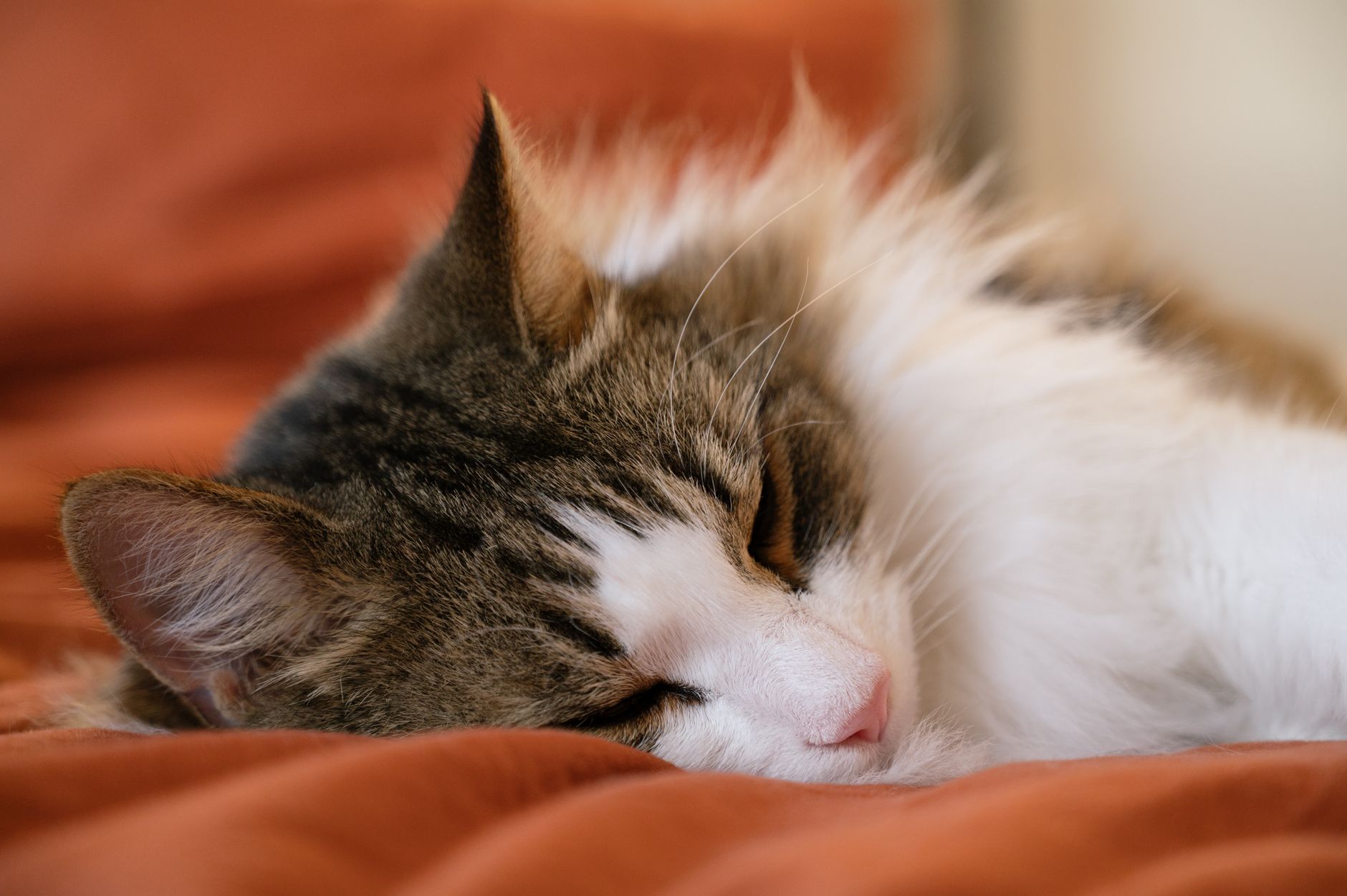
When to Seek Professional Veterinary Care
Cat lethargy is frequently the primary outward symptom of underlying illness, pain, dental disease, organ dysfunction, or systemic infection. Felines are notorious for hiding pain until it becomes severe. If your cat's low energy is accompanied by any of the following red flags, schedule a veterinary examination promptly:
- Complete refusal to eat or drink for more than twenty-four hours
- Vomiting, diarrhea, or straining in the litter box
- Labored breathing, open-mouth breathing, or coughing
- Obvious reluctance to jump, walk, or touch the ground
- Hiding in unusual, dark, or inaccessible places
- Uncharacteristic aggression when touched or approached
- Noticeable weight loss or muscle wasting along the spine and hips
When you visit the clinic, your veterinarian will likely perform a thorough physical examination, check dental health, and recommend diagnostic tests such as blood panels, urinalysis, or imaging. Catching metabolic conditions like diabetes, hyperthyroidism, or chronic kidney disease early makes management significantly more effective.
Preparing for your veterinary visit can streamline the diagnostic process. Keep a detailed log of your cat's eating habits, water consumption, litter box output, and behavioral changes over the preceding week. Sharing these concrete observations allows the veterinary team to formulate targeted testing strategies quickly and accurately.
It is also beneficial to record short video clips of your cat's sluggish behavior, unusual gait, or resting posture at home. Cats frequently experience adrenaline spikes during veterinary examinations due to the unfamiliar clinical environment, temporarily masking symptoms like lethargy or weakness. Showing your veterinarian objective video footage provides an accurate look at your pet's everyday condition.
Frequently Asked Questions
How many hours should a healthy adult cat sleep each day?
Healthy adult cats typically sleep between twelve and sixteen hours daily. However, this sleep should be broken up by active periods of feeding, exploring, and play.
Can indoor boredom cause a cat to look lethargic?
Yes. Chronic under-stimulation can lead to apathy and behavioral withdrawal, making cats appear lazy or sluggish when they are simply bored.
How can I tell if my cat's lethargy is an emergency?
If low energy is accompanied by difficulty breathing, pale gums, inability to use hind legs, trauma, or complete refusal of food and water, treat it as an emergency.
Does diet quality affect my cat's energy levels?
Absolutely. Diets lacking in essential animal proteins, vitamins, or adequate hydration can leave cats feeling weak, fatigued, and lacking stamina.
Should I wake my sleeping cat to encourage activity?
It is best not to startle or forcefully wake a sleeping cat. Instead, wait until they rouse naturally and invite them to play with interactive toys or treats.
Can weather changes make my cat more tired?
Yes. Warm summer weather or humid indoor environments often cause cats to rest more frequently to stay cool and conserve energy.
When should I take my sluggish cat to the vet?
If lethargy lasts longer than forty-eight hours, or if it appears alongside vomiting, hiding, or loss of appetite, consult a veterinarian right away.
Helpful PawPrintHub Tools
To support your cat's overall well-being, nutrition, and daily routine, take advantage of these free interactive resources:
Conclusion
Addressing cat lethargy requires a balanced approach combining environmental observation, targeted mental enrichment, and attentive health monitoring. By recognizing the difference between normal resting habits and true fatigue, you can protect your feline companion from hidden discomfort. Whether your cat simply needs a refreshed play routine or professional veterinary support, staying proactive ensures a long, vibrant life for your furry friend.
Support free pet guides and tools.
Buy Me a Coffee
Comments
Post a Comment