
Dog Eye Discharge Warning Signs: How to Spot Infections and Irritations Early
As a devoted pet parent, looking into your dog's eyes is a daily ritual of love, trust, and connection. However, when you notice unusual moisture, stubborn crusting, or cloudy discoloration around their ocular regions, it can instantly trigger concern and worry. Canine eye health requires careful, consistent observation, as subtle changes often serve as the earliest biological indicators of underlying health issues, systemic conditions, or environmental irritants. Understanding dog eye discharge warning signs empowers you to act quickly, differentiate between normal morning build-up and pathological conditions, and provide your furry companion with the best possible preventive care before minor irritations escalate into severe medical concerns that threaten their vision.
Disclaimer: The following content is for educational and informational purposes only and does not replace professional veterinary advice, diagnosis, or treatment. Always consult a qualified veterinarian if you notice persistent changes in your dog's health, behavior, or eye condition.
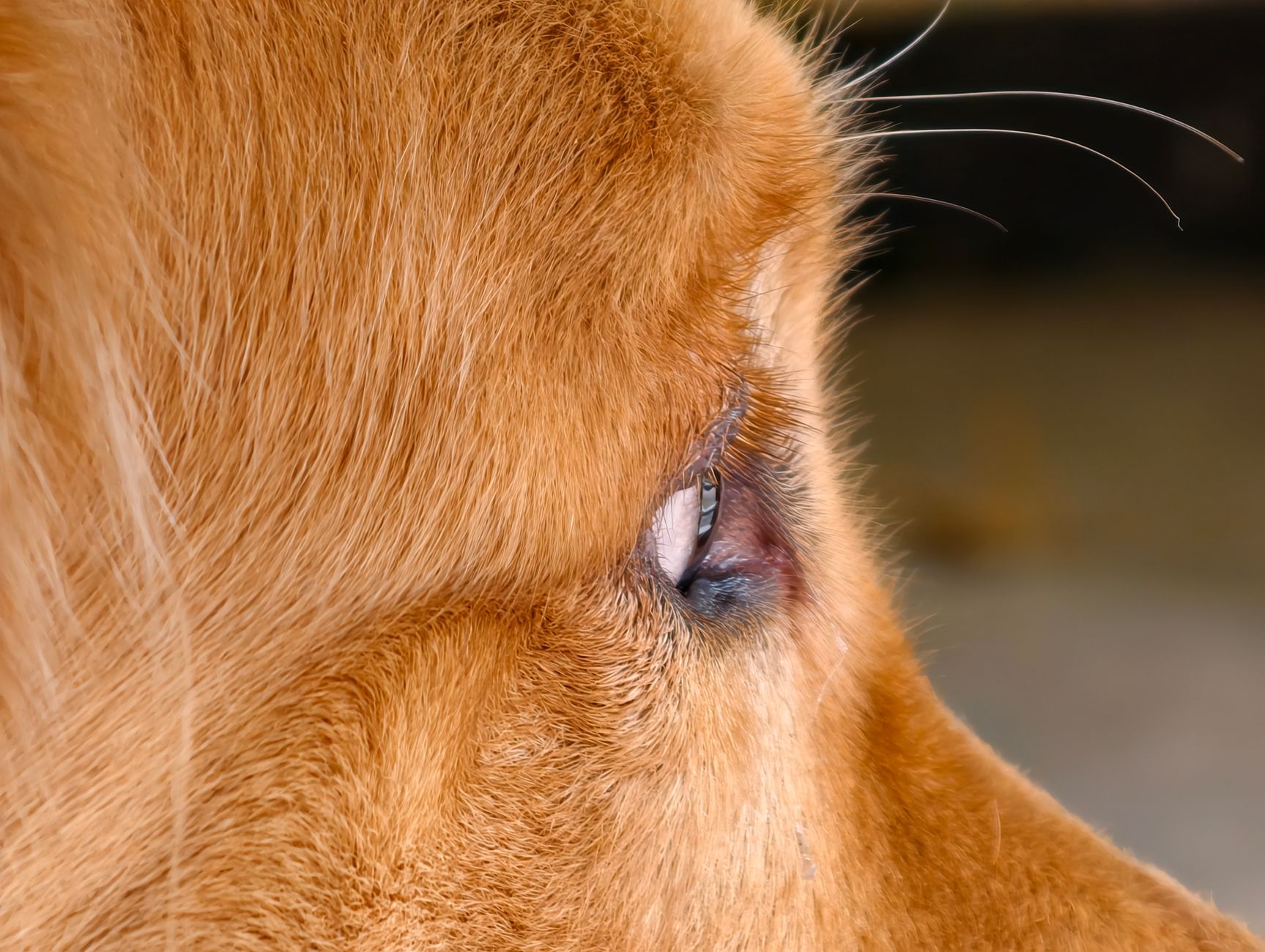
Canine vision and overall ocular wellness depend on a delicate, highly regulated biological balance of tear production, eyelid closure function, and environmental safety. While every dog experiences occasional eye secretions due to airborne dust, wind exposure, or natural cleansing processes, knowing precisely what is normal versus abnormal can save your dog from unnecessary discomfort, chronic pain, and potential vision loss. Throughout this expanded guide, we will explore the detailed anatomy of canine eye secretions, identify critical red flags, review common root causes across various breeds, and outline practical, step-by-step instructions for safe home maintenance and veterinary preparation.
Understanding Normal Canine Eye Secretions vs. Abnormal Discharge
Before panicking over a small bit of crust in the corner of your dog's eye, it helps to understand how a healthy canine eye functions on a daily basis. Throughout the day and night, normal tear film production removes microscopic debris, airborne pollen, and environmental dust from the delicate surface of the cornea. When your dog sleeps, the normal blinking reflex stops temporarily, allowing this continuous tear film and collected cellular debris to pool naturally in the corners of the eyes and dry into small, grayish or light-tan crusts.
This normal residue is easily wiped away with a clean, damp cloth, does not return aggressively throughout the day, and causes zero redness, squinting, swelling, or behavioral changes in your pet. In stark contrast, abnormal dog eye discharge warning signs involve persistent, heavy, sticky, or discolored fluids that continuously appear throughout the day despite routine cleaning efforts. If the discharge is thick, yellow, green, or blood-tinged, or if your dog is actively pawing at their face, you are likely looking past normal physiological maintenance into an active infection, injury, or underlying systemic inflammation.
Key Categories of Dog Eye Discharge and What They Mean
Not all eye secretions are created equal, and their physical characteristics can tell an attentive owner a great deal about what is happening beneath the surface. Veterinarians classify ocular discharge based on its physical consistency, viscosity, and color, which frequently points toward specific pathological conditions:
- Serous (Watery) Discharge: Clear, thin fluid often caused by environmental irritants like smoke, dust, wind, early-stage seasonal allergies, or mild blocked tear ducts. While clear fluid seems harmless, persistent watery eyes can indicate early corneal irritation.
- Mucoid Discharge: Thick, mucus-like, greyish or whitish fluid commonly associated with keratoconjunctivitis sicca (KCS), commonly referred to as dry eye syndrome. In these cases, the eye fails to produce an adequate aqueous tear layer, prompting the body to overproduce thick mucus to compensate.
- Mucopurulent Discharge: Thick, opaque, yellow or green pus indicating an active bacterial infection, severe bacterial conjunctivitis, or an underlying, painful corneal ulcer. This type of discharge always warrants prompt veterinary evaluation.
- Hemorrhagic Discharge: Pink, reddish, or bloody fluid pointing toward severe ocular trauma, sharp foreign bodies, clotting disorders, or ruptured blood vessels within the conjunctiva, requiring immediate veterinary intervention.

Critical Dog Eye Discharge Warning Signs to Watch For
Spotting discharge is only half the battle when assessing your dog's ocular health. You must evaluate the overall condition of the eyeball, the surrounding eyelids, and facial structures. Be constantly alert for the following combination of critical warning signs:
- Squinting and Blepharospasm: Chronic or intermittent closing of the eye indicates sharp pain, light sensitivity (photophobia), or deeper corneal irritation. If your dog keeps one eye tightly shut, treat it as an urgent medical priority.
- Redness and Inflammation: Swelling, redness, or a bright pinkish-red hue in the conjunctiva (the delicate pink tissue lining the inner eyelids and sclera) points toward acute inflammation, allergy, or infection.
- Cloudiness or Blue Haze: Any film, opacity, or bluish discoloration over the clear eyeball itself signals corneal edema, deep ulcers, glaucoma, or cataracts, all of which require professional diagnosis.
- Excessive Pawing or Rubbing: If your dog constantly rubs their face against carpets, furniture, or uses their paws to scratch at their eyes, they are trying to relieve intense itching, foreign body irritation, or pain.
- Asymmetry in Pupil Size: Unequal pupil sizes (anisocoria) can indicate severe neurological issues, dangerous intraocular pressure changes, or blunt force trauma to the head and eye socket.
Common Root Causes of Canine Eye Problems
Eye discharge rarely occurs in an isolated vacuum; it is almost always a physical symptom of an underlying trigger or anatomical predisposition. Certain breeds face higher risks due to facial genetics. For instance, brachycephalic breeds—such as Pugs, Shih Tzus, Boxers, and French Bulldogs—are particularly prone to chronic eye issues due to their shallow eye sockets, prominent eyeballs, and numerous facial skin folds that trap moisture and bacteria. Common root culprits include:
- Foreign Bodies: Airborne dust, lawn grass seeds, stray hairs, and fine sand trapped under the eyelid or tucked behind the third eyelid.
- Corneal Ulcers: Scratches on the clear outer surface of the eye caused by cat scratches, rough vegetation running through brush, or sharp dog toys.
- Allergies: Seasonal immune reactions to airborne pollen, dust mites, or chemical sensitivities to household cleaning products, shampoos, and colognes.
- Blocked Tear Ducts: Nasolacrimal duct obstruction leading to overflow tearing, constant dampness, and unsightly reddish-brown tear staining around the muzzle.
- Infections: Bacterial, viral (such as canine distemper virus), or fungal pathogens taking hold in compromised ocular tissues.
Step-by-Step Guide to Safe At-Home Eye Care and Cleaning
When dealing with mild morning crusting or preparing your dog for an upcoming veterinary visit, proper hygiene and gentle handling are essential. Never use human eye drops, leftover medicated prescriptions from past illnesses, or harsh chemical wipes.
- Wash Your Hands Thoroughly: Always start with scrupulously clean hands and fingernails to prevent transferring secondary bacteria into your dog's sensitive ocular tissues.
- Prepare a Safe Cleaning Solution: Use sterile saline solution (specifically formulated and labeled for eyes, avoiding contact lens multi-purpose solutions containing harsh preservatives) or clean, warm, boiled water that has cooled completely to room temperature.
- Use a Soft Cotton Ball or Sterile Gauze: Avoid paper towels, tissues, or textured washcloths that can leave tiny lint fibers behind or scratch delicate skin. Saturate the material and gently wipe away from the inner corner of the eye outward toward the ear.
- Soften Stubborn Crusts: Hold a warm, damp compress gently against the closed eye for 30 to 60 seconds to loosen hardened, stubborn debris before wiping. Never scrub forcefully or pull at dried hair crusts.
- Reward and Praise: Pair the experience with high-value treats and calm, soothing vocal praise to build a positive psychological association with facial handling and grooming.
Mistakes to Avoid When Managing Canine Eye Issues
Well-meaning pet owners often make common, everyday errors that inadvertently worsen canine eye conditions or delay necessary medical treatments. Avoid these critical mistakes at all costs:
- Using Medicated Drops Without a Diagnosis: Steroid-containing drops applied to an undiagnosed corneal ulcer can cause the ulcer to rapidly perforate, potentially leading to permanent blindness or the surgical removal of the eye.
- Ignoring Chronic Watery Eyes: Brushing off constant tearing as "just normal for the breed" can allow underlying anatomical defects, ingrown eyelashes, or chronic low-grade inflammation to go untreated until severe damage occurs.
- Allowing Hair to Poke the Eyes: Failing to trim fur around the eyes of long-haired breeds creates a constant source of mechanical irritation, dragging bacteria and dust directly across the cornea.
- Delaying Veterinary Care: Waiting days to see if an infected, red, squinting eye clears up on its own risks permanent ocular damage and turns a simple, easily treatable infection into a complex medical emergency.
When to Seek Emergency Veterinary Care
Certain situations demand immediate emergency veterinary intervention rather than waiting for a routine appointment. Contact an emergency veterinary hospital immediately if you observe any of the following red-flag scenarios:
- Sudden, severe cloudiness or a dense blue tint over the surface of the eye.
- A visible foreign object, thorn, or splinter embedded directly in the eye tissue or eyelid.
- Obvious blunt-force trauma, puncture wounds, or accidental chemical exposure (such as shampoo or cleaning sprays in the eye).
- Extreme pain manifested by constant howling, whimpering, pawing, or an inability to rest.
- Rapid, abnormal swelling around the orbital socket or sudden bulging of the eyeball forward.
Preparing for Your Veterinary Visit
When you schedule a veterinary exam for your dog's eye concerns, thorough preparation helps your veterinarian reach an accurate diagnosis much faster. Make a written note of precisely when you first noticed the discharge, whether its color or consistency has shifted, and if your dog has experienced any recent changes in environment, diet, or outdoor activities. Keep your dog calm in the waiting room, and strictly resist the temptation to apply any over-the-counter medicated ointments right before the appointment, as this can obscure specialized diagnostic stains used by veterinarians to check for corneal scratches and ulcers.
As you navigate your dog's overall wellness journey, managing health records, tracking preventive treatments, and organizing daily routines are essential. Utilizing helpful digital tools like a Pet Medication Reminder Planner can ensure you never miss a critical dose of prescribed eye drops, while a Pet Grooming Planner helps you stay consistently on top of regular facial hair trims and gentle cleanings.
Frequently Asked Questions About Dog Eye Health
Can I use human eye drops for my dog's eye discharge?
No, you should never use human eye drops unless explicitly and specifically prescribed by your licensed veterinarian. Many human formulations contain vasoconstrictors, chemical preservatives, or active medications that can be toxic or severely harmful to canine eyes, especially if your dog has an undiagnosed corneal ulcer.
What causes green or yellow eye discharge in dogs?
Thick yellow or green discharge typically indicates a mucopurulent exudate caused by a bacterial infection, a secondary infection resulting from dry eye syndrome (keratoconjunctivitis sicca), or unmanaged infectious conjunctivitis. This requires a professional veterinary exam and targeted prescription medication.
Why do my dog's eyes run water constantly?
Excessive watery eyes (epiphora) can be triggered by environmental irritants, seasonal allergies, blocked tear ducts, ingrown eyelashes (distichiasis), or rolling eyelids (entropion). A veterinarian must physically examine the delicate eye structures to determine the exact underlying cause.
How can I safely clean my dog's eye crust at home?
Use sterile saline solution or warm, clean water applied on a soft gauze pad or cotton ball. Gently wipe from the inner corner of the eye outward. Never use harsh soaps, dry tissues, or force hardened crusts off without softening them with a warm compress first.
Are certain dog breeds more prone to eye discharge?
Yes, absolutely. Brachycephalic breeds like Pugs, Boxers, Shih Tzus, and Bulldogs have shallow eye sockets and prominent facial folds that trap debris and limit proper tear drainage. Toy breeds and breeds with long facial hair, such as Poodles and Cocker Spaniels, are also at elevated risk.
How do veterinarians diagnose eye infections in dogs?
Veterinarians utilize specialized diagnostic tools and tests, including an ophthalmoscope to inspect internal ocular structures, a fluorescein stain test to check for microscopic corneal scratches or ulcers, and a Schirmer tear test to measure baseline tear production capacity.
Can dog eye discharge be prevented?
While not all canine eye issues are entirely preventable, you can greatly reduce risks by keeping facial hair neatly trimmed, cleaning the face regularly, preventing exposure to harsh chemicals or flying debris during car rides with open windows, and scheduling routine veterinary wellness exams.
Helpful PawPrintHub Tools
To support your ongoing, dedicated commitment to your dog's health and preventive care routines, explore these useful online resources:
Conclusion
Monitoring your dog's ocular health is a vital, rewarding part of responsible pet parenting. By paying close attention to dog eye discharge warning signs, you can easily distinguish between harmless morning crusts and serious medical conditions that require prompt, professional veterinary care. Always prioritize gentle hygiene, avoid unprescribed human medications, and seek professional veterinary guidance at the very first sign of persistent pain, redness, or discolored discharge. With constant vigilance, proper home care, and regular veterinary check-ups, you can help your canine companion maintain clear, bright, and comfortable vision throughout every stage of their life.
Support free pet guides and tools.
Buy Me a Coffee
Comments
Post a Comment