
Dog Paw Health Warning Signs: How to Spot Pad Injuries and Infections Early
A dog's paws are remarkably resilient structures, brilliantly engineered by nature to traverse rough terrain, hot asphalt, icy winter trails, and rugged gravel paths. Yet, despite their tough exterior and thick keratin layers, canine paws are surprisingly vulnerable to a wide variety of environmental hazards, acute traumatic injuries, and underlying medical conditions. Many pet owners overlook daily paw inspections until their canine companion begins limping, excessively licking a specific foot, or showing obvious signs of physical discomfort. Recognizing early dog paw health warning signs can prevent minor cuts, surface abrasions, and localized yeast infections from escalating into painful, chronic veterinary emergencies that require intensive medical intervention. This comprehensive educational guide explores what normal, healthy paws look like, common warning signs of trouble, preventive strategies, daily care routines, and when it is time to consult a licensed veterinary professional for specialized care.
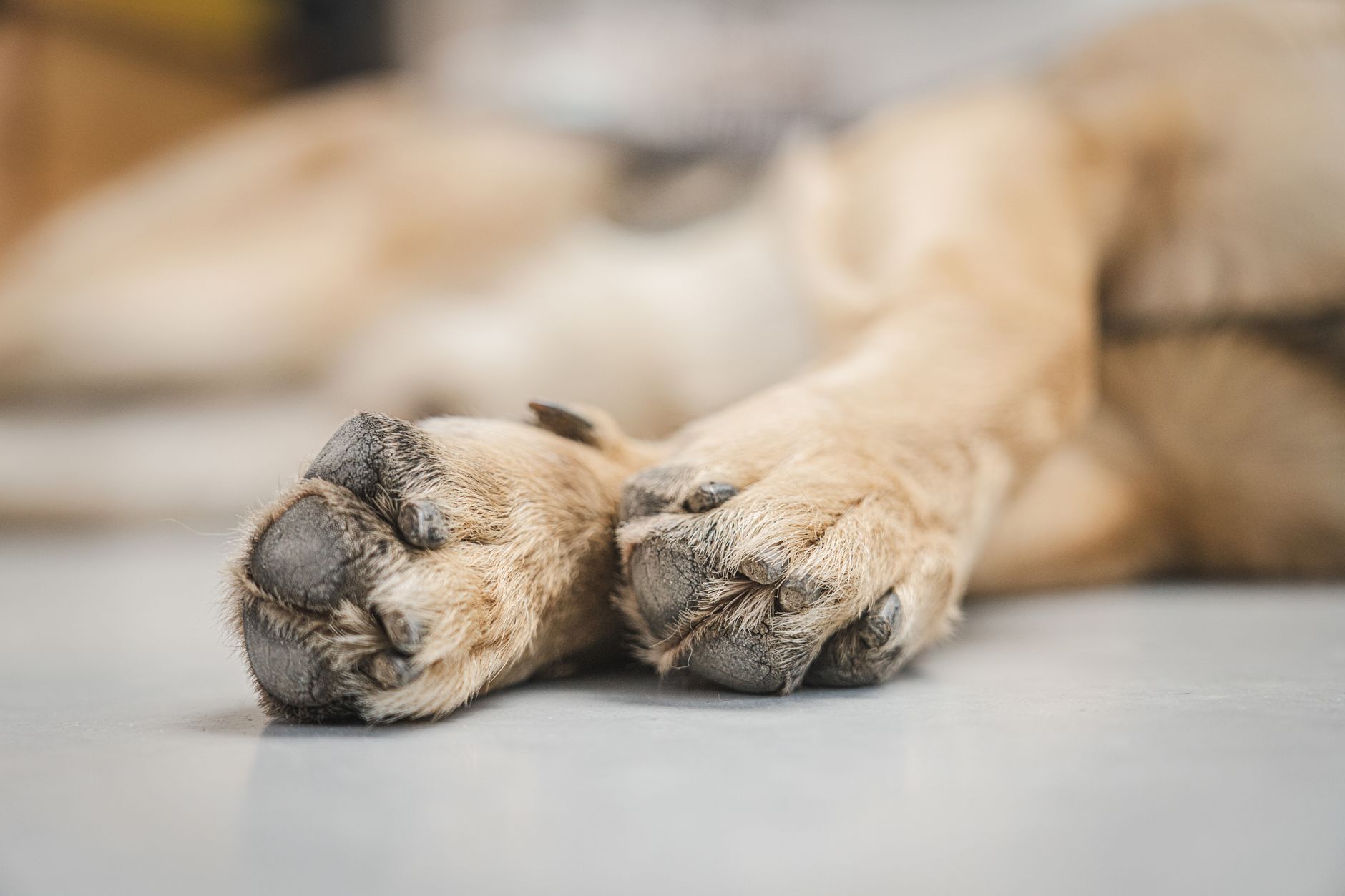
Understanding Normal Canine Paw Anatomy and Structure
To accurately identify abnormalities, injuries, or early signs of disease, you must first become thoroughly familiar with the baseline anatomy of a healthy canine foot. A dog’s paw consists of four distinct digital pads, one large metacarpal or metatarsal pad (frequently referred to as the main leather pad), a carpal pad situated higher up on the back of the front legs to provide traction during stopping and turning, and various claws or nails including the highly vulnerable dewclaw. Healthy paw pads should feel thick, tough, resilient, and slightly pliable to the touch—much like the tread on a well-maintained athletic shoe. They should never feel paper-thin, overly brittle, spongy, or deeply cracked.
Furthermore, the skin located in the interdigital spaces between the toes should be clean, dry, and completely free of redness, swelling, discharge, or strong, pungent odors. Routine home grooming should always include checking these delicate webbed areas regularly, especially after outdoor adventures in wooded hiking trails, urban concrete parks, or harsh winter environments treated with chemical melting salts and abrasive gravel. Understanding this baseline allows you to notice subtle changes immediately before they develop into severe health complications.
Primary Dog Paw Health Warning Signs to Monitor Daily
Dogs are evolutionary masters at masking physical discomfort due to their ancestral instinct to hide vulnerability from predators and pack rivals. Therefore, subtle behavioral shifts often serve as your very first indicator that something is amiss with their paws. Pet owners should remain vigilant and watch closely for the following primary early warning signs:
1. Excessive Licking, Chewing, or Nibbling at the Paws
While normal, healthy dogs engage in occasional baseline grooming of their paws, obsessive licking, intense chewing, or constant nibbling at one or more feet usually points directly to underlying irritation, chronic pain, allergy, or infection. This repetitive behavior creates a frustrating biological cycle: moisture and digestive enzymes from the dog's saliva trapped between the toes create a warm, humid breeding ground for pathogenic bacteria and yeast. This secondary condition frequently manifests as moist dermatitis, redness, or painful interdigital cysts.
2. Changes in Texture: Dry, Cracking, or Peeling Pads
Extreme environmental weather conditions, such as freezing winter snowstorms or scorching summer asphalt, can rapidly dry out the protective keratin layers on the paw pads. While mild seasonal dryness is relatively common and easily managed, deep fissures, peeling outer layers, bleeding cracks, or chunks of missing pad indicate severe thermal trauma, chemical burns, or underlying nutritional and dermatological deficiencies that require prompt veterinary evaluation.
3. Sudden Limping, Favoring a Limb, or Reluctance to Move
If your dog suddenly starts lifting a paw off the ground, walks with an uneven or stilted gait, or hesitates before jumping into the family car or onto the sofa, you should inspect their feet immediately. A hidden splinter, a torn or split nail, a sharp foreign object lodged deep between the digital pads, or a painful thermal burn can cause acute, debilitating discomfort that instantly alters your dog's mobility and demeanor.
4. Swelling, Redness, and Interdigital Cysts
Swollen lumps or nodules developing between the toes, sometimes clinically referred to as interdigital furuncles or cysts, can be excruciatingly painful for a dog. These localized inflammatory lesions often look like small, red, fluid-filled boils. They frequently rupture, drain serosanguinous fluid, and refill repeatedly if the root cause—such as foreign body penetration, deep-seated atopic allergies, or abnormal anatomical pressure points on the foot—is not properly identified and resolved by a veterinary professional.
5. Discoloration, Staining, and Unusual Pungent Odors
A distinct "corn chip" or musty, cheesy odor emanating from your dog's paws is often a classic clinical sign of localized bacterial or yeast overgrowth, such as Malassezia dermatitis or Pseudomonas. While a faint, earthy scent is completely normal for most healthy dogs, a pungent, sour, or foul odor accompanied by reddish-brown saliva staining around the fur of the nails and toes warrants a professional veterinary skin scrape or microscopic cytology test.

Common Causes of Paw Injuries and Infections
Understanding the root causes of paw deterioration empowers you to proactively protect your canine companion during daily routines, walks, and seasonal changes:
- Thermal Burns from Hot Pavement: Asphalt and concrete absorb and retain solar heat with incredible intensity. If the pavement is too hot for the back of your bare hand to comfortably press against for seven full seconds, it is dangerously hot for your dog's paw pads, leading rapidly to second-degree burns, blistering, and sloughing skin.
- Chemical Irritants and De-Icers: Lawnmower fertilizers, commercial weed killers, sidewalk rock salt, and chemical ice-melting compounds can chemically burn sensitive paw pads and cause severe contact dermatitis when absorbed through the skin or ingested during self-grooming sessions.
- Foreign Objects and Debris: Glass shards, metallic wire, thorny burrs, sharp woody splinters, and coarse pebbles frequently wedge themselves deep inside the delicate interdigital spaces during hikes, park visits, or walks through unpaved urban alleys.
- Torn or Split Nails and Dewclaws: Overgrown toenails or untrimmed dewclaws easily snag on plush carpets, wooden deck slats, or rough outdoor terrain, tearing violently at the quick and causing profuse bleeding, extreme shock, and intense localized pain.
Step-by-Step Guide: How to Safely Inspect Your Dog's Paws at Home
Establishing a calm, routine paw inspection habit makes necessary veterinary examinations much easier and catches emerging health problems at their earliest, most treatable stages. Follow these practical, stress-free steps:
- Choose a Calm, Distraction-Free Environment: Pick a quiet room with bright, clear lighting when your dog is already relaxed and calm, perhaps following a satisfying meal or an afternoon nap.
- Introduce Touch Gradually and Positively: Gently handle your dog's legs and paws during casual petting sessions, immediately offering high-value, delicious treats to create powerful positive associations with foot manipulation.
- Inspect the Top and Bottom Thoroughly: Gently and patiently spread the toes apart to check the sensitive webbing for signs of redness, ticks, embedded burrs, or moisture accumulation. Carefully feel each individual pad for smoothness, cuts, abrasions, or foreign debris.
- Check the Nails and Dewclaws Closely: Examine the exact length of each toenail and look closely at the upper inside of the front paws to ensure the dewclaw is not curling inward, piercing the skin, or snagging on objects.
- Reward Cooperation Generously: Always conclude the paw inspection session with verbal praise and a healthy treat so your dog actively looks forward to future foot checks and grooming routines.

Common Mistakes to Avoid When Caring for Dog Paws
Even well-meaning pet parents can accidentally exacerbate paw issues by committing common mistakes during routine care:
- Using Human Ointments Without Veterinary Guidance: Avoid applying human medicated creams, steroid sprays, or over-the-counter antibiotic ointments unless explicitly prescribed by your vet, as dogs routinely lick these substances off, potentially causing digestive upset or systemic toxicity.
- Ignoring Minor Licking and Chewing: Brushing off occasional paw chewing as mere canine boredom can allow a simple irritation to develop into a severe, deep-seated bacterial infection requiring expensive antibiotics.
- Neglecting Winter Paw Rinses and Wiping: Failing to wipe or thoroughly rinse paws after walking on chemically salted sidewalks allows toxic residues to linger, burn the skin, and dry out the pads.
- Attempting Deep Surgery or Extraction at Home: Never attempt to dig out deep-seated glass, thorns, or drain stubborn interdigital cysts using household sewing needles or tweezers, as this risks driving the foreign object deeper into tissue or introducing severe bacterial infection.
Preventive Care Strategies for Long-Term Paw Health
An ounce of prevention is truly worth a pound of cure when managing canine podiatric health. Implement these simple, effective habits to keep your dog's feet in top condition year-round:
- Use Protective Booties or Paw Wax Barriers: For extreme weather conditions—whether freezing snow and ice or scorching summer pavement—consider utilizing protective rubber booties or applying a vet-approved natural paw wax barrier.
- Maintain Regular Interdigital Grooming: Trim excess fur growing between the paw pads to significantly reduce moisture retention, snowball accumulation during winter walks, and debris trapping.
- Wipe Paws After Every Outdoor Outing: Keep a damp washcloth or pet-safe cleansing wipes stationed right by the front door to remove mud, pollen, allergens, and chemical residues immediately after walks.
- Monitor Body Weight and Nutritional Intake: Proper nutrition rich in omega-3 fatty acids supports skin barrier function and pad elasticity, while maintaining an ideal body weight reduces excessive friction and mechanical pressure on paw pads.

Frequently Asked Questions
What causes my dog's paws to smell like corn chips?
The classic corn chip or Fritos smell is typically caused by a harmless buildup of normal, resident bacteria, such as Pseudomonas or Proteus, or yeast strains living naturally on the skin and between the toes. However, an overpowering or intensely pungent odor can indicate an overgrowth or active infection requiring veterinary treatment.
Can I use human lotion on my dog's cracked paw pads?
No, you should strictly avoid human lotions, body milks, and hand creams because they are frequently formulated with artificial fragrances, parabens, and ingredients that can soften pads excessively or prove toxic if ingested when your dog licks their feet. Always use a pet-safe, veterinary-approved paw balm.
How do I know if my dog's paw pad is burned from hot pavement?
Signs of a thermal pavement burn include extreme reluctance to walk, visible redness, blistering, swelling, or sloughing (peeling) of the outer keratin layer of the pad. If you suspect a thermal burn, immediately keep your dog off the hot surface and contact a veterinarian.
Why does my dog constantly lick between their toes?
Persistent interdigital licking is almost always a sign of underlying environmental allergies (atopic dermatitis), food sensitivities, underlying anxiety, or localized pain caused by a foreign object, insect sting, or secondary yeast and bacterial infection.
How often should I trim the hair between my dog's paw pads?
For most long-haired or medium-coated breeds, carefully trimming the fur level with the paw pads every 4 to 6 weeks helps prevent slipping on smooth indoor flooring, reduces debris accumulation, and keeps the interdigital skin dry and healthy.
When should I take my dog to the vet for a paw injury?
You should consult a veterinarian promptly if you notice continuous bleeding, deep lacerations, signs of purulent pus or foul discharge, severe limping lasting more than a few hours, or if your dog is in obvious distress and resists having their foot touched.
Are dewclaws necessary for dogs?
Front dewclaws help stabilize the carpal joint during high-speed running, sharp turns, and climbing. However, because they rarely make contact with the ground, they do not wear down naturally and require diligent, regular trimming to prevent painful inward curling and tearing.
Helpful PawPrintHub Tools
To support your dog's overall wellness and proactive care routine, utilize these helpful interactive tools on our site:
- Keep track of your dog's physical upkeep and nail-trimming schedules using our Pet Grooming Planner.
- Ensure your canine companion maintains an ideal, joint-friendly weight with our Pet Healthy Weight Checker.
- Be fully prepared for outdoor adventures and minor mishaps by assembling a custom checklist using our Pet First Aid Checklist.
Conclusion
Dog paw health warning signs should never be ignored or dismissed, as healthy, pain-free paws are fundamental to your canine companion's mobility, happiness, and overall quality of life. By incorporating regular visual and tactile inspections into your daily pet care routine, protecting sensitive pads from extreme environmental temperatures, and addressing minor irritation before it escalates into a complex infection, you ensure your dog stays comfortable and active on every walk. Always monitor for unusual licking, limping, or texture changes, and consult your veterinarian promptly whenever persistent podiatric problems arise.
Support free pet guides and tools.
Buy Me a Coffee
Comments
Post a Comment