
How to Spot Cat Respiratory Infection Signs Early: A Complete Feline Wellness Guide
As devoted pet parents, watching our feline companions experience discomfort is deeply concerning. Feline respiratory issues are among the most common health challenges cats face, ranging from mild seasonal sniffles to more severe systemic illnesses. Learning to identify early cat respiratory infection signs can make a profound difference in your cat's comfort, recovery time, and overall well-being. This comprehensive guide is designed to help you understand what constitutes normal feline behavior versus potential warning signs, how to monitor your cat effectively at home, and when it is time to consult a qualified veterinarian.
Disclaimer: This article is for educational and informational purposes only and does not replace professional veterinary care, diagnosis, or treatment. Always consult your veterinarian if you suspect your cat is unwell.

Feline upper respiratory infections (URIs) are frequently caused by viral or bacterial pathogens, such as feline herpesvirus and calicivirus. Because cats rely heavily on their sense of smell to stimulate appetite and interact with their environment, even minor respiratory congestion can quickly lead to secondary issues like reduced food intake and dehydration. By understanding the subtle shifts in your cat's daily habits, you can intervene proactively before minor symptoms escalate into complex health concerns. When pathogens enter the delicate mucous membranes of a cat's respiratory tract, the body mounts an immediate inflammatory response. This reaction, while natural, causes swelling, excess mucus, and irritation that disrupts the cat's normal breathing patterns and day-to-day comfort.
Understanding the intricacies of feline wellness requires looking beyond basic feeding and grooming routines. Cats are notoriously adept at masking signs of illness, an evolutionary survival mechanism designed to hide vulnerability from potential predators in the wild. Consequently, by the time a pet owner notices overt signs of sickness, the underlying infection may have been developing for several days. Developing a keen eye for subtle behavioral shifts—such as a slight reluctance to jump onto a favorite perch, a minor change in vocal pitch, or a momentary hesitation before eating—allows vigilant owners to detect feline distress at its earliest, most manageable stage.
Understanding Feline Respiratory Health and Anatomy
The feline respiratory system encompasses the nasal passages, sinuses, pharynx, larynx, trachea, and lungs. Upper respiratory infections typically target the nasal cavity, throat, and sinuses, causing inflammation, excessive mucus production, and discomfort. Unlike humans, cats are obligate nasal breathers in many contexts, meaning they prefer breathing through their noses. When nasal passages become blocked by discharge or swelling, cats experience immediate stress and respiratory effort. Their inability to easily clear their noses forces them into mouth-breathing scenarios that feel entirely unnatural and cause significant anxiety.
Maintaining an optimal indoor environment plays a vital role in protecting your cat's respiratory tract. Dry winter air, household dust, aerosol sprays, tobacco smoke, and harsh cleaning chemicals can irritate sensitive mucous membranes and make them more susceptible to infectious agents. Regular wellness checks and proactive observation allow you to catch environmental triggers and early illness indicators instantly. Furthermore, understanding how air circulates within your home can help you minimize drafts and stagnant pockets of air that might harbor dust mites, mold spores, or volatile organic compounds.
Respiratory health is also deeply connected to systemic immune function. A well-nourished cat with a balanced diet rich in essential amino acids—such as lysine and taurine—maintains stronger mucosal barriers against invading pathogens. Conversely, nutritional deficiencies, chronic stress, underlying endocrine disorders, or advanced age can compromise these natural defenses, making the upper respiratory tract a welcoming environment for opportunistic viruses and bacteria to replicate rapidly.
Early Cat Respiratory Infection Signs to Watch For
Recognizing the initial manifestations of respiratory distress requires daily attention to your cat's appearance, posture, and vocalizations. While an isolated sneeze is normal, persistent or cluster sneezing is a classic hallmark of trouble. Here are the primary cat respiratory infection signs every owner should monitor closely:
- Frequent Sneezing: Occasional sneezes happen, but repeated sneezing fits or sudden onset of frequent sneezes indicate nasal irritation, viral activity, or localized infection.
- Ocular Discharges: Watery eyes, excessive blinking, squinting, or sticky discharge building up in the corners of the eyes due to conjunctival inflammation.
- Nasal Exudate: Clear, cloudy, yellow, or greenish discharge coming from one or both nostrils, signaling the presence of bacterial or secondary infectious processes.
- Conjunctivitis: Redness, swelling, or inflammation of the delicate tissues surrounding the eyes, frequently linked to feline herpesvirus flare-ups.
- Watery or Hoarse Meow: Changes in vocalization due to inflammation of the larynx, vocal cords, or pharynx resulting from persistent coughing or throat irritation.
- Mild Lethargy: Spending more time sleeping, reluctance to engage in interactive play, or a general lack of typical daily curiosity and engagement.
- Decreased Appetite: Turning away from favorite foods, often caused by blocked nasal passages preventing the cat from smelling the meal and stimulating hunger.
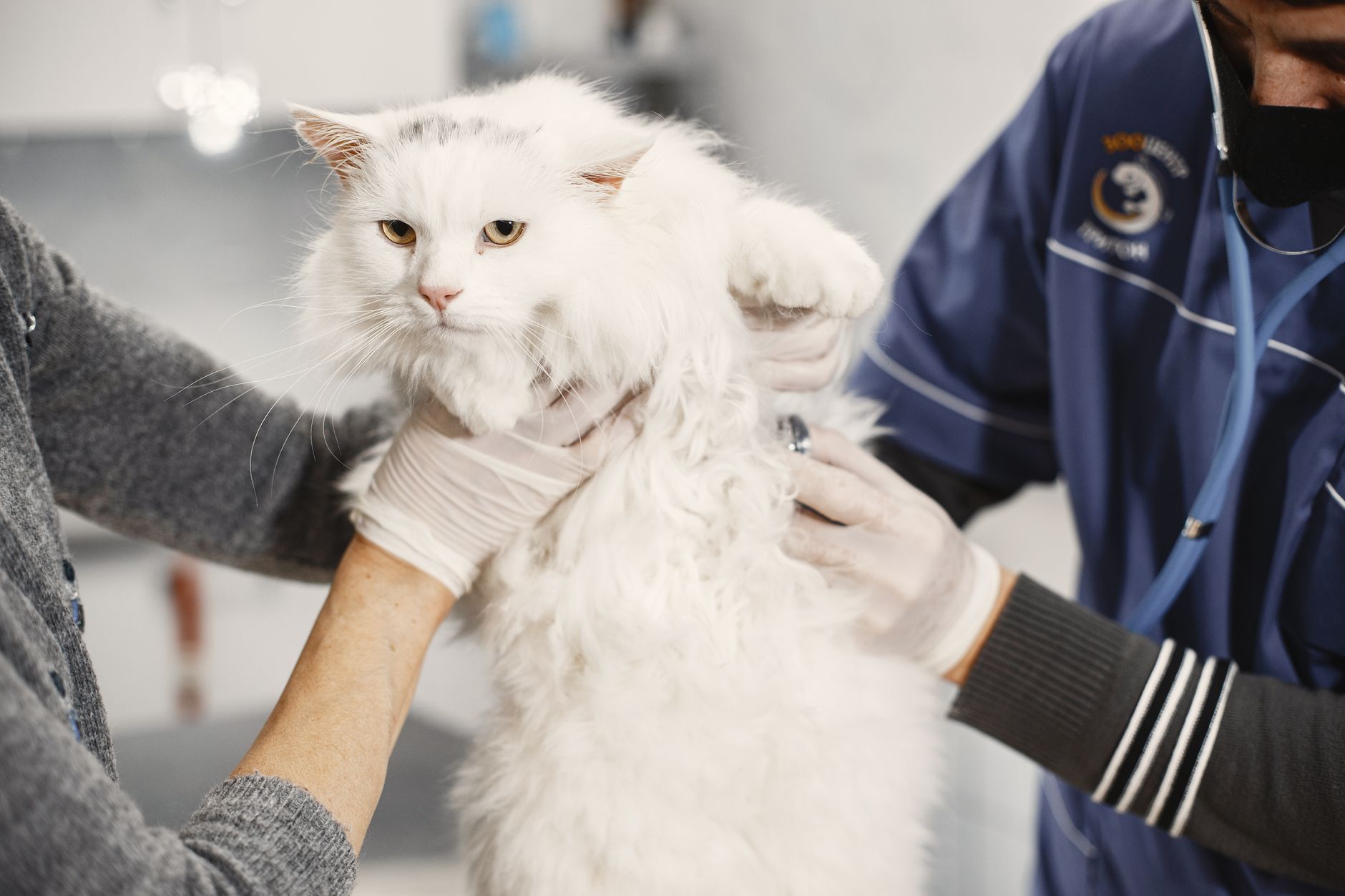
Monitoring your cat's weight and body condition is equally important during periods of reduced vitality. Sudden weight loss or gradual muscle wasting can indicate that an infection is draining your cat's metabolic reserves. You can use our Pet Healthy Weight Checker to ensure your cat stays within a safe, healthy physical range.
In addition to these hallmark symptoms, watch for subtle postural changes. A cat experiencing respiratory discomfort may adopt a hunched posture with elbows turned outward to expand the chest cavity, or stretch its neck forward to make breathing easier. These physical adjustments are clear indicators that your cat is working harder than normal just to draw breath, signaling that prompt intervention is required.
Advanced Warning Signs and Red Flags
If early symptoms are overlooked or if the underlying pathogen is aggressive, mild sniffles can progress rapidly. Advanced warning signs demand immediate attention from a veterinary professional. Do not wait for these symptoms to resolve on their own:
- Labored Breathing: Noticeable effort when breathing, increased respiratory rate (tachypnea), or the use of abdominal muscles to push air out of the lungs.
- Open-Mouth Breathing: Cats should rarely breathe through their open mouths unless panting from extreme heat or stress. Open-mouth breathing in a resting cat is an absolute medical emergency.
- Severe Lethargy and Weakness: Inability or unwillingness to stand, profound depression, or unresponsiveness to environmental stimuli and familiar sounds.
- Complete Anorexia: Refusing to eat or drink for more than 24 hours, which puts cats at severe risk of hepatic lipidosis (fatty liver disease), a potentially fatal metabolic condition.
- Fever: Elevated body temperature, often accompanied by shivering, warm ear tips, or seeking out cool tile surfaces to lower body heat.
- Deep, Productive Coughing: Coughing that originates from the lower respiratory tract or lungs, suggesting the development of secondary bronchitis, tracheitis, or pneumonia.
When these advanced indicators appear, home remedies are no longer sufficient. Veterinary intervention is critical to administer targeted therapies, such as prescription eye drops, oral or injectable antibiotics for secondary bacterial infections, intravenous or subcutaneous fluid therapy for dehydration, and specialized respiratory support.
Step-by-Step Home Monitoring and Supportive Care
When you first notice mild cat respiratory infection signs, taking structured steps at home can support your cat's immune system while you arrange for veterinary guidance. Here is how to create a supportive healing environment:
1. Create a Steamy Sanctuary
If your cat has nasal congestion, bring them into the bathroom while you run a hot shower. Sit with your cat in the steam-filled room for 10 to 15 minutes. The gentle moisture helps loosen dried mucus in the nasal passages, making it easier for your cat to breathe and clear their nose. Be sure to keep the cat in a safe, warm environment and avoid letting them get chilled after the steam session.
2. Encourage Gentle Hydration and Warm Nutrition
Congested cats often refuse cold, dry kibble because they cannot smell it. Transition temporarily to warm, highly aromatic wet food. You can warm canned food slightly in the microwave for a few seconds (always test the temperature first on your wrist) to release rich aromas. Adding a splash of low-sodium chicken broth or water to the food also boosts hydration. To keep track of proper daily hydration needs, check your cat's requirements with the Pet Water Intake Calculator.
3. Gently Clean Discharge
Use a warm, damp, fragrance-free washcloth to gently wipe away crust, mucus, and discharge from your cat's eyes and nose. Use a fresh section of the cloth for each eye to prevent cross-contamination. Never use human medicated eye drops, saline solutions containing additives, or over-the-counter decongestants, as many active ingredients are intensely toxic to felines.
4. Eliminate Airborne Irritants
Instantly remove potential respiratory irritants from your cat's living space. Stop using scented candles, essential oil diffusers (many of which, like tea tree and eucalyptus, are poisonous to cats), aerosol air fresheners, dusty clay cat litters, and harsh chemical surface cleaners until your cat has fully recovered. Switch to dust-free paper or wood-based litters and clean with mild, pet-safe disinfectants.
Daily Health Tracking Routine for At-Risk Felines
Implementing a structured daily observation routine can help you catch respiratory changes before they escalate into emergencies. Dedicate five minutes each morning and evening to check your cat using the following systematic checklist:
- Breath Count: Count your cat's breaths for 30 seconds while they are resting or sleeping, then multiply by two. A normal resting respiratory rate is typically between 15 and 30 breaths per minute. Consistently elevated rates warrant a call to your vet.
- Nose and Eye Inspection: Check for any new accumulation of crust, clear moisture, or colored discharge. Note whether the cat is squinting or holding one eye partially closed.
- Appetite and Water Consumption: Verify that food bowls are emptying normally and monitor water fountain levels. Sudden drops in intake are immediate warning signs.
- Vocal Check: Listen to your cat's meow when they greet you or ask for food. A husky, muffled, or absent meow indicates laryngeal irritation.
- Energy and Activity Audit: Observe whether your cat greets you at the door, responds to play cues, or maintains their regular grooming habits. A lack of self-grooming is a common sign of feeling unwell.
Preventive Care Strategies for Long-Term Feline Respiratory Health
Preventing upper respiratory infections entirely can be challenging, especially in multi-cat households, boarding facilities, or with cats that have outdoor access. However, robust preventive measures significantly reduce infection frequency and severity:
- Keep Vaccinations Current: Discuss core and non-core vaccines, such as the FVRCP vaccine (which protects against feline viral rhinotracheitis, calicivirus, and panleukopenia), with your veterinarian to establish a proper booster schedule.
- Practice Strict Hygiene: Wash food and water bowls daily with hot, soapy water, sanitize bedding weekly, and wash your hands thoroughly after handling unfamiliar or outdoor cats.
- Manage Stress Effectively: Stress severely compromises the feline immune system, triggering latent flare-ups of chronic viruses like feline herpesvirus. Provide safe vertical spaces, stable feeding schedules, predictable routines, and quiet resting areas.
- Quarantine New Additions: Always isolate new cats or returning shelter pets for at least 14 days to monitor for hidden respiratory symptoms before introducing them to resident pets in your home.
- Support Senior Wellness: Older cats require vigilant wellness monitoring. Aging immune systems are less equipped to fight off respiratory pathogens. If you share your home with an aging feline, monitor their daily vitality and use tools like the Cat Age Calculator to better understand their life stage health priorities.
Common Mistakes to Avoid When Dealing With Sick Cats
Pet owners often make well-intentioned errors when caring for a sick cat. Avoid these common pitfalls to ensure your cat's safety and swift recovery:
- Never Administer Human Medications: Drugs like acetaminophen (Tylenol), ibuprofen, aspirin, and human cold or flu formulas are intensely toxic to cats and can cause fatal liver and kidney failure or severe blood disorders.
- Do Not Ignore Decreased Appetite: Missing meals for even 48 hours can trigger serious liver complications in cats. Never adopt a "wait-and-see" approach if a cat stops eating entirely.
- Avoid Over-Stressing the Cat: While monitoring is essential, handling a sick cat excessively, forcing medication without proper technique, or subjecting them to loud household environments can cause stress that worsens respiratory compromise.
- Don't Skip Follow-Up Care: Even if symptoms improve dramatically after a couple of days of prescribed medication, always finish the entire course recommended by your veterinarian to prevent a stubborn relapse.
- Avoid Self-Prescribing Supplements: Always consult your veterinarian before introducing over-the-counter immune boosters, herbal remedies, or amino acid supplements to ensure they do not interact with prescribed medications.
Understanding Chronic Feline Herpesvirus and Management
A significant percentage of cats carry feline herpesvirus type 1 (FHV-1) in their systems. Once infected, the virus remains latent in the nerve tissues for life, periodically reactivating during periods of physical or emotional stress, environmental changes, or concurrent illness. Recognizing how FHV-1 operates helps owners manage expectations and provide lifelong support.
Managing a herpesvirus-positive cat involves minimizing stress triggers, maintaining consistent daily routines, and supporting immune health through high-quality nutrition and veterinarian-recommended supplements such as L-lysine (though current veterinary opinions on lysine vary, professional guidance is essential). Keeping indoor air clean, free of chemical irritants, and properly humidified during dry months further reduces the frequency and severity of flare-ups.
Frequently Asked Questions
Can outdoor cats pass respiratory infections to indoor cats?
Yes. If you interact with stray or outdoor cats, you can carry infectious viral and bacterial particles on your hands, clothing, or shoes into your home. Changing clothes and washing hands after handling outdoor animals protects indoor pets from accidental exposure.
Are feline respiratory infections contagious to humans or dogs?
Most feline respiratory pathogens are species-specific. Feline herpesvirus and calicivirus do not typically infect humans or dogs. However, rare zoonotic bacteria like *Bordetella bronchiseptica* and *Chlamydia felis* can occasionally cross species lines under specific circumstances.
How long do upper respiratory infections typically last in cats?
Mild viral infections in healthy adult cats often resolve within 7 to 10 days with supportive home care. However, kittens, senior cats, or cats with underlying health conditions may require several weeks of professional veterinary treatment.
Why is my cat squinting along with sneezing?
Squinting is a classic sign of eye discomfort, conjunctivitis, or corneal irritation, which frequently accompanies feline upper respiratory infections due to viral inflammation of the conjunctival tissues and surrounding structures.
Can I use a human humidifier for my congested cat?
Yes, running a clean, cool-mist humidifier in the room where your cat sleeps can help soothe irritated airways and loosen nasal mucus. Ensure the water reservoir is cleaned daily to prevent mold and bacteria growth.
When should I rush my cat to an emergency veterinarian?
Seek emergency veterinary care immediately if your cat displays open-mouth breathing, blue-tinged gums, severe lethargy, complete inability to breathe comfortably, or total physical collapse.
Do indoor-only cats need respiratory vaccinations?
Yes. Even indoor-only cats benefit from core vaccinations because viruses can be tracked indoors on clothing, and indoor cats occasionally escape or visit veterinary clinics where exposure is possible.
What should I do if my cat refuses to eat due to congestion?
Warm up canned wet food to enhance its aroma, add warm low-sodium chicken broth, or offer highly palatable meal toppers. If your cat refuses food for more than 24 hours, contact your veterinarian immediately to prevent hepatic lipidosis.
Helpful PawPrintHub Tools
Explore our suite of specialized calculators and planners designed to support responsible pet parenting:
- Pet Healthy Weight Checker - Evaluate your cat's body condition safely.
- Pet Water Intake Calculator - Calculate optimal daily hydration levels.
- Cat Age Calculator - Understand your cat's life stage and health needs.
Conclusion
Recognizing early cat respiratory infection signs empowers you to act swiftly, minimizing your feline companion's discomfort and preventing minor sniffles from escalating into severe health issues. By maintaining a clean living space, offering supportive home care, and partnering closely with your veterinarian, you ensure that your cat enjoys a long, healthy, and vibrant life. Stay observant, prioritize preventive wellness, and always seek professional veterinary guidance whenever health concerns arise.
Support free pet guides and tools.
Buy Me a Coffee
Comments
Post a Comment