
How to Transition Pet Birds to a Pelleted Diet Safely: A Complete Avian Nutrition Guide
When you bring home a companion bird like a budgie, cockatiel, or larger parrot, ensuring they receive balanced nutrition is one of the most important responsibilities you have as a pet owner. While many pet birds are initially raised on or accustomed to all-seed diets, seeds alone lack essential vitamins, minerals, and amino acids necessary for long-term health and vitality. Converting your companion to a high-quality pelleted diet can dramatically improve their plumage, immune system, and overall life expectancy. However, because birds are notoriously neophobic—fearful of new things—switching their food requires patience, strategy, and careful observation. This comprehensive guide outlines a step-by-step approach to help you transition pet birds to a pelleted diet safely without causing undue stress or nutritional deficiency.
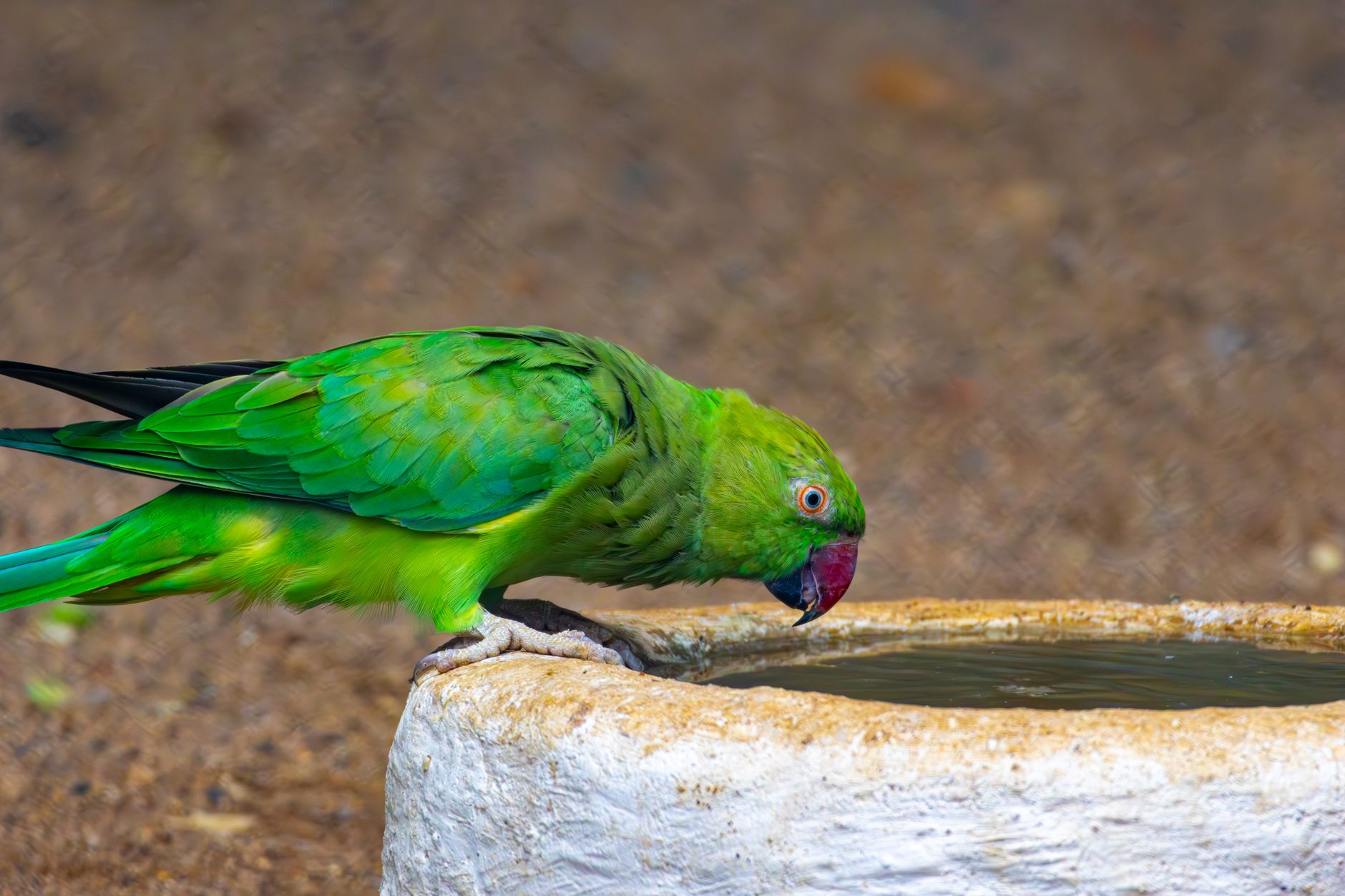
Understanding Avian Nutritional Needs: Why Pellets Matter
In the wild, birds forage for a wide variety of seeds, buds, flowers, bark, and insects. Domestic seed mixes, while convenient, typically consist of just a few types of seeds—often high in fats and low in crucial nutrients like calcium, vitamin A, and vitamin D3. Over time, an all-seed diet can lead to fatty liver disease, obesity, hormonal imbalances, and weakened immune function.
Commercial bird pellets are scientifically formulated to provide a complete and balanced diet in every single bite. Unlike seed mixes, where a bird can selectively pick out only their favorite sunflower seeds and leave the rest behind, pellets ensure that every mouthful delivers uniform nutrition. Whether you care for a small parakeet or a majestic Amazon parrot, establishing a reliable pelleted diet lays the groundwork for a long, healthy life. Please note that this article is for educational purposes and does not replace professional avian veterinary advice. If your bird has pre-existing health conditions or sudden weight loss, always consult an avian veterinarian before making major dietary changes.
Furthermore, understanding the biological differences in avian species helps tailor your approach. For instance, smaller hookbills like budgies and lovebirds have extremely fast metabolic rates, meaning they cannot safely endure prolonged fasting periods. Larger parrots, such as African Greys or Cockatoos, may exhibit deep-seated psychological attachments to their favorite seeds, requiring even more creative enrichment to break old habits. Acknowledging these nuances prevents frustration and keeps your bird safe throughout the dietary transformation journey.
Assessing Your Bird's Current Diet and Behavior
Before launching into a conversion plan, you need to understand your bird's eating habits thoroughly. Keep a food diary for three to five days to monitor how much they eat and whether they graze continuously or eat during specific windows. Many seed-addicted birds spend hours cracking shells while consuming very little actual nutrition. Knowing their baseline behavior helps you gauge whether they are actually consuming the new pellets or simply playing with them.
It is also helpful to check your bird's weight using a precise digital gram scale. Sudden food refusal can lead to rapid weight loss, which is extremely dangerous for smaller species like budgies and lovebirds. Tracking weight ensures you catch any potential issues before they escalate into an emergency. Weigh your bird at the same time every day—ideally in the morning before breakfast—to get accurate, consistent readings.
Observe their body language around the food bowl. Do they eagerly dive into the seeds, or do they casually pick through them while looking for treats? Understanding their motivation allows you to leverage their preferences during the transition phase. For example, if your bird loves millet, you can use millet sparingly as a high-value reward when they successfully taste a pellet.
Step-by-Step Guide to the Pellet Transition
Transitioning pet birds to a pelleted diet is rarely an overnight success. Rushing the process can result in hunger strikes or severe stress. Instead, utilize one of the proven conversion methods below, tailored to your bird's unique personality.
Method 1: The Gradual Mix-In Strategy
The most common and gentle approach involves gradually changing the ratio of seeds to pellets over a period of three to four weeks.
- Week 1: Mix 75% of their usual seed blend with 25% pellets. Ensure the pellets match your bird's size (small pellets for budgies, medium for cockatiels, large for macaws).
- Week 2: Adjust the ratio to a 50/50 split. Observe closely to ensure they are actively breaking open and consuming the pellets rather than just tossing them aside.
- Week 3: Shift to 75% pellets and 25% seeds. Continue to monitor droppings; a sudden change in diet can sometimes alter stool consistency, but persistent watery droppings warrant a vet visit.
- Week 4 and Beyond: Offer 100% pellets as the main staple, reserving seeds strictly for foraging toys, training treats, or bonding rewards.
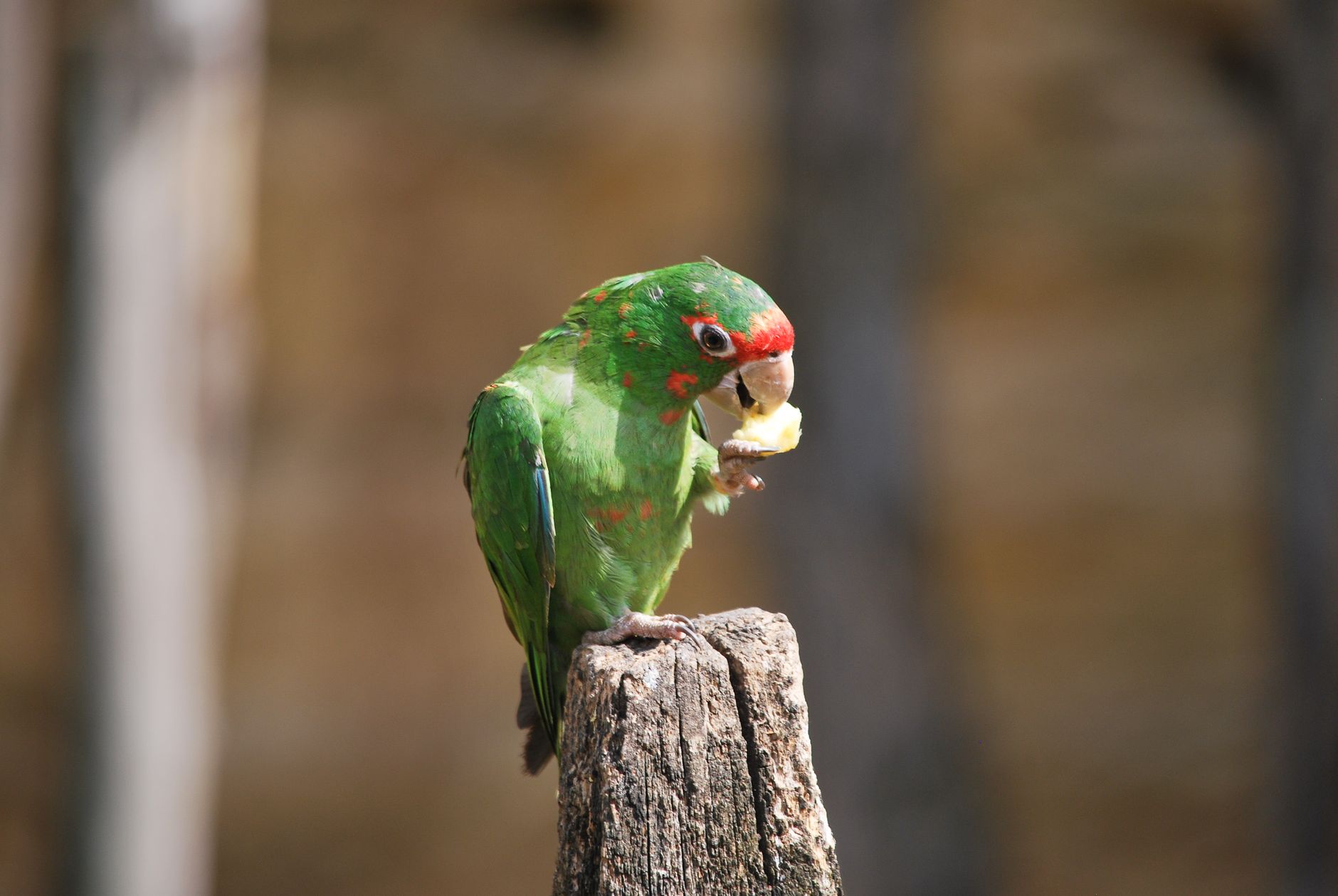
Method 2: The Morning Feast Technique
Birds are naturally most active and hungry first thing in the morning. Take advantage of this biological rhythm by removing seed cups right before bedtime.
In the morning, present a fresh bowl filled exclusively with pellets. Because your bird wakes up hungry, they are much more likely to explore and sample the novel food. After two to three hours, if they haven't touched the pellets, you can return their familiar seed dish for the remainder of the day. Repeat this routine daily, gradually reducing the hours that the seed bowl is available.
Method 3: Imitation and Social Learning
Birds are flock animals that learn by watching others. If you have multiple birds and one already eats pellets, house them within sight of each other during meal times. The hesitant bird will often become curious when watching their companion crunch happily on colorful pellets.
If you have a single bird, you can act as their flock leader. Pretend to eat a pellet yourself with great enthusiasm, making appreciative vocalizations. Many curious parrots will immediately march over to steal whatever is in your hand, successfully tasting the pellet in the process.
Method 4: The Warm Mash and Texture Play
Some birds reject dry pellets simply because the texture is foreign. You can overcome this by crushing a handful of pellets and mixing them with warm water, 100% unsweetened fruit juice, or pureed vegetables like sweet potato or squash to create a warm, porridge-like mash.
Serve this warm mixture in a shallow dish. The novelty and warmth often entice birds to investigate and taste the food. Once they accept the mash, you can gradually decrease the liquid content over subsequent weeks until they are eating slightly moistened pellets, and eventually, dry pellets.
Species-Specific Transition Considerations
Different bird families require tailored strategies when transitioning to a pelleted diet. Understanding these nuances significantly increases your chances of success.
Budgies and Parakeets
Budgies have tiny beaks and high metabolisms. They require micro-pellets. Because they are easily overwhelmed by large items, scattering tiny pellets over a shallow mirror or bright yellow plate can stimulate their natural curiosity.
Cockatiels
Cockatiels are notoriously stubborn regarding dietary changes. They often prefer cylindrical or round pellets. Mixing crushed safflower seeds or a tiny sprinkle of oat groats over the pellets can trick them into tasting the new food.
Conures and Caiques
High-energy and playful, conures love interaction. Use foraging toys to hide pellets, turning mealtime into a puzzle game that distracts them from their usual seed preference.
Common Mistakes to Avoid During Diet Conversion
Even well-intentioned bird owners can stumble during a diet transition. Avoiding these frequent pitfalls will keep your bird safe and content:
- Going "Cold Turkey" Abruptly: Removing seeds entirely without verifying that your bird recognizes pellets as food can lead to starvation. Birds will willingly starve themselves to death rather than eat something they do not recognize as edible.
- Ignoring Dropping Changes: When birds switch to pellets (especially colorful ones), their urates and feces may change color or become wetter due to higher moisture and vitamin content. However, if droppings turn jet black, contain undigested food, or become completely liquid, seek veterinary guidance.
- Choosing the Wrong Pellet Size: Offering large macaw-sized kibble to a tiny parrotlet makes consumption nearly impossible. Always select a pellet size appropriate for your specific species.
- Giving Up Too Soon: Conversion can take anywhere from two weeks to several months. Consistency is your best tool.
- Neglecting Fresh Water Access: Pellets are dry compared to fresh foods. Ensure your bird always has access to clean, fresh water to support proper digestion and hydration throughout the day.

Enhancing Pellets with Fresh Foods and Foraging
While a pelleted diet provides a wonderful nutritional foundation, captive birds thrive on variety and mental stimulation. Once your pet readily accepts pellets, complement their daily bowl with fresh, bird-safe vegetables, leafy greens, and occasional fruits.
You can also incorporate your newly accepted pellets into interactive games. Use enrichment ideas to hide pellets inside foraging toys, paper twists, or cardboard boxes. This encourages natural foraging behaviors, keeping your companion physically active and mentally sharp.
As you embark on this rewarding journey with your feathered companion, keeping track of their daily routine, enrichment activities, and general care requirements becomes much easier when you use organized planning tools. For instance, maintaining a structured routine can be supported by exploring a New Pet Checklist to ensure every aspect of your bird's habitat is optimized, or reviewing a Pet First Aid Checklist so you are always prepared for minor household emergencies.
Creating a Daily Feeding Schedule
Consistency is vital when converting birds to a new diet. Establishing a reliable daily feeding schedule helps regulate their metabolism and reduces food anxiety.
Morning Routine: Remove overnight droppings papers, clean the cage bottom, and provide a fresh bowl of pellets along with clean, filtered water. This is when your bird is most hungry and receptive to trying new foods.
Afternoon Routine: Offer a fresh chop of safe vegetables and leafy greens. Vegetables provide critical hydration, vitamins, and mental engagement. Remove any leftover fresh food after two to four hours to prevent bacterial spoilage.
Evening Routine: Check the pellet bowl. If you are using the gradual transition method, this is when you might add a measured portion of seeds. Ensure fresh water is topped off before you turn off the lights for their resting period.
Frequently Asked Questions
How long does it take to transition a bird to pellets?
The transition timeline varies greatly depending on the individual bird's age, species, and previous diet history. Some birds adjust within a week, while stubborn seed-addicted parrots can take several months. Patience, consistency, and monitoring weight are key.
Are colored pellets better than plain brown pellets?
Nutritionally, high-quality plain and colored pellets are often very similar. Some birds are attracted to bright colors, which can help kickstart the transition process. However, artificial dyes can sometimes stain droppings or feathers around the beak, so many owners prefer natural, uncolored varieties once the habit is established.
What should I do if my bird refuses to eat any pellets?
If your bird goes more than 12 to 18 hours without eating, you must reintroduce their familiar seeds to prevent dangerous weight loss. Try softening pellets with warm water, fruit juice (100% pure without added sugar), or mixing them with warm mashed sweet potato to create an appealing mash texture.
Can birds live on a diet of only pellets?
While high-quality pellets are designed to be a complete diet, most avian veterinarians recommend supplementing pellets with fresh dark leafy greens, safe vegetables, and small amounts of fruit to provide variety, hydration, and psychological enrichment.
How can I tell if my bird is actually eating the pellets or just crumbling them?
Inspect the bottom of the food dish and cage tray daily. Birds are notorious for chewing up pellets and dropping the crumbs into the cup without swallowing them. Look for an empty crop at night, monitor daily weight changes, and check droppings for signs of pellet digestion.
Should I provide grit for my bird on a pelleted diet?
Most hookbills (parrots, budgies, cockatiels) do not require grit because they shell their seeds before eating. In fact, excessive grit can lead to crop impaction in parrots. Always consult your avian vet before offering grit.
When should I consult an avian veterinarian?
You should consult an avian veterinarian immediately if your bird shows signs of lethargy, fluffed feathers, dramatic weight loss exceeding 10% of their baseline body weight, or complete food refusal lasting longer than 24 hours during a transition attempt.
Helpful PawPrintHub Tools
To help you stay organized on your pet parenting journey, check out these helpful resources:
- New Pet Checklist: Ensure your home and bird habitat are fully prepared for success.
- Pet First Aid Checklist: Keep essential emergency steps and supplies handy for peace of mind.
- Pet Enrichment Idea Generator: Discover creative ways to keep your bird's mind active and engaged every day.
Conclusion
Successfully transitioning pet birds to a pelleted diet is a journey that requires patience, observation, and gentle persistence. By moving slowly, respecting your bird's natural neophobia, and monitoring their weight and behavior closely, you can replace a deficient seed habit with a balanced nutritional foundation. Remember that every bird moves at their own pace. Celebrate small milestones, maintain a consistent daily routine, and consult an avian veterinarian if you encounter persistent hurdles. Your dedication will pay off with a healthier, more vibrant, and longer-lived feathered companion.
Support free pet guides and tools.
Buy Me a Coffee
Comments
Post a Comment