
How to Create a Safe Rat Playground: A Complete Climbing and Enrichment Guide
Domestic rats are exceptionally intelligent, highly curious, and remarkably athletic creatures. Keeping them confined to a standard enclosure without adequate mental and physical stimulation can lead to boredom, lethargy, and stress. Designing a safe rat playground provides your intelligent companions with the vertical space, tactile challenges, and foraging opportunities they naturally crave. Whether you are constructing a free-roam play area in a dedicated room or setting up a dynamic out-of-cage adventure zone, careful planning ensures your pets stay safe, active, and thoroughly entertained throughout their daily adventures.
In the wild, rats spend a significant portion of their waking hours navigating complex terrain, searching for food caches, and evading predators through agile movement. Domesticated fancy rats retain these exact survival instincts and drives, even if they have never stepped foot outdoors. Without an outlet for their boundless energy, pet rats may resort to bar-chewing, overeating, or depressive behaviors. By building a dedicated playground, you channel their natural athleticism into constructive play that strengthens their muscles, keeps their weight in check, and builds trust between you and your small companions.
Creating this environment requires a balance between stimulating their adventurous spirit and protecting them from everyday household hazards. Because rats explore with their mouths and possess agile bodies capable of squeezing through surprisingly small gaps, meticulous preparation of the play area is paramount. From selecting the right non-toxic woods and chew-safe fabrics to arranging multi-tiered climbing frames, every element contributes to a holistic habitat expansion that mimics their natural exploratory drives in a controlled, secure setting.
Understanding Rat Behavior and Physical Capabilities
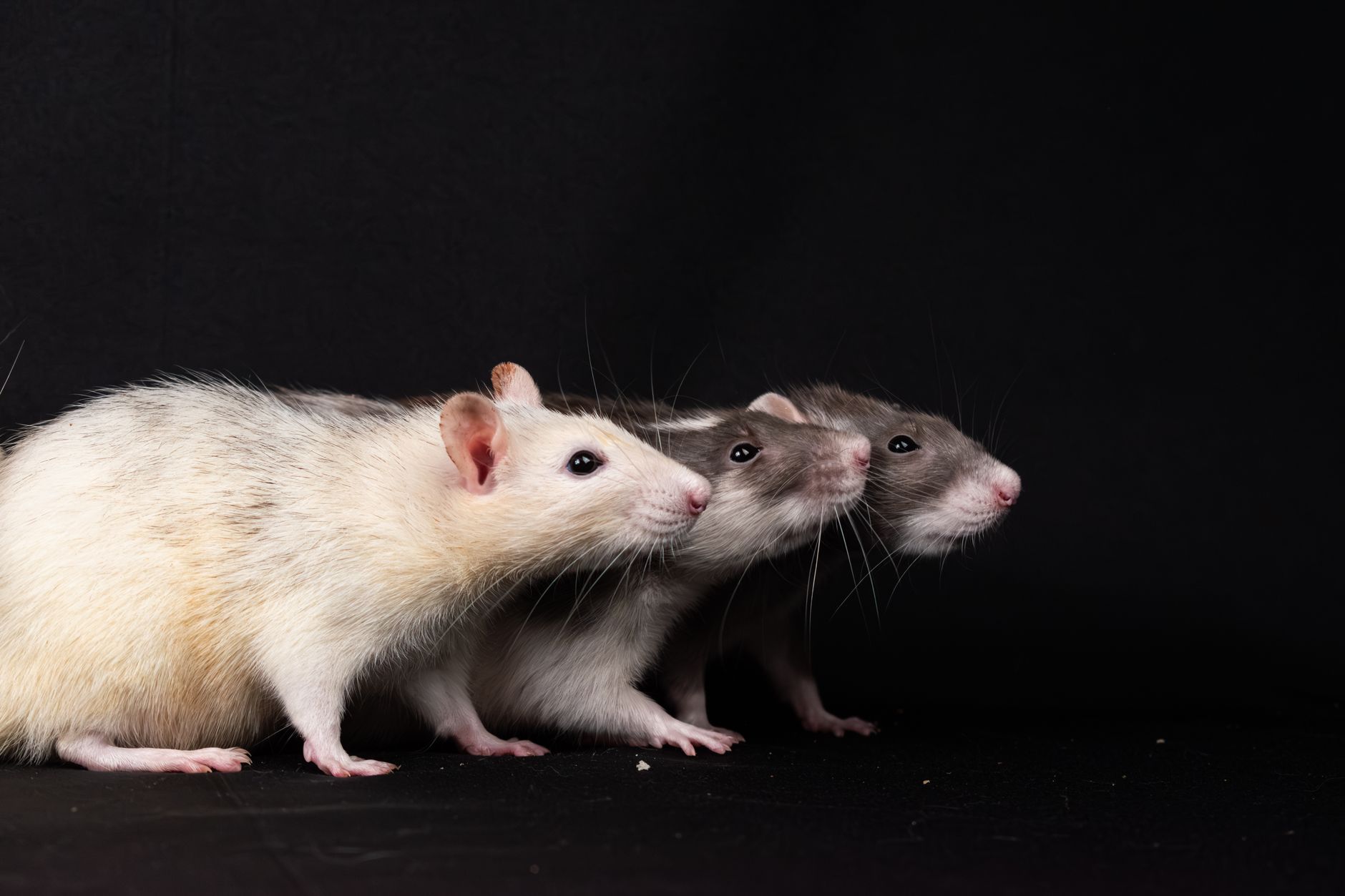
Before gathering materials for your setup, it helps to understand how rats interact with their environment. Rats are natural climbers, acrobats, and tunnelers. Their long tails act as exceptional balance organs, allowing them to navigate narrow ledges and ropes with surprising grace. However, their depth perception is relatively poor compared to humans, and they lack an inherent understanding of dangerous heights. A well-designed playground must cater to their love for climbing while strictly mitigating fall risks. Providing sturdy surfaces, soft landing zones, and multiple routes prevents sudden drops that could lead to injury.
Furthermore, rats possess strong incisors that continuously grow throughout their lives. They explore the world heavily through their sense of touch, smell, and taste, which means tasting novel objects is second nature to them. Every item introduced into a play space must be evaluated for chew safety. Toxic woods, treated plastics, and ingestible fibers can pose serious health hazards if chewed and swallowed. Understanding that a rat will test nearly anything with its teeth allows you to select durable, safe materials from the very beginning.
Rats are also intensely social animals. When multiple rats occupy a playground together, their interactions add another layer of dynamic fun. You will often observe them engaging in gentle wrestling matches, chasing each other through tunnels, or huddling together in a shared hiding spot. Designing spaces with multiple entry and exit points is crucial to prevent dominant cage-mates from cornering more timid individuals during high-energy play sessions.
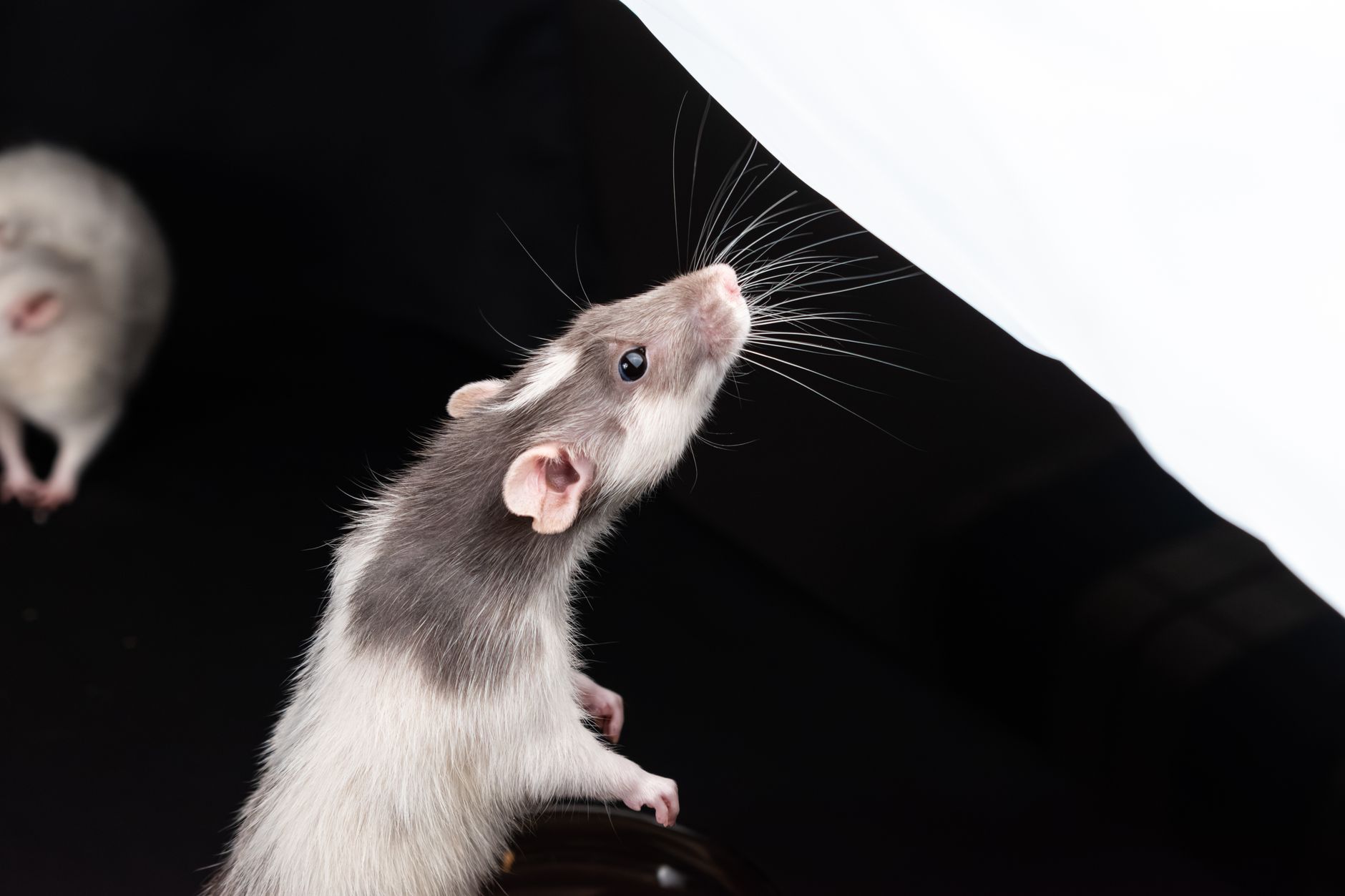
Recognizing individual personality traits within your mischief is another key aspect of playground design. Some rats are daredevils who will happily scale high ropes and leap across gaps, while others are cautious explorers who prefer hugging the ground and darting through low-level tunnels. Incorporating both high-altitude perches and sheltered floor-level mazes ensures that every animal in your care finds an activity suited to their unique comfort level.
Choosing Safe Materials for Your Rat Playground
Building a durable and secure environment requires careful selection of raw materials. Prioritize items that are easy to clean, non-toxic, and resilient against sharp teeth.
- Untreated Woods: Kiln-dried pine, apple wood, willow, and aspen are fantastic for ledges, bridges, and chew blocks. Avoid cedar and untreated soft pine, as their aromatic oils can irritate delicate respiratory systems and cause chronic illness.
- Natural Fibers: Seagrass, sisal, and untreated cotton ropes make excellent climbing ropes and cargo nets. Ensure threads are tightly woven so little claws do not get trapped in loose loops or frayed threads.
- Fleece and Fabric: Anti-pill fleece is the gold standard for small pet bedding, hammocks, and tunnel linings. It does not fray into dangerous long threads when chewed, making it far safer than standard cotton terrycloth or old towels.
- Cardboard and Paper: Untreated cardboard boxes, paper towel tubes, and brown packing paper provide fantastic, low-cost disposable tunnels and hiding spots that can be easily replaced when soiled.
- Food-Grade Plastics: Heavy-duty PVC pipes and plastic storage bins are durable and washable, but you must inspect them frequently for sharp chewed edges and remove them if damaged.
- Ceramic and Terracotta: Small flower pots or ceramic reptile hides serve as heavy, non-chewable cooling stations and stable hideouts that active rats cannot easily tip over.
When sourcing these materials, always verify that items are free from chemical dyes, toxic glues, pest-control treatments, and synthetic finishes. Thrifted items or repurposed household goods must be thoroughly sanitized and inspected before entering the play zone.
Step-by-Step Guide to Setting Up the Play Area
Creating an engaging play space does not require expensive commercial equipment. You can assemble an incredible activity center using household items and affordable craft supplies through a systematic setup process.
Step 1: Secure the Perimeter
Before letting your pets explore, you must rat-proof the room completely. Block off all gaps behind furniture with hardware cloth or storage bins, cover floor-level electrical cords with heavy-duty plastic cable protectors, and remove any toxic houseplants such as lilies, pothos, or philodendrons. Ensure doors and windows are firmly closed and that other household pets like cats or dogs are completely barred from entering the room. Check for small structural holes in baseboards or heating vents where a determined rat might slip out of sight.
Step 2: Establish a Soft Flooring Base
Rats love to run, but hard hardwood or tile floors can be slippery, noisy, and cold. Lay down washable pet play mats, fleece blankets, or large cardboard sheets to provide traction, absorb small accidents, and cushion potential missteps. If using a designated playpen, ensure the walls are at least 18 to 24 inches high and smooth enough that clever rats cannot scale them. Avoid wire grid flooring in play areas as it can cause bumblefoot and catch little toes.
Step 3: Build Vertical Highways
Incorporate multi-level shelves, sturdy plastic storage bins flipped upside down as platforms, and wooden ladders. Suspend fleece hammocks at varying heights using metal shower curtain rings or secure clips. If a rat slips, a hammock placed directly below a climbing rope catches them safely. Ensure every vertical platform has at least two ways up and down to prevent traffic jams or territorial squabbles among cage-mates.
Step 4: Integrate Tunnels and Hideaways
Rats feel most secure when they can dart from shadow to shadow rather than crossing wide open spaces. Arrange PVC pipes wide enough so adults never get stuck, cardboard mailing tubes, and willow tunnels into a complex maze of pathways. Adding multiple boxes with two holes cut into them ensures rats can always escape if another pet blocks their path. Scatter crumpled paper and soft nesting materials throughout these tunnels to encourage burrowing behaviors.
Mental Enrichment and Foraging Activities
Physical exercise is only half the equation; a truly great play session stimulates a rat's brilliant mind. Foraging toys encourage natural hunting, sniffing, and problem-solving behaviors that prevent cage rage and boredom.
Hide healthy treats like puffed rice, small pieces of steamed vegetables, peas, or specialized foraging pellets inside crumpled brown paper bags, paper towel tubes folded at the ends, or specialized plastic puzzle feeders. You can also hang clean vegetable skewers or create a dig box filled with shredded paper, safe soil, or dried moss where they can root around and unearth hidden treasures. Dig boxes filled with dry pasta, pom-poms, or smooth river stones also provide unique tactile feedback for curious paws.
Rotating toys on a weekly basis keeps the environment novel and exciting. If a playground remains static for too long, rats will lose interest. To help plan new ways to keep your clever companions engaged over time, you can explore the Pet Enrichment Idea Generator for fresh daily stimulation concepts.
Interactive play with human caregivers further strengthens cognitive bonds. Use a target training stick or teach your rats simple agility cues like hopping over small hurdles or weaving through cones in the play area. These games reward focus and reinforce positive reinforcement training routines.

Daily and Weekly Playground Maintenance Routines
Maintaining a clean playground is vital for your rats' respiratory health. Because rats mark their territory with small amounts of urine, fabric items and cardboard will accumulate odors quickly and harbor harmful bacteria if left unwashed.
Establish a simple maintenance routine: remove and replace soiled cardboard tubes and boxes every few days. Shake out fleece mats and launder them weekly using hot water and unscented detergent. Wipe down plastic platforms and PVC pipes with a pet-safe vinegar and water solution to neutralize odors without exposing your pets to harsh chemical fumes.
Inspect wooden accessories weekly for signs of deep urine saturation or mold growth. Porous untreated wood cannot be easily sanitized once urine penetrates deeply, so heavily soiled wooden items should be discarded and replaced periodically to maintain optimal hygiene in the play area.

Important Safety Rules and Common Mistakes to Avoid
Even the most enthusiastic owners can make missteps when designing pet play spaces. Keep these vital precautions in mind to ensure a hazard-free experience:
- Avoid Excessive Heights: Never allow rats to climb higher than two to three feet without a safety net, hammock, or soft landing underneath. Falls can cause severe internal trauma or bone fractures.
- Inspect for Wear and Tear: Regularly check ropes for frayed threads that can wrap around tiny toes, and discard chewed plastic items that have developed sharp or jagged edges.
- Supervise Constantly: Never leave free-roaming rats completely unattended. Their curiosity knows no bounds, and they can test electrical cords or slip into unexpected wall gaps within seconds.
- Keep Toxic Items Away: Double-check that no human food, cleaning chemicals, or toxic medications are accessible in or around the play zone.
- Prevent Overcrowding: If you have a large mischief of rats, ensure the play area is expansive enough so that timid rats are not constantly harassed or cornered by more dominant cage-mates.
- Neglecting Hydration: Always place a stable water bowl or bottle accessible at ground level within the play area so exercising rats can drink whenever they need to without climbing back to their main cage.
Disclaimer: This article is for informational and educational purposes only and does not replace professional veterinary advice, diagnosis, or treatment. Always consult a qualified exotic animal veterinarian if you suspect your pet is injured or ill.
Frequently Asked Questions
How much time should pet rats spend outside their enclosure daily?
Pet rats should ideally get at least one to two hours of supervised out-of-cage time daily to explore, exercise, and interact with their human caregivers and cage-mates.
What is the best way to clean fabric rat hammocks and tunnels?
Wash fleece items in hot water using an unscented, hypoallergenic detergent without fabric softener. Avoid harsh chemical bleaches that can irritate sensitive respiratory systems.
How can I stop my rats from chewing on room baseboards during playtime?
Provide plenty of appropriate distraction chew toys, such as untreated apple wood sticks and willow balls, directly in their play area, and block baseboards with plastic playpen panels or cardboard barriers.
Are plastic tubes safe for pet rats to play in?
Yes, thick PVC pipes or wide plastic tunnels are generally safe, provided they are large enough for your rats to pass through easily without getting stuck, and you monitor them for excessive chewing.
How do I introduce shy rats to a new playground setup?
Introduce them slowly by placing familiar fleece bedding and toys into the play area. Let them explore at their own pace with plenty of dark hiding spots nearby so they feel secure.
Can rats be litter trained to use a box in their play area?
Yes, many rats can be encouraged to use a corner litter box during playtime by placing stray droppings into the box and rewarding them when they use it consistently.
What signs indicate my rat is stressed during playtime?
Signs of stress include freezing in place, puffed-up fur, excessive backing away, squeaking defensively, or trying constantly to scale pen walls to escape.
Helpful PawPrintHub Tools
To help you organize your pet care routine and keep track of supplies, accessories, and enrichment schedules, utilize our dedicated New Pet Checklist alongside our helpful Pet Cost Calculator for budgeting enrichment gear and toys.
Conclusion
Designing a safe rat playground is an immensely rewarding project that significantly enhances your pets' quality of life. By combining sturdy climbing structures, comfortable resting hammocks, secure perimeter boundaries, and engaging foraging activities, you create an environment where your intelligent companions can thrive physically and mentally. Regular supervision, proper material selection, and ongoing maintenance ensure your play sessions remain safe, fun, and enriching for years to come, deepening the bond between you and your intelligent pets.
Support free pet guides and tools.
Buy Me a Coffee
Comments
Post a Comment