
How to Cure Popeye Disease in Aquarium Fish: A Comprehensive Treatment and Recovery Guide
Encountering a sick pet can be stressful for any aquatic hobbyist, especially when the symptoms involve a disfiguring condition like protruding eyes. Often referred to simply as "popeye," exophthalmia is a condition where one or both of a fish's eyes bulge outward from their sockets due to fluid accumulation. While it can look alarming, understanding the underlying causes, applying proper treatment protocols, and optimizing your tank's Aquarium Volume Calculator metrics can help you successfully nurse your aquatic pets back to health. This educational guide explores the causes, symptoms, step‑by‑step treatment strategies, and prevention methods for popeye disease in aquarium fish.
Disclaimer: The following content is for educational purposes only and does not substitute for professional aquatic veterinary advice or diagnosis.
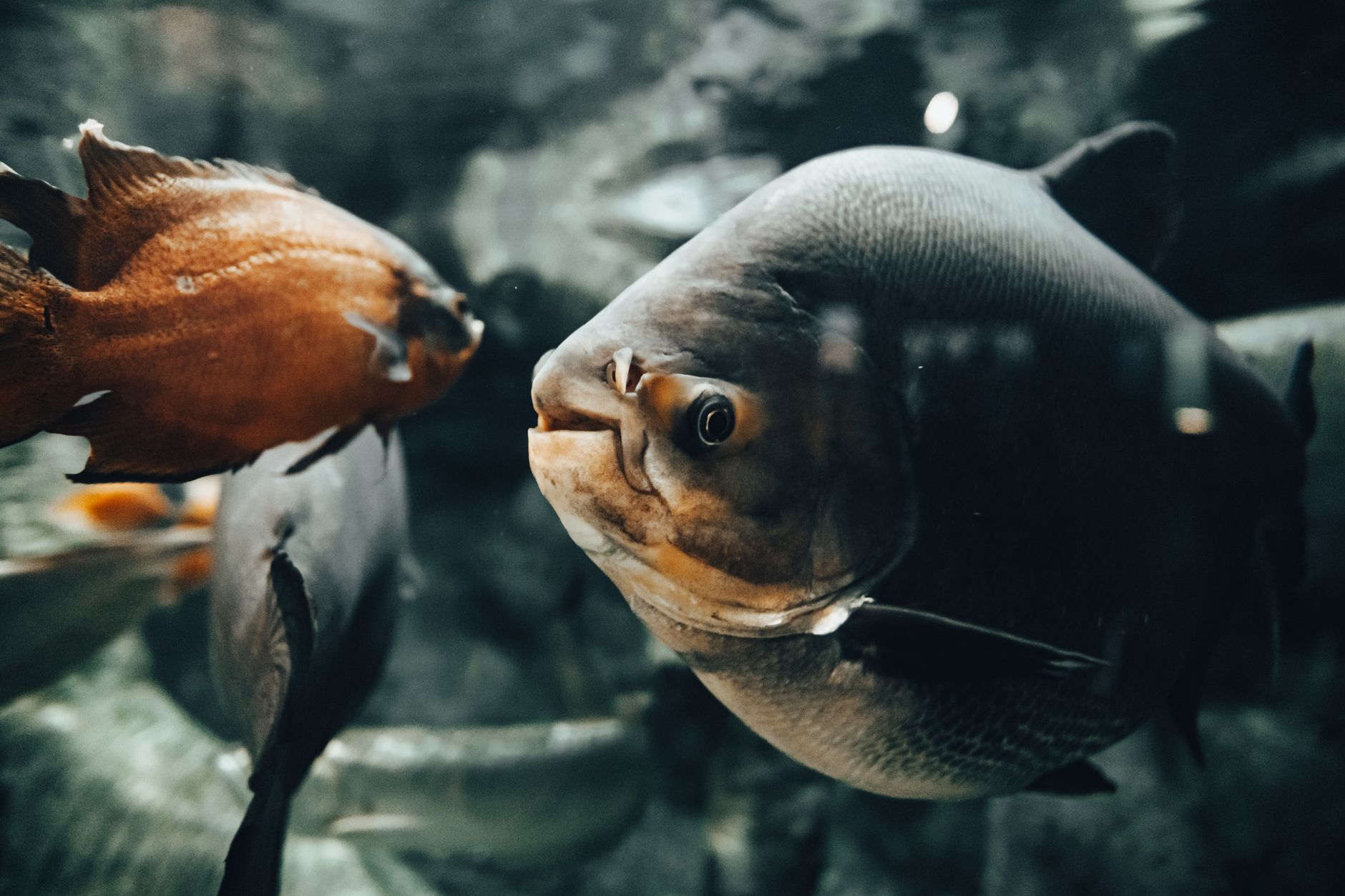
Understanding Popeye Disease in Aquarium Fish
Popeye disease in aquarium fish is rarely a disease in its own right; rather, it is a clinical symptom of an underlying health issue or environmental stressor. When fluid builds up behind the eyeball, the eye swells and pushes outward. Hobbyists often notice the condition suddenly, but the internal processes usually begin days prior. Recognizing the early stages of ocular swelling can dramatically improve the prognosis for recovery.
To treat the condition effectively, you must first determine whether the issue is affecting one eye (unilateral) or both eyes (bilateral). Distinguishing between these two scenarios provides vital clues regarding the root cause, helping you tailor your therapeutic approach without wasting precious time on incorrect interventions.
Unilateral vs. Bilateral Popeye: What the Symptoms Mean
Unilateral Popeye (One Eye Affected): When only a single eye bulges, the cause is typically physical trauma. A frightened fish might dart into sharp aquarium decor, get pinched behind a filter intake, or fight aggressively with tank mates during territorial disputes. The physical injury causes local inflammation and fluid accumulation behind that specific eye. In these localized trauma cases, improving water parameters and providing a stress‑free quarantine environment are often sufficient to encourage natural reabsorption of the fluid.
Bilateral Popeye (Both Eyes Affected): When both eyes bulge, the underlying cause is almost always systemic. Poor water quality, internal bacterial infections, severe osmotic imbalance, or internal organ dysfunction affect the entire body, causing widespread fluid retention that manifests in both eyes simultaneously. Bilateral cases require a much more aggressive intervention strategy, frequently involving medicated treatments and strict environmental overhauls.
Primary Causes of Exophthalmia in Aquarium Setups
Identifying why your fish developed popeye is critical for stopping the progression and preventing recurrences in your other pets. Let us examine the most common triggers:
- Poor Water Quality: High ammonia, nitrite, or nitrate levels weaken a fish's immune system, making them highly susceptible to opportunistic bacterial infections that cause fluid buildup.
- Physical Injury: Sharp plastic plants, rough rocks, rough handling with nets, or aggressive tank mates can cause trauma to the eye socket.
- Bacterial Infections: Gram‑negative bacteria such as Aeromonas or Pseudomonas can invade weakened tissues, leading to systemic infections.
- Nutritional Deficiencies: Feeding low‑quality or expired flakes without adequate vitamins can compromise long‑term ocular and systemic health.
- Osmotic Shock: Sudden fluctuations in mineral content or total dissolved solids can disrupt internal osmoregulation, leading to fluid accumulation in tissues and behind the eyes.
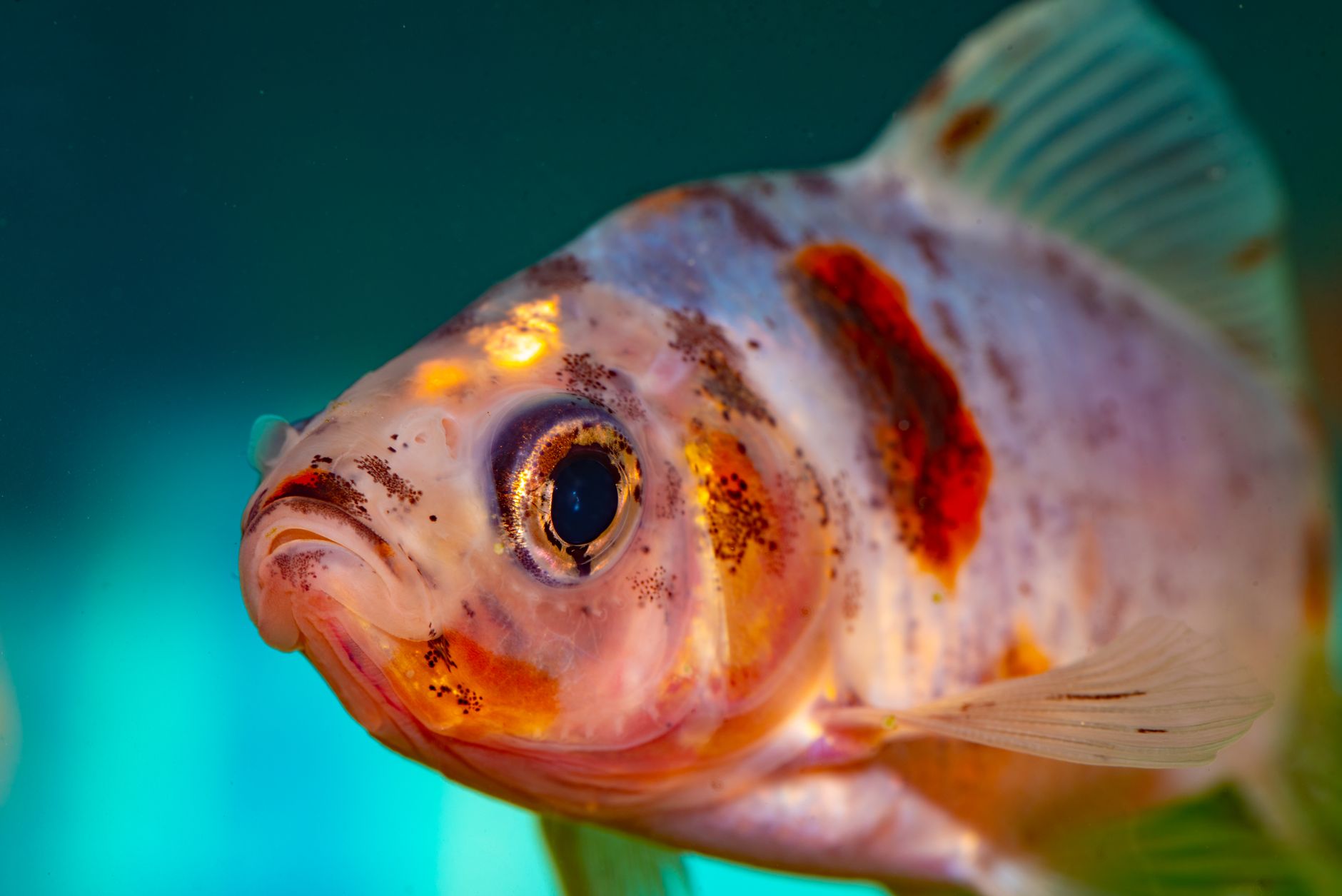
Step‑by‑Step Treatment Protocol for Popeye Disease
When you notice popeye disease in aquarium fish, immediate action increases the chances of a full recovery. Follow this structured protocol to manage the condition safely and effectively.
Step 1: Isolate the Affected Fish in a Quarantine Tank
Move the sick fish to a clean, cycled hospital or quarantine tank immediately. This protects other tank inhabitants if the cause is infectious, prevents stress and bullying from aggressive tank mates, and makes medicating much safer and more precise. Ensure the hospital tank features a gentle sponge filter and a reliable heater to maintain stable temperatures.
Step 2: Test and Correct Water Parameters
Test the water in both your main display tank and your hospital tank using a reliable test kit. Ensure ammonia and nitrite levels read zero, and keep nitrates below 20 ppm. Perform a gentle 30% water change using a dechlorinator. Pristine water quality is often the single most powerful medicine for jumpstarting natural healing.
Step 3: Implement Epsom Salt Treatment (Magnesium Sulfate)
For mild to moderate cases, especially when fluid retention or minor trauma is suspected, Epsom salt can act as a safe osmotic agent. Dissolve 1 tablespoon of pure Epsom salt per 5 gallons of water in a separate container before slowly adding it to the quarantine tank over several hours. Epsom salt helps draw out excess fluid from the tissues without increasing harsh sodium levels.
Step 4: Administer Antibacterial Medications When Necessary
If the popeye does not improve with clean water and Epsom salt within 48 to 72 hours, or if the eye is cloudy, ruptured, or accompanied by clamped fins and lethargy, a bacterial infection is likely present. Use a broad‑spectrum aquarium antibiotic designed for Gram‑negative bacterial infections, following manufacturer instructions carefully.
Step 5: Supportive Care and Nutrition
During the quarantine period, feed the fish high‑quality, vitamin‑enriched foods. Soft, easily digestible pellets soaked in liquid vitamins or frozen bloodworms can help accelerate tissue repair. Avoid over‑feeding, as excess food can degrade water quality in smaller hospital setups.
Step 6: Monitor Progress and Adjust Treatment
Check the fish daily for changes in eye size, clarity, and overall behavior. If the eye begins to shrink and the fish shows improved activity, continue the same regimen. If symptoms worsen or new signs appear, consider a second antibiotic cycle or consult a professional.
Common Mistakes to Avoid During Treatment
Even well‑meaning fish keepers can accidentally hinder recovery by making avoidable mistakes during the rehabilitation process:
- Overmedicating Immediately: Pouring harsh antibiotics into the main display tank can crash your beneficial biological filter and harm healthy fish and invertebrates. Always use a hospital tank.
- Ignoring Water Chemistry: Relying solely on medications while ignoring high nitrate levels or fluctuating pH will almost always result in treatment failure.
- Neglecting Nutrition: Failing to provide vitamin‑enriched foods during recovery delays cellular repair. Soak pellets in liquid vitamins to support immune recovery.
- Abrupt Temperature Shifts: Failing to match water temperatures during water changes or transfers can shock an already compromised fish.
- Using Table Salt Instead of Epsom Salt: Sodium chloride (aquarium salt) does not have the same osmotic diuretic effect as magnesium sulfate (Epsom salt) when treating internal fluid retention.
- Rushing the Return to Display Tank: Reintroducing a recovering fish too early can expose them to residual pathogens before their immune system has fully recovered.

Long‑Term Prevention Strategies
Preventing popeye disease is much easier than curing it. Maintaining a stable aquatic environment protects your fish from chronic stress and opportunistic pathogens:
- Perform routine weekly water changes of 20% to 30% to keep dissolved organic compounds low and minerals stable.
- Avoid overcrowding your aquarium by managing stocking levels responsibly.
- Inspect decor for sharp edges and replace or sand down abrasive items to prevent physical trauma.
- Feed a varied, high‑quality diet consisting of pellets, frozen foods, and freeze‑dried treats supplemented with vitamins.
- Quarantine all new fish for at least two to four weeks before introducing them to your main display aquarium.
- Maintain proper filtration and ensure adequate surface agitation to keep dissolved oxygen levels high.
Species‑Specific Treatment Notes
Different fish species exhibit varying sensitivities to treatments and environmental changes. Below are quick references for common freshwater species:
Neon Tetras (Paracheirodon innesi)
Neons are highly sensitive to ammonia and nitrite spikes. If popeye appears, perform a 50% water change and add 0.5 g of Epsom salt per 10 g of fish weight. Avoid medications containing copper or harsh chemical dyes, as neon tetras are exceptionally sensitive to these compounds.
Guppies (Poecilia reticulata)
Guppies tolerate moderate mineral levels better than many other species. A gentle Epsom salt bath can be used for 24 hours to alleviate fluid buildup, followed by a transition back to fresh water. Monitor for signs of stress, as guppies may become erratic during rapid environmental changes.
Angelfish (Pterophyllum spp.)
Angelfish have taller body profiles and larger fins, making them prone to mechanical eye trauma in cramped quarters. Ensure adequate vertical swimming space. If bacterial infection is suspected, use mild antibiotics and ensure the tank maintains a stable pH between 6.5 and 7.5 to reduce overall stress.
Cichlids (Various genera)
Cichlids often display aggressive territorial behavior when stressed or cramped, leading to unilateral popeye from sparring. Keep the affected fish in a separate quarantine tank with secure barriers and no aggressive tank mates. Provide hard water parameters where appropriate for African cichlids, or soft water for South American varieties.
Advanced Diagnostic Tools for Homekeepers
While a professional aquatic veterinarian can provide definitive diagnoses, several tools can help hobbyists make informed decisions:
- Microscopic Examination: Using a hand lens or microscope, examine skin scrapings or the affected eye area for bacterial colonies, parasites, or fungal hyphae.
- Water Test Kits: Test for pH, general hardness, carbonate hardness, ammonia, nitrite, nitrate, and dissolved oxygen. A sudden drop in dissolved oxygen can exacerbate exophthalmia.
- Temperature Loggers: Record daily temperature fluctuations to identify thermal stressors that suppress immune function.
When to Seek Professional Help
If the fish shows no improvement after 5–7 days of proper quarantine care, or if you observe:
- Rapidly worsening swelling, cloudiness, or complete eye rupture.
- Severe lethargy, loss of balance, or complete refusal to eat.
- Visible signs of systemic infection such as severe fin rot, body ulcers, or scale lifting (dropsy).
- Difficulty breathing, rapid gill movement, or gasping at the water surface.
Contact a local aquatic veterinarian or a reputable fish health clinic. They can perform more advanced diagnostics such as bacterial cultures, skin biopsies, or microscopic cytology to pinpoint the exact pathogen and prescribe targeted prescription medications.
Frequently Asked Questions
Can popeye disease in aquarium fish spread to other fish?
Popeye itself is a physical symptom resulting from trauma or internal fluid imbalance rather than a contagious pathogen. However, if the underlying cause is a contagious bacterial infection stemming from poor water quality, other fish in the tank may also become sick if environmental conditions are not corrected.
Will a fish's eye return to normal size after recovery?
In many cases, yes. If caught early and treated properly, the swelling subsides completely, and the eye returns to normal. In severe cases where the eye was badly damaged or ruptured, permanent blindness or minor cloudiness may remain even after full healing.
How long does it take for popeye to heal?
Mild cases caused by minor physical trauma or slight water parameter shifts can improve within 5 to 7 days of pristine water care. Severe bacterial infections may require two to three weeks of dedicated hospital tank treatment and antibiotic courses.
Is Epsom salt safe for all aquarium fish?
Epsom salt (magnesium sulfate) is generally safe for most freshwater fish when used at therapeutic doses. However, sensitive scaleless fish or heavily planted tanks require careful monitoring, as high concentrations of salts can damage live aquatic plants.
When should I use antibiotics versus natural remedies?
Start with clean water changes and Epsom salt for the first 48 hours, especially if it is unilateral popeye from an injury. If you observe bilateral swelling, body bloat, redness around the eye socket, or worsening symptoms, transition immediately to a broad‑spectrum aquarium antibiotic.
What is the best way to keep my quarantine tank clean?
Use a sponge filter with a gentle flow, perform daily 10–15% water changes, and avoid using chemical disinfectants that can harm the fish. Clean the tank walls with a soft brush to remove biofilm buildup.
Can I use sea salt instead of Epsom salt?
Sea salt contains sodium chloride, which does not have the same osmotic effect as magnesium sulfate. It is not recommended for treating internal fluid retention in freshwater fish.
How do I prevent popeye from recurring after treatment?
Maintain consistent water parameters through weekly testing, avoid overfeeding, keep stocking densities reasonable, and quarantine all new livestock before adding them to your main display tank.
Helpful PawPrintHub Tools
To help you manage your aquatic pets with precision, use these helpful calculation tools:
Support free pet guides and tools.
Buy Me a Coffee
Comments
Post a Comment