
How to Cure Fin Rot in Betta Fish: A Comprehensive Treatment and Recovery Guide
As a devoted betta fish owner, noticing that your vibrant swimmer's majestic fins look frayed, discolored, or shorter can be deeply alarming. Fin rot in betta fish is one of the most common freshwater aquarium ailments, yet it is also one of the most misunderstood. Often triggered by poor water quality, stress, physical trauma, or minor injuries, this bacterial or fungal condition requires prompt, decisive action to prevent permanent structural damage or life-threatening systemic infection. In this comprehensive, expert-backed guide, we will walk you through identifying the early stages of fin rot, evaluating your tank's water parameters, implementing safe treatment protocols step-by-step, and optimizing your husbandry practices to ensure your betta recovers fully and thrives for years to come.
Maintaining a healthy aquatic environment is the cornerstone of keeping freshwater fish, particularly labyrinth fish like bettas that breathe atmospheric air alongside dissolved oxygen. Because they are often kept in smaller setups or bowls without robust biological filtration in novice environments, understanding the precise mechanisms of disease development is essential. We will break down every aspect of recovery, from daily maintenance schedules to advanced therapeutic interventions, ensuring you feel confident in restoring your pet's health.
Disclaimer: This article is for educational purposes only and does not replace professional veterinary advice or specialized aquatic diagnostic services. If your fish displays extreme distress, consult an aquatic veterinarian.
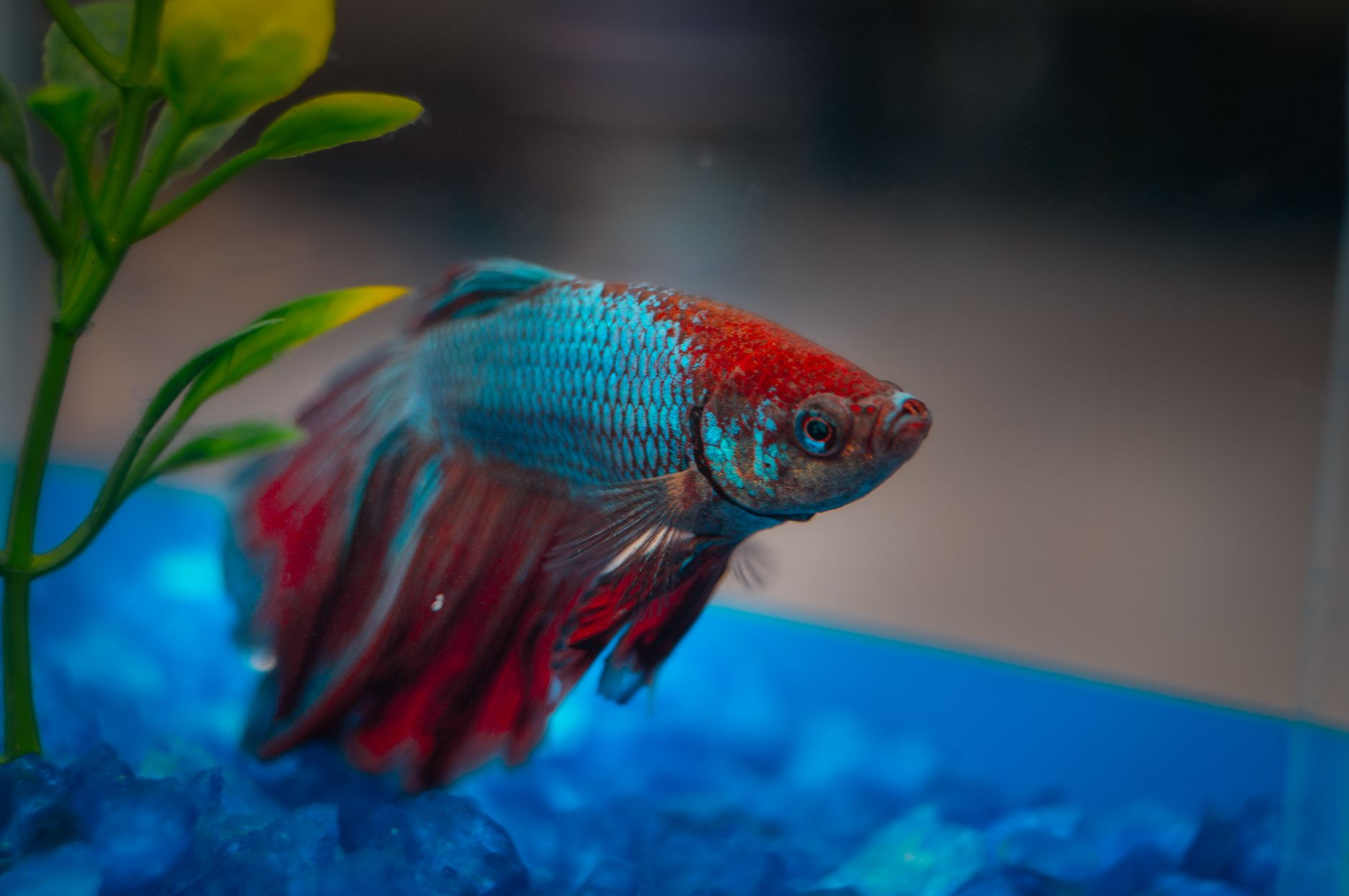
Understanding Fin Rot in Betta Fish
To treat fin rot effectively, you must first understand the underlying pathology of the condition. Fin rot is typically a secondary opportunistic infection caused by gram-negative bacteria such as Pseudomonas, Aeromonas, or Vibrio species, though fungal infections can occasionally accompany or mimic the symptoms. These opportunistic pathogens are naturally present in almost all aquarium water environments, living harmlessly alongside aquatic life under normal circumstances. However, a healthy betta fish equipped with a robust immune system and a protective slime coat can easily keep these microscopic organisms at bay.
When water quality declines—most commonly marked by rising levels of ammonia, nitrite, or chronically high nitrates—or when a betta experiences physical stress, poor nutrition, or mechanical fin nipping, their protective slime coat and immune defenses weaken significantly. This compromises the skin barrier and opens the door for bacteria to colonize and feed upon the delicate fin tissue. As the bacteria metabolize the tissue, it causes progressive disintegration, discoloration, and structural collapse of the fin rays.
Environmental stressors also play a massive compounding role. Fluctuation in water temperature, exposure to strong currents that exhaust the fish, aggressive tank mates, and sharp plastic decorations can all inflict microscopic tears. These tears act as open entry wounds for opportunistic pathogens. Understanding this interconnected web of water chemistry, physical setup, and pathogen biology is the very first step toward achieving a lasting cure rather than a temporary fix.
Recognizing the Stages of Fin Rot
Catching fin rot in its earliest developmental window dramatically increases the likelihood of a full, unscarred recovery. The condition typically progresses through three distinct, recognizable stages:
- Early Stage: The very outer margins of the fins begin to lose their vibrant pigmentation, frequently turning milky white, translucent, or developing a thin black or brown edge. You might notice subtle, hair-like fraying at the extreme tips of the caudal (tail), dorsal, or pectoral fins. At this stage, the fish's behavior is usually completely normal, and appetite remains strong.
- Moderate Stage: The fraying becomes noticeably worse, and chunks of fin tissue visibly recede toward the body. The exposed, decaying edges may appear inflamed, reddish, or ragged with a jelly-like or mushy texture. Your betta may show reduced energy levels, spend more time resting near the substrate or filter intake, or clamp its fins tightly against its body to reduce drag and discomfort.
- Advanced Stage: The tissue decay advances rapidly toward the betta's body, eventually reaching the fleshy base of the fins, a critical threshold known as fin-stem or body rot. At this stage, secondary systemic infections, extreme lethargy, loss of appetite, and open sores become major life-threatening risks. Immediate, aggressive intervention is mandatory to save the fish's life.
Fin Rot vs. Fin Biting: How to Tell the Difference
A frequent and costly mistake hobbyists make is confusing true bacterial fin rot with mechanical damage or self-inflicted fin biting. Bettas with exceptionally long, heavy fins—especially popular domestic varieties like halfmoons, roseails, and crowntails—frequently bite their own fins out of boredom, stress, heavy fin weight fatigue, or seeing their reflection in the glass. To differentiate accurately between the two conditions, examine the visual characteristics of the damage:
- Fin Biting: Tears usually present with clean, straight edges showing no discoloration, black margins, or fuzzy white fungal growth around the wound. They often appear overnight in large chunks. The remaining edges look sharp rather than melted or frayed.
- Fin Rot: Damage features dark, blackened, or white, mushy, disintegrated edges. The deterioration is progressive, worsening slowly over several days rather than appearing instantaneously. You may also notice a cloudy appearance on the fins prior to tissue loss.

Step-by-Step Protocol to Treat Fin Rot
Treating fin rot successfully requires a comprehensive, multi-pronged approach focused primarily on correcting the root environmental cause while actively supporting the fish's natural immunological healing capabilities.
Step 1: Assess and Rectify Water Quality
Medication alone will never cure fin rot if the underlying water quality remains toxic or unstable. Begin your treatment protocol by testing your aquarium water thoroughly using a reliable liquid master test kit. Check for ammonia (which must always read 0 ppm), nitrites (which must also read 0 ppm), and nitrates (ideally kept under 20 ppm). If any of these parameters are elevated, perform an immediate 30% to 50% partial water change using temperature-matched, thoroughly dechlorinated water.
If you are managing your tank volume, adjusting water parameters, or dosing supportive water conditioners, utilize the Aquarium Volume Calculator to determine your exact water capacity and prevent accidental chemical overdosing or underdosing.
Step 2: Optimize Tank Conditions and Husbandry
Bettas are sensitive tropical fish requiring stable water temperatures consistently between 78°F and 80°F (25°C to 27°C). Abrupt drops in temperature slow down their metabolic rate and suppress their immune response, making it exceptionally difficult for their bodies to fight off bacterial colonization. Ensure your aquarium heater is fully functional, calibrated correctly, and paired with a reliable digital thermometer. Furthermore, check that your filter flow is gentle; excessive current forces a recovering, weakened betta to exhaust itself just to stay afloat.
Step 3: Choose the Right Treatment Method Based on Severity
Depending on how far the bacterial infection has progressed, select one of the following tailored treatment strategies:
- Mild Cases (Environmental Correction & Natural Support): Often, early-stage fin rot reverses entirely with pristine water alone. Increase your partial water change frequency to every 2 to 3 days. Introduce Indian almond leaves (catappa leaves) to the tank to release beneficial tannins that possess natural mild antibacterial and antifungal properties. Provide high-protein nutrition to boost stamina.
- Moderate Cases (Aquarium Salt or Gentle Herbals): Pure, non-iodized aquarium salt stimulates the fish's slime coat production, helping seal wounds and inhibiting bacterial proliferation. Use a conservative dosage of 1 teaspoon per gallon, fully pre-dissolved in a cup of tank water before being slowly added to a dedicated quarantine tank. If treating a display tank with live plants, cut the dose in half, as many aquatic plants and scaleless bottom-dwellers tolerate salt poorly.
- Severe Cases (Targeted Antibacterial Medications): If the tissue decay is actively progressing toward the body despite pristine water conditions, deploy commercial broad-spectrum antibacterial medications designed specifically for freshwater fish, such as treatments containing kanamycin, nitrofurazone, or erythromycin. Always remove chemical filtration media like activated carbon from your filter during medicated treatments, as carbon absorbs active ingredients and renders them useless.
Common Mistakes to Avoid During Betta Fin Rot Treatment
When panic sets in, well-meaning fishkeepers often commit critical errors that inadvertently worsen their betta's condition. Avoid these frequent pitfalls to ensure a smooth recovery:
- Overusing Melaleuca-based Products: Medications containing concentrated tea tree oil can coat the labyrinth organ that bettas use to breathe surface atmospheric air. Overdosing these herbal remedies can cause severe respiratory distress and chemical burns on delicate gill tissues. Use with extreme caution and prefer targeted antibiotics for severe infections.
- Performing 100% Water Changes All at Once: While deep cleaning sounds logical, draining an entire aquarium causes catastrophic chemical and temperature parameter swings. These drastic shifts shock recovering fish and exponentially increase stress, often accelerating disease progression. Stick to consistent, manageable partial water changes.
- Neglecting Substrate and Tank Hygiene: Leaving uneaten fish food, fish waste, or decaying plant matter in the aquarium fuels bacterial proliferation in the water column, immediately neutralizing your treatment and water-change efforts. Vacuum the gravel regularly during treatment cycles.
- Using Iodized Table Salt: Never substitute aquarium salt with standard kitchen table salt. Standard culinary salts contain anti-caking agents, heavy metals, and iodine additives that are highly toxic to aquatic life. Always use pure, certified aquarium salt or marine salt mix.
- Stopping Treatment Prematurely: As soon as fin edges look slightly better, hobbyists often cease water changes or medication. Bacteria remaining dormant can rapidly cause a relapse. Continue your supportive care routine for at least a week after visible healing begins.

Preventing Fin Rot in the Future
Once your betta's fins begin to show clear, healthy new growth—frequently appearing as translucent, clear, or milky white edges extending outward from the previously damaged rays—you can gradually return to your normal maintenance schedule. Long-term prevention and vibrant health rely on consistent husbandry habits:
- Perform routine weekly 25% to 30% partial water changes without fail to keep organic waste and nitrate levels minimal.
- Practice strict feeding discipline: never overfeed your betta. Feed only what your fish can consume entirely within two minutes, and promptly net out any uneaten pellets or frozen food remnants.
- Ensure your aquascape is fish-safe. Replace sharp plastic decorations, jagged rocks, or poorly finished ornaments with live plants, soft silk alternatives, or smooth driftwood that will never snag delicate fins.
- Maintain a nutritionally balanced diet rotation featuring high-quality betta pellets, freeze-dried or frozen bloodworms, brine shrimp, and daphnia to support lifelong immune vitality.
- Keep water parameters stable by avoiding sudden temperature drops and monitoring pH and hardness levels regularly.
Frequently Asked Questions
Can fin rot grow back completely on a betta fish?
Yes, in the vast majority of cases, betta fins regenerate successfully once the underlying bacterial infection is completely cured, water quality is pristine, and nutrition is optimized. However, if the infection was severe enough to permanently damage the foundational fin rays or reach the body, some permanent shortening, curling, or textural irregularity may remain.
How long does it take for betta fins to heal?
Initial microscopic and visual signs of healing—such as clear, translucent new tissue growth sprouting at the frayed fin edges—typically appear within 1 to 2 weeks of establishing stable, pristine water conditions. Full structural recovery and length restoration can take anywhere from a few weeks to several months depending on the extent of the initial damage.
Should I use a quarantine tank for fin rot treatment?
Using a separate quarantine or hospital tank is highly recommended if you are administering strong chemical medications, utilizing therapeutic aquarium salt dosages, or if your main display tank contains live planted vegetation and sensitive invertebrates such as freshwater snails or dwarf shrimp that cannot tolerate salt or medications.
Are Indian almond leaves effective against fin rot?
Yes, Indian almond leaves (catappa leaves) release beneficial organic tannins that lower pH slightly, impart a natural amber tint to the water, and possess mild natural antibacterial and antifungal properties. They are widely recognized by hobbyists as an exceptional supportive therapy for mild fin rot and overall stress reduction.
When should I use commercial antibiotics instead of water changes?
If pristine water quality adjustments, Indian almond leaves, and mild salt baths do not halt the progression of fin rot within 48 to 72 hours, or if you observe active redness, inflammation, and decay spreading rapidly toward the fish's body, transition immediately to a dedicated, broad-spectrum antibacterial fish medication.
Does fin rot cause fish to act lethargic?
Yes, systemic bacterial infections, physical discomfort, and the metabolic drain of fighting disease cause bettas to become lethargic. You may notice your fish resting at the bottom of the tank, lingering near the water surface, or clamping its fins tightly against its body.
Helpful PawPrintHub Tools
To help you manage your aquarium maintenance, water parameter tracking, and pet care responsibilities efficiently, make use of our specialized calculator tool:
- Aquarium Volume Calculator: Accurately calculate your exact tank water capacity to ensure precise water treatments, salt additions, and medication dosages without risking chemical toxicity.
By maintaining rigorous water discipline, monitoring your chemical parameters closely, and responding at the very first visual sign of frayed fin edges, you can successfully cure fin rot and keep your betta fish swimming happily, vibrantly, and healthily for the entirety of its natural lifespan.
Support free pet guides and tools.
Buy Me a Coffee
Comments
Post a Comment