
How to Cure Hamster Cage Rage: Effective Environmental Enrichment and Stress Relief
Observing your small companion exhibit repetitive, frantic behaviors can be deeply concerning. When a pet hamster constantly gnaws on metal bars, paces frantically against the glass, or climbs upside down on cage lids, they are often displaying classic signs of a phenomenon commonly known as cage rage. This behavioral syndrome is rooted in frustration, spatial restriction, and a lack of proper mental and physical stimulation. Because hamsters are biologically driven to cover vast territories, burrow deeply, and forage continuously in the wild, standard commercial cages frequently fall short of meeting their complex needs. Fortunately, understanding the root causes of this stress allows you to transform their living environment, eliminate frustrating triggers, and restore a sense of calm and contentment to your small pet's daily life.
Disclaimer: The following content is provided for educational purposes only and does not replace professional veterinary care. If your hamster exhibits sudden behavioral changes accompanied by physical symptoms of illness or injury, consult a qualified exotic animal veterinarian immediately.
Hamster behavior is a fascinating window into their evolutionary biology. When we bring these remarkable creatures into our homes, we act as the architects of their entire universe. Every square inch of space, every scent, every sound, and every item placed within their habitat dictates their psychological state. When a hamster develops cage rage, it is not acting out of spite or malice; rather, it is sending a clear, urgent distress signal. The animal is trapped in an environment that frustrates its deepest biological imperatives. By shifting our perspective from viewing these actions as mere 'bad habits' to recognizing them as stress responses, we can take targeted, compassionate action to heal our pets.

Understanding the Root Causes of Hamster Cage Rage
To successfully cure hamster cage rage, you must first understand why it happens. In the wild, solitary hamsters roam miles across grasslands and deserts every single night. They spend their waking hours hunting for seeds, digging intricate burrow systems, and patrolling their vast territory. When housed in cramped enclosures with bare plastic floors and minimal bedding, these natural instincts have nowhere to go, resulting in pent-up frustration.
The resulting frustration manifests in repetitive stereotypic behaviors. Bar chewing is the most recognizable symptom, driven by an instinctive need to wear down continuously growing incisors combined with sheer boredom and a desire to escape. Pacing, climbing, and obsessively scratching at corners indicate that the animal feels trapped and is desperately searching for an exit route. Recognizing these warning signs early is crucial for implementing meaningful changes before chronic stress takes a serious toll on your pet's physical and mental well-being.
Furthermore, species-specific differences play a major role in how stress presents itself. Syrian hamsters are intensely solitary and territorial; if they feel restricted or if their territory is disrupted incorrectly, they may show extreme defensiveness alongside cage rage. Dwarf hamsters, such as Campbell's or Winter Whites, are exceptionally active and social in terms of movement requirements, making them prone to frantic pacing if their enclosures lack horizontal tracks. Roborovski hamsters, while tiny, are lightning-fast and require vast open sand areas to satisfy their energetic running styles. Tailoring your approach to your specific hamster species is the foundation of a successful recovery plan.
Evaluating and Upgrading Enclosure Space
The most fundamental step in resolving cage rage is addressing the physical size of the habitat. Many traditional pet store cages marketed for small animals are far too small, often offering less than 400 square inches of unbroken floor space. Modern ethical small pet care standards recommend a minimum of 600 to 800 square inches of uninterrupted floor space for dwarf hamsters, and even larger enclosures—such as 1,000 square inches or more—for larger Syrian hamsters.
When selecting or building a habitat, prioritize unbroken horizontal surface area over multi-level wire cages. While tall cages look engaging to human eyes, hamsters lack good depth perception and are prone to dangerous falls from upper ledges. Large glass terrariums, wooden enclosures with acrylic fronts, or converted storage bins provide the solid walls necessary to pile deep bedding safely while preventing the frustration associated with wire bars. Moving your hamster into an appropriately sized enclosure is often the turning point where frantic bar chewing immediately begins to subside.
When transitioning a hamster to a larger enclosure, remember to retain some of their old, unwashed bedding and scatter it in the new home. This preserves familiar scent cues, reducing the anxiety of a completely foreign environment. Ensure the lid is secure, well-ventilated, and predator-proof, especially if you have other pets in the household. A spacious habitat acts as a blank canvas upon which you can construct a rich, engaging landscape that mimics the great outdoors.
Maximizing Bedding Depth for Natural Burrowing
In the wild, hamsters spend a significant portion of their lives underground in dark, secure burrows that regulate temperature and provide safety from predators. Providing deep bedding is one of the single most effective ways to reduce stress and redirect nervous energy into natural tunneling behaviors.
You should aim for a minimum bedding depth of 6 to 10 inches across at least a portion of the enclosure—and ideally deeper for Syrian hamsters who love to construct sprawling subterranean kingdoms. Use safe, dust-extracted paper-based beddings or kiln-dried aspen shavings that hold tunnels well when firmly packed down by hand. Avoid aromatic softwoods like cedar or pine, as their volatile oils can cause severe respiratory and skin irritation in small rodents.
To help your hamster get started on their burrowing journey, you can pre-shape initial tunnels using cardboard tubes buried horizontally within the bedding layers. As your hamster explores, they will naturally reinforce these tunnels, adding chambers for nesting, food storage, and waste management. Watching your hamster disappear into a complex network of tunnels for hours on end is a surefire sign that their natural instincts are being properly fulfilled, drastically lowering their baseline anxiety levels.
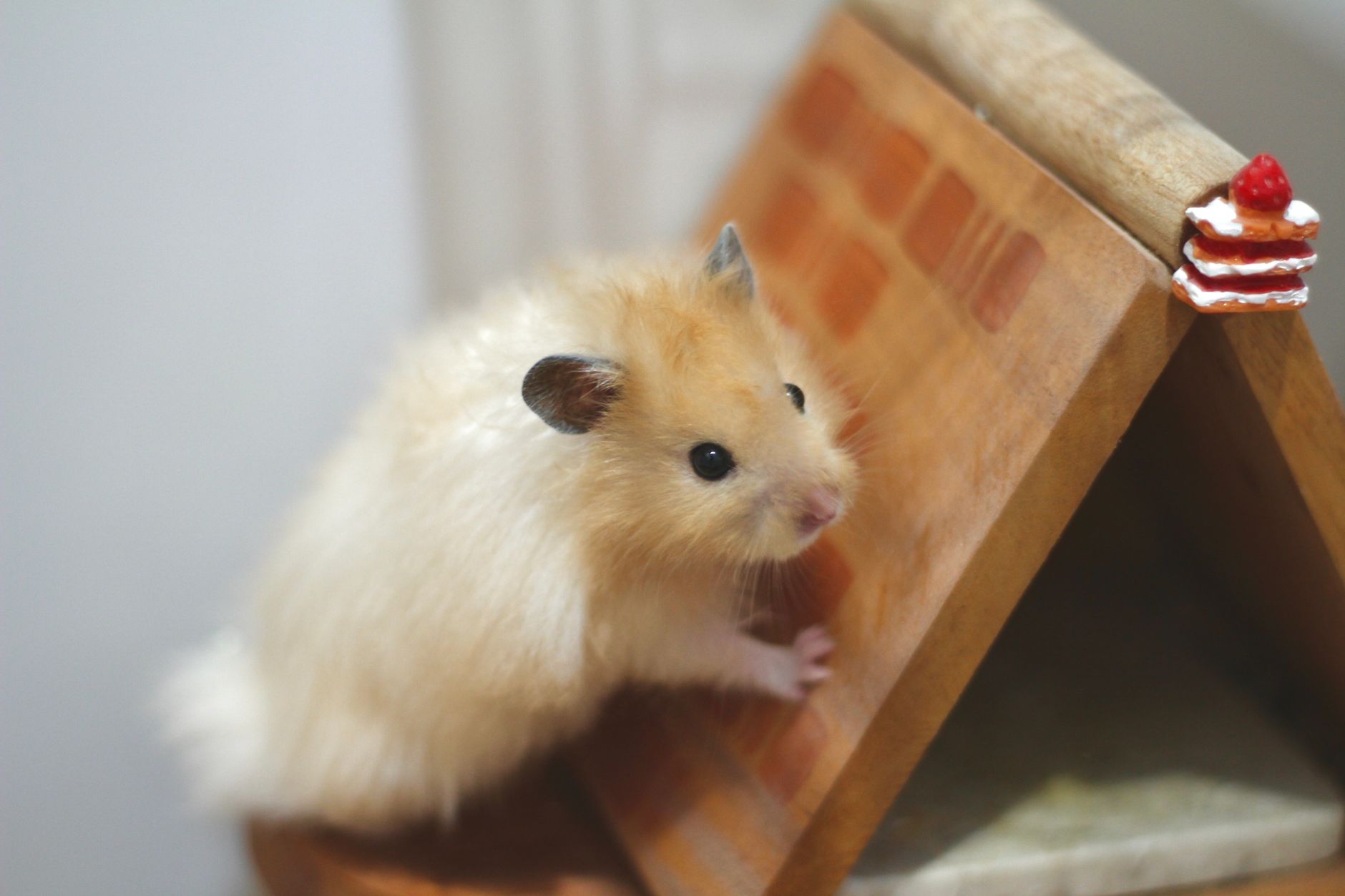
Choosing the Correct Wheel Size to Prevent Back Strain
A hamster running wheel is not just a toy; it is an absolute necessity for burning off nocturnal energy. However, an incorrectly sized wheel can actually contribute to physical discomfort and increased frustration.
If a wheel is too small, the hamster is forced to run with an arched back, leading to spinal pain and reluctance to use it properly. A proper wheel must allow the hamster's spine to remain completely straight while running. As a general guideline, dwarf hamsters require a wheel with a minimum diameter of 8 to 10 inches, while larger Syrian hamsters need an 11 to 12-inch wheel or larger. Always choose a solid-running surface rather than wire rungs to prevent foot injuries like bumblefoot and avoid trapping tiny toes.
In addition to size, consider the mechanics of the wheel. It should spin quietly and smoothly without squeaking, as a noisy wheel can disturb your hamster or cause startled reactions. Wooden wheels or heavy-duty acrylic wheels with ball-bearing mechanisms are typically the best choices. Placing the wheel on a stable platform ensures it will not wobble or sink into deep bedding as your hamster digs underneath it, providing an uninterrupted, safe outlet for miles of nightly running.
Implementing Natural Foraging Strategies
In nature, a hamster spends hours searching for food. When meals are simply dumped into a small ceramic bowl, that vital mental stimulation is lost entirely within minutes, leaving the rest of the night open to boredom and stress.
Eliminate the food bowl entirely and scatter-feed your hamster's dry seed mix across the enclosure or bury it beneath various layers of bedding. This encourages natural sniffing, digging, and foraging behaviors that occupy their minds for hours. You can also introduce interactive elements such as cardboard tubes stuffed with safe hay, seagrass balls packed with dried herbs, or hanging wooden chews that require problem-solving to access dried treats.
Another fantastic foraging strategy is creating multi-texture dig boxes. Fill small cardboard or wooden trays with safe materials like untreated coco fiber, cork granules, paper strips, or dried moss. Hide sunflower seeds or spray millet inside these boxes so your hamster has to work to uncover them. This mimics the varied terrain they would encounter in the wild, keeping their senses sharp and their minds actively engaged away from destructive habits like bar chewing.
Incorporating natural botanicals such as marigold petals, dandelion leaves, and chamomile flowers into their foraging areas also adds an olfactory layer of enrichment. Smells play a massive role in how rodents perceive their world, and introducing diverse, natural scents can stimulate curiosity and reduce lethargy or stereotyped pacing.

Common Mistakes to Avoid When Managing Stress
When attempting to solve cage rage, well-meaning owners sometimes make adjustments that inadvertently worsen the problem. Avoid these common pitfalls to ensure your rehabilitation efforts are successful:
- Frequent Deep Cleans: Scrubbing the entire enclosure and replacing all bedding at once strips away the hamster's scent markers, causing extreme territorial panic. Instead, spot-clean soiled areas daily and only replace a portion of old bedding during deep cleans.
- Overcrowding the Habitat: While enrichment is vital, stuffing a cage too tightly with plastic toys leaves no room for running and burrowing. Keep open pathways available for natural locomotion.
- Ignoring Room Temperature and Noise: High ambient room temperatures, bright lights, or the constant hum of household electronics can heighten anxiety in nocturnal species. Keep cages in quiet, temperature-regulated rooms.
- Using Scented Bedding: Artificial fragrances can irritate sensitive respiratory tracts and disrupt a hamster's keen sense of orientation. Always stick to unscented, natural products.
- Introducing Too Many Changes at Once: Drastically altering the entire layout of the cage overnight can disorient a sensitive hamster. Make environmental modifications gradually over several days.

How to Safely Bond and Interact Out-of-Cage
Controlled out-of-cage time can provide incredible mental stimulation and strengthen your bond with your pet. However, placing a stressed hamster straight into an open room can trigger fear rather than relief.
Set up a secure, escape-proof playpen filled with cardboard hides, tunnels, and digging boxes filled with alternative substrates like coco fiber or sand. Allow your hamster to explore at their own pace, offering high-value treats like pumpkin seeds or fresh mealworms from your open palm. If you are preparing for a new arrival or organizing your pet care routine, utilizing helpful resources like the New Pet Checklist can ensure you have every essential enrichment item ready before bringing your small companion home.
Keep out-of-cage sessions relatively short at first—around 15 to 20 minutes—so your hamster does not become exhausted or chilled. Always supervise them closely, as small rodents are master escape artists and can slip behind furniture in seconds. By turning out-of-cage time into a predictable, rewarding routine, you build trust and give your hamster a change of scenery that actively breaks up the monotony of cage life.
Frequently Asked Questions
Why is my hamster chewing on the cage bars?
Bar chewing is usually a sign of cage rage caused by spatial restriction, boredom, or an unmet need to chew. Upgrading to a larger enclosure with solid walls, providing plenty of safe wooden chew toys, and scatter-feeding can help resolve this behavior.
What is the minimum cage size for a Syrian hamster?
Ethical pet care guidelines recommend a minimum of 800 square inches of unbroken floor space for Syrian hamsters, though larger enclosures are strongly encouraged to prevent stress and stereotypic behaviors.
How deep should hamster bedding be?
Bedding should be at least 6 to 10 inches deep in at least one section of the enclosure to allow the hamster to express natural burrowing and tunneling instincts.
How often should I clean my hamster's cage?
Spot-clean soiled areas and wet bedding every 1 to 2 days. Perform a partial bedding change every 3 to 4 weeks, always leaving some clean old bedding mixed in to preserve familiar scent markers and prevent stress.
Can I use a flying saucer instead of an upright wheel?
Flying saucers can be a fun secondary enrichment item, but they should not replace a proper upright running wheel. Upright wheels of the correct diameter allow for a natural running posture without straining the hamster's spine.
When should I take my hamster to the vet for stress?
If your hamster's stereotypic behavior is accompanied by physical symptoms such as hair loss, weight loss, lethargy, or visible injuries from bar chewing, consult an exotic animal veterinarian immediately.
Helpful PawPrintHub Tools
To keep your small pet's care organized and enriching, explore our dedicated interactive resources:
- New Pet Checklist: Ensure your habitat setup and supplies meet modern animal welfare standards.
- Pet Enrichment Idea Generator: Discover creative DIY boredom-busting activities tailored for small mammals.
Conclusion
Curing hamster cage rage requires patience, observation, and a willingness to adapt your pet's living environment to match their natural instincts. By upgrading enclosure dimensions, providing deep burrowing material, ensuring properly sized wheels, and introducing foraging challenges, you can successfully replace stress and frustration with curiosity and contentment. Taking these proactive steps not only eliminates destructive behaviors like bar chewing but also ensures your small companion lives a healthy, enriched, and happy life.
Support free pet guides and tools.
Buy Me a Coffee
Comments
Post a Comment