
How to Crate Train a Puppy: A Positive Reinforcement Step-by-Step Guide
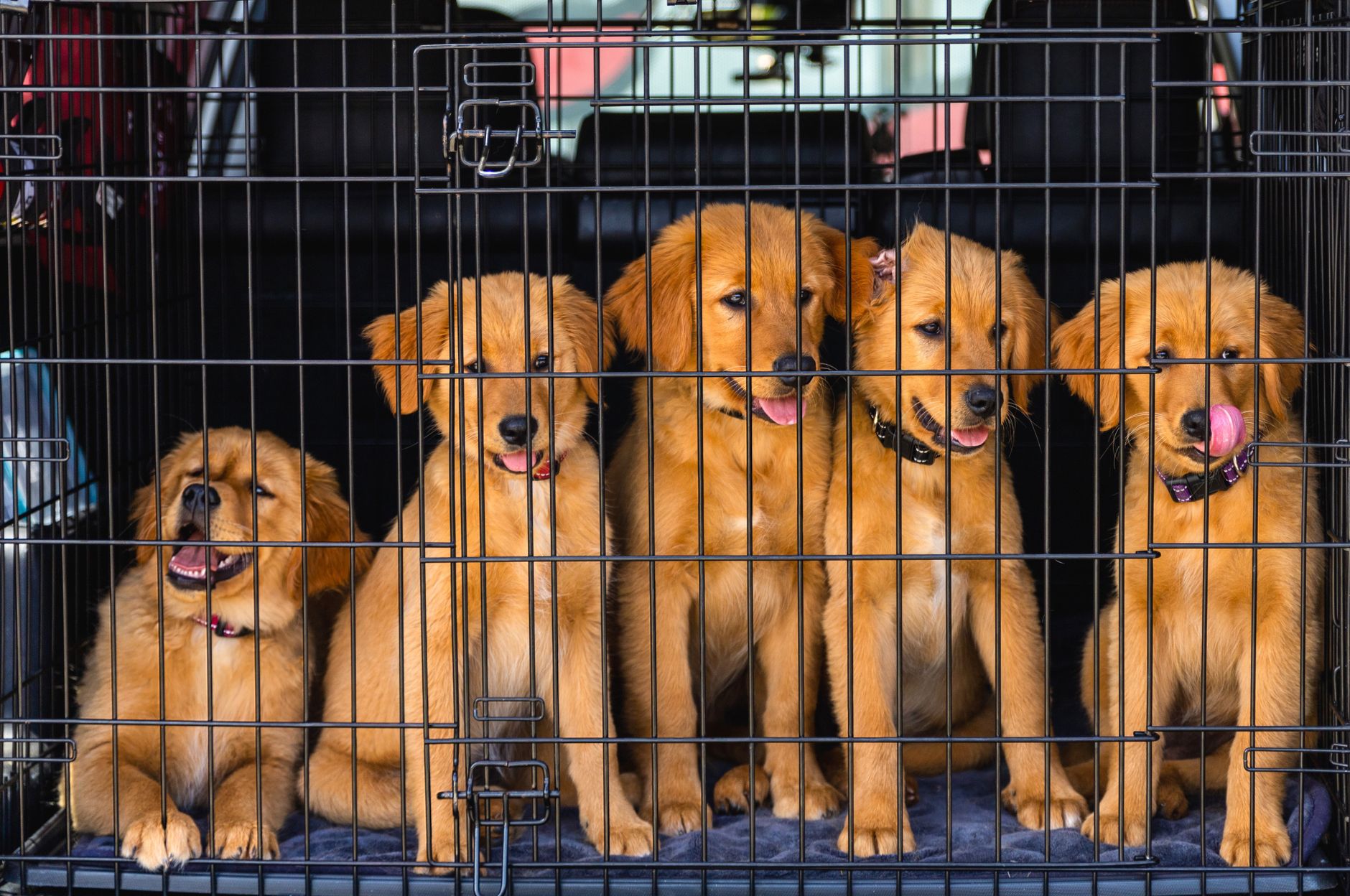
Bringing a new puppy home is an exciting milestone filled with sloppy kisses, endless play, and the inevitable challenge of house training and nighttime management. One of the most effective tools for building a secure routine, protecting your belongings, and aiding in potty training is a well-managed crate. When approached correctly, a crate should never feel like a jail cell or a place of punishment. Instead, it should transform into a cozy, safe sanctuary where your puppy feels secure, relaxed, and eager to rest. This comprehensive guide details how to crate train a puppy using gentle, science-backed positive reinforcement techniques that prioritize your puppy's emotional well-being and long-term behavioral health.
Establishing a successful crate training program requires understanding canine developmental psychology, setting up an inviting physical environment, and maintaining absolute consistency. Whether you are welcoming a tiny toy breed or a large sporting puppy, the core principles of positive association remain identical. By moving at your puppy's pace and avoiding common behavioral pitfalls, you can turn the crate into their favorite resting spot in the house.

Disclaimer: This article is for educational and informational purposes only. It does not replace professional veterinary advice, behavioral consultation, or hands-on training tailored to your specific pet. If your puppy exhibits severe distress, panic, or self-harm behaviors in a crate, consult a certified positive reinforcement dog trainer or veterinarian immediately.
Understanding the Philosophy of Positive Crate Training
Before introducing your puppy to their new sleeping quarters, it is vital to understand the psychological framework behind positive reinforcement crate training. Dogs are natural den animals who seek small, enclosed spaces when they feel tired, overwhelmed, or anxious. However, a wire or plastic box is entirely foreign to a young canine. If forced into a crate too quickly without proper desensitization, panic and fear can set in, setting back your training progress by weeks.
Positive reinforcement focuses on rewarding desired behaviors and building pleasant associations. By pairing the crate with high-value treats, praise, and calm energy, your puppy learns that wonderful things happen inside and around the crate. Patience is your greatest asset during this journey. Every puppy learns at their own pace, influenced by breed temperament, age, and past experiences.
Furthermore, recognizing canine body language is crucial. A relaxed puppy has soft eyes, a loose posture, and readily enters the crate. A stressed puppy may exhibit whale eyes, lip licking, excessive panting, or freezing. If you notice signs of stress, take a step back in your training protocol and reduce the difficulty.
Selecting and Preparing the Ideal Crate Setup
Success begins with choosing the correct crate size and creating an inviting environment. A common mistake is buying an adult-sized crate for a tiny puppy, which gives them too much room, allowing them to sleep in one corner and relieve themselves in another. The crate should be just large enough for your puppy to stand up, turn around comfortably, and lie down stretched out. Most quality crates come with a divider panel so you can expand the living space as your puppy grows.
Location Matters
Placement plays a massive role in how quickly your puppy adjusts. During the first few weeks, place the crate in a high-traffic area during the day—such as the living room or kitchen—so your puppy does not feel isolated from the family pack. Puppies are social creatures who thrive on proximity to their human family. At night, many owners prefer moving a smaller secondary crate or portable carrier into their bedroom. Hearing your breathing and knowing you are close by dramatically reduces nighttime crying and vocalization.
Making It Cozy and Inviting
Equip the crate with supportive, washable bedding, safe chew toys, and perhaps a ticking clock or a heartbeat plush toy to comfort young pups adjusting to life away from their littermates. Ensure the area is draft-free and kept at a comfortable room temperature. Avoid placing the crate in direct, harsh sunlight or right next to loud, vibrating appliances.
Step-by-Step Positive Crate Training Timeline
Crate training is best broken down into small, progressive steps. Never rush from introducing the crate to locking the door for hours. Take your time over several days to ensure your puppy remains confident at every single stage.
Phase 1: Introduction and Association
Start by leaving the crate door wide open in a well-lit room. Toss exceptionally delicious treats—like tiny pieces of boiled chicken, freeze-dried liver, or specialized training kibble—just inside the doorway so your puppy has to step in to retrieve them, then immediately step back out. Do not close the door yet. Repeat this ten to fifteen times in a short session. Let your puppy explore the scent and texture of the crate completely on their own terms. Praise them softly the moment they voluntarily stick their head or paw inside.
Phase 2: Feeding Inside the Crate
Once your puppy is happily stepping inside for treats, begin placing their regular food bowl inside the crate. For the first few meals, place the bowl near the front. As days progress, push the bowl further back until your puppy eats their entire meal comfortably inside. If your puppy is confident, gently close the door while they eat, and reopen it the exact second they finish their last bite. This teaches them that closed doors are temporary and unthreatening.
Phase 3: Introducing Crate Games and Duration
Incorporate fun games like tossing a toy inside and encouraging your puppy to fetch it out, or hiding treats underneath their bedding for them to sniff out. Practice closing the door for just a few seconds while feeding treats through the wire bars, then open the door before your puppy loses patience. Gradually increase the duration from five seconds to one minute, then five minutes, mixing up the pattern so they do not always expect you to leave when the door shuts.
As you establish your daily routines, utilizing helpful organizational tools like a Pet Feeding Schedule Generator can help you align meal times with potty breaks and crate rest periods seamlessly.
Daily Routine and Integration with House Training
Crate training and house training go hand in hand. Because dogs instinctively avoid soiling their sleeping quarters, the crate acts as a natural management tool. However, it must be paired with a rigorous, predictable schedule to prevent accidents.
The Wake, Potty, Play, and Rest Cycle
A predictable routine helps your puppy understand what is expected of them throughout the day:
- Wake up & immediate potty: Carry or walk your puppy straight from the crate to their designated outdoor bathroom spot. Praise heavily and offer a treat the second they finish eliminating.
- Breakfast & mealtime: Feed your puppy in or near their crate to reinforce positive associations.
- Active play & training: Engage in mental and physical stimulation, such as short obedience sessions, gentle tug-of-war, or socialization exercises.
- Pre-crate wind-down: Calm your puppy down for 10 to 15 minutes before placing them back in the crate for a nap.
Using interactive enrichment toys during quiet times can also help. Check out the Pet Enrichment Idea Generator for creative ways to keep your puppy mentally stimulated.
Nighttime Crate Training and Managing Whining
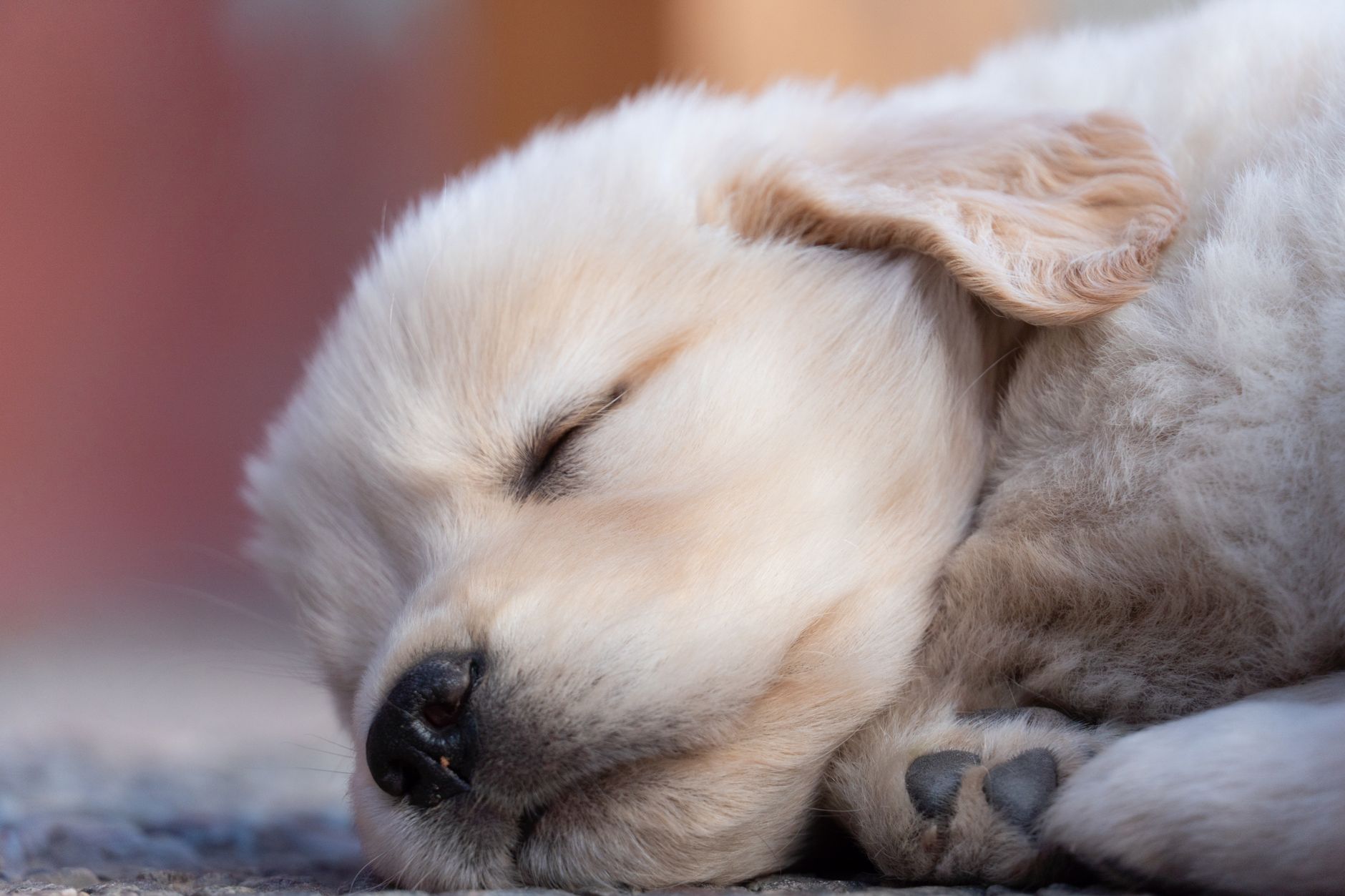
Nighttime is often the hardest hurdle for new puppy parents. Puppies have tiny bladders and are biologically wired to wake up frequently during the night. When bedtime arrives, tire your puppy out with gentle play, followed by a final outdoor bathroom break right before lights out.
When you place your puppy in the crate for the night, offer a calming phrase, close the door quietly, and give them a long-lasting chew toy or a stuffed puzzle toy. Then, ignore minor whining. It is critical to distinguish between self-soothing whines and a genuine emergency bathroom cry. If your puppy is howling because they are lonely, waiting for them to pause even for a second before approaching teaches them that quiet behavior earns attention.
If you suspect they genuinely need to relieve themselves, take them outside on a leash with zero fanfare—no talking, no playing—immediately return them to the crate, and repeat.
Common Crate Training Mistakes to Avoid
Avoiding common pitfalls ensures your puppy stays confident and eager to rest. Keep these critical guidelines in mind:
- Never use the crate as punishment: Sending a puppy to their crate after scolding them destroys positive associations immediately.
- Never leave a puppy too long: Young puppies cannot hold their bladders for extended periods. Adhere to safe duration limits based on their age in months.
- Avoid forcing or dragging: Physically shoving a puppy into a crate creates fear and resistance. Always lure them in with positive reinforcement.
- Do not reward panic: If your puppy cries hysterically, wait for a quiet moment before letting them out, otherwise you teach them that crying opens doors.
- Leaving inappropriate items inside: Always remove collars, harnesses, or unsafe chew toys that could pose a choking or strangulation hazard while unattended.
To keep track of your puppy's rapid growth milestones, vaccination updates, and overall care schedule alongside your training efforts, explore the New Pet Checklist.
Species-Specific Steps and Breed Considerations
While all dogs share common canine ancestry, individual breeds and temperaments require tailored approaches to crate training:
High-Energy Working and Herding Breeds
Breeds like Border Collies, Australian Shepherds, and German Shepherds possess high mental stamina and drive. If these puppies are crated without sufficient physical exercise and mental engagement, they may develop destructive habits, excessive barking, or barrier frustration. Ensure they receive rigorous exercise and puzzle work before asking them to settle in a crate.
Independent and Guardian Breeds
Guardian and primitive breeds, such as Huskies, Akitas, or Mastiffs, can be more independent and occasionally resistant to confinement if they feel micromanaged. Focus heavily on high-value rewards, choice-based training, and making the crate exceptionally rewarding. Never rush the process with sensitive or independent dogs.
Toy and Small Breeds
Small-breed puppies—such as Chihuahuas, Pomeranians, and Yorkshire Terriers—have extremely fast metabolisms, tiny stomachs, and very small bladders. They require more frequent daytime bathroom breaks and cannot be expected to remain crated for as long as larger breeds. Keep crating sessions shorter and monitor blood sugar levels for very tiny puppies.
Frequently Asked Questions About Puppy Crate Training
How long should a puppy stay in a crate during the day?
As a general rule of thumb, a puppy can hold their bladder for one hour per month of age plus one (e.g., a 3-month-old puppy can manage roughly 4 hours max, though daytime crating should ideally be much shorter for active socialization and play). Young puppies should not be left crated for more than 2 to 3 hours at a time during the day.
What should I do if my puppy screams and cries all night?
Check if they genuinely need a bathroom break. If their physical needs are met and they are safe, ignore minor whimpering. Placing their crate next to your bed where they can smell and hear you often eliminates separation panic instantly.
What should I do if my puppy screams and cries all night?
Check if they genuinely need a bathroom break. If their physical needs are met and they are safe, ignore minor whimpering. Placing their crate next to your bed where they can smell and hear you often eliminates separation panic instantly.
Should I cover the crate with a blanket?
Yes, many puppies feel safer and settle down faster in a darkened, den-like environment. Ensure the blanket is breathable and leaves at least one side open for proper airflow and ventilation.
Should I cover the crate with a blanket?
Yes, many puppies feel safer and settle down faster in a darkened, den-like environment. Ensure the blanket is breathable and leaves at least one side open for proper airflow and ventilation.
Can older rescue dogs be crate trained?
Absolutely. While puppies adapt very quickly, adult dogs can also learn to love crates through slow desensitization, high-value treats, and patience, though some rescues with past trauma may prefer open dog beds or secure playpens instead.
Can older rescue dogs be crate trained?
Absolutely. While puppies adapt very quickly, adult dogs can also learn to love crates through slow desensitization, high-value treats, and patience, though some rescues with past trauma may prefer open dog beds or secure playpens instead.
Is it okay to leave a collar on my puppy inside the crate?
It is generally recommended to remove collars, harnesses, and clothing tags before placing a puppy in a crate to prevent accidental snagging on wire bars or latches, which can cause injury.
Is it okay to leave a collar on my puppy inside the crate?
It is generally recommended to remove collars, harnesses, and clothing tags before placing a puppy in a crate to prevent accidental snagging on wire bars or latches, which can cause injury.
Should I put water inside the puppy crate?
For young puppies still mastering house training, it is best to remove water bowls inside the crate to prevent accidental spills and midnight bathroom accidents. Ensure they have free access to fresh water during daytime waking hours.
Should I put water inside the puppy crate?
For young puppies still mastering house training, it is best to remove water bowls inside the crate to prevent accidental spills and midnight bathroom accidents. Ensure they have free access to fresh water during daytime waking hours.
How many weeks does crate training usually take?
Every puppy is different. Some puppies take to their crate within a few days, while others require several weeks of consistent, patient positive reinforcement before they are fully comfortable resting inside with the door closed.
How many weeks does crate training usually take?
Every puppy is different. Some puppies take to their crate within a few days, while others require several weeks of consistent, patient positive reinforcement before they are fully comfortable resting inside with the door closed.
Helpful PawPrintHub Tools
Optimize your puppy parenting journey with these free interactive resources:
- New Pet Checklist – Ensure your home is fully equipped before your puppy arrives.
- Pet Feeding Schedule Generator – Create a balanced daily meal routine that supports house training.
- Pet Enrichment Idea Generator – Discover mental stimulation games to tire your puppy out before rest time.
Conclusion
Mastering how to crate train a puppy requires time, consistency, and an unwavering commitment to positive reinforcement. By viewing the crate through your puppy's eyes and breaking the training down into stress-free, rewarding steps, you set the foundation for a lifetime of trust, independence, and calm behavior. Celebrate small victories, remain patient through nighttime hurdles, and you will soon have a happy companion who looks forward to resting safely in their own special den.
Support free pet guides and tools.
Buy Me a Coffee
Comments
Post a Comment