
What Should Rabbits Eat Every Day? Hay, Greens, Pellets & Safe Treats
If you are a new rabbit owner, one of the most important questions is: what should rabbits eat every day?
A healthy rabbit diet is much more than a bowl of pellets and a carrot. The foundation should be fiber-rich hay or grass, supported by suitable leafy greens, a measured amount of rabbit pellets and constant access to fresh drinking water.
This beginner-friendly guide explains the best daily rabbit diet, how much hay matters, which vegetables can fit into the routine, when treats are appropriate and which feeding mistakes are best avoided.
What Should Rabbits Eat Every Day?
The healthiest everyday rabbit diet is built around foods that support normal chewing and digestion.
- Fresh grass hay or suitable fresh grass as the main food
- Safe leafy greens and herbs every day
- A small measured amount of quality rabbit pellets
- Fresh clean drinking water at all times
- Fruit and root vegetables only in small occasional amounts
RSPCA guidance describes a healthy rabbit diet as roughly 85% hay or grass, 10% leafy greens and 5% pellets. 1
Why Is Hay So Important for Rabbits?
Hay is not just bedding or a snack. It is one of the most important parts of rabbit care.
Rabbits need plenty of long fiber to support normal digestive function. Chewing hay also helps wear their continuously growing teeth. 2
Hay Supports Digestion
A rabbit's digestive system is designed for frequent intake of fibrous plant material. A diet containing too little hay can make the overall feeding plan unsuitable.
Hay Helps With Dental Wear
Rabbit teeth continue growing, so long periods of chewing fibrous foods are important. Grass and hay encourage the natural chewing motion rabbits need.
Hay Also Provides Enrichment
Eating and searching through hay can help keep rabbits occupied. You can place hay in suitable racks, boxes or safe feeding areas to encourage natural foraging.
What Is the Best Hay for Rabbits?
For most healthy adult rabbits, good-quality grass hay is an excellent everyday choice.
- Timothy hay
- Meadow hay
- Orchard grass hay
- Other suitable grass hays
Choose hay that smells fresh and looks dry and clean. Avoid hay that is moldy, wet or excessively dusty.
Can Rabbits Eat Timothy Hay Every Day?
Yes. Timothy hay is commonly used as an everyday grass hay for adult rabbits and can form a major part of their feeding routine.
What About Alfalfa Hay?
Alfalfa has a different nutrient profile from ordinary grass hay. It can be useful for some young, growing or specially managed rabbits but does not automatically need to be the main hay for every healthy adult rabbit.

What Vegetables Can Rabbits Eat Every Day?
Safe leafy vegetables and herbs can make up a smaller but useful part of the daily diet. Offering variety is generally preferable to feeding one single vegetable continuously.
| Food | How It Fits | Feeding Note |
|---|---|---|
| Parsley | Leafy herb | Can be part of a varied selection of rabbit-safe greens. |
| Mint | Fresh herb | Useful for variety when introduced appropriately. |
| Kale | Leafy vegetable | Offer as part of a rotating mixture rather than relying on one green alone. |
| Broccoli Leaves | Leafy green | Introduce gradually. |
| Dandelion Leaves | Forage-style green | Only use plants you can confidently identify and that are free from chemicals. |
| Celery Leaves | Fresh green | Can add variety to the vegetable portion. |
RSPCA recommends giving rabbits a variety of safe washed leafy greens and herbs, while introducing unfamiliar greens gradually. 3
How Much Fresh Food Should Rabbits Eat?
Exact amounts can depend on body weight, age, health, activity and the type of food. The important point is that greens should supplement the hay-based diet rather than replace it.
If you are introducing leafy greens for the first time, use small amounts and increase variety gradually.
Can Rabbits Eat Pellets Every Day?
Yes, suitable rabbit pellets or nuggets can be offered daily, but only as a relatively small part of the overall diet.
Constantly topping up a large pellet bowl can encourage a rabbit to eat fewer of the hay and greens that should make up most of the diet.
How Many Pellets Should I Give My Rabbit?
The amount depends on the product and your rabbit's needs, so follow the food manufacturer's instructions and your veterinarian's advice.
Current RSPCA educational guidance uses approximately 25 g of pellets per kilogram of rabbit body weight as a maximum example for healthy rabbits, while recognizing that needs vary. 4
Why Rabbit Muesli Is Not the Best Choice
Muesli-style feeds contain a mixture of differently shaped ingredients such as flakes, grains and pellets.
Rabbits may selectively eat the pieces they prefer, resulting in an unbalanced intake. RSPCA guidance advises against muesli-style rabbit food. 5

Can Rabbits Eat Carrots Every Day?
Carrots are strongly associated with rabbits in cartoons, but they should not form the foundation of a pet rabbit's daily diet.
Carrots are root vegetables and are better treated as small occasional extras. The everyday diet should remain dominated by grass hay and suitable leafy greens.
Can Rabbits Eat Fruit?
Many rabbits enjoy fruit, but fruit should normally be an occasional treat rather than an everyday food.
- Small piece of apple with seeds removed
- Small strawberry piece
- A little blueberry
- Small piece of pear with seeds removed
Fruit contains naturally occurring sugars, so large or frequent servings are unnecessary. RSPCA also recommends fruit and root vegetables as occasional treats. 6
Can Rabbits Eat Lettuce?
Certain leafy lettuces can form part of a varied rabbit-safe green selection. However, "lettuce" is a broad category, so do not assume every leafy plant should be given in unlimited quantities.
Introduce new greens gradually and observe your rabbit's appetite and droppings.
Can Rabbits Eat Cucumber?
Small portions of suitable fresh vegetables such as cucumber may be used for variety, but watery vegetables should not displace the hay that rabbits depend on for fiber.
How Much Water Do Rabbits Need?
Rabbits should have fresh, clean drinking water available at all times. Water intake can vary according to temperature, diet, body size and health.
RSPCA recommends checking water regularly, keeping containers clean and making sure bottle nozzles are not blocked. 7
Can Rabbits Eat Fresh Grass?
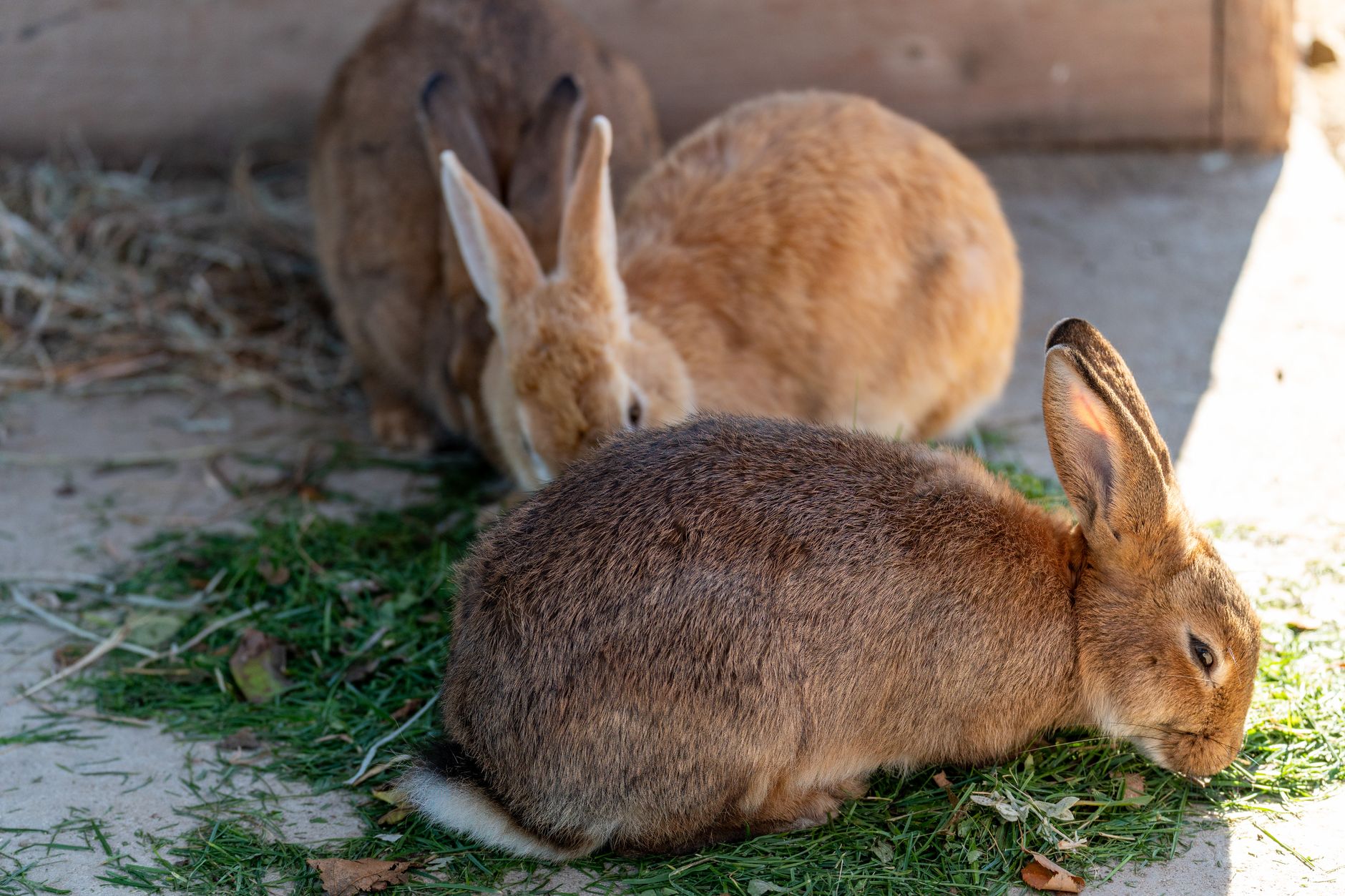
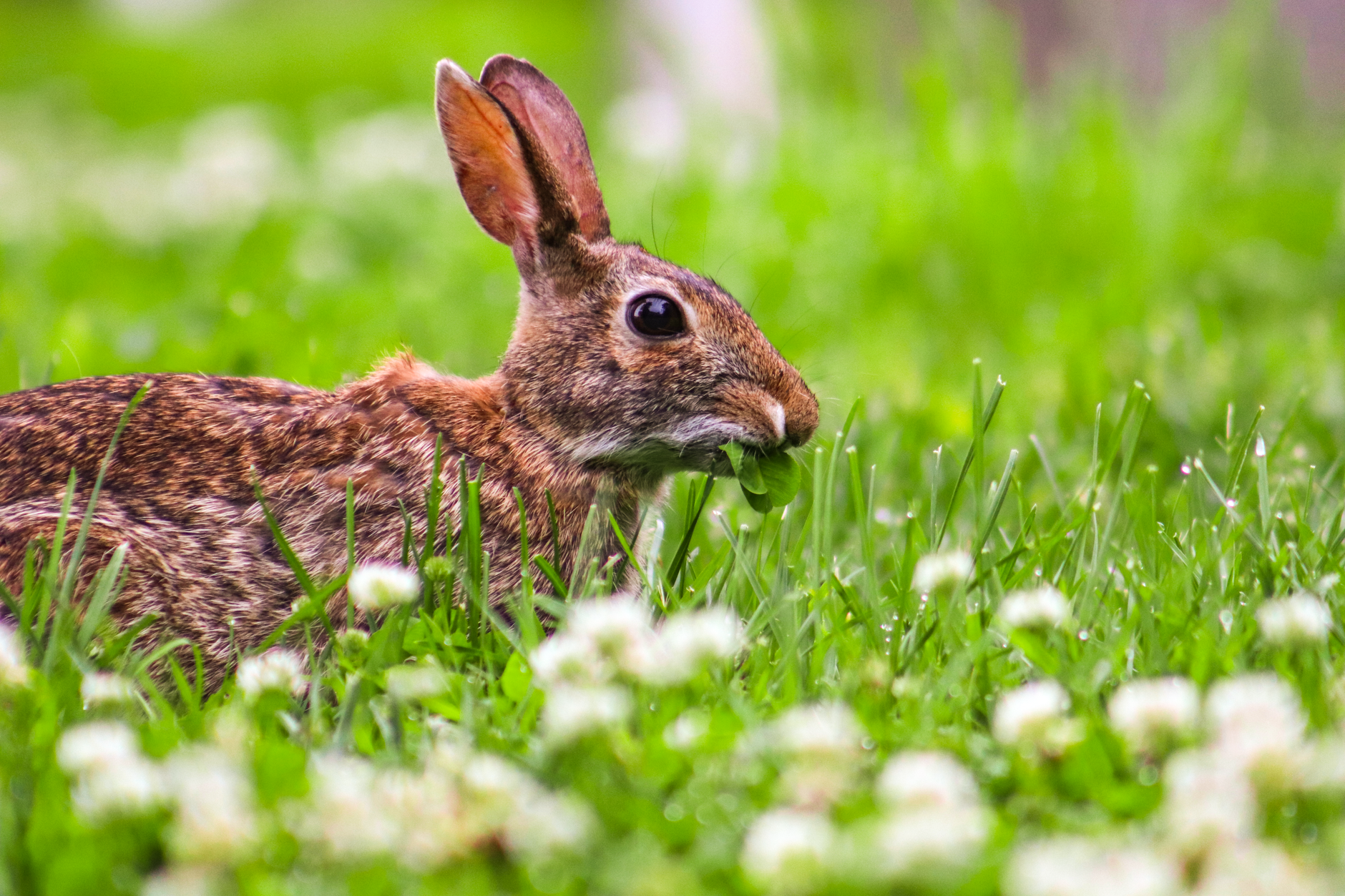
Suitable fresh grass can be an excellent part of a rabbit's diet when it comes from a safe untreated area.
However, do not feed lawnmower clippings. RSPCA specifically advises against feeding grass clippings to rabbits. 8
Foods Rabbits Should Avoid
- Chocolate
- Candy and sugary desserts
- Highly processed human foods
- Meat
- Dairy products
- Onions
- Garlic
- Unknown garden plants
- Moldy or spoiled food
- Lawnmower grass clippings
- Large amounts of fruit
- Large amounts of root vegetables
If you are uncertain about a plant or food, do not experiment. Check a trusted veterinary or rabbit-welfare source first.
Can Rabbits Eat Human Food?
A rabbit's digestive system is very different from ours. Processed foods made for people generally have no useful role in a healthy rabbit diet.
Bread, biscuits, sweets, chips and similar foods should not replace species-appropriate hay, greens and pellets.
Simple Daily Rabbit Feeding Routine
| Time | What to Do |
|---|---|
| Morning | Check water, refill fresh hay and remove any spoiled greens. |
| Morning / Day | Offer part of the daily selection of safe leafy greens. |
| Daily Pellet Feed | Give the measured amount of suitable rabbit pellets. |
| Evening | Refill hay, check water again and observe appetite and droppings. |
| Occasionally | Offer a tiny fruit or root-vegetable treat. |
How Can I Encourage My Rabbit to Eat More Hay?
Some rabbits strongly prefer pellets or treats and may initially ignore hay. Try making the hay more appealing rather than simply increasing pellets.
- Offer fresh hay every day.
- Experiment with suitable grass-hay varieties.
- Place hay near the litter area.
- Use safe boxes or racks for foraging.
- Mix safe herbs into hay.
- Reduce excessive treats.
If your rabbit suddenly stops eating hay or seems uncomfortable while chewing, a veterinary dental check is important because dental disease may reduce hay intake. 9
Why Is My Rabbit Not Eating?
A rabbit that stops eating requires prompt attention. Changes in eating, drinking or droppings can signal significant illness.
Should Rabbits Eat All Day?
Rabbits naturally spend substantial time grazing and chewing. This is another reason why hay should remain available rather than restricting all food to one or two brief meals.
Pellets and vegetables can be portioned, while appropriate grass hay remains continuously accessible.

Common Rabbit Feeding Mistakes
1. Feeding Too Many Pellets
Pellets are easy to serve, but too many can reduce interest in hay.
2. Treating Carrots as the Main Food
Carrots are better reserved for occasional small portions.
3. Not Providing Enough Hay
Hay should dominate the diet rather than being a decorative handful.
4. Making Sudden Diet Changes
Rabbit diets should be changed gradually where possible because sudden changes can upset their digestive system. 11
5. Feeding Too Much Fruit
Fruit is a treat, not a daily replacement for greens.
6. Using Muesli-Style Rabbit Food
Selective feeding is one reason uniform pellets or nuggets are generally preferable.
7. Ignoring Changes in Droppings
Your rabbit's droppings can provide useful clues about digestive health. Sudden changes alongside reduced appetite should never be ignored.
Frequently Asked Questions About Rabbit Food
What should rabbits eat every day?
Most healthy adult rabbits should eat plenty of grass hay or safe fresh grass, daily rabbit-safe leafy greens, a small measured amount of suitable pellets and fresh drinking water.
Do rabbits need hay every day?
Yes. Hay or grass should make up the majority of a healthy rabbit diet and should normally be available throughout the day.
Can rabbits eat carrots every day?
Carrots are better given in small occasional portions rather than being a major everyday food.
Can rabbits eat pellets every day?
Yes, quality rabbit pellets can be given daily in a measured amount, but they should remain a much smaller part of the diet than hay or grass.
Can rabbits eat vegetables every day?
Safe leafy greens and herbs can be offered daily as part of a varied rabbit diet. New vegetables should be introduced gradually.
Can rabbits eat fruit every day?
Fruit is generally best kept as a small occasional treat because it contains more sugar than the foods that should form the main diet.
How much hay should a rabbit eat?
Hay should be freely available and form the majority of the daily diet. A rabbit should always have access to clean, appealing grass hay.
Why is my rabbit suddenly not eating?
Loss of appetite can be a serious sign in rabbits. Prompt veterinary advice is appropriate when a rabbit stops eating or has a major reduction in droppings.
Final Thoughts: Build Your Rabbit's Diet Around Hay
When deciding what rabbits should eat every day, remember one simple priority: hay first.
A healthy adult rabbit feeding plan generally centers on fresh grass hay or suitable grass, with a varied selection of leafy greens, a small measured pellet ration and constant access to clean water.
Carrots, fruit and other treats can add variety, but they should not become the foods your rabbit eats most often.
Observe appetite and droppings every day. A rabbit that suddenly stops eating or shows a significant reduction in droppings should receive prompt veterinary attention.
Comments
Post a Comment