
How to Tell If Your Cat Is Sick: Subtle Warning Signs
One detail that matters with Tell If Your Cat Is Sick: Quick answer: Cats are skilled at hiding discomfort, so subtle changes can matter. A small shift in appetite, grooming, litter-box use, posture, social behavior or activity may be more informative than a dramatic symptom. This guide explains what to watch, what you can safely track at home, and when professional veterinary advice is the better next step.
Why this health issue matters
One detail that matters with Tell If Your Cat Is Sick: Cats are skilled at hiding discomfort, so subtle changes can matter. A small shift in appetite, grooming, litter-box use, posture, social behavior or activity may be more informative than a dramatic symptom. Owners do not need to become diagnosticians; the useful skill is noticing meaningful change early and describing it clearly. A short written record can help you distinguish a one-off variation from a pattern that deserves attention.
The primary focus of this guide is early signs your cat is sick. Search phrases around this topic often sound simple, but the safest answer usually depends on context. The same outward sign may result from environment, nutrition, stress, pain, infection, parasites, medication or an internal medical condition.

Red flags linked with Tell If Your Cat Is Sick
| Observation | Why it matters | Next step |
|---|---|---|
| Mild, brief change with normal energy | May be temporary, but context still matters. | Monitor closely and record changes. |
| Symptom persists or keeps returning | Recurrent problems often need an underlying cause identified. | Arrange veterinary advice. |
| Multiple symptoms together | Appetite loss plus weakness, pain, vomiting, abnormal breathing or elimination can indicate a more significant problem. | Contact a veterinarian promptly. |
| Rapid deterioration or severe distress | Some emergencies progress quickly. | Seek urgent/emergency veterinary care. |
What to remember about Tell If Your Cat Is Sick
For Tell If Your Cat Is Sick, your best starting point is a clear baseline: know what is normal for this individual animal, record meaningful changes, avoid risky home remedies, and seek veterinary care when signs are severe, persistent, recurrent, or difficult to interpret.
This PawPrintHub guide on Tell If Your Cat Is Sick is educational and intended to help owners notice useful patterns and prepare better questions. It cannot replace an examination, diagnosis, or treatment plan from a qualified veterinarian.
Safe owner actions to start with
- Record the timeline. Note when you first noticed the issue and whether it is improving, stable or worsening.
- Keep the environment calm. Reduce unnecessary handling and strenuous activity while you assess the situation.
- Check food and water access. Confirm that bowls, bottles, feeders or aquarium systems are functioning and uncontaminated.
- Review recent changes. New foods, treats, plants, cleaners, travel, visitors, medications, boarding, grooming, heat or new animals can matter.
- Take useful photos or video. A brief recording of coughing, limping, unusual movement, droppings or a skin lesion may help your veterinarian.
- Avoid human medication. Many common human medicines can be dangerous to pets and dosing differs between species.
Common owner missteps
- Waiting for a pet to become dramatically ill before acting.
- Assuming every repeated symptom is “normal for this animal.”
- Starting leftover antibiotics, painkillers or another pet's medicine.
- Making several diet or supplement changes at once, which makes cause-and-effect harder to judge.
- Using internet photos as a substitute for a physical examination.
- Ignoring weight change because the pet still seems interested in food.
- Forcing food, water or medication when swallowing or consciousness is impaired.
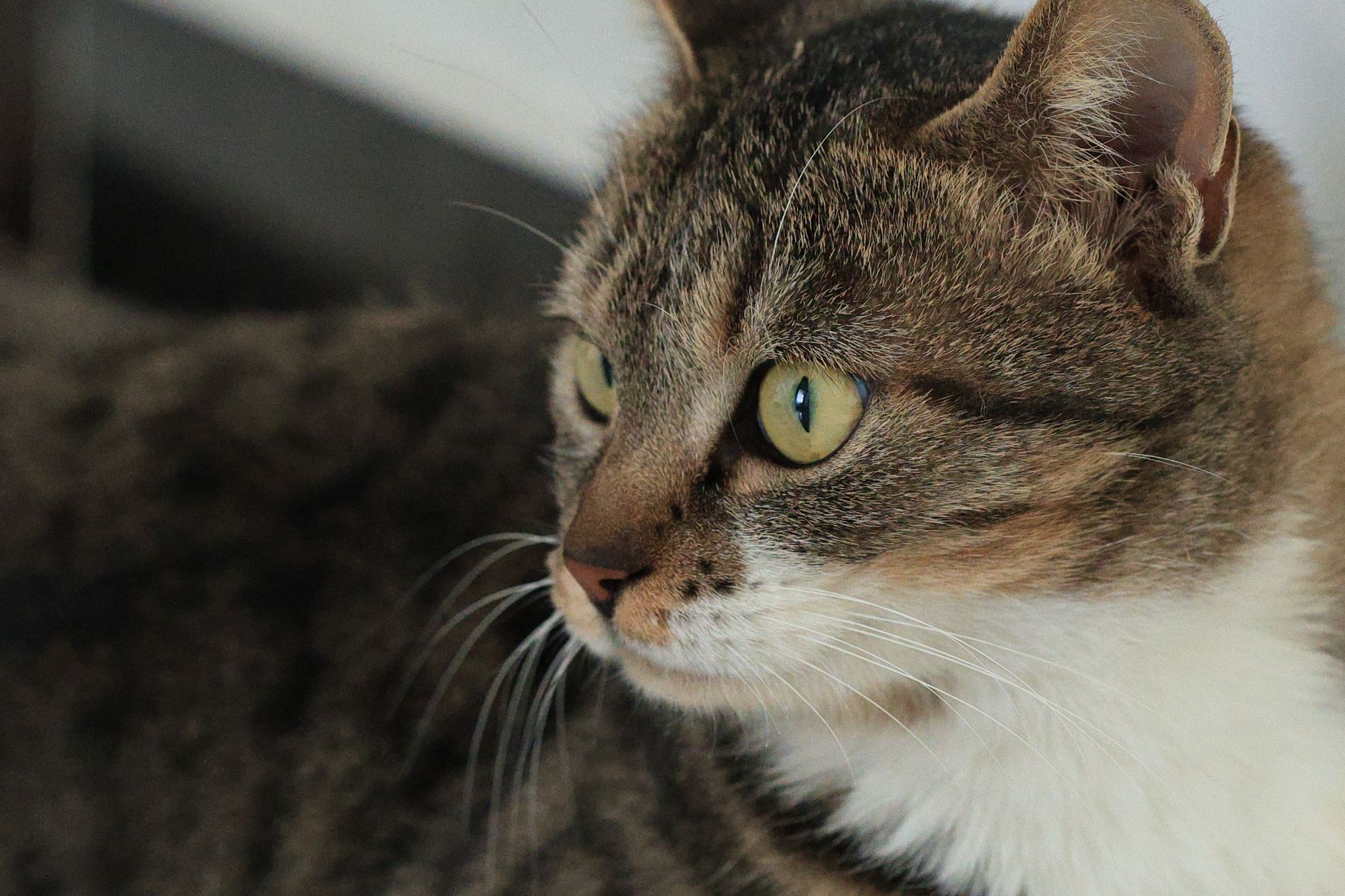
Cats often whisper before they shout
A cat may hide, sleep in a new place, stop jumping onto a favorite surface, groom less, overgroom one area, or interact differently before an owner notices a classic symptom.
One detail that matters with Tell If Your Cat Is Sick: Use a calm, repeatable check rather than repeatedly handling a worried animal. Observe first from a distance. Then, if your pet is comfortable, look more closely at posture, eyes, nose, mouth, skin or coat, movement and any relevant body area. Stop if examination causes distress or risks a bite, scratch or injury.

Lowering risk through everyday care
One detail that matters with Tell If Your Cat Is Sick: Prevention is not one product or one annual appointment. It is a system: appropriate nutrition, a healthy body condition, exercise or species-appropriate activity, dental and grooming care, parasite-risk management, clean housing, safe enrichment and routine veterinary examinations. The exact plan should be individualized to the pet.
One detail that matters with Tell If Your Cat Is Sick: Keep medical records in one place, including vaccination history, current medications, allergies or previous reactions, chronic conditions, microchip details when relevant, and the telephone number of your regular and emergency veterinarian. This makes urgent decisions faster and reduces the chance of forgetting an important detail.
What to record before you worry
Appetite
One detail that matters with Tell If Your Cat Is Sick: Notice whether meals are finished normally, eaten more slowly, refused, or followed by nausea, regurgitation or vomiting.
Water
One detail that matters with Tell If Your Cat Is Sick: Watch for a clear change in drinking. Measuring intake is more useful than relying on memory when thirst is part of the concern.
Energy
One detail that matters with Tell If Your Cat Is Sick: Compare activity with the pet's normal routine. Reluctance to move, unusual restlessness or hiding can all be meaningful.
Breathing
One detail that matters with Tell If Your Cat Is Sick: Breathing should look comfortable at rest. Effort, open-mouth breathing where abnormal, repeated coughing or obvious distress needs attention.
Bathroom habits
One detail that matters with Tell If Your Cat Is Sick: Urine, stool, litter-box use or tank/cage output can reveal changes in hydration, digestion and general health.
Body condition
One detail that matters with Tell If Your Cat Is Sick: Track weight trends when possible. Sudden gain or loss can be more significant than a single measurement.
Help your vet see the full picture
One detail that matters with Tell If Your Cat Is Sick: A clear history can shorten the path to useful testing and treatment. Be ready to explain when the problem started, whether it came on suddenly or gradually, what your pet has eaten, recent travel or boarding, parasite prevention, access to toxins or foreign objects, changes in urine/stool/droppings, and all medications or supplements.
One detail that matters with Tell If Your Cat Is Sick: For recurring problems, ask what signs should trigger a recheck, whether home monitoring is useful, how quickly improvement should occur, and whether diet, environment, grooming or preventive care should change.
FAQ: practical concerns about Tell If Your Cat Is Sick
What is the most important thing to watch for with cat health?
One detail that matters with Tell If Your Cat Is Sick: A change from the animal's normal baseline is often more useful than a single isolated sign. Appetite, energy, breathing, elimination, posture and behavior should be considered together.
When should I contact a veterinarian?
One detail that matters with Tell If Your Cat Is Sick: Seek veterinary advice promptly for breathing difficulty, collapse, repeated vomiting, inability to urinate, severe weakness, suspected toxin exposure, major trauma, or a cat that stops eating and remains unwell.
Can I diagnose the problem at home?
One detail that matters with Tell If Your Cat Is Sick: Home observation can help you notice patterns and collect useful information, but many symptoms overlap between conditions. A veterinarian may need an examination or tests to identify the cause.
What information should I record before a vet visit?
One detail that matters with Tell If Your Cat Is Sick: Record when the change started, appetite and water intake, vomiting or stool changes, urination, medications, possible toxin or foreign-object exposure, and photos or short videos of unusual behavior when safe to obtain.
How can I reduce health problems in the future?
One detail that matters with Tell If Your Cat Is Sick: Use species-appropriate nutrition, maintain a healthy body condition, provide clean water and a safe environment, keep preventive care current, and arrange routine veterinary checks appropriate for age and risk.
Comments
Post a Comment