
How to Stop Dog Separation Anxiety: A Positive Reinforcement Desensitization Guide
Watching your canine companion panic, whine, howl, or destroy household items the moment you walk out the front door can be heartbreaking and stressful. Dog separation anxiety is a very common behavioral challenge that affects dogs of all ages, breeds, and backgrounds. Whether you recently adopted a rescue dog with an unpredictable history or welcomed a young puppy into your family who panics the second you step out of sight, the distress is palpable for both human and hound. Fortunately, with patience, empathy, and consistent positive reinforcement, you can help your dog feel safe, secure, and confident when left alone. This comprehensive guide explores actionable steps, structured desensitization plans, common mistakes to avoid, professional-help guidance, and essential management strategies to restore peace to your household.
Disclaimer: This article is for educational and informational purposes only. It does not replace professional veterinary advice, diagnosis, or behavior consultation. If your dog exhibits severe distress, self-harm, or extreme panic, consult a licensed veterinarian or a certified professional dog trainer.
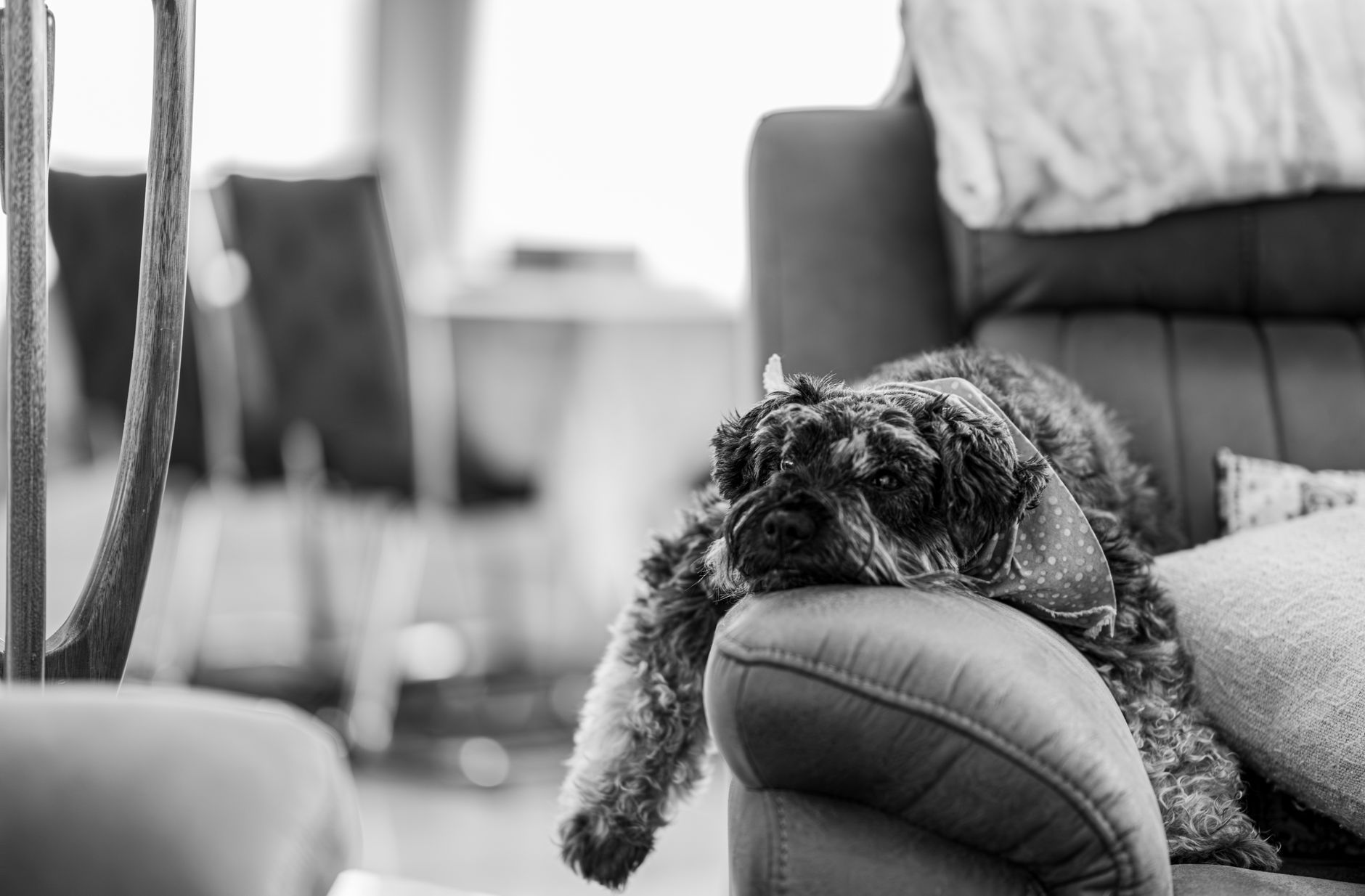
Understanding Canine Separation Anxiety vs. Boredom
Before implementing any behavior modification plan, it is critical to determine whether your dog is genuinely suffering from separation anxiety or simply experiencing boredom and under-stimulation. True separation anxiety is rooted in genuine panic and emotional distress. When a dog with separation anxiety is separated from their primary attachment figure, their nervous system enters an involuntary fight-or-flight state. Physiological symptoms often include excessive drooling, frantic pacing, howling, trembling, eliminating indoors despite being thoroughly house-trained, and desperate attempts to escape that can result in broken teeth, bleeding paws, or torn nails.
In contrast, a bored dog may chew on furniture legs or shoes, but they typically do so casually throughout the day, and they usually show little to no signs of genuine physiological panic when you prepare to leave or when you return. A bored dog might greet you enthusiastically, but they do not pant heavily, tremble, or drool uncontrollably upon your departure. Recognizing this distinction is vital because a bored dog simply needs more physical exercise and mental engagement, whereas an anxious dog requires methodical desensitization and emotional regulation support. Understanding your dog's true underlying emotional state is the foundational first step toward creating an effective, long-lasting behavior modification plan.
Recognizing Early Signs of Canine Panic
Catching anxiety early makes a monumental difference in training success. Many pet parents only notice separation anxiety when destruction occurs, but dogs display subtle pre-panic signals long before they start howling or scratching doors. Learning to recognize these micro-signs allows you to intervene before your dog crosses their anxiety threshold.
Early indicators of canine stress include whale eye (showing the whites of the eyes), lip-licking, yawning when not tired, excessive panting in a cool room, drooling, freezing in place, following you obsessively from room to room every second of the day, and subtle whining as you start gathering your personal belongings. When you notice these behaviors increasing in frequency when you prepare to leave, your dog is communicating that their stress baseline is too high. Paying attention to these early warning signs gives you the chance to slow down your routine, adjust your training pace, and keep your dog within their comfort zone.
The Science of Desensitization and Counter-Conditioning
The cornerstone of overcoming canine anxiety is systematic desensitization paired with counter-conditioning. Desensitization involves exposing your dog to triggers of your departure—such as picking up keys, putting on shoes, jingling car remotes, or touching the doorknob—in such tiny, incremental steps that your dog does not react with fear or panic. Counter-conditioning changes your dog's emotional response to those triggers from negative (fearful or anxious) to positive (anticipating a pleasant reward).
To succeed, you must work below your dog's threshold. If your dog panics the moment you touch your jacket, you are moving too fast. Break down departures into micro-steps. For instance, touch the jacket without putting it on, reward your dog with a high-value treat, and stop. Repeat this until your dog remains completely relaxed when you touch the jacket. Only then should you progress to putting the jacket on for one second before removing it. This gradual approach rewires how your dog's brain processes the idea of you leaving, transforming terrifying departure cues into neutral or even positive predictors of treats and calm independence.

Step-by-Step Desensitization Plan for Home Alone Success
Implementing a structured daily routine is essential for long-term behavioral transformation. Follow these practical steps to guide your dog toward emotional independence:
- Identify All Departure Triggers: Make a comprehensive list of every action you take before leaving the house, such as grabbing car keys, putting on work shoes, zipping a bag, checking your hair in the mirror, or opening the front door.
- Practice Micro-Exposures: Trigger one single cue—like jingling your keys while standing across the living room—and immediately reward your dog with a delicious treat before they show signs of stress. Repeat this several times a day until the cue loses its anxiety-inducing power.
- Introduce Brief Departures: Step outside the door for just one second, then step back inside before your dog has time to register fear. Do not make a big deal of returning; keep your energy calm and neutral.
- Gradually Increase Duration: Slowly extend the time you spend outside the door, moving from one second to five seconds, then ten seconds, thirty seconds, one minute, and beyond. Never increase the time so fast that your dog panics.
- Incorporate Daily Practice Sessions: Dedicate two short, 5-to-10-minute training sessions every single day. Consistency builds neural pathways much faster than occasional long sessions.
- Provide Safe Solo Enrichment: Give your dog a long-lasting, safe puzzle toy stuffed with healthy goodies right as you depart. This creates a positive association with your absence. You can explore creative ideas using the Pet Enrichment Idea Generator to keep your dog mentally stimulated and calm.
Managing Your Daily Routine and Environment
While working through a desensitization protocol, management is your best friend. Every time your dog experiences uncontrolled panic while left alone, it sets your training progress backward. Therefore, you must arrange your schedule so that your dog is not left alone beyond their current threshold while you are actively working on their behavior.
If you must go to work or run errands, arrange for a trusted pet sitter, use a reputable doggy daycare, or bring your dog along when feasible. Additionally, establish a predictable, calming daily routine. Dogs thrive on consistency. Knowing what to expect throughout the day lowers baseline anxiety levels significantly. To ensure your dog maintains a balanced lifestyle that supports overall emotional health, you can plan out their daily physical activity using the Dog Exercise Planner, ensuring they burn off excess physical energy before you begin calm-alone training sessions.

Common Mistakes to Avoid in Separation Training
Even well-intentioned pet parents can inadvertently worsen separation anxiety through common training mistakes. Avoid the following pitfalls to ensure steady progress:
- Punishing Post-Panic Behavior: Never scold, yell at, or punish your dog for accidents or chewed items found upon your return. Dogs cannot connect the punishment to past actions; they will only associate your return with anger and punishment, increasing their overall anxiety.
- Making a Big Production of Departures and Arrivals: Lengthy, emotional goodbyes or hyper-enthusiastic greetings reinforce the idea that your departure is a dramatic, catastrophic event and your return is a monumental rescue. Keep departures and arrivals low-key and boring.
- Flooding Your Dog: Leaving an anxious dog alone for hours right away ("letting them cry it out") does not teach independence; it traumatizes the nervous system and deepens phobias.
- Rushing the Timeline: Skipping steps or increasing absence duration too quickly almost always leads to setbacks. Patience and micro-progress are mandatory.
- Using Traditional Cratining Prematurely: Forcing a dog with severe confinement anxiety into a crate can lead to severe self-injury. Ensure your dog is comfortable with the space before closing any doors.
Creating a Safe and Comforting Environment Indoors
The physical environment plays a substantial role in regulating your dog's emotional state while you are away. Setting up a dedicated, comfortable zone can make a noticeable difference in how relaxed your dog feels.
Consider dedicating a specific room, a secure puppy-proofed pen, or a cozy corner where your dog feels secure. Ensure the area is well-ventilated, maintains a comfortable temperature, and is free from hazards like electrical cords, toxic plants, or dangling blinds. Many dogs find comfort in soft ambient noise, such as classical music designed specifically for canine relaxation or soft talk radio that mimics human voices and masks outdoor startling noises like delivery trucks or passing pedestrians. Blackout curtains can also prevent dogs who are reactive to visual triggers outside from becoming startled by every movement on the street. Combining these environmental adjustments with your desensitization training creates an optimal cocoon of safety.

Building Independence Throughout the Day
Separation anxiety often stems from hyper-attachment. Dogs who follow their owners from room to room, resting their chins on knees and crying whenever a bathroom door is closed, are constantly practicing dependency. To help your dog overcome anxiety when left alone, you must gently build independence while you are still at home.
Introduce the concept of "place" or mat training, where your dog learns to relax comfortably on a designated bed a few feet away from you while you work or watch television. Practice closing interior doors for short intervals during the day without making a fuss. Reward your dog when they choose to relax independently in another room rather than crowding your personal space. These small, everyday exercises teach your dog that physical distance from you is safe, normal, and relaxing, making actual departures much less jarring when they occur.
When to Seek Professional Veterinary and Behavioral Help
While positive reinforcement and desensitization work wonders for many dogs, some cases of severe separation anxiety require professional intervention. Recognizing when DIY training is no longer enough is vital for your dog's mental health and your own peace of mind.
You should consult a certified professional dog trainer (CPDT) specializing in separation anxiety or a board-certified veterinary behaviorist if your dog causes severe self-injury when left alone, damages windows, doors, or crates in frantic escape attempts, refuses all food and water during absences, or if your training progress has completely stalled despite weeks of dedicated, consistent micro-desensitization work. Veterinary behaviorists can assess whether adjunctive anti-anxiety medication is appropriate. Medication does not cure separation anxiety on its own, but it can successfully lower a dog's frantic baseline panic enough for desensitization and positive reinforcement training to finally take effect.
Frequently Asked Questions
Can adult dogs overcome severe separation anxiety?
Yes. While puppies are easier to mold, adult and senior rescue dogs can successfully overcome separation anxiety through consistent positive reinforcement, desensitization, and patience. It requires dedication, but canine brains remain capable of learning and adapting throughout their lives.
Should I get a second dog to cure my dog's anxiety?
Generally, no. Separation anxiety is rooted in the panic of losing the human attachment figure, not simply loneliness. Another dog rarely cures true separation anxiety and may result in two stressed pets.
How long does separation anxiety training take?
The timeline varies greatly depending on the severity of the anxiety and your consistency. Mild cases may improve in a few weeks, while severe panic disorders can require several months of daily, dedicated practice.
If you want to track your dog's age milestones and behavioral developmental stages while working through training plans, the Dog Age Calculator offers wonderful insights into your canine's life stage.
Are calming collars or pheromone diffusers effective?
Synthetic pheromones and calming supplements can help lower baseline anxiety when used as part of a comprehensive behavior modification plan, but they are rarely a standalone cure.
Should I leave the television or radio on when I leave?
Some dogs find soft ambient noise or talk radio comforting because it masks outdoor sounds and mimics human presence, though it should be paired with actual desensitization training.
When should I seek help from a veterinary behaviorist?
Seek professional assistance immediately if your dog causes self-injury, destroys doors or crates, refuses to eat or drink while alone, or if progress stalls despite weeks of consistent desensitization work.
Conclusion
Helping a dog overcome separation anxiety requires immense dedication, emotional resilience, and a commitment to positive reinforcement. By breaking down departures into manageable steps, desensitizing your dog to departure triggers, managing their environment, and avoiding common pitfalls, you can guide your furry friend toward lasting confidence. Remember that every small victory brings you closer to a peaceful home where both you and your dog can feel relaxed and secure.
Helpful PawPrintHub Tools
- Dog Exercise Planner - Plan balanced daily physical activity to keep your dog physically and mentally healthy.
- Pet Enrichment Idea Generator - Discover engaging puzzle ideas to keep your dog calm and busy while home alone.
- Dog Age Calculator - Understand your dog's life stage and developmental needs.
Support free pet guides and tools.
Buy Me a Coffee
Comments
Post a Comment