
How to Teach a Dog to Walk on a Loose Leash: Positive Reinforcement Guide
Daily walks should be a bonding experience filled with exploration and shared enjoyment, yet for many pet parents, stepping out the front door turns into an exhausting upper-body workout. When your canine companion pulls constantly, every stroll becomes a test of patience. Fortunately, you can successfully teach a dog to walk on a loose leash without resorting to harsh collars, choke chains, or intimidation tactics. By relying on positive reinforcement, clear communication, and consistency, you can transform chaotic walks into calm, harmonious adventures that both you and your dog genuinely look forward to every single day.
This comprehensive guide explores the foundational mechanics of leash manners, breaking down complex training sessions into manageable, bite-sized steps. Whether you have an energetic puppy exploring the world for the first time or an adult rescue dog learning household and outdoor rules, positive reinforcement offers a reliable, stress-free path to long-term behavioral success. By understanding how dogs perceive tension and mastering the timing of your rewards, you can build an unbreakable bond based on cooperation rather than conflict.
Embarking on this journey requires patience, empathy, and a willingness to look at the walk from your dog's perspective. Our canine companions experience the world primarily through scent, sound, and motion. When we understand what motivates them to pull, we can redesign our training approach to work with their natural instincts instead of constantly fighting against them.
Understanding Why Dogs Pull on the Leash
Before diving into training mechanics and reward schedules, it helps to understand why dogs pull on the leash in the first place. Naturally, dogs move significantly faster than humans. A brisk human pace might feel like a snail's crawl to a healthy canine. When a dog discovers that pulling forward gets them to a fascinating smell, a welcoming fire hydrant, a patch of grass, or another dog faster, the behavior is instantly reinforced. This creates a learned habit known in behavioral science as the reinforcement loop: pull equals reward.
Furthermore, standard flat collars combined with physical tension often trigger the opposition reflex—an innate biological response where a dog naturally leans or pushes forward against any sudden pressure placed on their body. When you pull back on the leash to slow your dog down, your dog feels that physical resistance and instinctively leans harder forward to overcome it. Recognizing this dynamic allows you to shift your strategy entirely away from physical control and arm wrestling, moving instead toward cooperation, shared momentum, and voluntary focus.
Another factor contributing to leash pulling is sheer excitement and environmental overload. When dogs are cooped up indoors for hours, pent-up physical and mental energy reaches a peak. The moment the front door opens, a rush of adrenaline makes calm behavior nearly impossible without prior outlets. Integrating mental enrichment games and indoor exercise before your walk can significantly lower your dog's baseline arousal level, making it much easier for them to focus on maintaining a loose leash when you hit the pavement.
Preparing for Success: Equipment and Mindset
Successful training begins long before you step outside your front door. Setting up your training environment and gathering the right tools prevents frustration and accelerates learning. While basic obedience can happen with various setups, thoughtful preparation sets the stage for rapid, sustainable progress.
Selecting the Right Harness or Collar
For initial loose leash training, a well-fitted front-clip harness is often recommended by modern positive-reinforcement trainers because it redirects forward momentum gently to the side without putting any dangerous pressure on the delicate structures of the dog’s neck, trachea, and thyroid glands. If you use a standard flat collar, ensure it fits comfortably and pair it with a standard four-to-six-foot leash made of nylon or leather. Avoid retractable leashes entirely during training phases, as their constant spring-loaded tension teaches the dog that a tight leash is simply normal operating procedure.
High-Value Rewards Are Essential
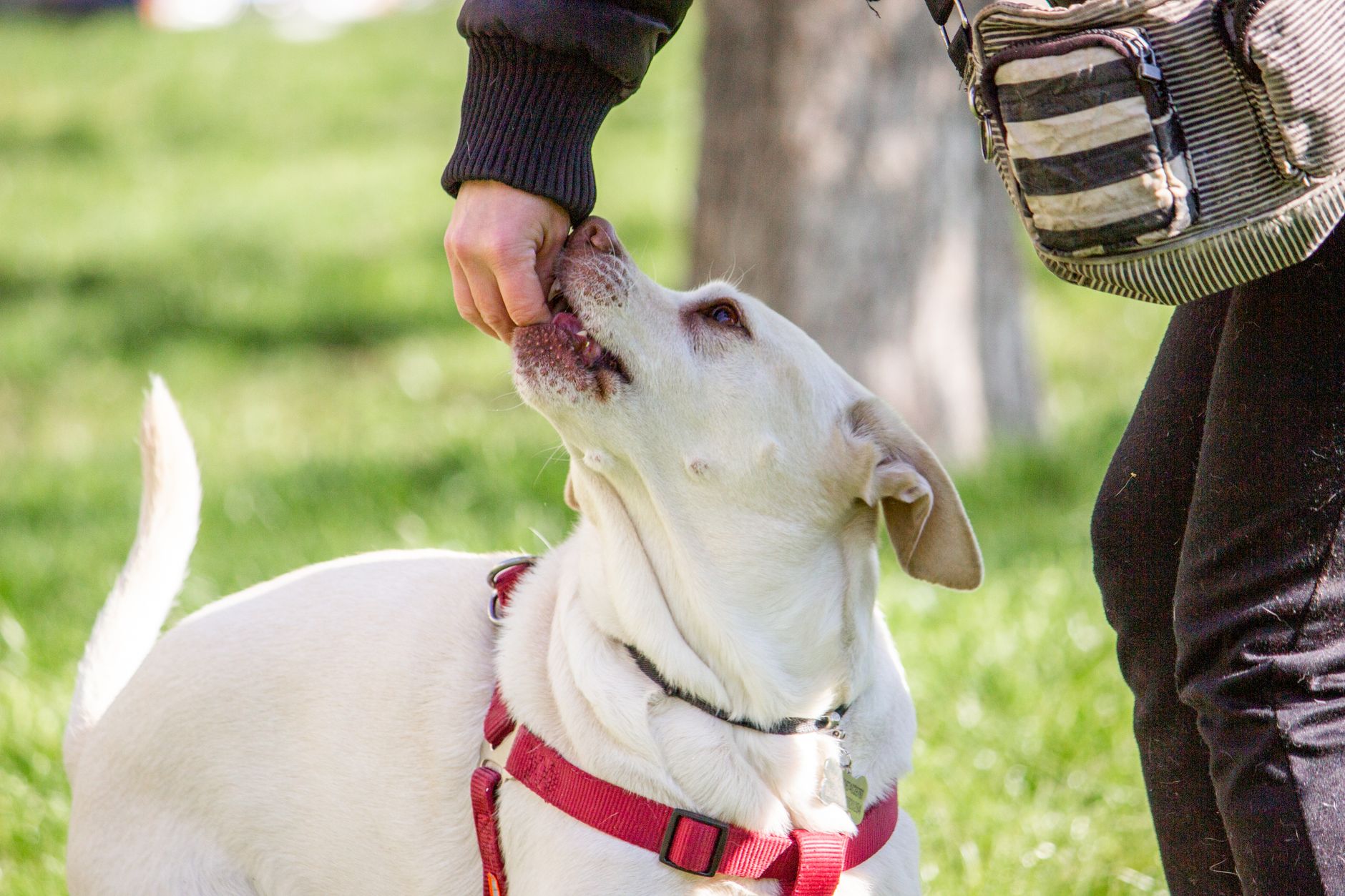
Positive reinforcement relies heavily on currency that your dog actually values in that specific moment. Ordinary, dry kibble might work wonderfully inside a quiet living room, but on a busy sidewalk surrounded by squirrels, enticing scents, and passing cars, you will need high-value treats to capture your dog's attention. Small cubes of roasted chicken, tiny pieces of string cheese, freeze-dried liver, or soft commercial training treats work wonders. Keep these rewards easily accessible in a dedicated treat pouch worn securely at your waist so you can deliver them within one second of the desired behavior.
Step-by-Step Loose Leash Training Methodology
Training a dog to walk calmly beside you requires breaking the process down into logical, structured phases. Rushing outside into a high-distraction public environment too quickly is the single most common reason leash training stalls or fails entirely. Take your time mastering each phase indoors before moving on to higher-distraction outdoor settings.
Phase 1: Indoor Preparation and Engagement
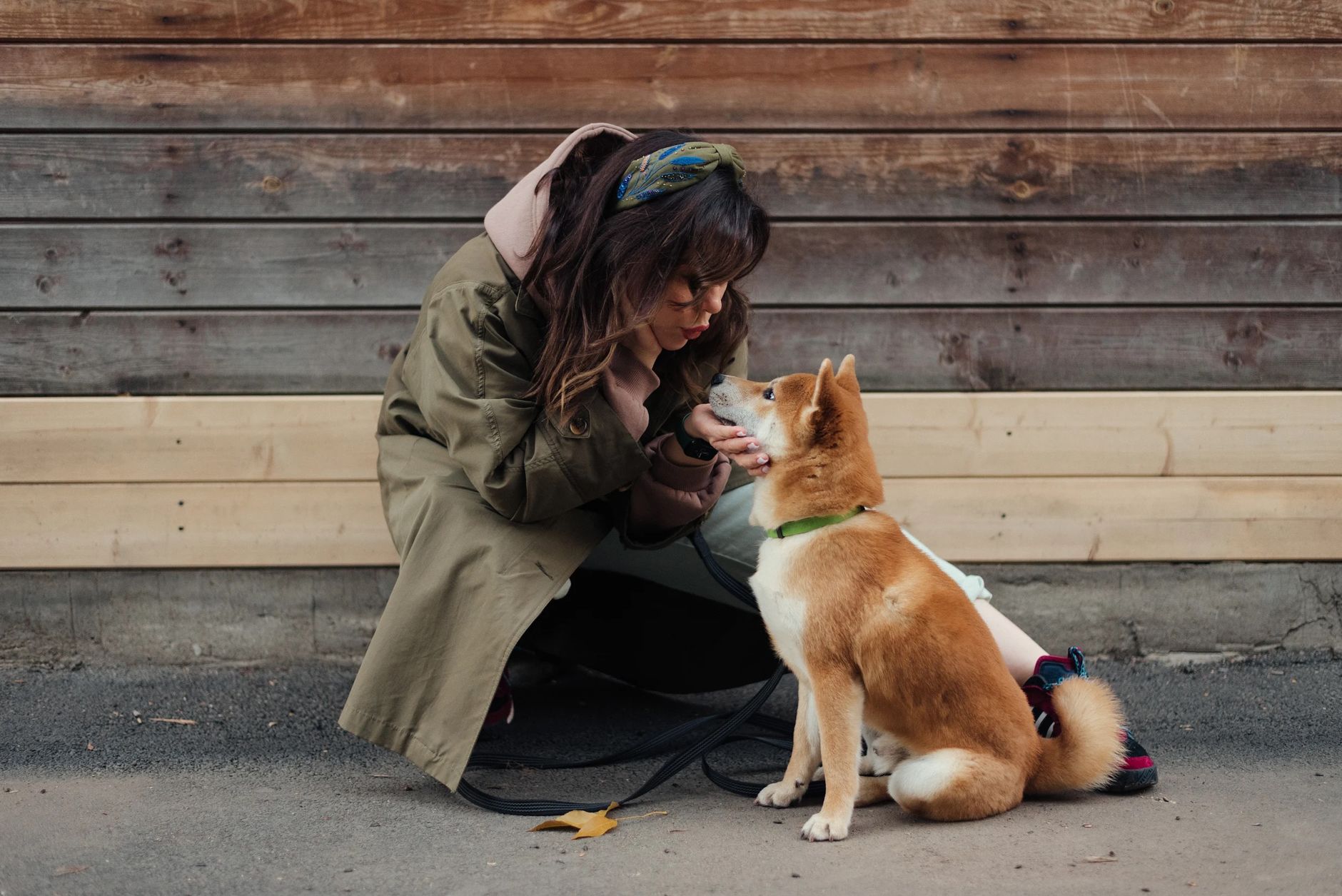
Begin your training sessions inside your home, a quiet hallway, or a distraction-free room where external stimuli are minimal. Hold several small, high-value treats in your hand down by your side, exactly where you want your dog to walk. Reward your dog simply for standing, looking, or walking close to your leg.
- Stand still with your dog on a loose leash in a quiet room.
- When your dog makes voluntary eye contact or moves closer to your side seam, mark the behavior instantly with a verbal marker like "Yes!" or a clicker.
- Deliver the treat right by your leg seam to reinforce the correct spatial position.
- Take one slow step forward. If the leash remains loose with a gentle J-curve, reward immediately.
- Gradually increase your steps from one to three, then five, always rewarding calm proximity.
Phase 2: Introducing the "Be a Tree" Technique
Once your dog understands the basic concept of walking near your leg indoors, move your sessions to a quiet backyard, a low-traffic courtyard, or an empty driveway. The absolute core rule of loose leash walking in this phase is simple: forward movement only happens when the leash is loose.
The moment the leash goes taut and tension forms, you must instantly stop walking and become as immovable as a tree. Do not yank, jerk, or scold your dog; simply plant your feet, keep the leash silent, and wait patiently. The second your dog looks back at you, steps backward, or relaxes the tension out of confusion or curiosity, the leash goes loose again, and you immediately resume walking forward. This teaches a powerful cause-and-effect lesson: pulling makes the entire world stop moving, while a loose leash makes the world move forward and opens up exploration.
Phase 3: Managing Turns and Direction Changes
Dogs naturally love exploring ahead, sniffing new territory, and leading the way. Introducing sudden turns and unexpected direction changes keeps them actively checking in with you rather than zoning out on the horizon. Practice sudden 180-degree turns in wide-open, safe areas.
If your dog starts drifting ahead and building tension, cheerfully turn in the opposite direction, saying your dog's name in an upbeat tone. When your dog catches up, pivots around you, and ends up on a loose leash by your side, praise and reward enthusiastically. This keeps their attention closely focused on where you are going rather than where they selfishly want to be, turning you into the most interesting part of the walk.
Daily Routines and Practice Schedules
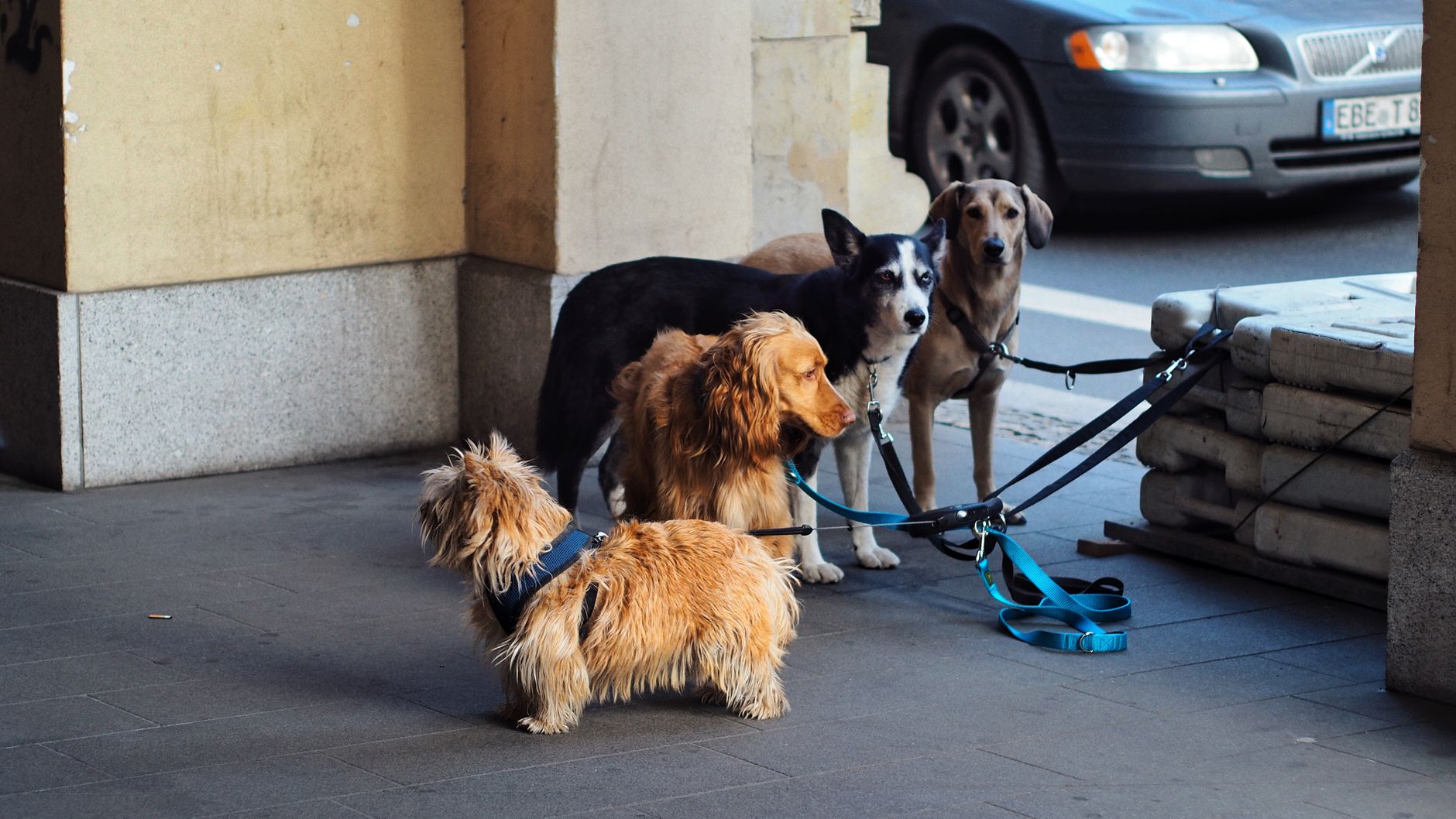
Consistency is the secret sauce of all successful dog training. Rather than taking one long, frustrating 45-minute walk where your dog pulls the entire time, break your walking routine down strategically. Dedicate the first five minutes of your outing to dedicated loose leash mechanics in front of your house, followed by a "free sniff" release where the dog is allowed to explore on a slightly longer leash once they have earned it.
Establish a reliable pre-walk routine. Have your dog sit calmly while you clip on the harness and leash. If your dog jumps, whines, or paws at the gear, simply pause and wait for four paws to hit the floor before proceeding. This teaches emotional self-regulation even before you step outside the door, establishing a calm baseline mindset.
Common Mistakes to Avoid During Leash Training
Even dedicated pet parents can inadvertently stall their training progress by making a few common missteps. Keeping these behavioral pitfalls in mind will keep your training on track and prevent unnecessary frustration.
- Allowing occasional pulling: Consistency is paramount. If your dog pulls toward a fire hydrant and you let them reach it, you reinforce pulling 50% of the time. This creates an intermittent variable reward schedule in your dog's brain, making the pulling behavior incredibly addictive and difficult to extinguish.
- Using continuous leash tension: If you walk with a tight leash constantly, your dog quickly becomes desensitized to the pressure around their neck or chest, rendering your physical boundaries meaningless. Always strive to keep the leash slack like a happy, sagging J-curve.
- Moving too fast through distractions: Do not expect your dog to walk past a barking dog, a skateboarder, or a flock of birds if they haven't mastered loose leash walking in your empty hallway or quiet driveway first. Build difficulty and distractions gradually over weeks.
- Using punishment or corrections: Jerking the leash or using harsh corrections creates fear and anxiety associated with walks, which can trigger defensive reactivity or aggression toward other dogs and people passing by.
Addressing High-Energy Dogs and Special Scenarios
High-energy working breeds, terriers, and sporting dogs often present unique challenges during leash training due to their intense drive and stamina. For these powerhouse breeds, physical exercise alone is rarely enough; they require mental stimulation to stay balanced. Before launching into a loose leash walking session, engage your high-energy dog in a ten-minute game of fetch, tug-of-war, or nosework inside the house. Tiring out their brain first takes the frantic edge off their nervous system, allowing them to engage with your training cues without bouncing off the walls.
Additionally, utilize environmental management. During high-traffic morning or evening rush hours, stick to quieter side streets or parks where triggers are minimized. As your dog's proficiency grows, gradually reintroduce busier routes. Remember that progress is rarely linear; some days your dog will walk like an absolute angel, and other days adolescent hormones or exciting new scents will make them seem to forget every rule they ever learned. Stay patient, lower your expectations on difficult days, and return to basics.
Educational Veterinary and Behavior Disclaimer
This article is provided for general educational and informational purposes only and does not substitute for professional veterinary advice, animal behavior consultation, or formal training services. If your dog exhibits severe leash reactivity, aggressive lunging toward other animals, extreme fear responses, or signs of physical pain while moving, please consult a qualified veterinary behaviorist or certified professional dog trainer immediately.
Frequently Asked Questions
How long does it take to teach a dog to walk on a loose leash?
Every dog learns at their own unique pace based on age, breed history, and the consistency of daily practice. Basic improvements and moments of clarity can often be observed within two weeks of daily, short five-to-ten-minute training sessions, but solidifying reliable loose leash behavior in high-distraction public areas may take several months of dedicated practice.
Are retractable leashes good for leash training?
No. Retractable leashes maintain constant spring-loaded tension on the collar or harness, which teaches dogs that pulling forward is completely normal and acceptable. They also offer significantly less physical control in emergency situations. A standard non-retractable four-to-six-foot leash is always best for structured training.
What should I do if my dog lunges at other dogs while walking?
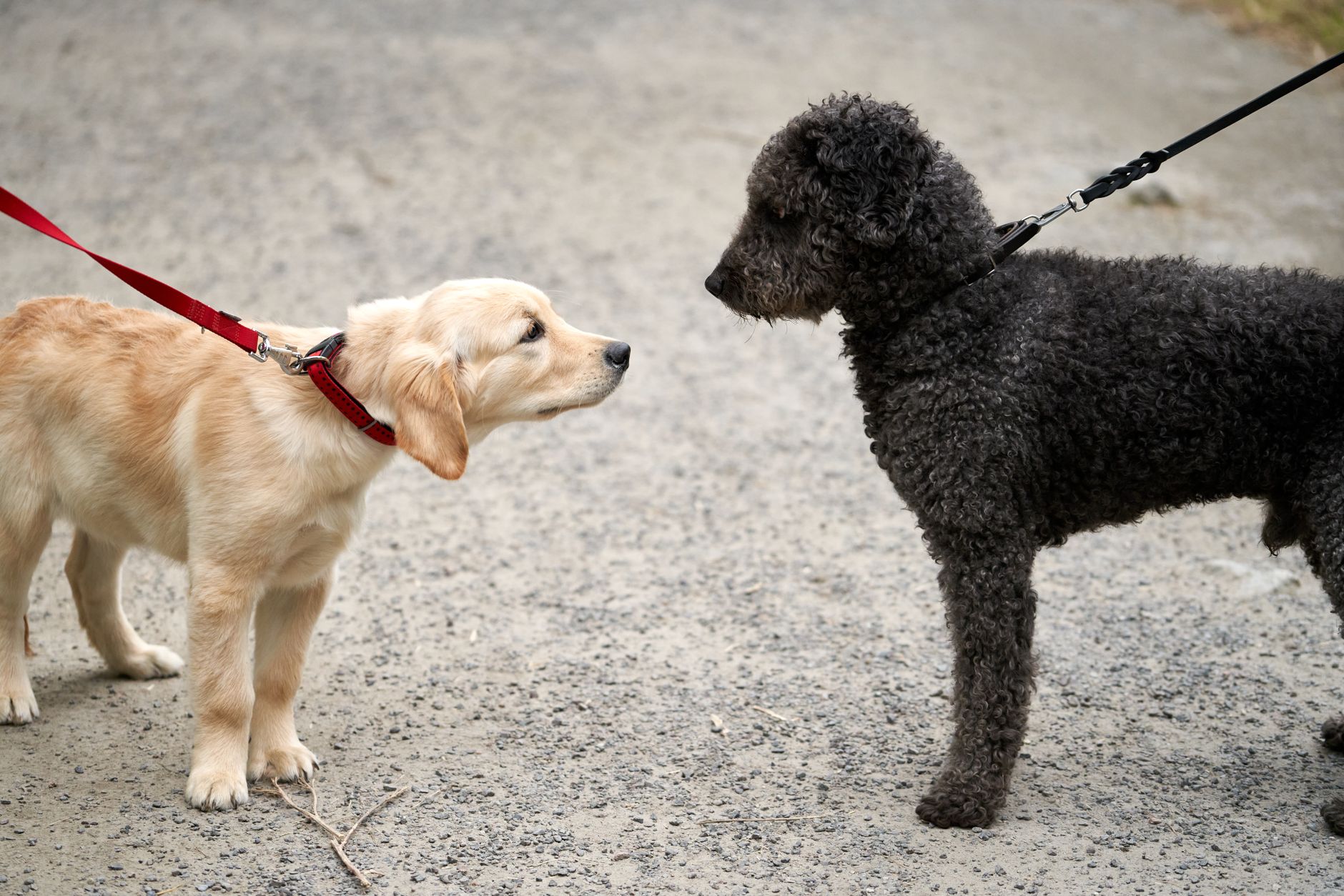
Leash lunging is frequently rooted in over-arousal, excitement, fear, or frustration rather than pure disobedience. Increase your physical distance from the trigger until your dog can remain calm, reward calm focus, and consider working with a certified positive-reinforcement behavior professional to build a customized desensitization and counter-conditioning plan.
Should I use a collar or a harness for leash training?
A front-clip harness is generally recommended for dogs that pull strongly, as it distributes physical pressure evenly across the broad chest and shoulders rather than delicate neck structures. If you use a traditional flat collar, ensure your dog is comfortable and strictly avoid harsh jerks to protect their trachea.
How often should I practice loose leash walking?
Short, frequent training sessions are dramatically more effective than long, exhausting walks. Aim for two to three short 5-to-10-minute sessions per day focused purely on training mechanics and rewarding focus, kept completely separate from your regular elimination walks.
Can older dogs learn loose leash walking?
Absolutely. While puppies absorb new routines rapidly, adult and senior dogs are fully capable of learning new leash manners. It simply requires breaking old habits through absolute consistency and higher-value rewards to override years of rehearsed pulling.
Helpful PawPrintHub Tools
To support your ongoing training journey and keep your canine companion happy, healthy, and properly balanced, explore these helpful tools:
- Plan your daily physical activity levels using the Dog Exercise Planner.
- Track your puppy's physical milestones and expected adult size with the Puppy Growth Estimator.
- Calculate precise daily food requirements and treat allowances using the Pet Food Portion Calculator.
Support free pet guides and tools.
Buy Me a Coffee
Comments
Post a Comment