
How to Safely Introduce a New Bird to Your Existing Pet Bird: Step-by-Step Integration Guide
Bringing a new feathered companion home is an exciting milestone for any bird lover, but expanding your flock requires careful planning, patience, and strict adherence to safety protocols. Unlike mammals, which may size each other up through scent or physical play, pet birds possess unique behavioral instincts and sharp beaks that demand a methodical introduction process. Whether you are adding a lively budgie to your aviary setup, introducing a young cockatiel to a senior resident, or integrating a companion for a lonely parrot, rushing the process can lead to severe territorial aggression, stress, and physical injury. This comprehensive guide walks you through every phase of introducing a new pet bird safely, ensuring a smooth transition and long-term harmony in your multi-bird household.
Before you begin reading about behavioral cues and cage setups, remember to organize your new addition's paperwork and identification details. You can easily create a professional profile using the Pet ID Card Generator to keep track of your new bird's band number, species, and hatch date. Furthermore, if you are setting up enrichment items, our Pet Enrichment Idea Generator offers creative ways to keep both your resident bird and newcomer mentally stimulated during the transition period.
Disclaimer: This article is for educational purposes only and does not substitute for professional avian veterinary advice. If your bird shows signs of severe illness, respiratory distress, or physical trauma, consult an experienced avian veterinarian immediately.
Understanding Avian Social Dynamics and Territoriality
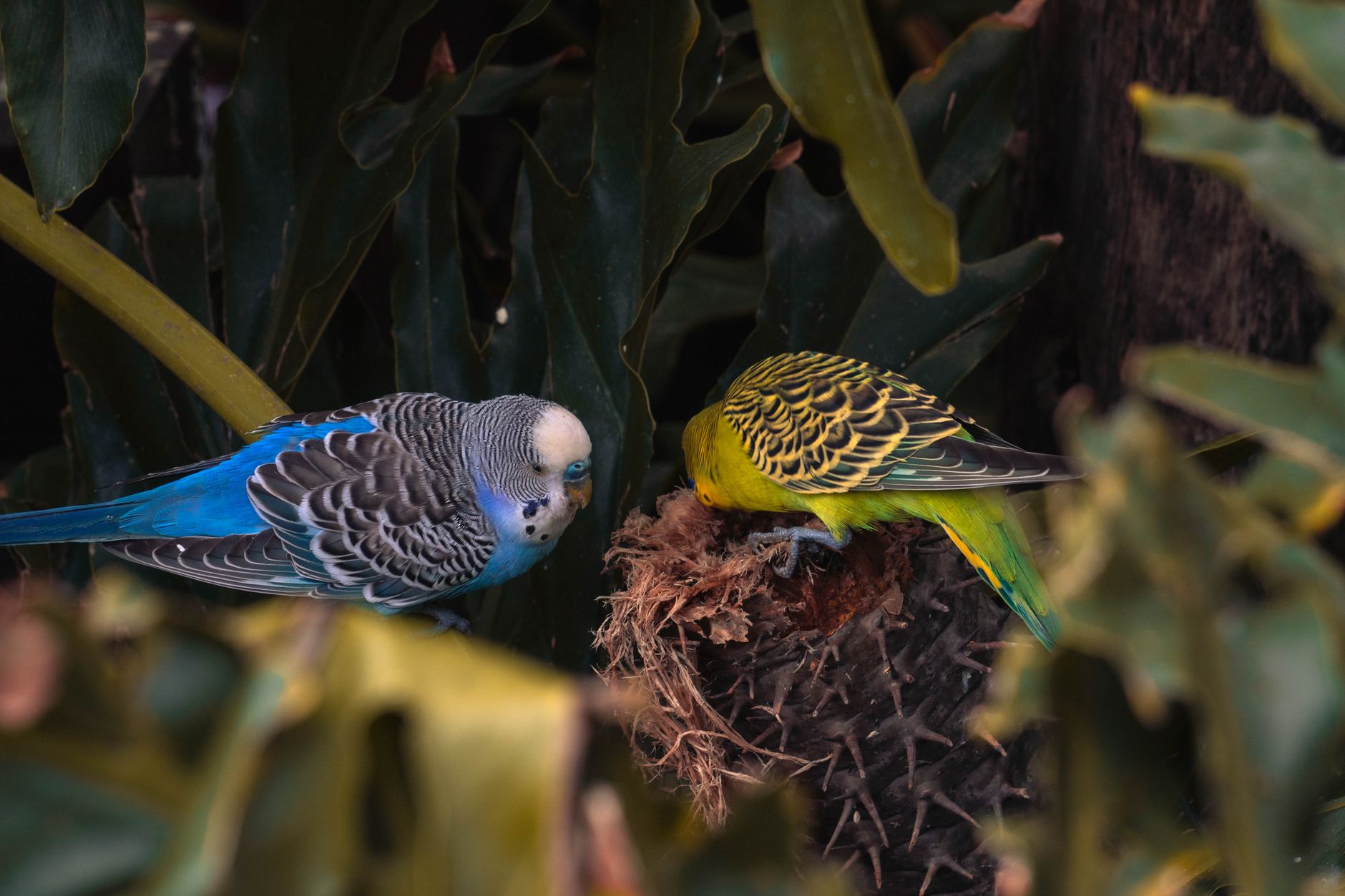
To successfully master introducing a new pet bird, you must first understand how birds view their environment. In the wild, most pet bird species live in complex flocks where socialization is essential for survival, yet boundaries are strictly maintained. Inside a domestic home, a resident bird often views its cage and the surrounding room as its exclusive territory. When a newcomer arrives, the resident bird may perceive the newcomer not as a friend, but as an intruder competing for food, toys, and human attention.
Parrots, budgies, and cockatiels possess strong flock mentalities, but their willingness to accept outsiders varies greatly by species, age, sex, and individual personality. For example, two budgies of the same sex may bond instantly or fight relentlessly, while older Amazon parrots or conures can take months to tolerate another bird in the same room. Recognizing that bonding cannot be forced is the first rule of responsible bird ownership. When humans attempt to rush this delicate emotional bridge, birds often redirect their frustration into feather plucking, screaming, or unprovoked biting toward their human caregivers.
Furthermore, owners must evaluate the specific species dynamics at play. Mixing hookbills (like parakeets and parrots) with softbills or finches is structurally unsafe due to enormous differences in bite force and social structure. Even within the parrot family, a high-energy conure can easily overwhelm a gentle, quiet parrotlet. Understanding these innate biological boundaries prevents catastrophic mistakes before they ever happen in your living room.
Phase 1: The Critical Quarantine Period
The single most important step in bringing a new bird home has nothing to do with socialization and everything to do with biosecurity. Every new bird, regardless of where it was purchased, must undergo a strict quarantine period of at least 30 to 45 days. Avian illnesses such as Psittacosis (Chlamydia psittaci), Polyomavirus, and Pacheco's disease can remain dormant in asymptomatic carriers, posing a lethal threat to your existing flock.
- Separate Airspace: House the new bird in a completely different room with its own ventilation system if possible. Air currents can carry feather dust and airborne pathogens between rooms.
- Dedicated Supplies: Use separate cleaning tools, food scoops, perches, and toys. Never share wet or dry items between the quarantine cage and the resident bird's cage without thorough disinfecting.
- Personal Hygiene: Always tend to your resident bird first, then care for the quarantined bird. Wash your hands thoroughly and change your outer shirt between handling sessions.
- Veterinary Health Check: Schedule a wellness exam with a certified avian veterinarian during the first week of quarantine to run baseline fecal tests and infectious disease panels.
- Monitoring Waste and Appetite: Daily observation of droppings, seed consumption, and breathing rate during quarantine provides vital clues about the bird's underlying health status.
Phase 2: Sensory Habituation and Side-by-Side Placement
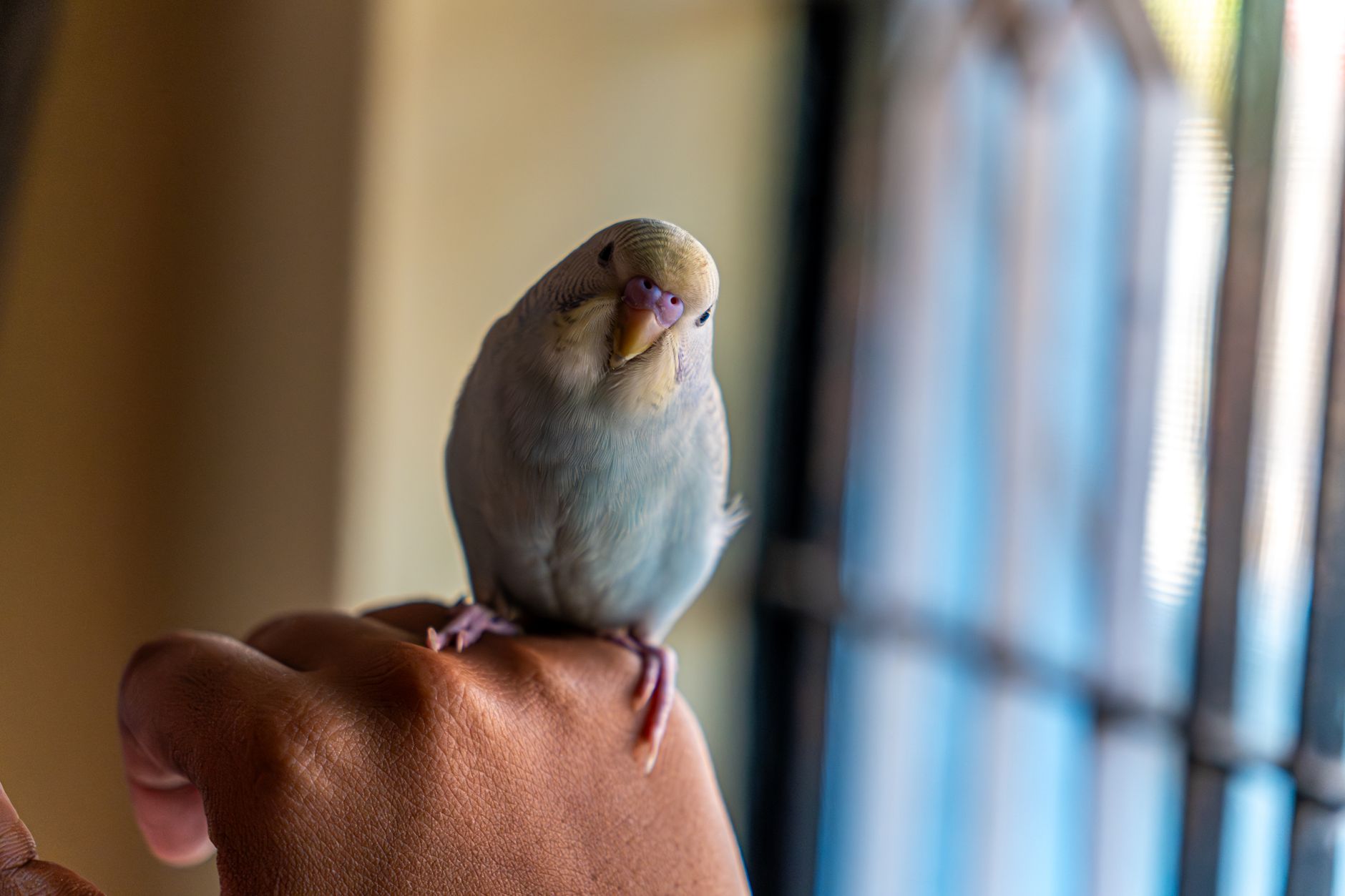
Once your new bird has successfully passed the quarantine period and received a clean bill of health from your avian vet, you can begin the sensory habituation phase. This step allows both birds to become familiar with each other's presence, sounds, and visual appearance without any risk of physical altercation.
Move the new bird's cage into the same room as the resident bird, but keep the cages spaced at least five to six feet apart initially. Over the course of two weeks, gradually move the cages closer together until they are side by side, but make sure the bars do not touch. This side-by-side arrangement prevents toe-biting or beak injuries through the wire while allowing them to observe each other eating, preening, and vocalizing.
Observing Behavioral Cues During Habituation
Pay close attention to body language during this phase. Positive signs include soft chattering, mutual singing, curious head-tilting, and relaxed posture near the shared side of the cage. Negative signs include pinned eyes (especially in parrots), raised crests, aggressive lunging at the cage bars, feather plucking, or shrieking. If severe agitation occurs, move the cages further apart and slow down the process.
During this phase, you can also swap perches or toys between the two cages (provided both birds are healthy) so they become accustomed to each other's scents in a non-threatening context. Watch closely for signs of chronic stress, such as pacing along the cage walls or refusal to eat when the other bird is vocalizing.
Phase 3: Neutral Territory Out-of-Cage Meetings
After several weeks of peaceful side-by-side living, you can test out-of-cage interactions. Crucially, never introduce birds inside or directly on top of either bird's cage, as this immediately triggers intense territorial defense.
Instead, choose a completely neutral territory where neither bird spends time—such as a clean dining table, a portable tabletop T-stand, or a designated play gym in a neutral room. Remove all high-value treats and favorite toys from the area to minimize resource guarding. Ensure that all windows are safely covered, ceiling fans are turned off, and doors are closed.
- Allow both birds to come out of their respective cages naturally. Do not force or push them toward each other.
- Keep initial sessions short—about 10 to 15 minutes—and monitor them with absolute focus. Do not look at your phone or leave the room.
- Offer millet, leafy greens, or favored treats nearby to create positive mental associations with the newcomer's presence.
- Have a lightweight towel or thick oven mitt nearby in case you need to safely intervene during an unexpected scuffle.
- Observe how they react when sharing airspace; if they ignore each other or maintain a polite distance, this is a major victory.
Step-by-Step Daily Integration Routine
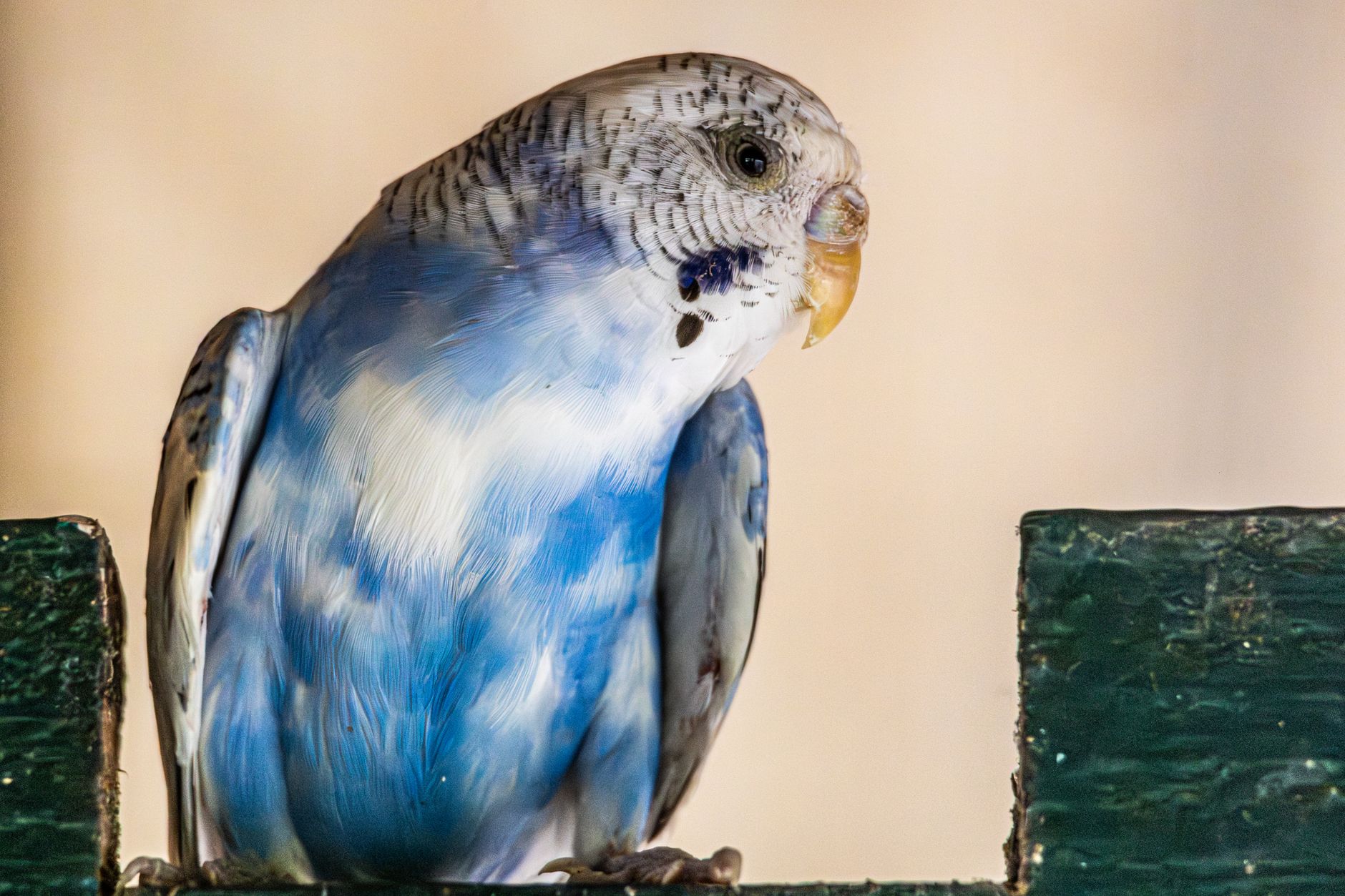
Establishing a predictable daily routine helps reduce anxiety for both resident and new birds during the integration window. Consistency provides a sense of security in an otherwise changing environment.
- Morning Greeting: Uncover cages simultaneously and offer cheerful morning greetings to both birds equally, showing that neither has lost your affection.
- Parallel Feeding: Feed them at the same time in their respective cages. This mimics natural flock foraging behaviors where the entire group eats together safely.
- Structured Out-of-Cage Time: Dedicate specific windows for neutral-room interaction, gradually increasing the duration by 5 minutes each week if interactions remain peaceful.
- Wind-Down Period: Return both birds to their separate sleeping cages well before dusk to ensure they get adequate rest without nighttime disturbances or cage-boundary arguments.
Common Mistakes to Avoid When Introducing Pet Birds
Even well-meaning owners often make critical errors that jeopardize bird safety. Avoiding these common pitfalls will drastically improve your chances of successful flock integration:
- Rushing Quarantine: Skipping quarantine to save space is the leading cause of multi-bird disease outbreaks. Never skip this step.
- Forcing Immediate Contact: Placing two unfamiliar birds together in a single cage on day one invites disaster.
- Ignoring Size Discrepancies: Never house a large parrot (like an African Grey or Cockatoo) unsupervised with a small bird (like a budgie or finch), as a single bite can be fatal.
- Showing Jealousy or Favoritism: Birds are remarkably perceptive. Continue giving your resident bird equal attention and affection to prevent anxiety-induced behavioral problems.
- Assuming Opposite Sex Means Instant Romance: Do not assume a male and female bird will automatically pair up; personality compatibility always outweighs gender.
- Leaving Birds Unsupervised Too Soon: Trust takes months to build. Never leave two recently integrated birds alone in a room together until you have witnessed weeks of completely harmonious behavior.
When to Seek Professional Avian Behavioral Help
While patience and proper pacing resolve most integration challenges, some pairings simply are not meant to be. If months of careful neutral-territory interactions still result in unrelenting aggression, severe feather destruction, or refusal to eat, consult an experienced avian behaviorist or certified vet. In certain households, birds can live wonderfully happy lives as "neighbors" in separate cages within the same room, without ever needing to share physical cage space.
Professional avian behaviorists can identify subtle body language triggers that human owners often miss, offering customized modification plans that reduce stress for both the birds and their human family.
Frequently Asked Questions
How long should I keep a new pet bird in quarantine?
A new pet bird should remain in strict quarantine for a minimum of 30 to 45 days in a separate room with independent airflow. This ensures that any incubating infectious diseases can be identified and treated before exposing your resident flock.
Can I house two different bird species together in the same cage?
Generally, housing different species together is discouraged unless they are very similar in size, temperament, and nutritional needs—such as certain small finches or specific budgies. Large and small species should never share a cage due to the high risk of severe injury.
What should I do if my birds start fighting during an introduction?
If a fight breaks out, do not use bare hands to separate them, as redirected aggression can cause severe bites. Toss a lightweight towel gently over one bird to break their focus, or use a perch to separate them, then return both birds to their respective cages to calm down.
Why is my resident bird plumping its feathers and hissing at the new bird?
Flattened body feathers, lowered head, pinned eyes, and hissing are classic warning signs of territorial aggression and fear. If you observe these behaviors, separate the birds immediately and increase the distance between their cages.
Should I trim my birds' wings before introducing them?
While some owners prefer light wing trims to prevent rapid flight during high-stress initial introductions, flight is a bird's primary natural defense mechanism. If they cannot fly away from conflict, they may feel cornered and resort to aggressive biting. Assess your specific setup carefully before making a decision.
Can male and female birds of different species breed?
Even if different species tolerate each other or show hormonal behaviors, interspecies breeding is unhealthy, rarely produces viable offspring, and should be actively discouraged to protect avian welfare.
How do I know if my birds have accepted each other?
True acceptance is marked by relaxed mutual preening (allopreening), sitting comfortably close on the same perch without tension, sharing food dishes peacefully, and calling out to each other when separated.
What should I do if my resident bird stops eating when the new bird arrives?
A drop in appetite indicates extreme stress or jealousy. Ensure you spend quality time interacting exclusively with your resident bird in a separate room, and consider moving the quarantine or habituation setup further away until their appetite normalizes.
Are hand-fed babies easier to introduce to adult birds?
Hand-fed babies are often more trusting of humans, but they may lack social boundaries taught by adult birds, sometimes causing older resident birds to become annoyed or defensive.
Helpful PawPrintHub Tools
To help you manage your expanded multi-bird household efficiently, explore these free tools designed for pet owners:
- Pet ID Card Generator: Create clean, readable identification cards for all your birds.
- Pet Enrichment Idea Generator: Discover fresh mental stimulation ideas to keep your flock happy and active.
Conclusion
Introducing a new pet bird to your existing flock is a rewarding journey that tests your patience and observation skills. By respecting the critical quarantine period, utilizing gradual side-by-side habituation, and conducting controlled meetings on neutral territory, you set the foundation for lifelong flock harmony. Remember that every bird has a unique personality; taking things at your birds' individual pace ensures a stress-free environment where both your resident companion and your newest feathered family member can thrive together in safety and comfort.
Support free pet guides and tools.
Buy Me a Coffee
Comments
Post a Comment