
How to Cure Bird Plucking Behavior: Managing Feather Picking in Parrots and Companion Birds
Observing your beloved companion bird pull out its own feathers can be distressing, confusing, and heartbreaking. Often referred to by avian specialists as feather destructive behavior (FDB) or simply feather picking, bird plucking behavior is one of the most complex challenges a bird owner can face. Whether you share your home with a sensitive African Grey, a lively Cockatoo, a clever Amazon parrot, or a smaller companion like a Conure, witnessing self-inflicted feather loss requires a calm, systematic, and compassionate response. Every feather on a healthy bird plays an intricate biological role, acting not only as an aerodynamic tool for flight and an insulating blanket against temperature fluctuations, but also as a sensory organ and a canvas for social communication within flocks. When a bird begins systematically stripping away this vital protective covering, it is issuing a clear distress signal that demands our immediate, thoughtful attention.
Before attempting any behavioral interventions, it is vital to understand that bird plucking behavior is rarely a simple bad habit or a minor quirk. Instead, it is almost always a physical symptom of an underlying medical problem, an environmental stressor, a nutritional deficiency, or a psychological imbalance. Because feathers serve critical functions in flight, temperature regulation, and communication, losing them compromises your pet's overall well-being, leaving delicate skin exposed to drafts, trauma, and secondary infections. This comprehensive guide will walk you through identifying the root causes of feather picking, implementing targeted environmental and dietary adjustments, avoiding common pitfalls, and knowing precisely when to seek professional veterinary guidance to restore your bird's physical and mental health.
Disclaimer: The following content is for educational purposes only and does not replace professional veterinary care. Always consult an avian veterinarian for any medical diagnoses or treatment plans.
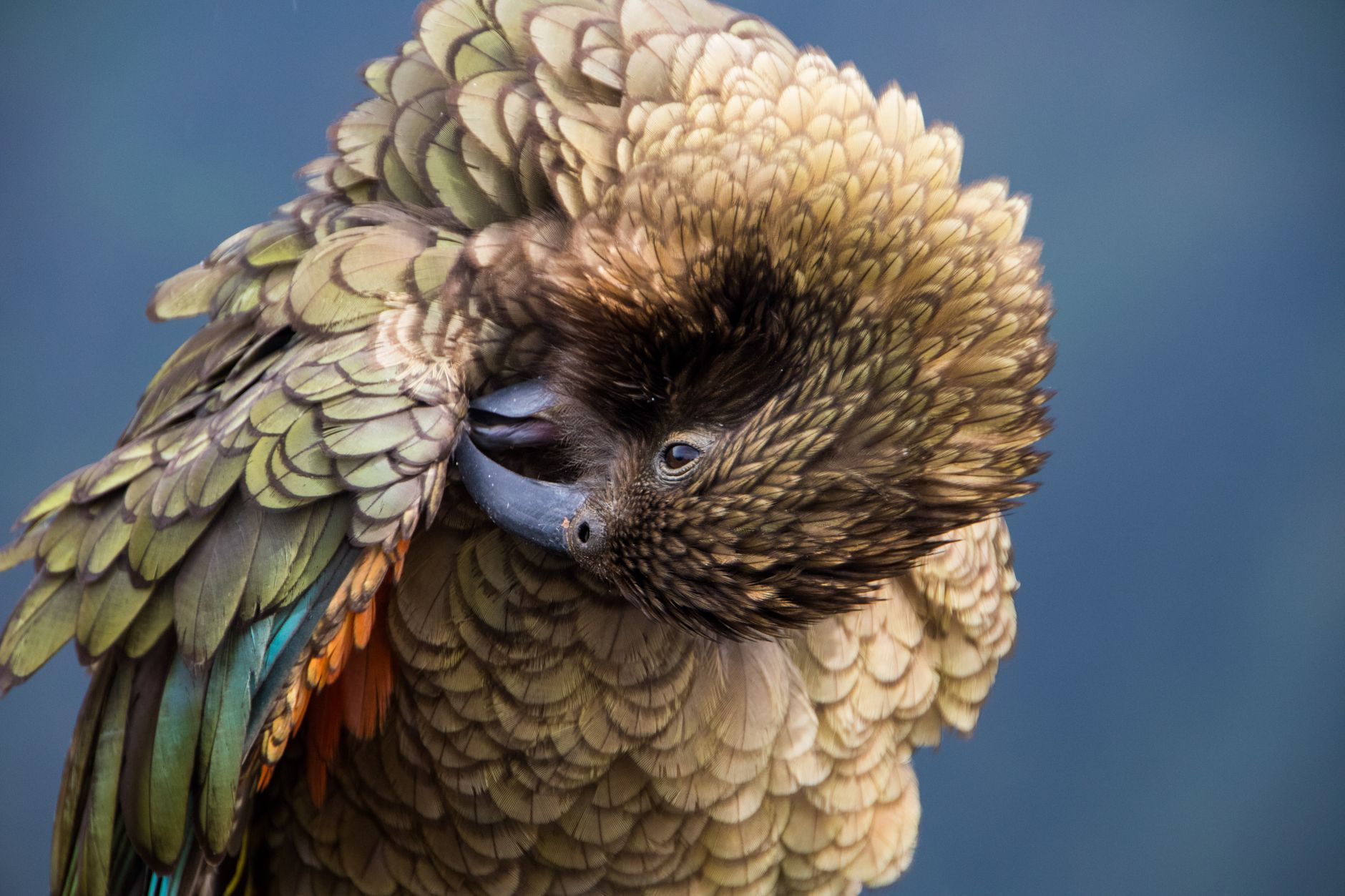
Understanding Bird Plucking Behavior: Is It Picking or Barbering?
The first step in addressing feather loss is distinguishing true plucking from other forms of feather damage, such as barbering. While both involve compromised plumage, the underlying mechanics, psychological roots, and medical implications differ significantly. Understanding the subtle nuances of these conditions allows caretakers to communicate more effectively with avian specialists and target the correct remediation strategies right from the start.
Feather picking occurs when a bird intentionally pulls, chews, or plucks its feathers down to the root and skin level, often leaving distinct bald patches on easily accessible areas such as the chest, under the wings, along the thighs, or down the lower neck. The head is almost always spared because the bird cannot physically reach those feathers with its beak without the help of a flock mate. In contrast, feather barbering is a chewing disorder where the bird clips, frays, or chews the vane of the feather without pulling it out by the root. This results in ragged, broken, or stubbly feathers that look like they have been trimmed with scissors, rather than completely bare skin. Barbering often stems from localized irritation, mild boredom, or hormonal frustration.
To understand this distinction fully, caretakers must observe the exact patterns and areas affected. For instance, species like African Greys, Cockatoos, and Eclectus parrots are historically more prone to deep feather plucking due to their intense emotional sensitivities and complex social requirements, whereas smaller hookbills such as Budgies or Lovebirds might occasionally engage in mild barbering when facing transient cage boredom or minor skin dryness. Recognizing whether the feather shaft is completely missing or merely severed helps your avian vet narrow down the diagnostic possibilities, guiding whether the primary focus should be on systemic medical diagnostics or immediate environmental enrichment and behavioral modification.
To help you keep track of your bird's overall wellness journey, you can utilize our New Pet Checklist to ensure all foundational care requirements are consistently met. Tracking these basics helps rule out basic husbandry gaps before moving into advanced behavioral modifications, ensuring that proper lighting, cage sizing, and daily routines are firmly established.
Phase 1: Rule Out Medical Causes With an Avian Veterinarian
Many well-meaning bird owners immediately assume bird plucking behavior is purely psychological, attributing it to boredom, jealousy, or stress. However, experienced avian veterinarians emphasize that you must rule out physiological illness first. Birds are classic prey animals that instinctually mask signs of weakness and illness until their bodies can no longer compensate. Pain, internal discomfort, or hormonal imbalances can manifest as obsessive preening, localized chewing, or direct feather removal as the bird attempts to soothe an internal ache it cannot otherwise scratch.
Common medical triggers for feather picking that require professional veterinary evaluation include:
- Nutritional Deficiencies: Inadequate diets lacking essential amino acids, calcium, vitamin A, or healthy fatty acids can make skin and feathers itchy, dry, and brittle, prompting the bird to pull at them for relief.
- Internal Pathogens: Bacterial or fungal skin infections, internal parasites, and organ dysfunctions (such as liver or kidney disease) create generalized discomfort and internal toxicity that prompts picking.
- Systemic Illness: Avian Borna Virus (ABV), Psittacine Beak and Feather Disease (PBFD), and hormonal surges related to the reproductive cycle can trigger intense skin irritation and abnormal feather growth patterns.
- Heavy Metal Toxicity: Ingestion of zinc or lead from galvanized cage bars, older painted toys, or household items causes severe systemic distress, neurological symptoms, and abnormal behaviors including self-mutilation.
- Folliculitis and Dermatitis: Inflammation of the feather follicles can make every preening motion painful, creating a vicious cycle of localized irritation, inflammation, and self-mutilation.
- Endocrine Disorders: Thyroid imbalances and other hormonal irregularities can drastically alter skin elasticity and feather shedding cycles, causing severe physical discomfort.
Your avian veterinarian will typically perform a comprehensive physical examination, complete blood panels, baseline biochemistry, fecal analysis for parasites, and sometimes skin scrapings, cytology, or radiographs to check for organomegaly or heavy metal densities. Never attempt to treat chronic bird plucking behavior without professional medical clearance, as treating a physiological illness with behavioral training alone will yield zero results and prolong your bird's suffering.
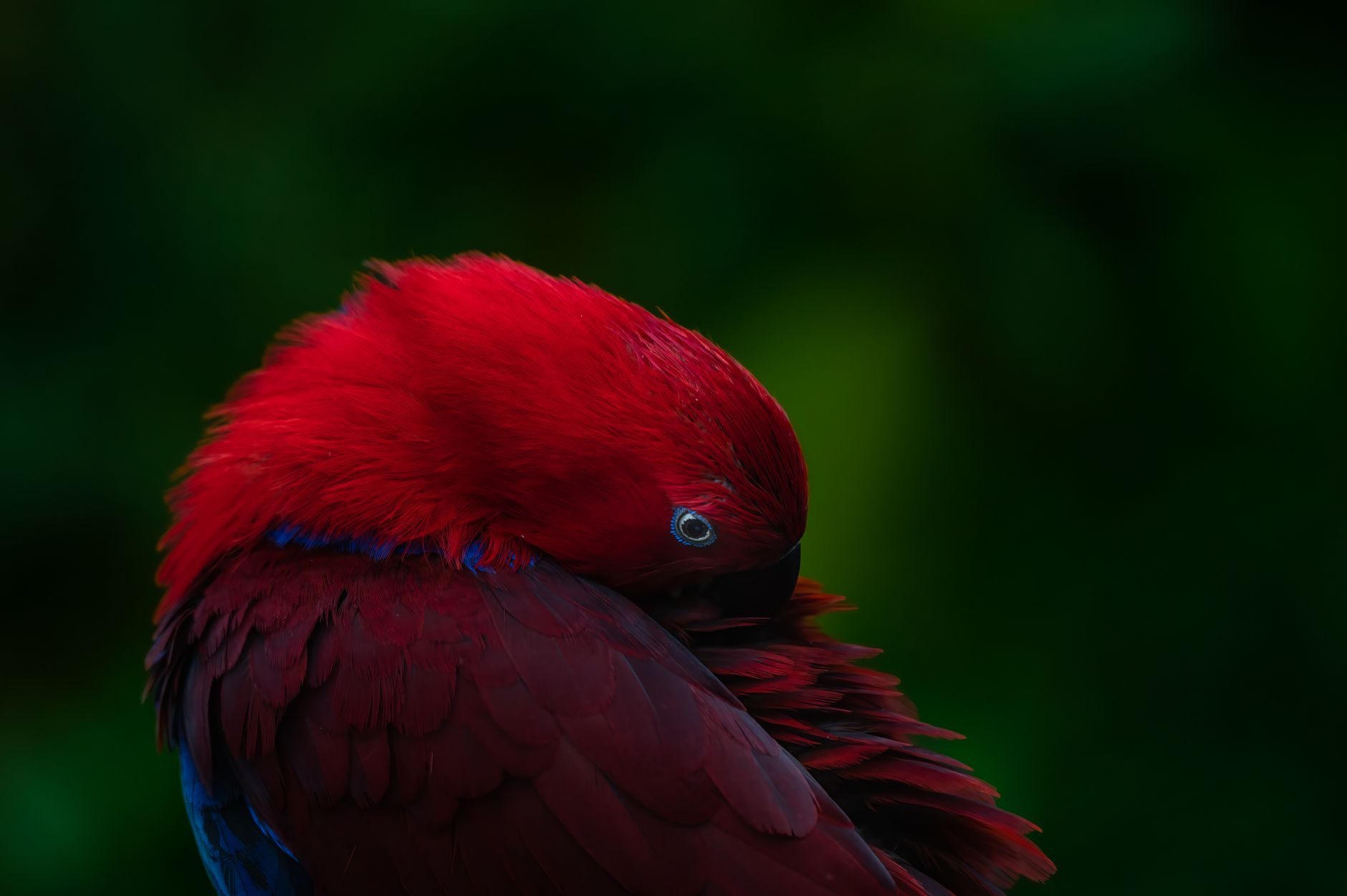
Phase 2: Evaluate Environmental Stressors and Cage Setup
If your avian vet has given your bird a clean bill of health, the root cause is likely environmental or psychological. Companion birds are highly intelligent, emotionally sensitive creatures that thrive on routine, mental stimulation, and a deep sense of security. Disruptions in their surroundings, unpredictable household schedules, or chronic sensory overload often trigger acute anxiety, which quickly converts into repetitive self-grooming and feather destruction.
Examine your bird's daily environment by evaluating the following critical factors:
- Sleep Schedules and Photoperiods: In the wild, parrots experience roughly 10 to 12 hours of uninterrupted darkness and quiet sleep aligned with natural tropical day-night cycles. Chronic sleep deprivation leads to irritability, immune suppression, stress, and subsequent feather plucking. Ensure your bird gets a strict 11 to 12 hours of dark, quiet rest every single night by covering the cage breathable material or moving the bird to a dedicated quiet sleeping room.
- Placement and Household Traffic: A cage placed in a high-traffic hallway, near a chaotic doorway, or directly in front of a drafty window can keep a bird in a constant state of hyper-vigilance. Conversely, isolating a bird in a dark, empty room deprives them of essential social interaction. Find a balanced location where the bird feels secure with its back against a wall yet included in family activities.
- Air Quality and Humidity: Parrots from tropical regions require adequate ambient humidity. Dry indoor heating or cooling systems can dry out avian skin, causing intense itching that leads to aggressive preening and plucking. Regular misting with pure water, humidifiers in the room, or supervised shallow baths can provide immense relief.
- Perch Variety and Ergonomics: Sub-optimal perching can cause foot discomfort, pressure sores, and arthritis, which ripples upward into full-body stress. Provide natural-wood perches of varying diameters and textures to keep feet healthy and prevent joint fatigue.
- Aversive Environmental Stimuli: Exposure to strong chemical fumes from non-stick cookware, aerosols, cigarette smoke, or loud, erratic noises can elevate stress hormone levels in sensitive birds, manifesting as feather damage.
To ensure your bird's overall environment supports mental wellness, you can explore the Pet Enrichment Idea Generator for creative inspiration tailored to keeping intelligent species mentally stimulated and physically active throughout the day.
Phase 3: Nutritional Upgrades and Dietary Enrichment
Dietary monotony is a silent trigger for behavioral issues in companion parrots. Many pet birds subsist on seed-heavy diets that lack balanced nutrition, contain excessive fats, and fail to satisfy their natural foraging instincts. In the wild, parrots spend a significant portion of their waking hours searching for, de-husking, cracking open, and processing a wide variety of foods across complex terrain. When food is simply dumped into an open bowl, this primal drive is frustrated, leaving hours of idle time that can be channeled into feather destruction.
Transforming your bird's diet requires patience, persistence, and creativity. If your bird currently eats seeds, you must transition them safely to a balanced pelleted base supplemented with fresh dark leafy greens, orange vegetables, sprouted seeds, legumes, and safe fruits. Foraging feeders can turn mealtime into an engaging mental puzzle, satisfying the brain's need for problem-solving and distracting them from destructive grooming habits. Try introducing vegetables in various forms—chopped finely, grated, hung from stainless steel skewers, or wedged into toy parts.
Species-specific dietary notes are also crucial for optimal metabolic function: Macaws often benefit from additional healthy fats like soaked nuts or palm oil to support feather sheen, while Lories and Lorikeets require specialized nectar diets and high-moisture foods to maintain optimal digestive health. Providing these tailored nutritional elements stabilizes mood, reduces skin inflammation, and supports healthy feather regeneration during molting seasons.
When introducing new foods or supplements, keeping accurate records of acceptance and intake is essential. You can consult the Pet Feeding Schedule Generator to organize consistent daily feeding times and monitor your bird's dietary intake effectively, ensuring balanced nutrition without overwhelming the bird with sudden changes.
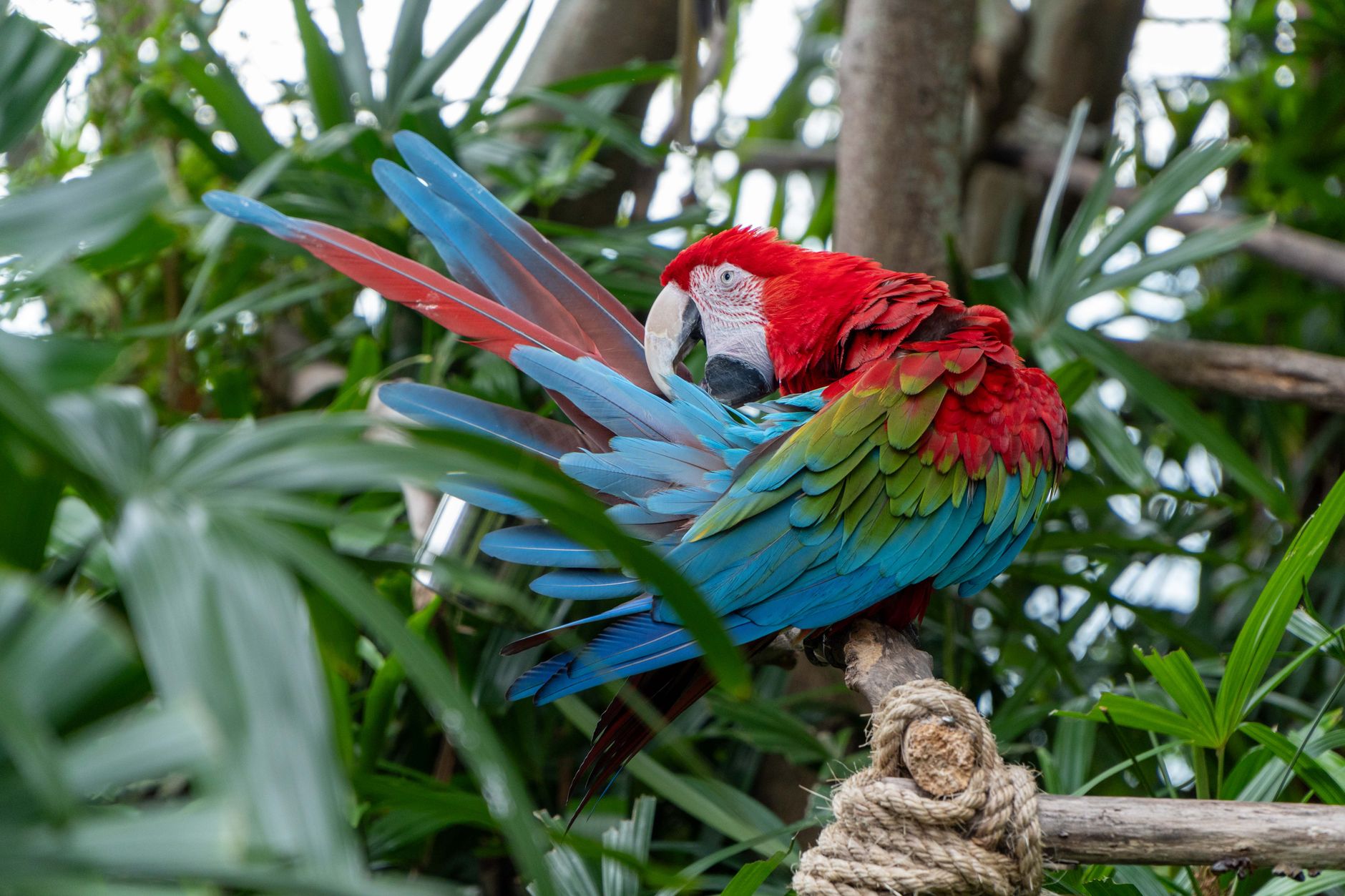
Phase 4: Mental Enrichment and Boredom Busting
An idle beak is a destructive beak. When companion birds lack adequate mental stimulation, their expansive intelligence turns inward. Over time, boredom breeds anxiety, and anxiety frequently manifests as bird plucking behavior. Parrots possess problem-solving capabilities comparable to intelligent mammals, meaning their minds require constant challenges, novel experiences, and purposeful work to remain balanced and content.
Implement these daily enrichment strategies to keep your bird mentally occupied and physically engaged:
- Destructible Toys: Provide toys made from natural wood, cardboard, seagrass, untreated leather, and paper that your bird is explicitly encouraged to shred and destroy. Chewing is a natural avian behavior that relieves physical tension and satisfies instinctual needs.
- Complex Foraging Opportunities: Hide favorite treats inside cardboard boxes, paper bags, puzzle toys, or woven mats so your bird has to work to uncover them. This mimics natural foraging behavior and reduces idle hours significantly.
- Out-of-Cage Time and Flight: Ensure your bird receives ample supervised out-of-cage time daily for flying, climbing, playing on a dedicated play gym, and interacting with human family members. Flight builds cardiovascular health and mental confidence.
- Auditory and Visual Stimulation: When you are away from home, leave gentle background noise like soft music, talk radio, or nature sounds on at a low volume to prevent unsettling silence. Window views of safe outdoor bird activity can also captivate a parrot's attention.
- Novelty Rotation: Rotate toys weekly to prevent habituation. Introducing a new puzzle or repositioning perches keeps the bird's curiosity engaged and prevents stagnant, obsessive routines from forming.
- Training and Skill Building: Engage in positive reinforcement clicker training sessions daily. Teaching simple behaviors like target touching, waving, or turning around strengthens the human-bird bond and stimulates cognitive function.
Common Mistakes to Avoid When Managing Feather Picking
Navigating feather destructive behavior is undeniably frustrating, and well-being-focused owners often make mistakes that inadvertently worsen the problem out of desperation. Avoid these common pitfalls to ensure your recovery plan moves forward:
- Punishing the Bird: Never yell, spray with water, or punish your bird for plucking. Because picking is often an anxiety-based response, punishment increases stress, damages trust, and exacerbates the behavior.
- Relying Solely on Elizabethan Collars: Plastic or fabric neck collars (cones) only treat the symptom, not the underlying cause. While they may prevent physical plucking temporarily, they often cause immense psychological distress, inhibit preening of unaffected areas, and do nothing to resolve why the bird feels compelled to pick. Use collars only as a last resort under veterinary supervision to allow severe skin wounds to heal.
- Ignoring Subtle Warning Signs: Do not wait until your bird is completely naked or bleeding to take action. Address minor over-preening, subtle feather damage, or localized chewing immediately before it becomes a deeply ingrained, lifelong habit.
- Making Abrupt Changes: Parrots are creatures of habit that find comfort in predictability. Introduce diet changes, new toys, or room rearrangements gradually to avoid triggering fear-based stress responses.
- Over-Handling Hormonal Birds: Petting a parrot on its back, under the wings, or near the tail can trigger reproductive hormones, leading to territorial frustration, aggression, and subsequent feather damage. Stick strictly to head and neck scratches.
- Inconsistent Routines: Changing feeding times, sleep schedules, and household interactions erratically keeps a sensitive bird in a constant state of uncertainty. Maintain a steady, predictable daily schedule.
Frequently Asked Questions
Frequently Asked Questions About Bird Plucking Behavior
Can a bird ever regrow its feathers after chronic plucking?
Yes, many birds can successfully regrow their feathers if the underlying medical or psychological cause is permanently resolved. However, if a bird has plucked for many years, the delicate feather follicles can become permanently scarred, fibrotic, or damaged, resulting in permanent bald spots or altered feather coloration even after the destructive behavior completely stops.
Is bird plucking behavior contagious to other birds in the household?
Feather plucking itself is not an infectious disease; however, it can function as a learned behavior. If one bird begins plucking due to stress or boredom, a sensitive companion bird observing the behavior may mimic it out of social copying, peer observation, or shared environmental stressors within the same room.
How long does it take to stop a parrot from feather picking?
There is no fixed timeline for recovery. If the cause is a simple nutritional deficiency or minor environmental stressor, resolution can happen within a few weeks of adjustment. If the behavior has deep psychological roots or has become a deeply ingrained stereotypic habit, management and rehabilitation can take many months or require lifelong environmental management.
Should I use anti-pluck sprays on my bird's feathers?
Bitter sprays designed to deter plucking are generally discouraged by avian specialists. While they taste bad, they do not address the root emotional or physical cause of the plucking, and some bitter chemical agents can be irritating, drying, or toxic to delicate avian skin if ingested in large quantities.
What is the difference between plucking and molting?
Molting is a natural, cyclical biological process where old, worn feathers push out and are replaced by new pin feathers symmetrically across the body, with no raw skin exposed. Plucking is asymmetrical, self-inflicted, often leaves raw or exposed skin, and happens completely outside normal seasonal molting periods.
When should I seek emergency veterinary care for a plucking bird?
You should seek immediate veterinary attention if your bird breaks the skin and causes active bleeding, mutilates muscle tissue, shows signs of severe lethargy, stops eating and drinking, or exhibits respiratory distress alongside feather loss.
Helpful PawPrintHub Tools
To support your ongoing pet care journey, explore these helpful tools designed to keep your bird healthy and happy:
Conclusion
Addressing bird plucking behavior requires a combination of patience, empathy, detective work, and unwavering dedication. Because feather destructive behavior is a complex symptom rather than a standalone diagnosis, long-term success depends on partnering closely with an avian veterinarian to rule out medical concerns while systematically enriching your bird's environment, upgrading its diet, and stabilizing its daily routine. By eliminating environmental stressors, providing ample foraging opportunities and mental stimulation, avoiding common management pitfalls, and approaching your pet with consistent, loving care, you can help your feathered companion find comfort, confidence, and vibrant plumage once again.
Support free pet guides and tools.
Buy Me a Coffee
Comments
Post a Comment