
How to Feed Bettas Properly: A Complete Nutritional and Portion Guide
Providing the right nutrition is one of the most impactful ways to ensure your aquatic companion lives a long, vibrant life. As strict carnivores, betta fish require a specialized diet rich in high-quality animal proteins rather than plant-based fillers. Master the fundamentals of portion control, feeding schedules, and food variety with this complete betta fish feeding guide designed to keep your finned friend healthy, active, and brilliantly colored throughout its entire lifespan.
Many aquarists underestimate how much proper diet influences not just coloration, but overall immune resilience, fin regeneration, and behavioral engagement. When a betta is properly nourished, its movements are deliberate and energetic, its colors remain deep and iridescent, and its fins display a pristine, undamaged finish. Conversely, poor nutrition manifests as faded pigmentation, clamped fins, lethargy, and a high susceptibility to common freshwater ailments such as fin rot, velvet, and secondary fungal infections.
Understanding the delicate balance between protein sources, vitamin supplementation, and caloric intake is essential for preventing long-term metabolic issues. Because captive bettas live in closed aquatic ecosystems without natural hunting opportunities, the responsibility for their nutritional completeness rests entirely on the hobbyist. By learning to read ingredient labels, implementing precise portion controls, and diversifying their menu with safe frozen and live alternatives, you can drastically enhance your pet's vitality and prevent preventable digestive disorders.
Understanding the Natural Diet of Betta Fish
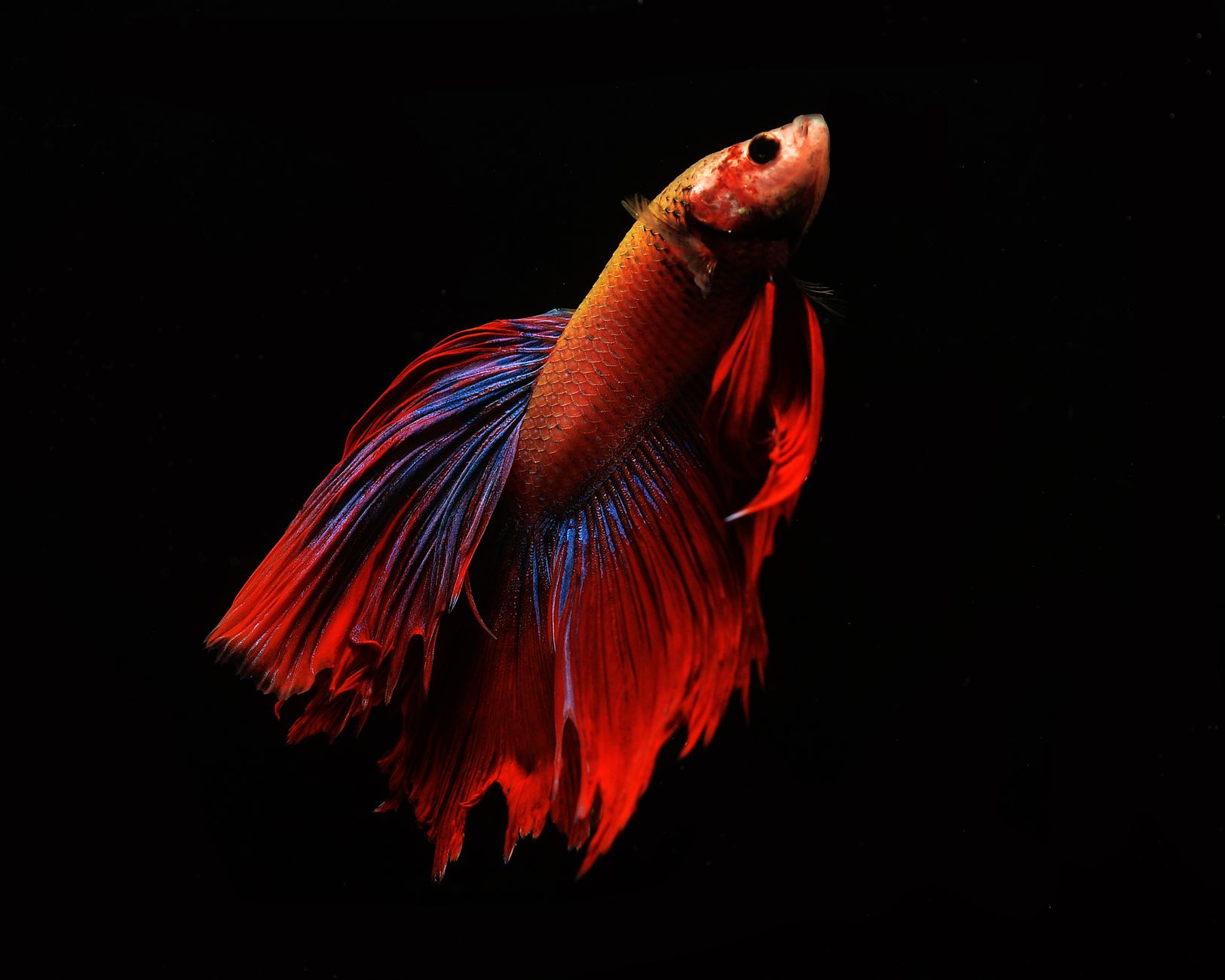
In the wild, Betta splendens inhabit shallow rice paddies, slow-moving streams, and floodplains across Southeast Asia. Their natural diet consists primarily of mosquito larvae, small aquatic insects, zooplankton, and various other protein-rich organisms that fall onto or inhabit the water surface. Because they are surface feeders with upturned mouths, their entire physical anatomy is optimized for hunting live prey from above rather than scavenging from the substrate or grazing on plant matter.
Captive bettas retain these exact biological requirements. Unlike community fish that may graze on algae or accept heavy plant matter, a proper diet for betta fish must focus heavily on animal protein. Feeding commercial flake food designed for general community tanks often leads to nutritional deficiencies, sluggish behavior, and poor coloration over time. Their digestive tracts are physically shorter and simpler than those of herbivorous or omnivorous fish, making them entirely unequipped to process complex carbohydrates, starches, and fibrous plant materials efficiently.
In their native environments, water parameters shift drastically between wet and dry seasons, forcing bettas to be opportunistic yet strictly carnivorous hunters. They consume foods high in moisture, crude protein, and essential fatty acids, while receiving virtually zero complex carbohydrates or plant fibers. Replicating this high-protein, low-carb nutritional profile in a home aquarium is the single most important step toward preventing digestive complications, such as chronic constipation and swim bladder dysfunction.
Furthermore, studying their natural foraging behavior highlights the importance of surface-oriented feeding. When introducing dry foods, keeping them buoyant ensures your betta can engage its natural predatory instincts. Understanding that they are visual hunters also means that visual movement and scent play massive roles in stimulating their appetite, which can be leveraged when transitioning stubborn individuals to new, healthier dietary options.
Choosing the Best Commercial Foods
When stocking your fish cabinet, prioritize high-quality betta pellets or specialized granules formulated specifically for carnivorous labyrinth fish. Read the ingredient list carefully before purchasing. The first two to three ingredients should always be whole protein sources, such as whole fish meal, krill, shrimp meal, or squid, rather than corn meal, wheat flour, or soy fillers. Cheap commercial fillers not only offer zero nutritional value for carnivorous fish, but they also swell up inside the digestive tract, creating blockages and polluting the water column with undigested waste.
Pellets come in two main varieties: floating and sinking. Floating pellets are generally preferred because bettas naturally look toward the surface for food. However, sinking pellets are fine as long as your betta actively searches for them on the substrate before they decay and foul the water. Always check the expiration date on your fish food containers, as opened flakes and pellets lose essential vitamins and nutritional value after just a few months of exposure to air, light, and humidity. Storing food in airtight containers in a cool, dark place helps preserve crucial vitamins like vitamin C and E.
When evaluating pellet size, ensure they are small enough for your betta to swallow comfortably. Large pellets can cause choking hazards or force the fish to bite off pieces, creating unnecessary waste. If your pellets are slightly too large, consider crushing them gently between your fingers or using a clean pill crusher before dispensing them into the aquarium. Additionally, soaking hard dry pellets in a small cup of tank water for 30 to 60 seconds before feeding softens them and prevents them from expanding inside the betta's stomach, drastically reducing bloating risks.
It is also wise to maintain rotation between two or three different high-grade pellet brands to ensure your fish receives a diverse spectrum of vitamins and trace minerals. Relying on a single brand, even a premium one, can occasionally lead to subtle nutritional gaps over a multi-year lifespan.
Incorporating Frozen and Live Foods for Variety
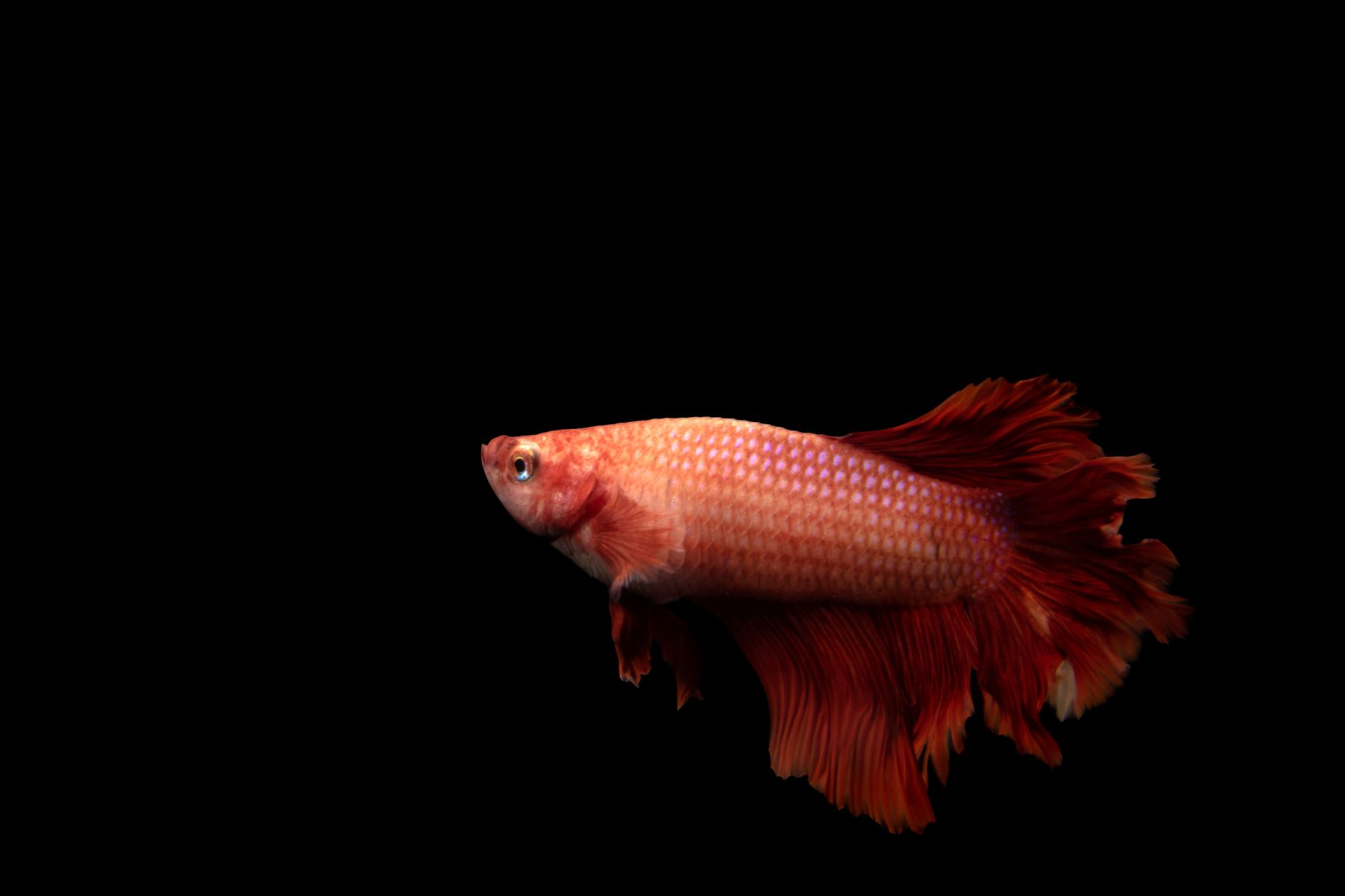
A varied diet is the secret to bringing out the brilliant metallic sheens and deep reds, blues, and yellows in your betta. Relying exclusively on dry pellets can become monotonous and may sometimes contribute to digestive issues like constipation. Introduce frozen foods two to three times a week to mimic their natural foraging habits and provide essential moisture and lipids.
- Bloodworms: Highly palatable and rich in protein, bloodworms should be treated as an occasional snack or reward rather than a staple food due to their high fat content, which can lead to fatty liver changes and obesity if overfed.
- Brine Shrimp: Excellent for digestion and packed with beneficial roughage and nutrients. Both live and frozen baby brine shrimp are readily accepted by almost all bettas and promote healthy gut motility.
- Daphnia: These tiny freshwater crustaceans act as a natural laxative, making them exceptionally helpful if you notice your betta looking slightly bloated or constipated after heavy feeding days.
- Mysis Shrimp: A fantastic high-protein alternative to bloodworms that provides great structural variety in texture and helps satisfy their predatory instincts while delivering robust amino acid profiles.
- Mosquito Larvae: If sourced safely from clean, captive-bred cultures, live mosquito larvae are the ultimate natural treat that instantly triggers active hunting behavior.
When feeding frozen foods, always thaw a tiny portion in a small cup of aquarium water before feeding. Never drop frozen blocks directly into the tank, as the sudden drop in temperature can stress the fish or cause shock, and concentrated frozen chunks are difficult for a single betta to consume cleanly. Use an aquarium pipette or clean tweezers to target-feed individual pieces directly to your pet.
While live foods offer unmatched nutritional enrichment and behavioral stimulation, they carry a slight risk of introducing parasites or bacterial pathogens if obtained from questionable outdoor sources. Always source live cultures from reputable local fish stores or culture them yourself in controlled indoor environments to guarantee absolute biological safety.
Establishing a Consistent Feeding Schedule
Consistency is key when caring for freshwater aquarium fish. Establishing a predictable daily routine helps regulate their metabolism, supports stable digestion, and keeps water parameters stable by preventing leftover food accumulation and subsequent ammonia spikes.
Most adult bettas thrive on being fed once or twice daily. If you choose a twice-daily schedule, offer very small portions during each feeding. For example, give one or two pellets in the morning and one or two pellets in the evening. Alternatively, a single daily feeding of two to three pellets combined with a weekly fasting day works exceptionally well for adult maintenance and long-term weight management.
Juvenile bettas, which are still growing rapidly, require more frequent feedings—typically two to three small meals per day consisting of finely crushed high-protein foods, micro-worms, or newly hatched brine shrimp to support their rapid skeletal, fin, and muscular development. Because juveniles have higher metabolic demands, fasting is not recommended for growing fish under six months of age.
Older or senior bettas may require softer, highly digestible foods (such as de-shelled boiled peas on rare occasions for fiber, or soft frozen daphnia) and slightly reduced portions as their metabolic rate slows down with age. Adjusting feeding routines based on life stage ensures your betta receives optimal nutrition from youth all the way through its senior years.
Portion Control and Avoiding Overfeeding Mistakes
One of the most common mistakes novice aquarists make is overfeeding. A betta's stomach is roughly the size of its eye. This simple biological fact reveals just how little food they actually need to sustain themselves and maintain a healthy weight.
Overfeeding is dangerous for several reasons:
- Digestive Blockages: Excess food expands inside the digestive tract, leading to severe constipation, buoyancy disorders, and swim bladder issues that make swimming upright difficult or impossible.
- Water Quality Degradation: Uneaten food sinks to the bottom of the tank, decomposing and releasing harmful ammonia, nitrites, and nitrates that threaten the overall stability of your freshwater aquarium care routine.
- Obesity: Just like terrestrial pets, overweight fish experience shortened lifespans, sluggishness, fatty liver disease, and reduced immune function over time.
- Algae Blooms: Excess nutrients dissolved in the water column act as fertilizer for unwanted green water, hair algae, and biofilm proliferation.
As a golden rule, only feed what your betta can completely consume within two minutes. Anything left floating after this window should be gently removed using an aquarium pipette or net. If you notice your betta leaving food behind consistently, it is a clear indicator that your portion sizes are too large or the food is no longer palatable.
Furthermore, avoid feeding your betta right before turning off the tank lights for the night. Fish need time to digest their meals while their metabolic rate is fully active in well-lit environments. Feeding right before darkness can lead to incomplete digestion and increased bloat risk overnight.
Species-Specific Feeding Routines and Behavioral Observations
Observing your betta during feeding time is the best way to catch early signs of illness, stress, or environmental discomfort. Healthy bettas will exhibit immediate excitement, flaring slightly, swimming eagerly toward the surface, and tracking movement as soon as the container is opened or fingers approach the water line.
If your betta ignores food entirely, spits it back out repeatedly, or hangs listlessly near the bottom of the tank, it may indicate poor water quality, incorrect heater temperature (bettas require tropical temperatures between 76°F and 82°F), or underlying disease. Appetite loss is often the very first symptom of systemic illness, making daily feeding observations a crucial diagnostic habit.
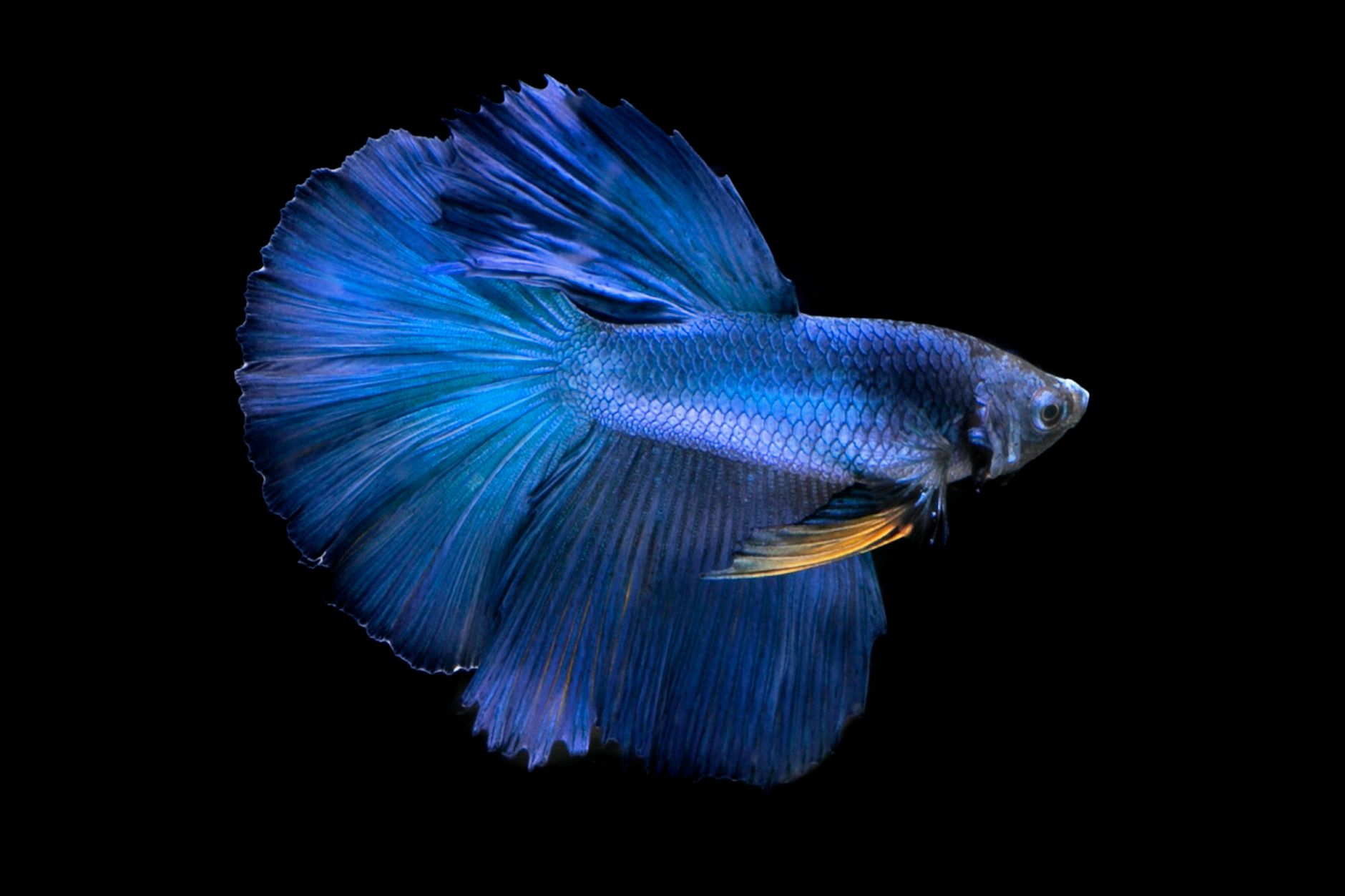
When keeping veil-tails, crowntails, halfmoons, or plakat bettas, keep in mind that heavily finned varieties (such as halfmoons and rose-tails) expend more physical energy swimming against water drag due to their massive finnage. They may require slightly more calorie-dense food than short-finned plakats or wild-type species. However, portion limits must still be strictly enforced regardless of fin type to avoid chronic bloating and swim bladder stress.
If housing your betta in a heavily planted nano tank with other micro-invertebrates like cherry shrimp or nerite snails, monitor closely to ensure the betta is not secretly hunting and overeating tiny shrimplets, which can also throw off their calculated daily caloric intake.

The Importance of Fasting Days
Incorporating one dedicated fasting day per week is a widely recommended practice among experienced aquarists and professional breeders. Giving your betta a 24-hour break from eating allows their digestive system to clear out completely, significantly lowering the risk of bloating, constipation, and swim bladder inflammation. Your betta will not suffer, starve, or experience harm during this period; in nature, fish frequently experience natural gaps between successful hunts due to environmental fluctuations.
Use your fasting day to perform routine tank maintenance, such as wiping down aquarium glass, testing water parameters with a liquid test kit, or executing a partial water change (20% to 30%). This establishes a predictable weekly rhythm for both you and your pet, reducing stress and keeping the aquatic habitat pristine.
On fasting days, resist the temptation to drop in extra food if your fish begs or swims excitedly near the glass. Bettas are notoriously opportunistic eaters and will readily act as though they are starving even when their nutritional needs are fully satisfied. Trust the schedule rather than the fish's persistent begging behavior.
Step-by-Step Guide to Introducing New Foods
Transitioning a stubborn betta from low-quality flakes or a single boring pellet brand to premium pellets or frozen foods requires patience, strategy, and gradual acclimation:
- Mix and Match: Combine a tiny fragment of the new food with their familiar food so they recognize it as edible matter through scent and taste association.
- Use Garlic Extract: Soak new pellets or frozen foods in pure garlic juice (garlic guard) for a few minutes before feeding; the natural scent strongly stimulates feeding responses in reluctant or picky fish.
- Reduce Competition: If housed in a community tank (though solo housing in a dedicated aquarium is strongly recommended), feed your betta in a designated feeding ring or use a pipette to ensure tankmates do not steal the new food.
- Simulate Movement: Gently move the food around on the water surface using a clean skewer or pipette to mimic live prey, triggering their predatory striking reflex.
- Remove Refusals: If the food remains untouched after three minutes, siphon it out immediately using airline tubing to avoid fouling the water parameters.
Patience is essential during dietary transitions. Some stubborn bettas may take up to two or three days to accept a new food type, but persistence paired with the garlic-soaking method almost always yields success.
Educational Health Disclaimer
Disclaimer: The nutritional guidance, feeding schedules, and care strategies presented in this article are for educational purposes only and should not replace professional veterinary advice. If your fish displays persistent signs of severe illness, abnormal swelling, loss of equilibrium, or infectious disease, consult an aquatic veterinarian or experienced fish health specialist immediately.
Frequently Asked Questions
How many pellets should I feed my betta fish daily?
Adult bettas typically need only two to three high-quality pellets per feeding, given once or twice a day. Always match the total amount to roughly the size of the fish's eye to prevent overfeeding and digestive complications.
Can I feed my betta fish tropical fish flakes?
While bettas may occasionally nibble on tropical flakes, they are not nutritionally optimized for strict carnivores. Bettas need higher protein formulations specifically tailored for their carnivorous dietary needs and short digestive tracts.
What should I do if my betta refuses to eat?
Check your water parameters and heater temperature first, as cold or dirty water causes lethargy and loss of appetite. Try offering a highly enticing food like frozen bloodworms or brine shrimp soaked in garlic to stimulate interest.
Are live foods safe for betta fish?
Live foods are generally safe and highly nutritious, but they can occasionally carry parasites or bacteria if sourced from unverified outdoor suppliers. Always purchase live cultures from reputable fish stores or culture them indoors.
Why is my betta fish swimming sideways or sinking?
Difficulty swimming is often related to swim bladder dysfunction, frequently caused by overfeeding, low water temperatures, or constipation. Implementing a 24-hour fasting period often resolves minor buoyancy issues.
How can I tell if my betta is getting too fat?
An overweight betta will look noticeably round or bulging around the belly area when viewed from above. If you notice persistent abdominal rounding, reduce feeding portions immediately and introduce a weekly fasting day.
How long can a betta fish go without food?
Healthy adult bettas can easily go up to 10 to 14 days without food during emergencies or vacations, provided they are in good health and water parameters are stable. However, fasting should never be done intentionally for extended periods.
Should I soak betta pellets before feeding?
Soaking hard dry pellets in a small cup of tank water for 30 to 60 seconds before feeding softens them and prevents them from expanding inside the betta's stomach, drastically reducing bloating risks.
Helpful PawPrintHub Tools
Managing your aquarium setup and keeping track of feeding routines is easier with the right digital utilities. Explore our helpful interactive resources designed for pet owners:
- Aquarium Volume Calculator - Calculate total water capacity and stocking requirements accurately.
- Pet Name Generator - Find the ideal moniker for your new aquatic pet.
- New Pet Checklist - Ensure you have all necessary supplies ready before bringing your animal home.
Support free pet guides and tools.
Buy Me a Coffee
Comments
Post a Comment