
Dog Feeding Schedules: How to Establish a Healthy Routine for Your Canine
When it comes to caring for your canine companion, consistency is just as important as the quality of the food in their bowl. Many pet parents focus entirely on ingredients, protein percentages, and brand names, yet overlook the profound impact that structured dog feeding schedules can have on overall health. A predictable routine regulates digestion, supports stable energy levels, curbs unwanted begging behaviors, and makes weight management remarkably straightforward. Whether you have an energetic puppy requiring frequent small meals or an adult dog settling into a calm rhythm, mastering the art of meal timing transforms everyday care and deepens the bond you share with your pet.
Establishing this daily framework requires understanding more than just when to put the bowl down. It involves recognizing how canine biology responds to anticipation, how exercise intersects with digestion, and how multi-pet dynamics influence food security. By approaching mealtimes with intention, you create a harmonious household where your dog feels secure, well-nourished, and emotionally balanced.

Why Structured Dog Feeding Schedules Matter for Canine Health
Dogs are creatures of habit. In the wild, canids rarely experience true random access to food; instead, their physiology adapted to intermittent, anticipated meals followed by periods of rest and activity. Domestic dogs thrive under this exact psychological and biological blueprint. When you implement consistent dog feeding schedules, your dog's gastrointestinal tract learns to anticipate the influx of nutrients, optimizing enzyme production and hydrochloric acid release. This predictability significantly reduces the incidence of gastrointestinal upsets, excessive gas, and erratic bowel movements, paving the way for superior nutrient absorption.
Beyond digestion, routine meal times act as an anchor for your dog's entire day. Dogs use the rhythm of waking, eating, exercising, and resting to orient themselves in their environment. When meals appear at erratic hours, anxiety can spike, leading to counter-surfing, relentless kitchen hovering, and food aggression. Conversely, knowing that food arrives reliably at specific times teaches emotional regulation and patience. Your dog stops viewing every human meal as a potential resource and starts relaxing during off-hours, knowing their own nutritional needs are fully guaranteed by a dependable caregiver.
Furthermore, structured routines provide invaluable data points for monitoring health. When meals are served at exact times in measurable quantities, any subtle shift in appetite becomes immediately apparent. In contrast, when food is left sitting out all day, a developing dental issue, mild systemic illness, or creeping lethargy might go unnoticed for days until more severe symptoms emerge.
Determining the Right Feeding Frequency by Age and Life Stage
Not all dogs require the same number of meals per day. An optimal routine shifts dramatically as a puppy grows into an adult and eventually enters their senior years. Tailoring your approach to their current biological needs is essential for long-term vitality, sustained joint health, and proper metabolic function.
Puppies: High Frequency and Growth Support
Puppies have lightning-fast metabolisms and tiny stomach capacities, meaning they cannot process large volumes of food in a single sitting without overloading their immature digestive tracts. For very young puppies aged eight to twelve weeks, four meals a day is standard. As they approach four to six months, this frequency typically drops to three meals daily. Dividing their daily nutritional requirements into multiple portions prevents dangerous drops in blood sugar (hypoglycemia) and ensures steady, uninterrupted energy for intense growth phases. You can easily calculate appropriate quantities using our Pet Food Portion Calculator to ensure your growing puppy gets precisely what they need.
As puppies mature past the six-month mark, their stomach capacity expands, allowing for a transition toward adult meal frequencies. However, rushing this transition can lead to digestive distress or frantic eating habits. Maintaining a measured, predictable pace during puppyhood sets the foundation for lifelong healthy eating behavior.
Adult Dogs: Consistency and Twice-Daily Meals
Once a dog reaches skeletal maturity—usually between twelve and eighteen months depending on the breed and size—transitioning to adult dog feeding schedules becomes appropriate. For the vast majority of adult dogs, feeding twice daily—once in the morning and once in the evening—is the gold standard. This split-meal approach prevents the stomach from becoming overly distended, which is a major risk factor for dangerous, life-threatening conditions like gastric dilatation-volvulus (bloat), particularly in deep-chested breeds such as Great Danes, Standard Poodles, and German Shepherds.
Furthermore, two meals a day keep blood sugar stable and prevent the intense hunger pangs that drive undesirable grazing or scavenging behaviors. A morning meal provides fuel for daytime activities and training sessions, while the evening meal helps your dog relax and settle down for the night.
Senior Dogs: Special Adjustments
As dogs age, their metabolic rate slows down, and their overall activity levels often decrease. While the twice-daily feeding schedule usually remains ideal, the caloric density and portion sizes must be adjusted proactively to prevent unwanted weight gain, which places undue stress on aging joints. If your senior dog experiences dental sensitivity, mild digestive sluggishness, or a reduced sense of smell that dampens their appetite, splitting their food into three smaller, warmed meals can make digestion much easier and stimulate their interest in eating.
Organizing these senior routines alongside modified exercise plans is simple when you map out a balanced day with the Pet Feeding Schedule Generator. Keeping a close eye on body condition scores ensures your older companion maintains optimal muscle mass without carrying excess fat.

Free Feeding Versus Scheduled Feeding: Pros and Cons
Many first-time owners are tempted by free feeding—leaving a bowl full of kibble out all day for the dog to graze on whenever they please. While this method requires minimal effort from the pet parent, it comes with significant physiological, behavioral, and household drawbacks that outweigh its initial convenience.
With free feeding, it is nearly impossible to monitor changes in appetite accurately. If your dog suddenly stops eating due to internal pain or starts eating twice as much due to a metabolic imbalance, you might not notice until days later when secondary symptoms appear. In multi-pet households, free feeding invariably leads to resource guarding, stress, and unequal food distribution, where one dominant pet consumes the majority while more timid pets go undernourished.
Additionally, free feeding frequently contributes to canine obesity, as many dogs lack the internal satiety cue to stop eating when food is infinitely accessible. Boredom eating becomes common, turning dry kibble into a mindless snack rather than a valued resource.
Scheduled feeding, by contrast, gives you absolute control over your dog's nutrition. You know instantly if your dog refuses a meal, allowing you to monitor health changes immediately. It also strengthens the human-animal bond because you become the direct, reliable provider of essential resources. If you are coordinating routines across multiple family members, keeping track of dietary needs and preferences can be streamlined using tools like the Pet ID Card Generator to clearly display dietary restrictions, allergies, and scheduled meal times for everyone in the home.
Step-by-Step Guide to Establishing Your Dog's Daily Schedule
Transitioning from a chaotic feeding routine to a structured schedule requires patience, consistency, and clear communication among household members. Follow these practical steps to make the shift seamless for both you and your canine companion.
Step 1: Determine the Daily Caloric Target
Consult a veterinary professional or utilize reliable nutritional formulas to calculate your dog's exact daily calorie requirements based on their weight, ideal body condition score, neuter status, and activity level. Avoid guessing based on bag instructions alone, as commercial guidelines often overestimate energy needs for sedentary indoor pets, making overfeeding a primary driver of canine joint and metabolic disorders.
Step 2: Split Meals and Set Anchor Times
Divide the total daily food amount into two equal portions for adult dogs. Choose two consistent anchor times—for example, 7:00 AM and 6:00 PM. Try to keep these times within a strict thirty-minute window every single day, including weekends. Biological clocks are remarkably accurate, and your dog will soon begin releasing digestive enzymes precisely when those anchor times approach.
Step 3: Implement the 15-Minute Rule
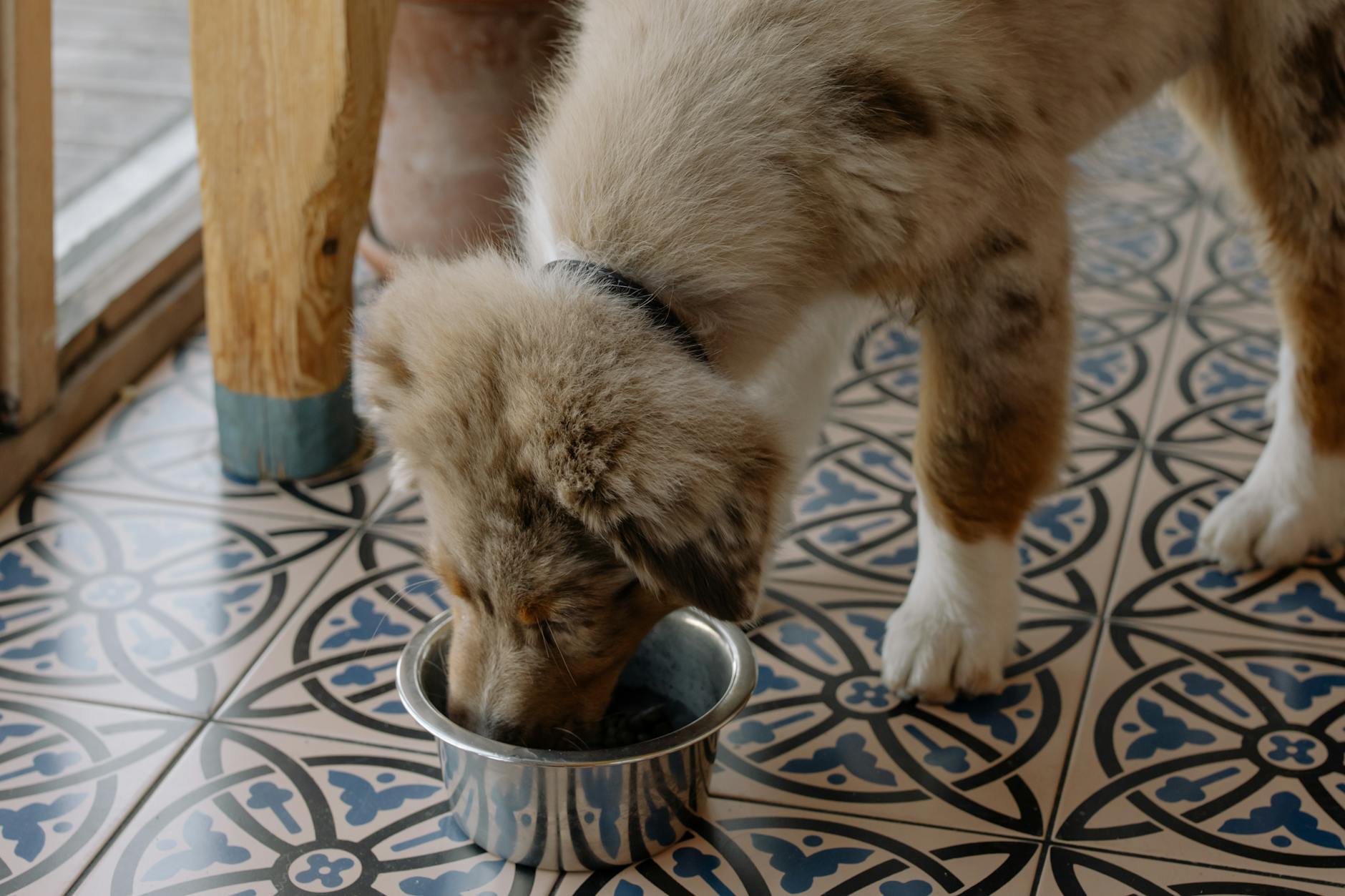
Place the food bowl down and allow your dog fifteen minutes to eat. If they walk away or finish, pick up the bowl immediately, regardless of whether food remains. This teaches your dog that food is not perpetually available and encourages them to eat when meals are served rather than picking lazily throughout the day. Do not leave uneaten food sitting out, as it attracts pests, collects dust, and loses its aromatic appeal.
Step 4: Pair Feeding with Routine Activities
Anchor feeding times to natural daily events. Feeding your dog immediately after a morning walk or bathroom break reinforces a calm, structured sequence of events: work, reward, rest. Avoid feeding immediately before or after vigorous physical exercise, running, or rough play to reduce the risk of digestive distress or dangerous bloating.
Common Mistakes to Avoid in Dog Feeding Routines
Even with the best intentions, pet parents often fall into habits that undermine their dog's nutritional well-being and behavioral stability. Avoiding these common pitfalls ensures your schedule remains effective and your dog stays healthy.
- Inconsistent Timing: Feeding at 7:00 AM one day and 11:00 AM the next confuses your dog's digestive system, triggers anxiety-based begging, and leads to erratic bowel habits.
- Giving in to Begging: Offering table scraps, cheese cubes, or extra treats outside designated meal times teaches your dog that persistence pays off, destroying the discipline built by your structured schedule.
- Ignoring Treat Calories: Treats should never exceed ten percent of your dog's daily caloric intake. If you train heavily with treats throughout the day, reduce their main meal portions accordingly to prevent creeping weight gain.
- Forgetting Hydration Access: While food should be strictly scheduled, fresh, clean water must remain available at all times. Never restrict water around meal times unless specifically advised by a veterinary professional for a medical procedure.
- Allowing Multi-Pet Competition: Feeding dogs in the same room without physical barriers can trigger severe resource guarding. Always feed multi-dog households in separate, quiet areas.

Managing Feeding Schedules in Multi-Dog Households
Feeding multiple dogs introduces a layer of complexity that requires careful management. In a multi-dog household, even the best-behaved pets can experience tension around food resources. Dominant dogs may attempt to bully more submissive housemates, leading to stress-induced rapid eating for one and anxiety-induced starvation for the other.
To prevent these issues, establish separate feeding stations in different rooms or behind baby gates. This allows each dog to eat at their own pace without feeling rushed or threatened. If dogs require different formulas—such as a senior diet for one and a high-energy puppy formula for another—separate feeding areas ensure no one consumes the wrong nutritional profile. Supervise all meal times closely, and pick up all bowls simultaneously once the fifteen-minute feeding window closes.
Educational Disclaimer: The information provided in this article is for educational and informational purposes only and does not constitute veterinary medical advice. Every dog has unique metabolic, genetic, and health needs. Always consult a qualified veterinarian before making major changes to your dog's diet, feeding frequency, or health care routine.
Frequently Asked Questions
What is the best time of day to feed an adult dog?
The best time is generally twice a day: once in the morning around your wake-up routine and once in the evening several hours before bedtime. Consistency matters more than the exact hour, so pick times that match your daily lifestyle and stick to them daily.
Should I feed my dog before or after a walk?
It is generally safer to feed your dog after a walk or strenuous exercise. Feeding immediately before intense physical activity significantly increases the risk of dangerous gastric torsion (bloat), particularly in large, deep-chested breeds.
How long should I leave the food bowl down?
Implement the 15-minute rule. Put the bowl down for fifteen minutes, and if your dog does not finish, pick it up until the next scheduled mealtime. This encourages good eating habits and prevents grazing.
Can I mix wet and dry food in the same schedule?
Yes, combining wet and dry food is a great way to add palatability, variety, and hydration. Just ensure you calculate the combined caloric value of both foods so you do not accidentally overfeed your dog.
What should I do if my dog refuses a scheduled meal?
If your dog skips a single meal but acts completely normal, alert, and energetic, it is usually nothing to worry about. However, if they refuse food for more than twenty-four hours, or show signs of lethargy, vomiting, and discomfort, consult a veterinarian promptly.
Helpful PawPrintHub Tools
To make managing your canine companion's daily routine effortless, explore our specialized interactive tools designed to support responsible pet ownership:
- Pet Food Portion Calculator - Quickly determine exact meal portions tailored to your dog's weight and activity level.
- Pet Feeding Schedule Generator - Build a customized daily feeding timetable that fits your household routine.
- Dog Exercise Planner - Coordinate your dog's physical activity safely around their meal times.
Conclusion
Establishing reliable dog feeding schedules is one of the simplest yet most impactful investments you can make in your pet's long-term health, happiness, and behavioral stability. By moving away from erratic free feeding and embracing a structured routine tailored to your dog's age, breed, and lifestyle, you support optimal digestion, prevent behavioral anxiety, and maintain ideal weight control. Combine consistent meal times with portion awareness, avoid common pitfalls like irregular timing or unmonitored treats, and you will enjoy a calmer, healthier, and more satisfied canine companion for years to come.
Support free pet guides and tools.
Buy Me a Coffee
Comments
Post a Comment