
What to Feed a Dog With a Sensitive Stomach: 12 Gentle Diet Tips
If your dog often develops gas, loose stools, vomiting, or digestive discomfort after eating, choosing food can feel surprisingly difficult. The answer to what to feed a dog with a sensitive stomach is not one magic ingredient. The best diet depends on the cause of the digestive problem, your dog's age and health, and how well they tolerate specific proteins, fats, fibers, and treats.
A simple, consistent feeding routine can make it easier to identify foods your dog tolerates well. Photo: Pexels.
This dog nutrition guide explains how to choose easy-to-digest dog food for sensitive stomachs, what ingredients to discuss with your veterinarian, how to switch foods gradually, when a short-term bland diet may be appropriate, and which common feeding mistakes can make digestive problems worse.
- Rule out a medical cause first
- Choose a complete and balanced diet
- Look for digestible protein
- Pay attention to fat content
- Consider useful fiber sources
- Keep treats and table scraps simple
- Change dog food gradually
- Use bland food only when appropriate
- Be careful with homemade diets
- Consider probiotics with veterinary guidance
- Keep a food and symptom diary
- Feed a consistent routine
What Does a Sensitive Stomach in Dogs Look Like?
Dog owners commonly use the phrase "sensitive stomach" for mild or recurring digestive problems. Signs may include occasional vomiting, soft stool, diarrhea, excess gas, reduced appetite, or digestive upset after a food change. However, these symptoms have many possible causes, so it is important not to assume that the food bowl is always the problem.
Parasites, infections, eating trash, sudden diet changes, food intolerance, pancreatitis, intestinal disease, or other medical conditions can also cause gastrointestinal symptoms. If digestive problems are recurring, severe, or new, talk with your veterinarian before trying several foods on your own.
1. Start With a Complete and Balanced Dog Food
For most healthy dogs, the safest long-term foundation is a food formulated to be complete and balanced for the dog's life stage. This matters even more when searching for the best dog food for sensitive stomach and diarrhea, because removing ingredients without replacing their nutrients can create a diet that looks healthy but is nutritionally incomplete.
Check the label for the nutritional adequacy statement and make sure the food is appropriate for your dog, such as puppy, adult maintenance, or another life stage recommended by your veterinarian.
2. Look for a Protein Your Dog Digests Well
Some dogs appear to tolerate one protein source better than another. Chicken, turkey, beef, lamb, fish, and other proteins can all appear in dog foods, but there is no universal "best protein for dogs with sensitive stomachs."
If your veterinarian suspects a food sensitivity, they may recommend a carefully controlled food trial. During a proper trial, extra treats and table scraps can make the results harder to interpret, so consistency is important.
Do not switch proteins every few days. Frequent changes can make it difficult to identify what your dog actually tolerates.
3. Consider the Fat Content
Very rich or fatty foods can be difficult for some dogs to tolerate. Dogs that develop loose stool or digestive upset after fatty treats, greasy leftovers, or sudden diet changes may do better when unnecessary high-fat extras are removed.
If your veterinarian recommends comparing diets, look at the guaranteed analysis and feeding information rather than judging the food only by its front label. Dogs with certain medical conditions may need a specifically formulated diet, so do not dramatically reduce fat without professional guidance.

4. Fiber Can Help, but the Right Amount Matters
Fiber affects stool quality and gut function. Ingredients such as beet pulp, psyllium, or other soluble and insoluble fibers may appear in foods formulated for digestive support. However, more fiber is not automatically better.
For owners searching best fiber for dogs with sensitive stomachs, the useful amount depends on the individual dog and the cause of the digestive problem. Ask your veterinarian before adding concentrated fiber supplements, especially if your dog is already eating a complete diet.
Reading the full food label is more useful than relying only on front-of-bag claims. Photo: Pexels.
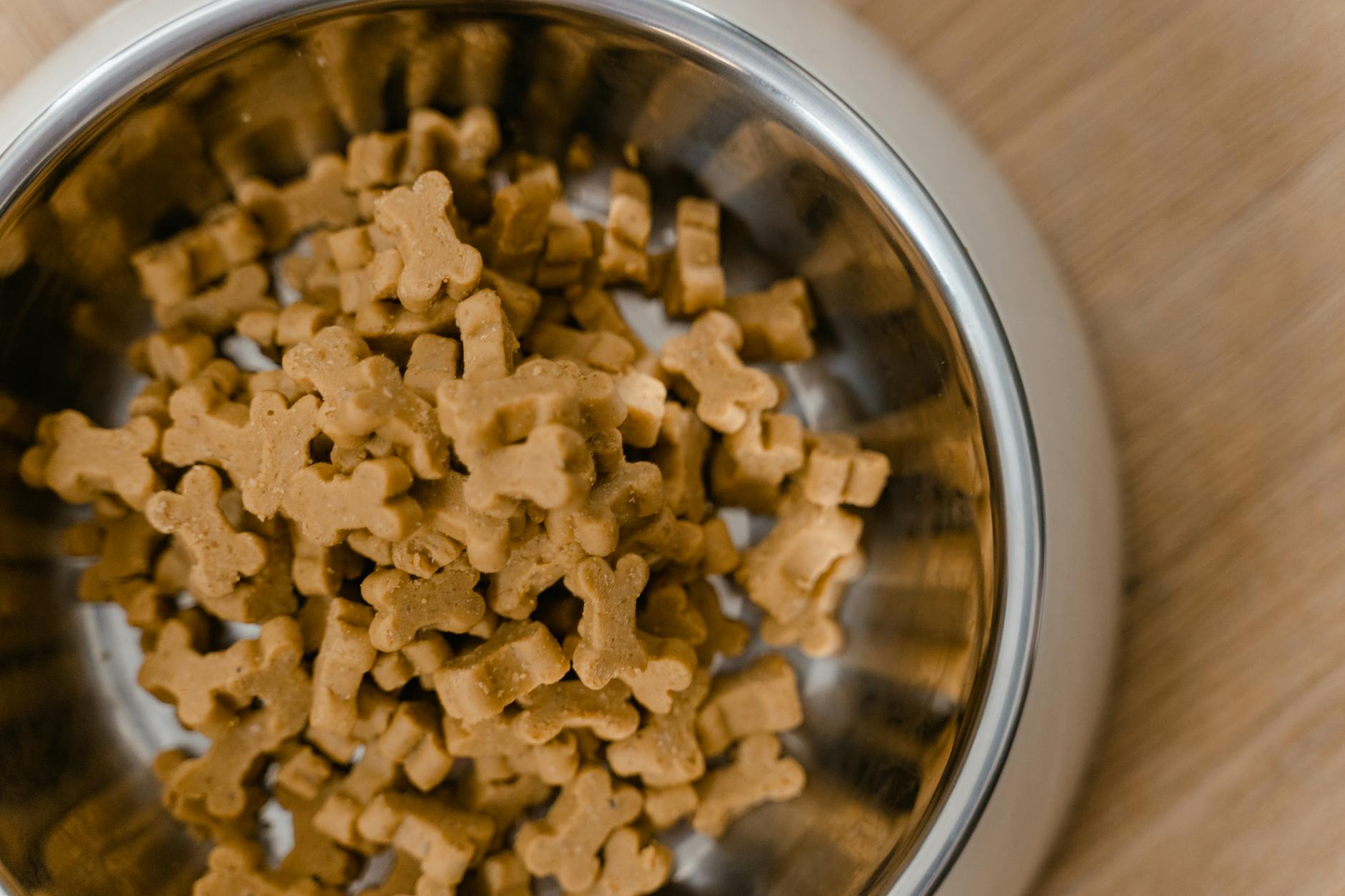
5. Simplify Treats and Table Scraps
If a dog's main food is well tolerated but digestive problems continue, treats, chews, human food, garbage access, or family members sharing snacks may be part of the problem.
When trying to understand what causes a sensitive stomach in dogs, write down everything the dog eats, not just breakfast and dinner. This includes training treats, dental chews, flavored supplements, food used to give medication, scraps dropped by children, and anything the dog steals.
- Main dog food and exact flavor
- Daily treats
- Chews and dental products
- Table scraps
- Supplements
- Foods used to hide medication
- Anything scavenged outdoors or from the trash
6. How to Change Dog Food Without Upsetting the Stomach
A sudden switch can itself cause digestive upset. If your veterinarian does not advise a different schedule, transition gradually by mixing increasing amounts of the new food with decreasing amounts of the old food.
A slow transition gives your dog's digestive system time to adjust and makes it easier to notice whether symptoms are improving or worsening. Dogs with a history of food sensitivity may need a slower change than dogs with very resilient digestion.
| Transition stage | Old food | New food |
|---|---|---|
| Beginning | Mostly old food | Small amount |
| Early transition | About three quarters | About one quarter |
| Middle | About half | About half |
| Late transition | About one quarter | About three quarters |
| Finish | None | Full new diet |
This is a general framework, not a fixed medical schedule. If your dog is on a prescription diet or is ill, follow your veterinarian's instructions.
7. Can Dogs With an Upset Stomach Eat Chicken and Rice?
Plain cooked chicken and white rice are often discussed as a short-term bland meal for some dogs with mild stomach upset. They should be prepared plain, without butter, oils, garlic, onion, sauces, or seasoning.
However, chicken and rice for dogs with upset stomach is not automatically appropriate for every dog. A dog may be sensitive to chicken, may have a health condition requiring a different diet, or may need veterinary treatment rather than home feeding.
Chicken and rice is also not designed to be a complete long-term diet. If you are considering a bland diet, especially for more than a brief period, ask your veterinarian what is appropriate for your dog.

8. Is Pumpkin Good for Dogs With Sensitive Stomachs?
Plain pumpkin is frequently used as a fiber-containing food for dogs, but it should not be confused with sweetened pumpkin pie filling. The right amount depends on the dog's size, current diet, and digestive problem.
If you are searching how much pumpkin to give a dog for diarrhea, avoid using a generic internet amount as a substitute for veterinary advice. Too much of any add-on can alter the nutritional balance of the main diet or worsen symptoms in some dogs.
9. Homemade Dog Food for Sensitive Stomachs: Use Caution
Home-cooked food can be useful in specific situations, but a recipe made from meat, rice, and vegetables is not automatically nutritionally complete. Dogs need the right balance of protein, fat, essential fatty acids, vitamins, minerals, and other nutrients over time.
If you want to feed homemade dog food for a sensitive stomach long term, work with your veterinarian or a board-certified veterinary nutrition specialist. A professionally formulated recipe can account for your dog's weight, life stage, medical history, calorie needs, and ingredient tolerances.
Long-term homemade diets need careful nutritional balancing rather than guesswork. Photo: Pexels.
10. Are Probiotics Good for Dogs With Sensitive Stomachs?
Some veterinary diets and supplements contain probiotics or prebiotic fibers intended to support the gut microbiome. The evidence and usefulness can vary by product and by the dog's condition.
If your dog has recurring digestive problems, ask your veterinarian whether a veterinary probiotic or a diet with added prebiotic fiber makes sense. Avoid assuming that a human probiotic, yogurt, or random supplement will provide the right organisms or amount for your dog.
11. Keep a Dog Food and Symptom Diary
A simple diary can make patterns much easier to see. Record meals, treats, stool consistency, vomiting, gas, appetite, medications, and unusual events such as getting into the trash.
| What to record | Example |
|---|---|
| Main food | Brand, recipe, amount, meal time |
| Treats | Type and approximate amount |
| Stool | Normal, soft, watery, unusually frequent |
| Vomiting | Time and relation to meals |
| Appetite | Normal, reduced, refused food |
| Other exposure | Trash, table food, new chew, scavenging |
This is especially useful when your veterinarian is evaluating dog food intolerance symptoms or planning a controlled diet trial.

12. Keep Feeding Times Predictable
Dogs often do well with a consistent meal routine. Feeding measured portions at predictable times makes it easier to monitor appetite and stool and prevents accidental overfeeding.
The number of daily meals depends on age, size, health, and individual needs. Puppies generally need a different feeding schedule from adult dogs. Your veterinarian can help determine the right daily calorie target and meal frequency.
Best Foods for Dogs With Sensitive Stomachs: What to Look For
Instead of searching for one miracle ingredient, compare complete diets using a few practical criteria.
- Complete and balanced: appropriate for your dog's life stage.
- Digestible ingredients: a formula your dog consistently tolerates.
- Protein source: chosen based on individual tolerance or a veterinary food trial.
- Fat level: appropriate for your dog rather than unnecessarily rich.
- Fiber profile: suitable for the digestive issue being managed.
- Consistency: avoid constant flavor changes and extra snacks during evaluation.
- Veterinary guidance: especially for persistent or severe symptoms.
Foods to Avoid When a Dog Has an Upset Stomach
When your dog's stomach is unsettled, do not make the meal more complicated with rich leftovers or heavily seasoned human foods. Avoid giving foods containing ingredients known to be unsafe for dogs, including onion, garlic, chocolate, grapes, raisins, xylitol, or alcohol.
Also be cautious with fatty scraps, greasy meat, bones, highly seasoned foods, and sudden large amounts of unfamiliar treats. Even foods that are not toxic can cause digestive upset when introduced too quickly or fed in excessive amounts.
Sensitive Stomach Dog Food vs. Food Allergy
A food sensitivity, food intolerance, and food allergy are not identical. Digestive signs alone do not tell you exactly which one is present. Food allergy can also involve skin or ear problems in some dogs.
If your veterinarian suspects a food allergy, they may recommend a structured elimination diet using a specific novel protein or hydrolyzed veterinary diet. Randomly switching between several commercial foods is not the same as a controlled elimination trial.
What to Feed a Puppy With a Sensitive Stomach
Puppies have growth-specific nutrient needs, so they should not be kept on improvised bland or homemade diets without veterinary direction. A puppy with repeated diarrhea or vomiting can also become dehydrated quickly.
If you are looking for best puppy food for sensitive stomach and diarrhea, speak with your veterinarian so the puppy receives a diet that supports both digestion and healthy growth.
What to Feed a Senior Dog With a Sensitive Stomach
Senior dogs may have different calorie needs and may also develop medical conditions that affect digestion, appetite, kidneys, liver, pancreas, or other organs. New digestive symptoms in an older dog deserve veterinary attention rather than assuming that age has simply created a "sensitive stomach."
The best food for a senior dog with digestive issues depends on the diagnosis and the dog's overall nutritional needs.
7 Common Sensitive-Stomach Feeding Mistakes
- Changing foods too quickly. The transition itself can trigger digestive upset.
- Feeding many treats during a food trial. This makes it hard to identify a trigger.
- Using rich table scraps. Fatty or seasoned food can make symptoms worse.
- Assuming grain-free means easier to digest. Digestive tolerance is individual.
- Using chicken and rice as a permanent diet. A simple bland meal is not a balanced long-term formula.
- Trying supplement after supplement. Too many changes at once hide useful patterns.
- Ignoring recurring symptoms. Chronic digestive problems deserve veterinary evaluation.
When Should You Call a Veterinarian?
Contact a veterinarian if your dog has repeated vomiting, persistent diarrhea, blood in vomit or stool, significant lethargy, obvious pain, dehydration, a swollen abdomen, repeated unproductive retching, refuses food, may have swallowed a foreign object, or simply seems seriously unwell.
Puppies, senior dogs, very small dogs, and dogs with existing medical conditions may need assessment sooner because they can be more vulnerable to dehydration or complications.

Frequently Asked Questions About Dogs With Sensitive Stomachs
What is the best food for a dog with a sensitive stomach?
There is no single best food for every dog. A complete and balanced diet with ingredients your dog digests well is the goal. Protein source, fat level, fiber, life stage, and any medical conditions all matter.
Is chicken and rice good for dogs with diarrhea?
Plain cooked chicken and white rice are sometimes used as a short-term bland meal for mild digestive upset, but they are not appropriate for every dog and are not a complete long-term diet. Ask your veterinarian before using a bland diet for an ill dog.
How do I switch dog food without causing diarrhea?
Unless your veterinarian directs otherwise, introduce the new food gradually while reducing the old food over several days. Dogs with sensitive digestion may need an even slower transition.
Can too many treats cause loose stool in dogs?
Yes. Extra treats, table scraps, rich chews, and scavenged food can contribute to digestive upset and can make a food trial difficult to interpret.
Is pumpkin good for a dog's upset stomach?
Plain pumpkin contains fiber and is sometimes used as a dietary add-on, but the right amount and whether it is appropriate depend on the dog and the cause of the symptoms. Ask your veterinarian if digestive problems are ongoing.
Are probiotics good for dogs with sensitive stomachs?
Some veterinary diets and canine probiotic products may be useful in certain situations, but products differ. Your veterinarian can recommend an appropriate option for your dog's condition.
Can a dog suddenly develop a sensitive stomach?
Yes, but sudden vomiting, diarrhea, appetite changes, or abdominal discomfort may also be caused by illness, parasites, dietary indiscretion, toxins, or other problems. New or severe symptoms should be assessed by a veterinarian.
Is homemade dog food better for sensitive stomachs?
Not automatically. Home-cooked diets can be useful when professionally formulated, but improvised long-term recipes can be nutritionally incomplete. Work with a veterinarian or veterinary nutrition specialist for long-term homemade feeding.
Final Thoughts
When deciding what to feed a dog with a sensitive stomach, simplicity and consistency are often more useful than chasing the newest ingredient trend. Start with a nutritionally complete food, control treats and scraps, change diets gradually, and track what your dog actually eats and how they respond.
Most importantly, treat recurring digestive symptoms as information rather than just an inconvenience. A veterinarian can help determine whether your dog's stomach truly reacts to a food ingredient or whether another health issue needs attention.
Explore More Dog Nutrition Guides on PawPrintHub
Discover practical guides about pet nutrition, everyday care, dog training, and healthy feeding habits.
Nutrition Guides PawPrintHub HomeSources and Further Reading
- American Kennel Club: Best Dog Food for Sensitive Stomachs
- American Kennel Club: Foods for Dogs With Upset Stomachs
- American Kennel Club: Dog Diet and Gut Health
- PetMD: Bland Diet for Dogs
Pet nutrition note: This article provides general educational information. It is not a diagnosis, treatment plan, or individualized feeding prescription. Always seek veterinary advice for persistent, severe, or unusual digestive symptoms.
Comments
Post a Comment