
Safe Dog Diet Transitions: How to Switch Foods Without Upset Stomachs
Switching your canine companion's food may seem as simple as buying a new bag and filling their bowl, but a sudden change in diet often leads to unwelcome digestive distress. Whether you are moving your puppy to adult food, upgrading to a senior formulation, or addressing a food sensitivity, mastering safe dog diet transitions is essential for your pet's gut health. A well-planned, gradual adjustment protects your dog's sensitive digestive tract, prevents painful gas, vomiting, and diarrhea, and ensures they actually absorb the vital nutrients inside their new meals. This educational guide explores the science of canine digestion, provides a foolproof daily mixing schedule, and highlights crucial mistakes every pet parent should avoid to maintain optimal health.
Disclaimer: This article is for educational and informational purposes only and does not replace professional veterinary advice, diagnosis, or treatment. Always consult your veterinarian before making major changes to your dog's diet, especially if your pet has underlying health conditions.
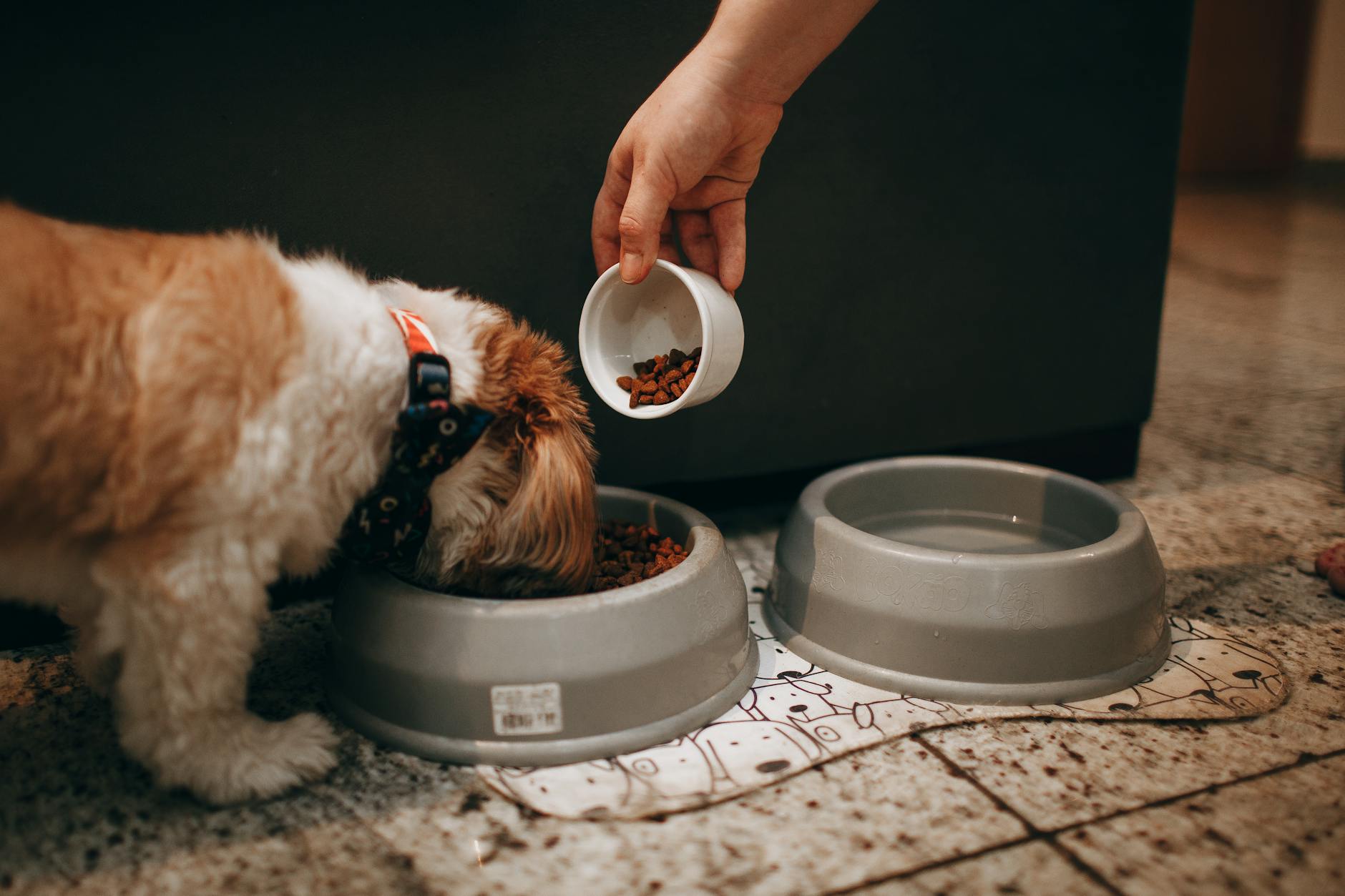
Understanding Canine Digestion and Why Sudden Changes Hurt
To appreciate why safe dog diet transitions matter so much, you must first understand how a dog's digestive system operates. Unlike humans, who have diverse and constantly shifting diets throughout the week, dogs thrive on consistency and stability. The microbiome inside a dog's gut—composed of trillions of beneficial bacteria, yeasts, and microorganisms—specializes in breaking down the specific proteins, fats, carbohydrates, and fibers found in their current, regular food.
When you dump a brand-new food into their bowl overnight, the specialized enzymes and bacterial strains required to process those novel ingredients are absent or underrepresented. The existing microbiome cannot process the sudden influx of unfamiliar proteins or differing fat percentages efficiently. This imbalance causes fermentation, gas accumulation, inflammation of the intestinal lining, and rapid fluid shifts that result in acute diarrhea, flatulence, or vomiting. By taking a gradual approach, you allow the beneficial bacterial colonies time to multiply and adapt, ensuring smooth sailing throughout the entire dietary adaptation process.
Factors That Make a Dog Diet Transition Necessary
Pet owners switch their dogs' foods for many valid reasons across a lifetime. Recognizing the exact catalyst behind the change helps you determine how slowly or quickly you need to proceed through the mixing schedule. Common reasons for switching dog foods include:
- Life Stage Progression: Moving from high-calorie puppy formulas to balanced adult maintenance diets, or transitioning older dogs to senior-specific recipes designed for joint and cognitive support.
- Health and Medical Requirements: Veterinarians frequently recommend prescription diets for kidney support, weight management, urinary tract health, or severe gastrointestinal sensitivity.
- Allergies and Sensitivities: Developing skin itchiness, chronic ear infections, or unexplained digestive upset often points toward an intolerance to specific proteins like chicken, beef, or dairy.
- Financial or Availability Shifts: Needing to switch commercial brands due to product discontinuations, supply chain issues, or household budget adjustments.
- Activity Level Changes: Transitioning a working or sporting dog into a lower-energy maintenance diet during the off-season.
Regardless of the underlying reason, the physiological rule remains identical: slow, methodical, and patient wins the race to a healthy gut.

The Ultimate 7-to-10-Day Safe Dog Diet Transition Schedule
Most healthy adult dogs do exceptionally well with a standard 7-to-10-day transition timeline. This gives the gastrointestinal tract approximately a week and a half to adjust to the new nutrient profile without experiencing metabolic shock. If your dog has a notoriously sensitive stomach, a history of IBD, or severe food intolerances, you can easily stretch this schedule out to 14 days or longer.
Days 1 through 3: The 75/25 Split
For the first three days, keep 75 percent of the meal as the old, familiar food and introduce just 25 percent of the new food. Thoroughly mix the kibble, wet food, or raw ingredients together so your dog cannot easily pick around the new pieces. Watch your dog closely for any subtle changes in stool consistency, energy levels, or appetite during this crucial initial phase.
Days 4 through 6: The 50/50 Balance
Assuming your dog has shown normal digestion and solid, well-formed stools for the first three days, move to an even split. Combine 50 percent old food with 50 percent new food. This is the midpoint where the gut microbiome undergoes its most active adaptation phase. Mild, transient softening of the stool can sometimes occur here due to the shift in fiber or fat, but it should resolve within 24 hours without medical intervention.
Days 7 through 9: The 25/75 Fine-Tuning
By now, your dog's digestive system is handling the new formulation quite well. Drop the old food down to 25 percent and increase the new food portion to 75 percent. This final phase prepares the digestive tract for the complete removal of the legacy diet, confirming that the new macronutrient breakdown is fully tolerated.
Day 10 and Beyond: 100% New Food
Congratulations! Your dog is now eating 100 percent of the new food. Continue monitoring their appetite, body weight, coat condition, and bathroom habits for another full week to ensure absolute compatibility and long-term wellness.
Calculating Portions and Monitoring Weight
Calories vary significantly between dog food brands, formulations, and processing methods. A cup of high-protein performance kibble contains vastly different caloric counts than a weight-management or senior diet. Failing to adjust portion sizes can lead to rapid weight gain or accidental weight loss during a transition. Before swapping bags, use a helpful resource like our Pet Calorie Calculator to determine exact daily energy requirements based on your dog's lifestyle. You can also utilize the Pet Food Portion Calculator to translate those calculated calories into accurate measuring cup amounts based on your specific dog's breed, age, and activity level. Always weigh your dog weekly during a transition using tools like our Pet Healthy Weight Checker to ensure they are maintaining an ideal body condition score.

Common Mistakes to Avoid During a Food Switch
Even well-meaning pet parents sometimes make critical errors that derail an otherwise carefully planned diet transition. Avoid these common pitfalls to protect your dog's digestive tract:
- Rushing the Timeline: Cutting the transition short because your dog seems excited about the new food is a recipe for digestive disaster. The gut microbiome needs time, not enthusiasm.
- Adding Rich Table Scraps: Mixing human food, gravy, leftover meats, or fatty treats into the bowl during a transition complicates matters and makes it impossible to know what caused an upset stomach.
- Switching Proteins Abruptly: Moving from a gentle fish-based kibble straight to a heavy beef, lamb, or game formula overnight causes intense digestive shock compared to moving between similar poultry bases.
- Ignoring Subtle Warning Signs: Brushing off mild soft stools, intermittent gassiness, or slight lethargy often leads to full-blown vomiting, bloody stool, or complete food refusal by day five or six.
- Forgetting to Account for Treats: High-value training treats add hidden calories and fats that can disrupt a delicate dietary transition. Temporarily scale back extra treats while changing foods.
Special Considerations for Puppies, Seniors, and Special Breeds
Life stages and specific physical characteristics drastically alter how a dog handles dietary changes. Growing puppies have high metabolic rates, developing immune systems, and delicate digestive tracts that require nutrient-dense meals. When shifting from weaning formulas to standard puppy kibble, maintain high feeding frequency—typically three to four smaller meals a day—to prevent hypoglycemia, blood sugar crashes, and digestive overload. On the flip side, senior dogs often experience sluggish metabolism, reduced digestive enzyme production, and thinning gut mucosal walls. For older canines, a 14-day transition is frequently much safer, and incorporating vet-approved prebiotics or probiotics can make the adjustment seamless.
Additionally, giant breeds like Great Danes and Mastiffs, as well as deep-chested breeds prone to gastric dilatation-volvulus (bloat), require extra caution. Fast transitions or gulping air alongside new food can trigger dangerous gastric events. Feed them slowly using puzzle feeders or slow-feeder bowls throughout the transition process.
What to Do If Your Dog Gets an Upset Stomach
Despite your absolute best efforts and a textbook 10-day schedule, some dogs have iron-clad willpower but fragile bellies. If your dog develops mild diarrhea, occasional vomiting, or lethargy during the transition, take immediate, calm steps to soothe their gastrointestinal tract:
- Pause the Increase: Step back immediately to the previous day's food ratio where your dog's stool was normal and firm. Do not introduce any more new food until their digestion completely stabilizes for at least 48 hours.
- Implement a Temporary Bland Diet: If symptoms are acute but mild, feed small, frequent portions of plain boiled skinless chicken breast and white rice for one to two days under veterinary guidance until the GI tract settles.
- Incorporate Pumpkin Puree: Adding one to two tablespoons of plain, 100% pure canned pumpkin (not pie filling) provides soluble fiber that can help firm up loose stools quickly.
- Consult Your Veterinarian: If vomiting persists for more than 24 hours, if there is visible blood in the stool or vomit, if your dog shows signs of severe abdominal pain, or if your pet refuses to drink water, contact a professional veterinarian immediately to rule out underlying infections or parasites.
Frequently Asked Questions
How long does a safe dog diet transition take?
For most healthy adult dogs, a safe transition takes between 7 and 10 days. Dogs with sensitive stomachs, seniors, or those with a history of digestive issues may require up to 14 days of gradual mixing.
Can I switch my dog's food instantly?
Instant switches are strongly discouraged unless specifically ordered by a veterinarian for medical emergencies like acute food allergies. Sudden changes almost always cause vomiting, diarrhea, severe abdominal discomfort, and refusal to eat.
What should I do if my dog refuses to eat the new food mixed with the old food?
Some picky eaters will meticulously pick out the old kibble and leave the new, or vice versa. You can add a small splash of warm, low-sodium bone broth, goat milk, or a teaspoon of plain canned pumpkin to bind the mixture together and make it uniform and palatable.
Does switching flavors within the same brand require a transition?
Yes, absolutely. Even within the exact same brand and product line, changing from a chicken recipe to a salmon recipe means altering protein sources, fat percentages, and amino acid profiles, which still requires a 5-to-7-day gradual mix.
Can a bad food transition cause permanent digestive damage?
While acute distress is usually temporary and resolves once the diet is corrected or paused, severe bouts of untreated gastroenteritis can cause dangerous dehydration and electrolyte imbalances requiring veterinary intervention. Always proceed slowly.
Are grain-free diets harder to transition to?
Grain-free diets often feature higher legume, pea, or potato content or different starch structures that can alter gut transit time and stool consistency. A slower, more cautious transition is strongly recommended when moving to or from grain-free formulas.
Should I use probiotics during a dog food transition?
Adding a veterinary-formulated probiotic supplement can actively support the gut microbiome during a diet change, reinforcing beneficial bacteria and significantly reducing the likelihood of soft stools or gas.
How do I know if my dog is allergic to the new food or just experiencing transition upset?
Transition upset typically presents as temporary soft stool or minor gas that resolves within a few days. True food allergies or intolerances present as chronic ear infections, obsessive paw licking, itchy skin, hives, or recurring vomiting weeks after the transition is complete.
Helpful PawPrintHub Tools
To make caring for your dog's nutrition and overall wellness as easy as possible, explore our suite of interactive calculators and planners:
Conclusion
Mastering safe dog diet transitions is a fundamental responsibility of pet ownership that safeguards your companion's digestive health, immune function, and long-term vitality. By respecting the delicate balance of the canine gut microbiome, following a structured 7-to-10-day mixing schedule, and monitoring portions carefully using precision tools, you eliminate unnecessary tummy aches and set your dog up for lifelong success. Remember to consult your veterinarian if your dog has underlying health conditions or persistent symptoms, and enjoy watching your furry friend thrive on their new, nutritious meals.
Support free pet guides and tools.
Buy Me a Coffee
Comments
Post a Comment