Pet Nutrition Guide: How to Feed Dogs and Cats a Healthy, Balanced Diet

Good pet nutrition is one of the most important parts of keeping dogs and cats healthy, active, and happy. What your pet eats every day can influence body weight, digestion, muscle health, skin and coat condition, energy levels, and overall wellbeing.
Why Is Proper Pet Nutrition Important?
Food provides the energy and nutrients animals need for everyday activities and normal body functions. Puppies and kittens require nutrition that supports growth, while adult pets need balanced diets to maintain healthy body condition and muscle mass.
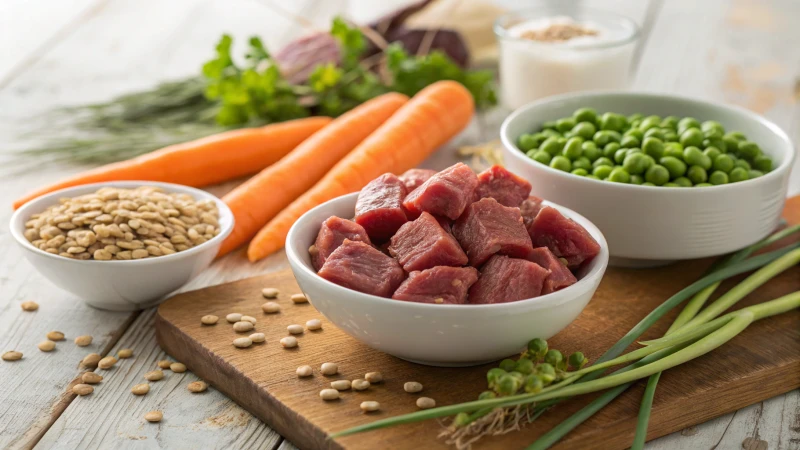
Senior animals may also have different nutritional requirements as their lifestyle and activity levels change. Feeding an inappropriate diet for long periods can result in nutritional imbalances, excessive weight gain, or other problems.
Essential Nutrients Dogs and Cats Need
1. Protein
Protein provides amino acids that support muscles, organs, skin, fur, enzymes, and many other tissues. Common animal protein sources in pet food include chicken, turkey, beef, lamb, fish, and eggs.
Cats are obligate carnivores, meaning their nutritional biology depends heavily on nutrients obtained from animal-based foods. Dogs have greater dietary flexibility but still need properly balanced sources of protein.
2. Healthy Fats
Fat is an important source of concentrated energy. Dietary fats also support healthy skin, coat, cells, and absorption of certain vitamins.
However, fat is calorie dense, which means portions matter. Too many calories combined with insufficient activity may result in unwanted weight gain.
3. Carbohydrates and Fiber
Dogs can obtain energy from digestible carbohydrates such as rice, oats, barley, potatoes, and some vegetables. Appropriate dietary fiber may also support healthy digestion and stool quality.

4. Vitamins and Minerals
Dogs and cats need appropriate quantities of vitamins and minerals for normal bones, teeth, immunity, muscles, nerves, blood, and metabolic processes.
Dog Nutrition vs Cat Nutrition
Dogs and cats have different nutritional requirements. Regular dog food should therefore not replace a complete cat diet, and cat food should not normally be used as a dog's everyday diet.
| Nutrition Factor | Dogs | Cats |
|---|---|---|
| Diet Type | Greater dietary flexibility | Obligate carnivore |
| Protein | Essential nutrient | Especially important |
| Taurine | Requirements differ | Essential dietary nutrient |
| Food Type | Complete dog food | Complete cat food |
How to Choose Healthy Pet Food
When shopping for dog or cat food, don't choose a product solely because the packaging says words such as “premium,” “natural,” or “healthy.” Look for a nutritionally complete product that is suitable for your pet's species and life stage.

Consider factors including:
- Dog or cat
- Puppy, kitten, adult, or senior
- Body size
- Activity level
- Body condition and current weight
- Known food sensitivities
- Veterinary health conditions
Dry Food vs Wet Food: Which Is Better?
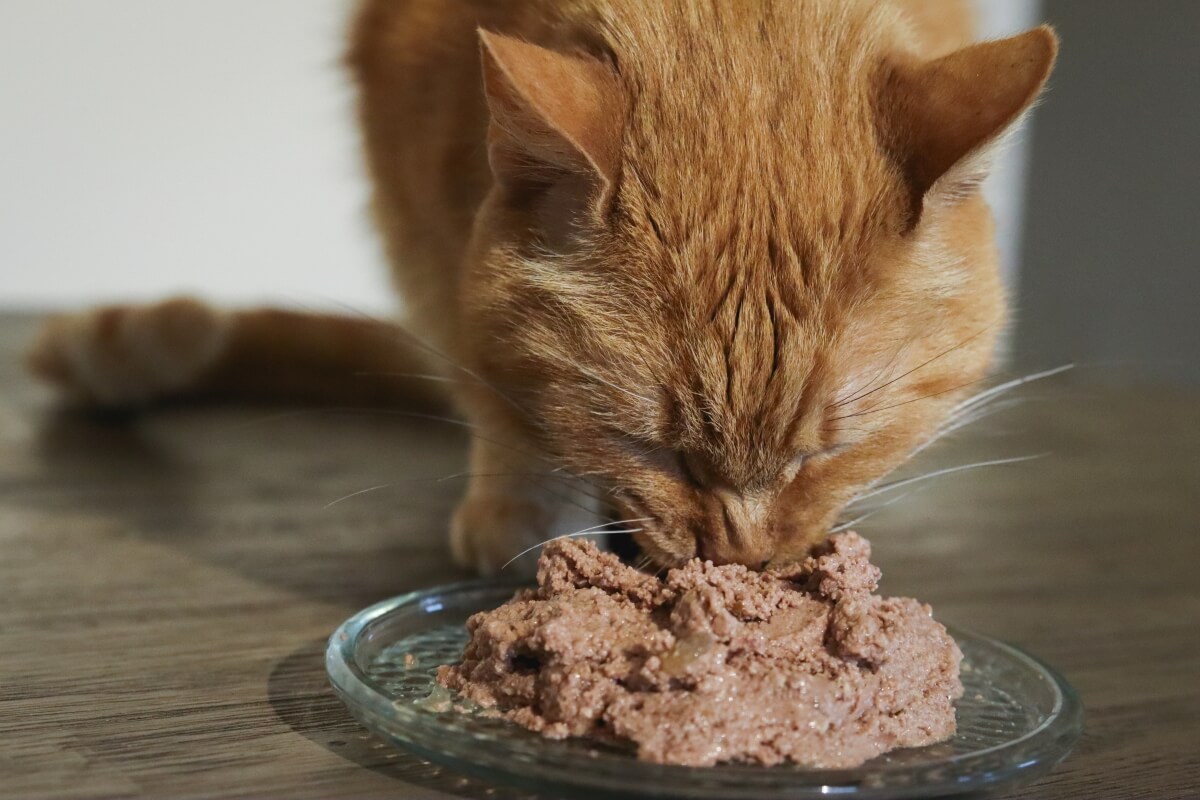
Both dry and wet food can form part of a healthy diet when the product is nutritionally complete and appropriate for the animal.
Dry Pet Food
- Easy to store.
- Convenient to measure.
- Often economical per serving.
- Useful in puzzle feeders and training.
Wet Pet Food

- Contains more moisture.
- May be particularly appealing to some pets.
- Provides an additional source of dietary water.
- Its soft texture can suit some pets.
Some owners use a combination of wet and dry food. When combining foods, remember that both contribute calories to the daily diet.
How Much Should You Feed Your Pet?
There is no single correct portion for every dog or cat. Food requirements depend on age, size, body condition, activity, metabolism, and the calorie density of the food.
Use the feeding guide on the package as a starting point and monitor your animal's body condition over time.
How Often Should Dogs and Cats Eat?
Many healthy adult dogs are fed one or two measured meals each day. Cats often prefer several smaller meals throughout the day.
Puppies and kittens generally require more frequent meals because they are growing and have smaller stomachs.
Fresh Water and Pet Hydration
Water is essential for every dog and cat. It supports normal digestion, circulation, body-temperature regulation, kidney function, and many other processes.
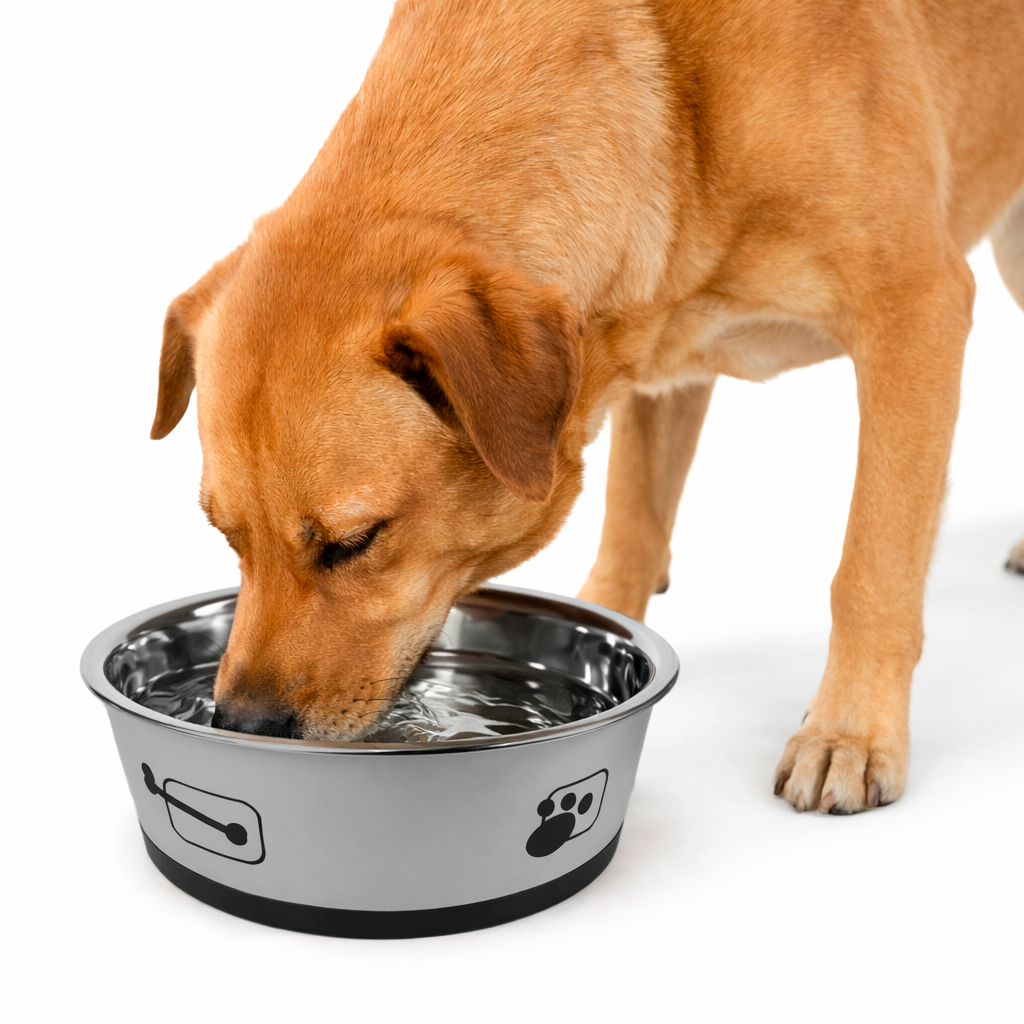
Pets eating mostly dry kibble may obtain less moisture from their food than animals eating wet food, so access to fresh water is particularly important.
Healthy Treats for Dogs and Cats
Treats are useful for training and bonding, but they still add calories to the diet. Too many snacks can result in your pet consuming significantly more energy than intended.

Treats should normally make up only a relatively small part of your pet's total daily diet.
Human Foods That Can Be Dangerous for Pets
Foods and ingredients pet owners should be careful about include:
- Chocolate and cocoa
- Grapes and raisins, particularly for dogs
- Onions and garlic
- Xylitol-containing products
- Alcohol
- Caffeine
- Raw yeast dough
- Cooked bones that can splinter
- Very salty or heavily seasoned foods
Can Dogs Eat Vegetables?
Some vegetables can be included in appropriately formulated dog diets. However, vegetables alone cannot provide everything a dog needs, and not every human food is safe for pets.
Before regularly adding human foods to your dog's diet, check that the ingredient is pet-safe and appropriate for the individual animal.
Is Homemade Pet Food Healthy?
Homemade diets can be prepared for dogs and cats, but simply combining meat, rice, and vegetables does not automatically create a nutritionally complete diet.

Pets require specific nutrient quantities and ratios. If homemade food will make up most or all of your pet's diet, ask a veterinarian or qualified veterinary nutrition professional for guidance.
Pet Nutrition for Puppies and Kittens
Growing puppies and kittens need food specifically designed for growth. Their calorie and nutrient requirements are different from those of healthy adult animals.
Large-breed puppies may require particular care with growth rate and nutrient balance. Choose food suitable for the animal's life stage.
Nutrition for Senior Pets
Senior animals may become less active and may therefore have different calorie needs. Individual health conditions can also change nutritional requirements.
Unexpected weight loss, weight gain, difficulty eating, changes in appetite, or major changes in drinking habits should be discussed with a veterinarian.
How to Change Your Pet's Food
A sudden change in diet can cause digestive upset in some dogs and cats. A gradual transition is often easier.
- Begin with mostly the old food and a small amount of new food.
- Gradually increase the amount of new food.
- Monitor appetite and stool quality.
- Continue until the transition is complete.
Common Pet Feeding Mistakes
- Giving too many treats.
- Not measuring food portions.
- Regularly feeding cats dog food or dogs cat food.
- Changing diets too frequently.
- Using supplements without professional advice.
- Ignoring gradual weight gain.
- Feeding an unbalanced homemade diet.
- Giving too many table scraps.
How to Help Your Pet Maintain a Healthy Weight
Measure meals, keep treats controlled, and encourage age-appropriate physical activity.
Dogs may enjoy walks, play, training, and interactive games. Cats may benefit from climbing spaces, food puzzles, interactive toys, and short active play sessions.
Frequently Asked Questions About Pet Nutrition
What is the healthiest food for a pet?
There is no single best food for every pet. Choose a nutritionally complete diet suitable for your animal's species, age, body condition, activity level, and health needs.
Can dogs eat cat food?
An accidental small amount is different from feeding it every day. Dogs should normally eat nutritionally complete dog food rather than cat food as their regular diet.
Can cats eat dog food?
Dog food should not be used as a cat's regular diet because cats have specific nutritional requirements.
Is wet food better than dry food?
Both can be good options when nutritionally complete. Wet food provides more dietary moisture, while dry food can be convenient and easy to measure.
Should pets take vitamins?
Animals eating a properly formulated complete diet may not need additional supplements. Ask your veterinarian before routinely adding vitamins or minerals.
Is grain-free pet food healthier?
Grain-free does not automatically mean healthier. The overall nutritional formulation and suitability for your individual pet are more important.
Final Thoughts on Healthy Pet Nutrition
Healthy pet nutrition does not have to be complicated. Choose an appropriate complete diet, measure portions, provide fresh drinking water, keep treats under control, and regularly monitor your pet's weight and body condition.
Because every dog and cat is different, nutrition may need to change with age, activity level, or health status. Speak with a veterinarian before making major dietary changes if your pet has a medical problem or special nutritional requirements.
A balanced diet, appropriate exercise, regular veterinary care, and plenty of attention can all contribute to a healthier and happier pet.
Comments
Post a Comment