Bringing a bird into your home can be an exciting experience. Pet birds are intelligent, social and beautiful animals, but good bird ownership involves much more than placing a bird in a cage and filling a bowl with seeds.
A healthy companion bird needs appropriate food, clean water, suitable housing, safe perches, mental stimulation, exercise, social interaction and careful attention to changes in behavior.
This complete pet bird care guide for beginners covers the essentials of caring for budgies, cockatiels, lovebirds and other popular companion birds.
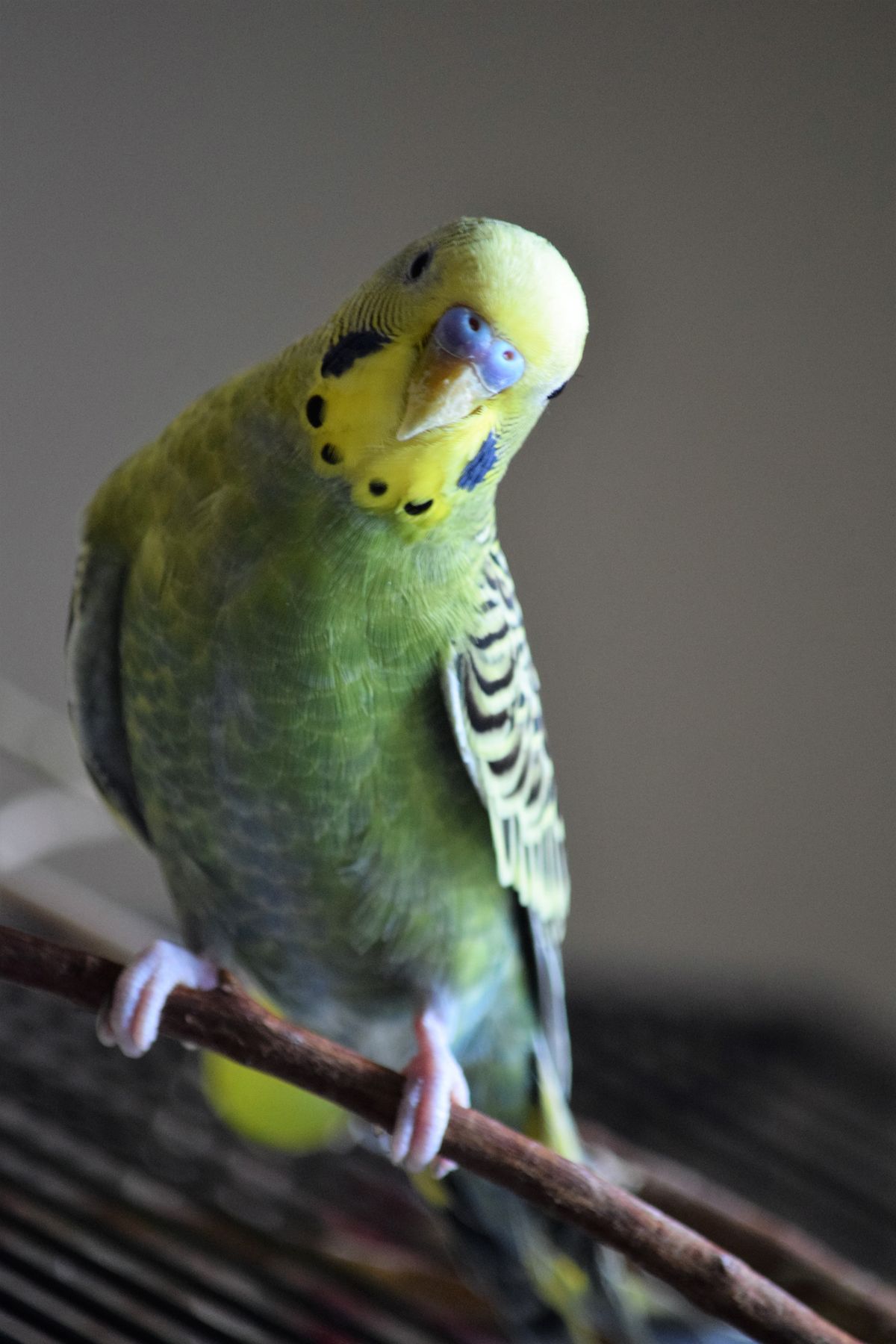
Are Birds Good Pets?
Birds can make wonderful companions for the right household. Many species are intelligent, curious and capable of developing recognizable relationships with the people who care for them.
Some pet birds enjoy whistling, climbing, playing with toys and learning simple behaviors. Parrot species may also learn to imitate household sounds or human speech.
However, small size does not mean low responsibility. Even a budgie requires daily feeding, cleaning, social interaction and enrichment.
Best Pet Birds for Beginners
Different birds have different personalities and care needs. Before adopting or purchasing a bird, research the individual species carefully.
1. Budgerigars (Budgies)
Budgerigars, also called budgies or parakeets, are among the most popular small companion parrots.
They are active, curious and intelligent. With patient handling, some budgies become comfortable stepping onto a finger, sitting near their caregiver and learning simple sounds.
Despite their small size, budgies need plenty of room to climb, exercise and explore.
2. Cockatiels
Cockatiels are easily recognized by their attractive head crest and orange cheek patches. They are popular companion birds and can be expressive, playful and social.
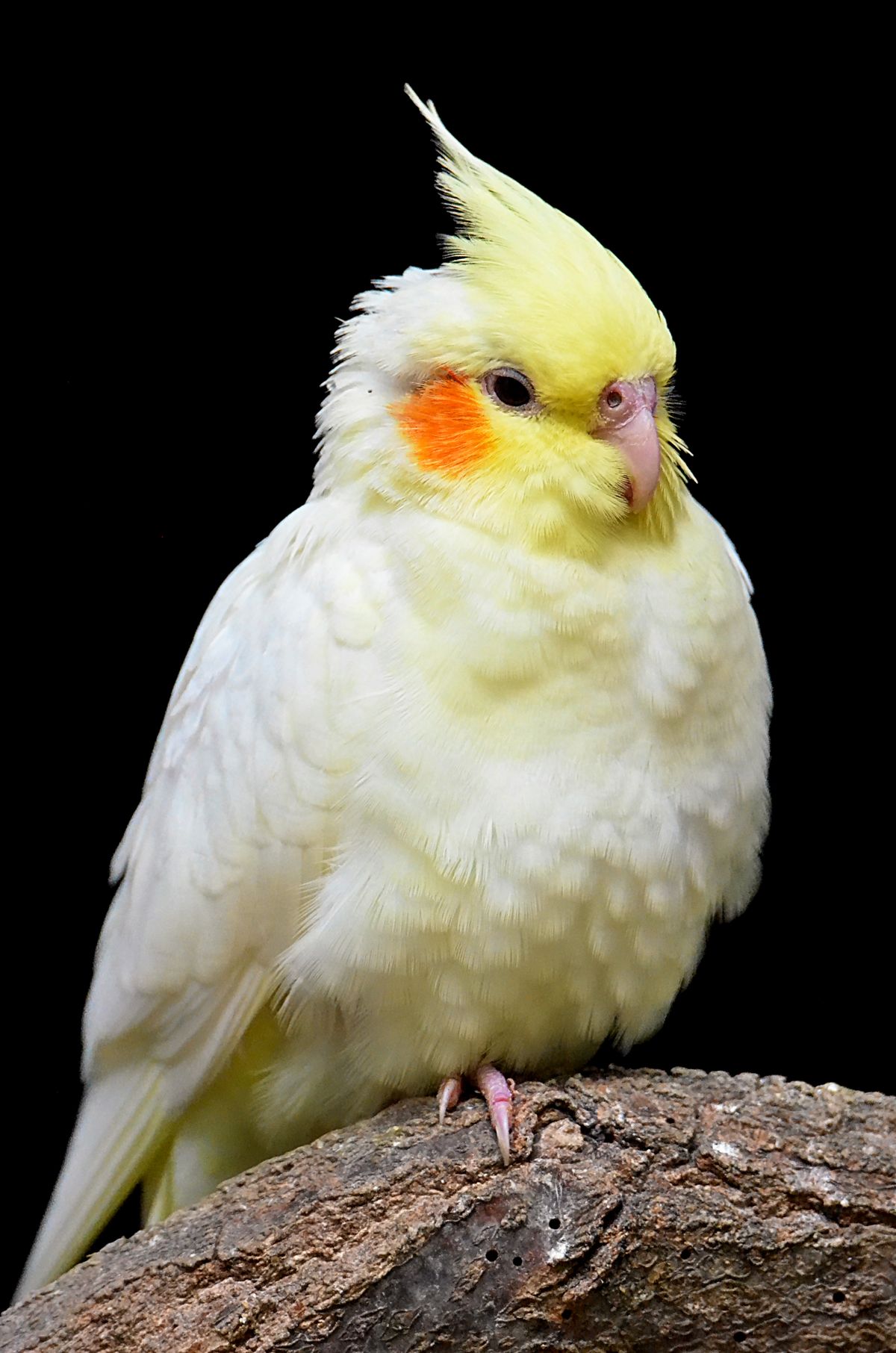
Cockatiels need suitable housing, regular interaction, enrichment and opportunities to move and exercise.
3. Lovebirds
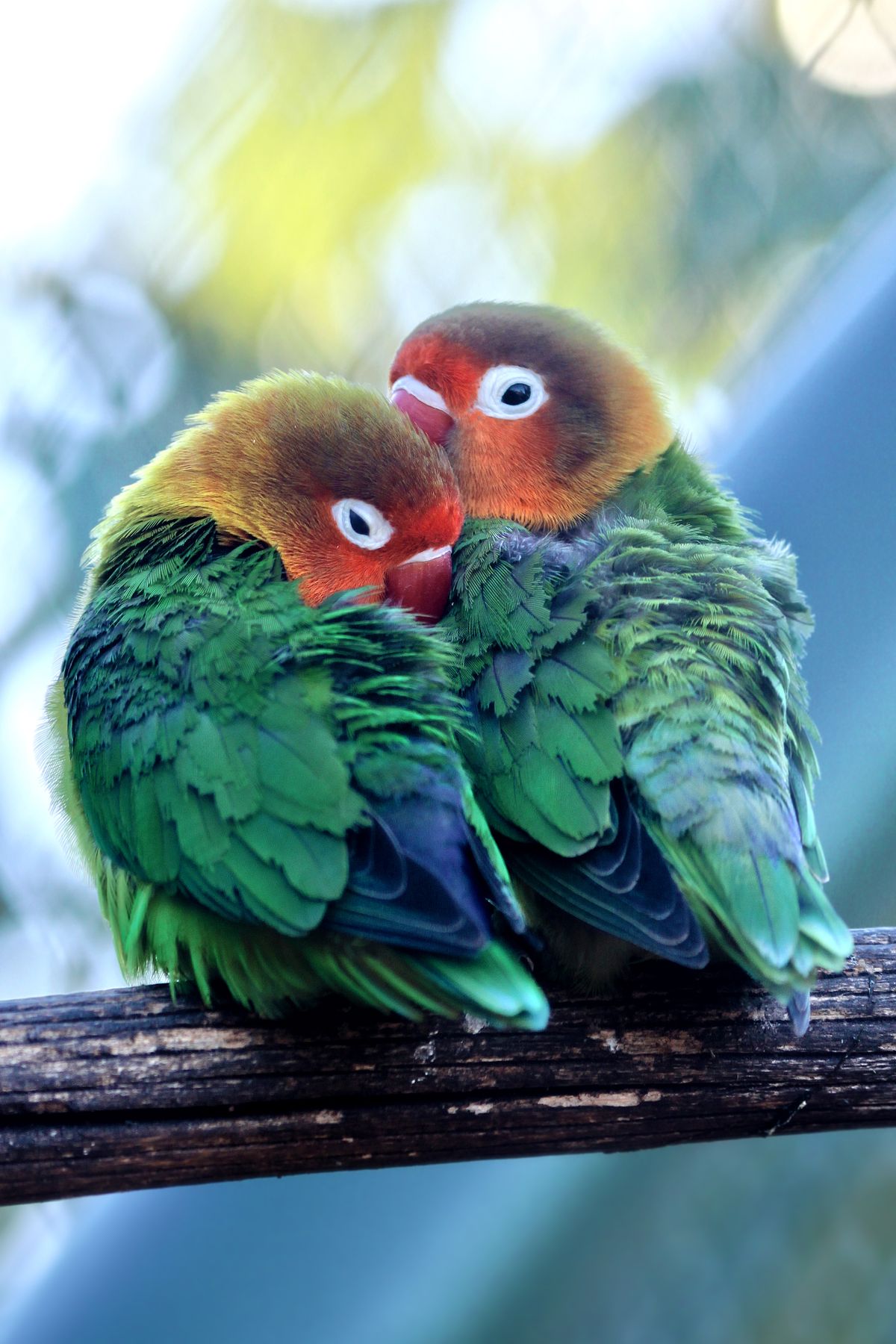
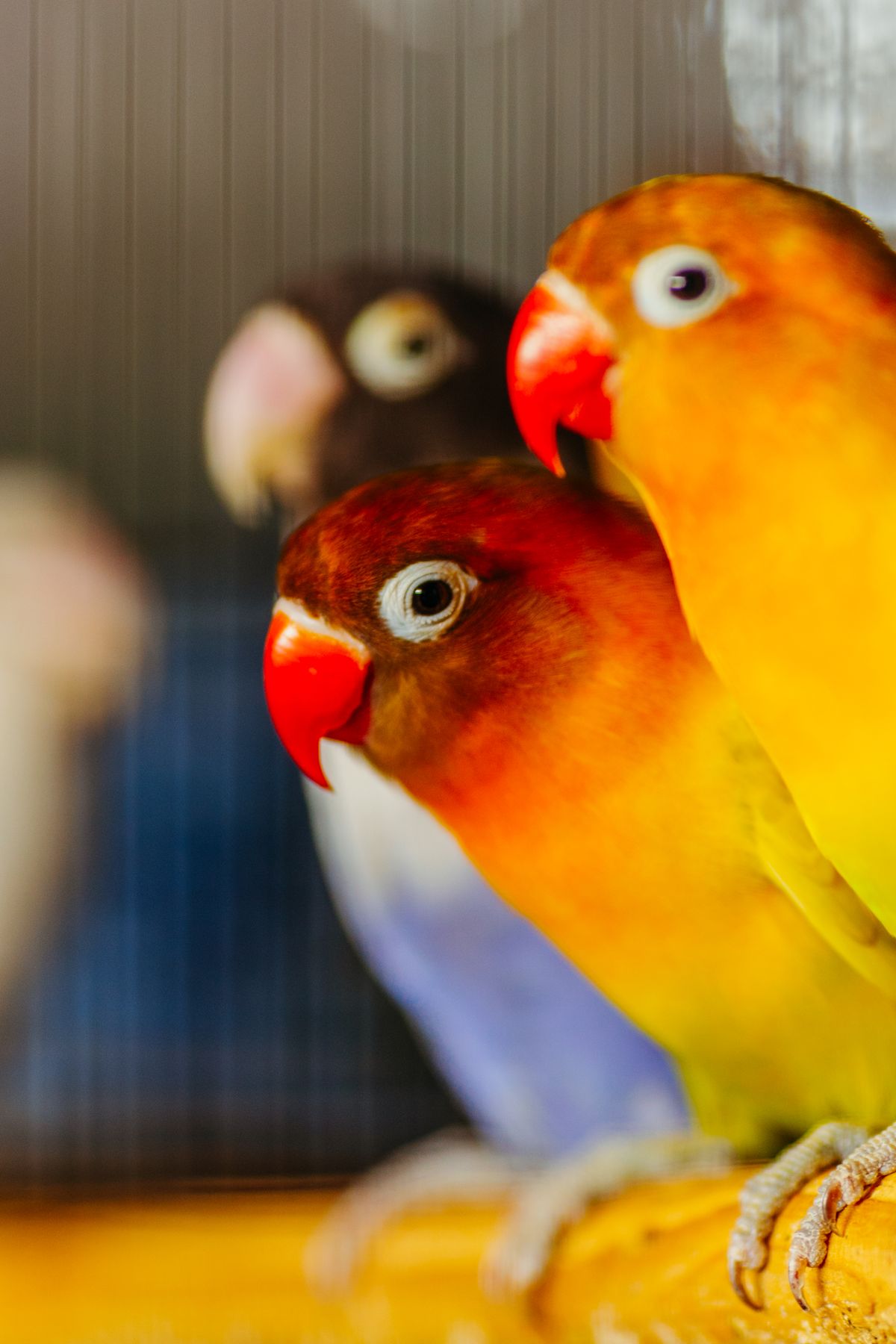
Lovebirds are small parrots famous for their bright colors and social behavior. They can be energetic climbers and enthusiastic chewers.
They benefit from appropriate toys, safe climbing opportunities and regular stimulation.
4. Finches
Finches are often better suited to people who enjoy observing birds rather than frequently handling them.
Many finches are highly active and social, so owners should research their companionship requirements before deciding how many birds to keep.
How to Choose a Pet Bird
Choosing the right species is one of the most important decisions a future bird owner can make.
Consider these factors first:
- Expected adult size
- Noise level
- Amount of daily interaction required
- Cage size requirements
- Exercise requirements
- Typical lifespan
- Dietary requirements
- Social needs
- Veterinary costs
- Your work and travel schedule
Larger parrots generally require significantly more space, enrichment and long-term commitment than many smaller companion birds.
How to Choose the Right Bird Cage
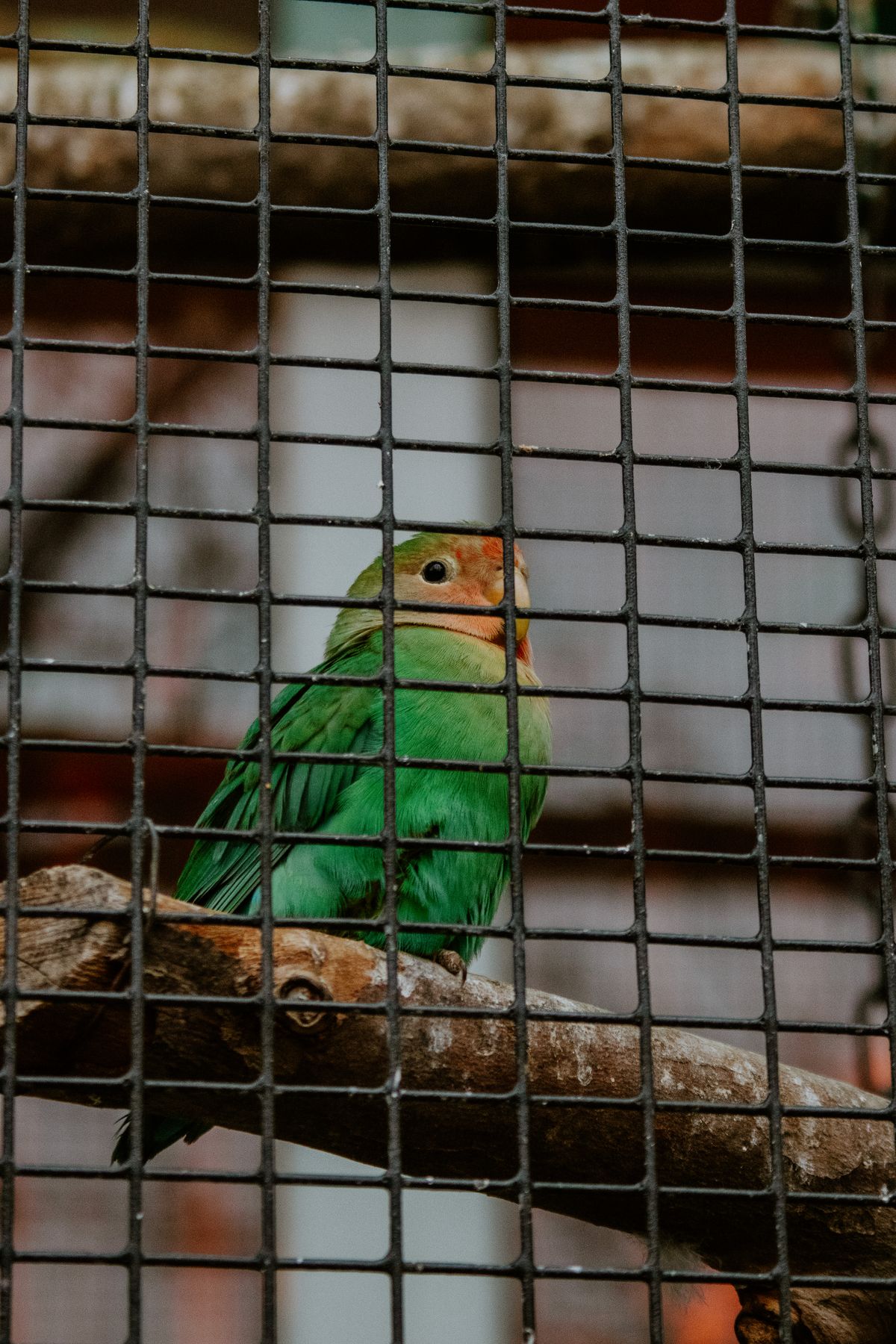
Your bird's cage should provide a safe and comfortable home rather than simply functioning as a container.
The bird should have enough usable space to climb, move between perches and stretch without constantly hitting cage walls, toys or bowls.
Important Bird Cage Features
- Appropriate bar spacing for the species
- Secure doors and locks
- Enough usable interior space
- Easy-to-clean tray
- Safe cage materials
- Room for multiple perches
- Separate food and water containers
- Space for toys without overcrowding
Where Should You Put a Bird Cage?
Pet birds often enjoy being near normal household activity, but they also need security and quiet periods.
Avoid placing the cage:
- Directly beside the stove or cooking area
- In strong drafts
- Directly beside air-conditioning vents
- Beside heaters
- In intense direct sunlight for long periods
- Where smoke or strong fumes are present
- Where cats or dogs can easily disturb the bird
Choose a stable location where the cage cannot easily be knocked over.
What Should Pet Birds Eat?
Nutrition is one of the most important parts of pet bird care.
A common beginner mistake is assuming that all birds should live on a bowl of seeds. Nutritional requirements vary significantly by species.
Depending on the bird, a balanced feeding plan may include species-appropriate formulated food along with selected fresh foods.
Foods Commonly Included in Bird Diets
- Species-appropriate pellets or formulated food
- Suitable leafy vegetables
- Selected fresh vegetables
- Small amounts of appropriate fruits
- Appropriate seeds
- Suitable grains
- Fresh drinking water
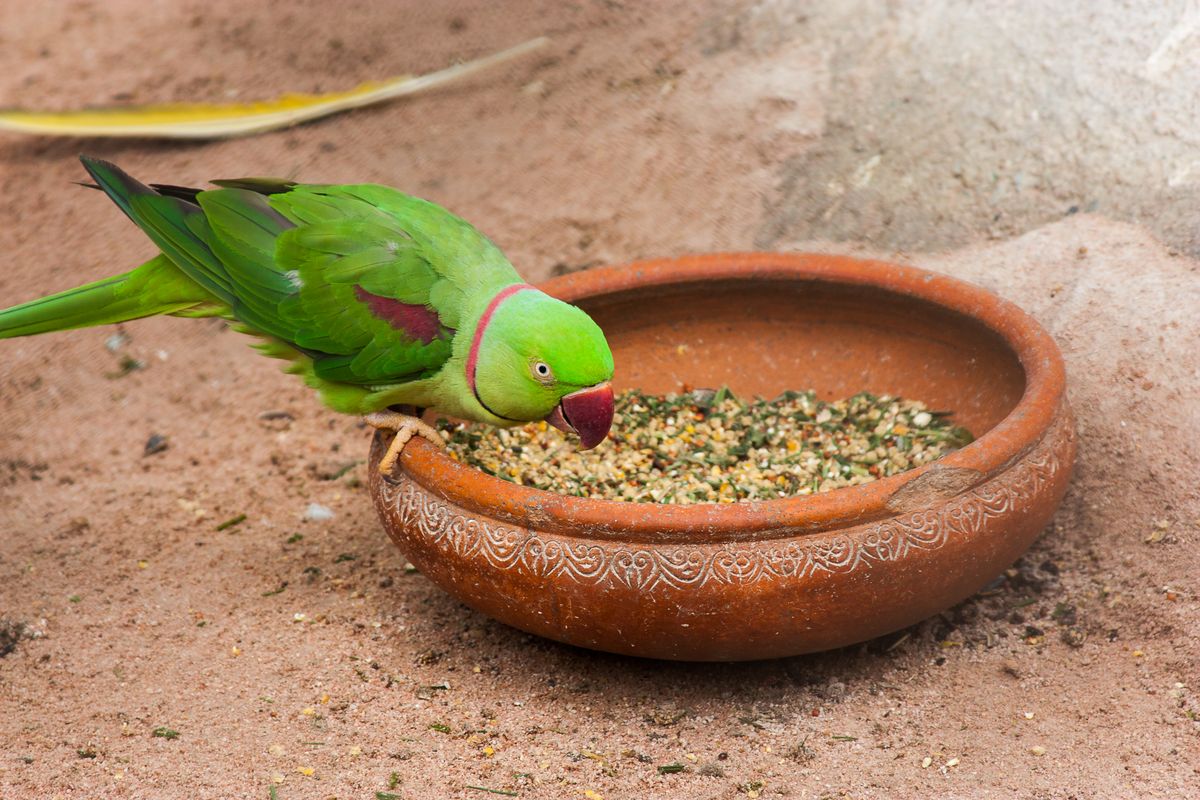
Fresh Water Is Essential
Pet birds should have access to fresh drinking water.
Bird water can quickly become contaminated with food, feathers and droppings. Check the water container regularly and clean it rather than simply adding new water to old water.
Foods Pet Birds Should Avoid
Not every human food is safe for companion birds.
Foods and drinks generally unsuitable for pet birds include:
- Chocolate
- Alcohol
- Caffeinated drinks
- Very salty foods
- Heavily processed snacks
- Foods known to be toxic to the particular bird species
If your bird eats a potentially toxic substance, contact a veterinarian promptly.
Choosing Bird Perches
Birds spend a large amount of time standing on their feet, so perch selection is important.
Providing suitable perches of different shapes and diameters can add variety to the cage environment.
Bird-safe natural branches may also provide useful climbing opportunities for appropriate species.
Position perches carefully so droppings are less likely to fall directly into food and water containers.
Bird Toys and Mental Enrichment
Many pet birds are intelligent and can become bored when their environment offers little stimulation.
Useful enrichment ideas include:
- Bird-safe chew toys
- Foraging toys
- Climbing toys
- Swings
- Different safe perches
- Simple training exercises
- Supervised exploration
- Rotating suitable toys
Inspect toys regularly and remove anything that becomes damaged, sharp or unsafe.
How to Tame and Build Trust With a Pet Bird
A new bird may initially feel nervous around people. It has entered an unfamiliar environment filled with new sounds, smells and movement.
Avoid immediately grabbing the bird or chasing it around the cage.
Simple Bird Taming Steps
- Spend quiet time near the cage.
- Speak softly to the bird.
- Move slowly around it.
- Offer an appropriate favorite treat.
- Introduce your hand gradually.
- Keep training sessions short.
- Reward calm behavior.
- Allow the bird to progress at its own pace.
Consistency is usually more useful than trying to force fast progress.
How Often Should You Clean a Bird Cage?
Bird cages can quickly collect feathers, seed shells, discarded food and droppings.
Daily Cleaning Tasks
- Provide clean drinking water.
- Remove spoiled fresh food.
- Clean visibly dirty bowls.
- Remove heavily soiled cage liner.
- Check perches and toys.
Regular Deep Cleaning
The cage tray, bars, food bowls, water containers, suitable toys and perches should also be cleaned thoroughly at appropriate intervals.
Only use cleaning products and methods that are safe for birds.
Do Pet Birds Need Baths?
Many birds enjoy bathing, although preferences differ between individual birds.
Some may enjoy a shallow bathing dish, while others may prefer gentle misting.
Never force a frightened bird into water.
How Much Sleep Do Pet Birds Need?
A predictable sleep routine is an important part of bird care.
Constant bright lights, loud television or household activity late at night can disturb normal rest.
Provide a quiet nighttime environment suitable for your particular bird species.
Signs Your Pet Bird May Be Sick
Bird owners should learn what normal activity, appetite, vocalization and droppings look like for their individual bird.
Possible warning signs can include:
- Sudden loss of appetite
- Unusual inactivity
- Difficulty breathing
- Remaining fluffed up for long periods
- Unexpected changes in droppings
- Loss of balance
- Discharge around the eyes or nostrils
- Unexpected weight loss
- Major behavioral changes
- Spending unusual amounts of time on the cage floor
Common Pet Bird Care Mistakes
| Mistake | Better Approach |
|---|---|
| Buying a cage that is too small | Choose generous usable space suitable for your bird species. |
| Feeding only seeds | Research a balanced species-appropriate diet. |
| Leaving dirty water | Check water regularly and keep the container clean. |
| No toys or enrichment | Provide safe chewing, climbing, exploring and foraging opportunities. |
| Forcing physical handling | Build trust gradually through calm positive interactions. |
| Ignoring behavior changes | Learn your bird's normal routine and investigate unusual changes. |
| Buying a bird without researching lifespan | Understand the long-term commitment before bringing a bird home. |
Pet Bird Supplies Checklist
- Appropriately sized bird cage
- Food containers
- Water container
- Species-appropriate food
- Multiple safe perches
- Bird-safe toys
- Cage liner
- Safe cleaning supplies
- Travel carrier
- Suitable bathing option
- Contact information for an avian veterinarian
Simple Daily Pet Bird Care Routine
Morning
- Observe the bird's general condition.
- Provide fresh water.
- Provide appropriate food.
- Remove spoiled leftovers.
- Check cage security.
During the Day
- Provide social interaction where appropriate.
- Offer enrichment.
- Check food and water.
- Allow safe exercise where appropriate.
- Observe activity and behavior.
Evening
- Remove leftover perishable food.
- Check the cage for hazards.
- Reduce excessive noise.
- Maintain a predictable bedtime routine.
Can Pet Birds Live With Cats or Dogs?
Bird owners should be extremely careful when cats or dogs are present.
Even an animal that normally behaves calmly may react instinctively when a bird suddenly flies or moves quickly.
Use secure housing and physical separation, and never assume that previous peaceful behavior guarantees future safety.
Are Birds Good Pets for Children?
Children can enjoy learning about birds, but adults should remain responsible for the bird's care and welfare.
Small birds can be injured easily through rough handling. Young children should therefore be supervised around companion birds and taught to interact gently.
How Long Do Pet Birds Live?
Bird lifespan varies enormously between species.
Some smaller companion birds may live for many years, while larger parrots can represent a commitment lasting decades.
Research the likely lifespan of a species before deciding that it is the right pet for your household.
Final Thoughts
Good pet bird care starts with understanding that birds are intelligent living animals with physical, social and behavioral needs.
A suitable cage, appropriate diet, clean water, enrichment, exercise, hygiene and careful observation can all contribute to better everyday care.
Whether you are caring for a budgie, cockatiel, lovebird, finch or another companion bird, learning about the specific needs of that species should always be your first priority.
Frequently Asked Questions About Pet Bird Care
What is a good pet bird for beginners?
Budgies and cockatiels are popular companion birds for beginners, but owners should still research their housing, diet, social and veterinary needs before bringing one home.
Can pet birds live only on seeds?
A seed-only feeding plan may not provide complete nutrition for many companion bird species. The correct diet depends on the bird, so owners should research species-specific nutritional requirements.
How often should I change my bird's water?
Check drinking water daily and replace it whenever it becomes dirty. The water container itself should also be cleaned regularly.
Do pet birds need toys?
Yes. Suitable toys can encourage climbing, chewing, exploring and foraging while helping provide mental stimulation.
How can I make my bird trust me?
Use calm movements, speak gently, offer suitable rewards and allow the bird to approach interaction gradually instead of forcing physical contact.
Can my bird fly around the house?
Many companion birds can benefit from safe exercise, but the room should first be bird-proofed. Windows, doors, fans, hot surfaces, toxic items and other pets should be controlled.
How do I know if my pet bird is sick?
Changes in appetite, activity, breathing, balance, droppings or normal behavior can indicate a problem. Contact a qualified veterinarian when you are concerned about your bird's health.
Comments
Post a Comment