
How to Transition a Pet Bird to a Pelleted Diet Safely: A Complete Conversion Guide
Transitioning a pet bird from a traditional seed-heavy diet to a balanced pelleted diet is one of the most impactful decisions an avian owner can make. While seeds are natural and palatable, all-seed diets are notoriously high in fat and deficient in essential vitamins, minerals, and amino acids. Introducing a high-quality pelleted diet helps prevent chronic health issues such as fatty liver disease, vitamin deficiencies, and obesity. However, pet birds are notoriously suspicious of new foods and can stubbornly refuse unfamiliar items. Mastering a safe pet bird pelleted diet conversion takes patience, observation, and a structured strategy to ensure your feathered friend remains healthy and well-nourished throughout the process.
Disclaimer: This article is for educational purposes only and does not replace professional veterinary care. If your bird exhibits signs of illness, lethargy, or dramatic weight loss during a diet transition, consult an avian veterinarian immediately.
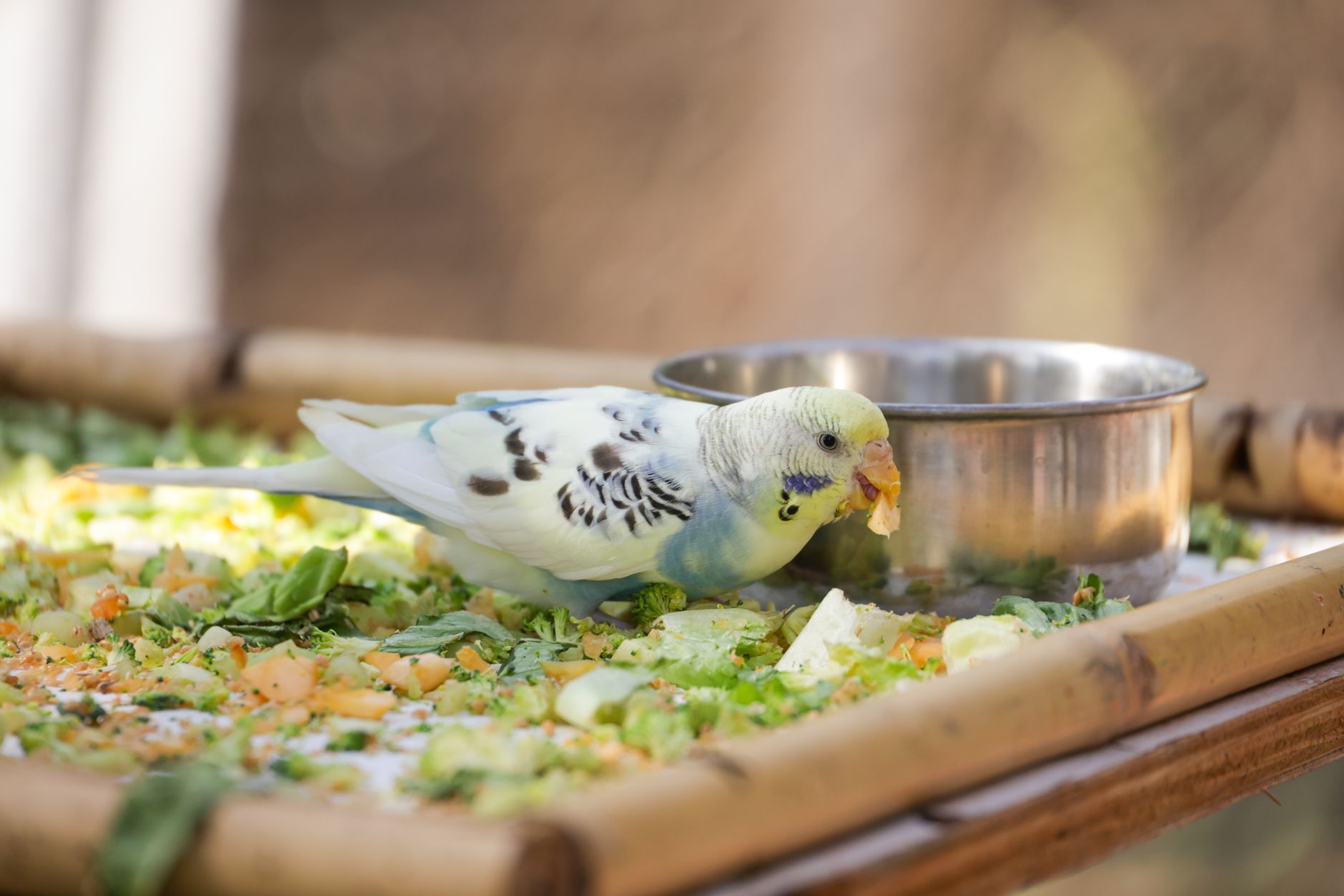
Understanding the Importance of Pellets in Avian Nutrition
In the wild, many bird species forage for a wide variety of seeds, grasses, buds, fruits, and insects. Pet birds kept in captivity, however, rarely burn enough calories to justify a continuous all-seed menu. Commercial seed mixes often result in selective eating—meaning your parrot, budgie, or cockatiel will pick out their favorite high-fat seeds (like sunflower seeds and safflower seeds) and leave behind the rest, leading to severe nutritional imbalances.
Pellets are formulated to provide complete and balanced nutrition in every single bite. They eliminate selective feeding, ensuring that your bird receives steady amounts of calcium, vitamin A, vitamin D3, and essential proteins. Shifting toward a pelleted diet supports vibrant plumage, a stronger immune system, and a longer, healthier lifespan.
Furthermore, understanding the biological differences in avian species helps tailor this nutritional approach. While granivorous birds like cockatiels and budgies naturally consume grass seeds, their captive counterparts lack the expansive flight distances required to burn off concentrated lipids. Pellets bridge this evolutionary gap by mimicking the diverse nutritional profile of a mixed foraging diet without the excessive fat content found in commercial seed bags.
Evaluating Your Bird's Current Diet and Health Baseline
Before launching into any food transition, you need to establish a clear baseline of your bird's current weight, eating habits, and overall health. Birds are prey animals that instinctively hide illness or weakness, which means a sudden refusal of food can become dangerous very quickly. Weighing your bird daily using a sensitive digital gram scale is the single best way to monitor whether they are actually consuming their new food or simply starving themselves in protest.
Take note of how your bird interacts with their food bowl. Do they eagerly rush over when fresh food is served, or do they casually graze throughout the day? Understanding their daily routine will help you choose the right conversion method. For new avian companions or those adjusting to a home, incorporating tools like the New Pet Checklist can ensure your husbandry fundamentals are rock solid before tackling dietary changes.
Keep a detailed food journal for at least one week prior to the transition. Note the exact amounts of seeds offered versus what is left behind at the end of the day. This quantitative tracking prevents guesswork and ensures that if your bird begins rejecting food entirely, you catch the deficit within hours rather than days.
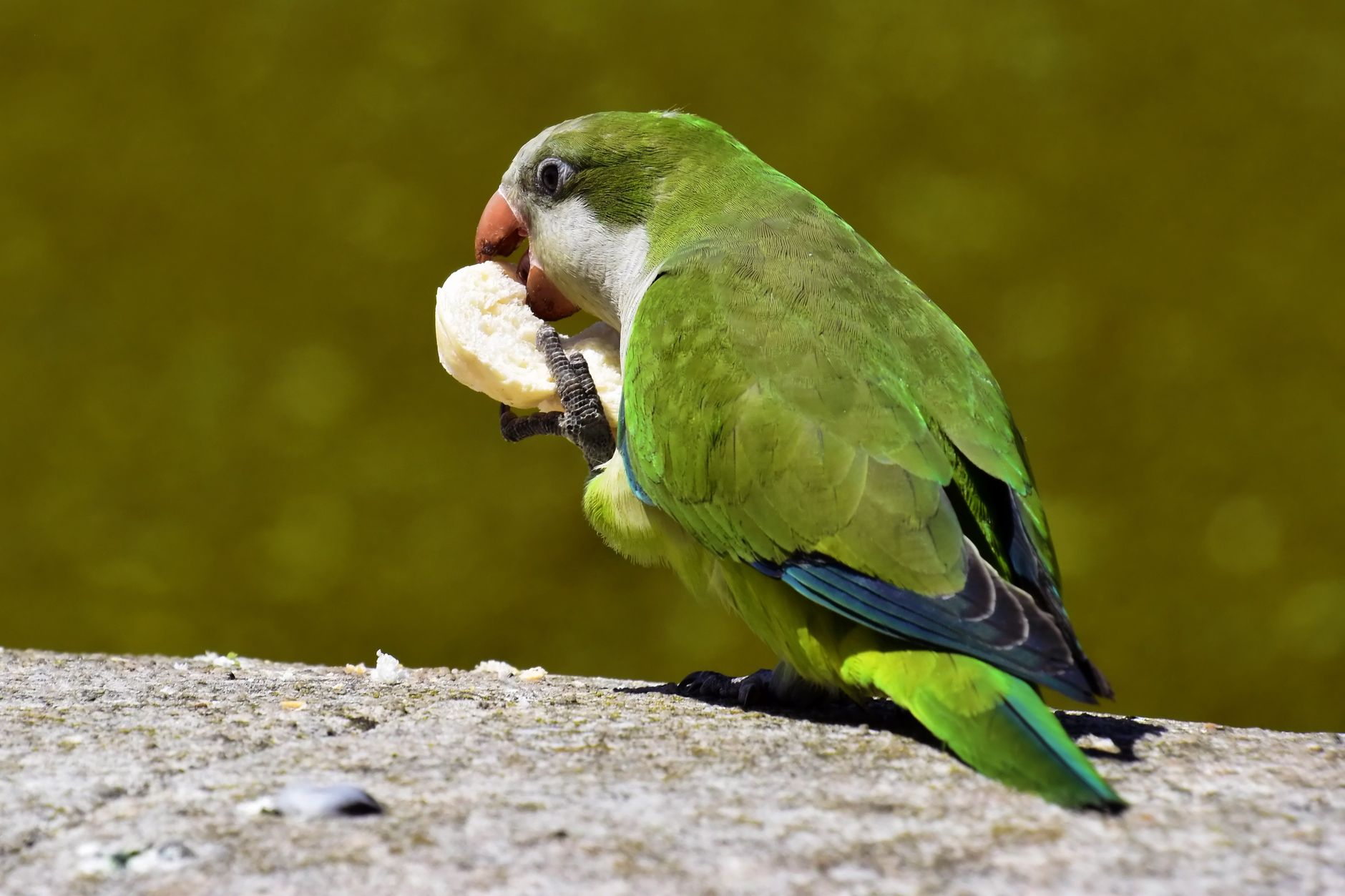
Step-by-Step Methods for Converting Your Bird to Pellets
There is no single "correct" speed for a diet conversion. Some enthusiastic eaters will accept pellets within days, while stubborn seed addicts may require weeks or even months of gentle coaxing. Here are the most effective, veterinarian-recommended methods to help your bird make the switch.
Method 1: The Gradual Mixing Method
This is the most common and least stressful approach for most birds. Start by filling your bird's bowl with 90 percent of their usual seed mix and 10 percent crushed or powdered pellets. Over the course of two to four weeks, slowly increase the proportion of pellets while decreasing the seeds. Watch the bottom of the cage; you want to see pellet dust and chewed pieces, which indicate that the bird is actually tasting and breaking down the new food.
Method 2: The Wet Mash Technique
Many birds prefer warm, soft textures over dry, hard objects. Grind your chosen pellets into a fine powder using a clean coffee grinder, then mix the powder with warm water, unsweetened applesauce, or mashed vegetables to create a warm, oatmeal-like mash. Serve this in a shallow dish. Once your bird shows interest in the mash, gradually reduce the amount of liquid over several weeks until you are offering dry pellets.
Method 3: The Flocking and Mimicry Approach
Parrots are flock animals that learn by observing others. If you have multiple birds and one already eats pellets, let the hesitant bird watch the pellet-eater enjoy their meal. If you are your bird's only flock member, pretend to eat the pellets yourself! Exaggerate how delicious the pellets are, making clicking sounds of approval near the cage. Curiosity often overcomes suspicion when a bird sees their trusted caregiver enjoying the exact same item.
Method 4: The Color and Texture Variation Strategy
Sometimes, bird reluctance stems from a simple aversion to a specific brand, shape, or color. Experiment with multiple reputable brands. Some birds prefer brightly colored, fruit-scented pellets initially, while others gravitate toward natural earth-toned pellets that resemble seeds. Providing a shallow dish containing a diverse mix of shapes can spark tactile exploration.
Species-Specific Transition Considerations
Different avian families possess distinct behavioral quirks and physical traits that influence how they approach food conversion.
Budgies and Lovebirds (Small Hookbills)
Small parrots have fast metabolisms and can become dangerously weak if they fast for even 24 hours. When transitioning budgies, choose micro-pellets that fit comfortably in their beaks. Because they love to shred paper and explore small crevices, hiding micro-pellets inside folded paper wrappers or cardboard foraging wheels accelerates acceptance.
Cockatiels and Conures (Medium Parrots)
Cockatiels are notorious creatures of habit. They can be incredibly stubborn when seed cups are altered. Using the warm mash technique mixed with spray millet dust is often the breakthrough required for cockatiels. Conures, being highly inquisitive and playful, respond remarkably well to hand-feeding experiments and foraging toys.
African Greys, Amazons, and Cockatoos (Large Parrots)
Large parrots possess high intelligence and strong jaws. They will often intentionally crush pellets into dust simply out of defiance or boredom. Providing large, dense block-style pellets that require chewing rather than instant shattering can keep them engaged. Involving them during family meal times—eating pellet-based treats together—builds trust and encourages imitation.
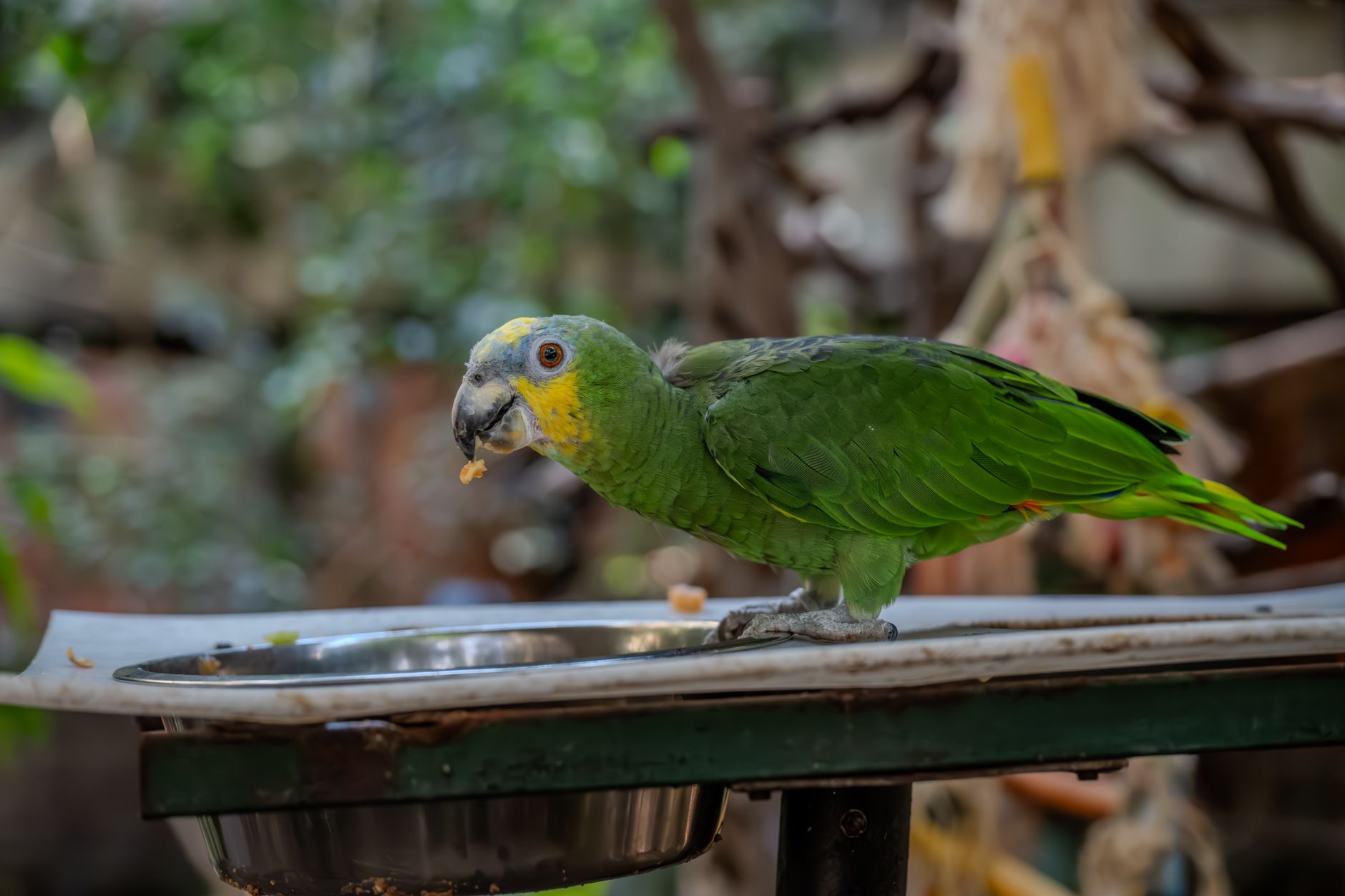
Common Mistakes to Avoid During Diet Conversion
Dietary conversions require finesse. Avoiding common pitfalls will protect your bird's health and reduce frustration for both of you.
- Cold turkey removal: Never remove seeds entirely overnight expecting your bird to eat pellets out of hunger. Birds will readily starve themselves rather than eat something they do not recognize as food.
- Ignoring weight loss: Failing to track your bird's weight daily can lead to silent, rapid decline. If your bird loses more than 10 percent of their body weight, immediately offer their preferred seeds and consult an avian vet.
- Choosing the wrong pellet size: Offering large parrot pellets to a tiny budgie or lovebird will cause instant rejection. Match the pellet size to the species.
- Leaving wet food out too long: Wet mashes and warm pellet mixes spoil quickly in warm indoor environments and can harbor harmful bacteria. Remove them after two hours.
- Giving up too early: Many owners abandon the conversion after three days because the bird screams or ignores the bowl. True dietary adaptation requires weeks of consistent, stress-free exposure.
Enhancing Mealtime Enrichment and Engagement
Transitioning to pellets is also a great opportunity to revamp how you present food. Many birds reject pellets simply because they are boring compared to ripping open seed hulls. Combine pellet introduction with foraging activities. Hide small pellets inside paper twists, foraging toys, or cardboard boxes. When your bird has to work slightly for their food, their natural foraging instincts kick in, making the new food item much more appealing and fun to explore.
You can also create colorful foraging skewers by threading chunks of fresh bell peppers, broccoli florets, and hard pellets together. As the bird climbs and chews through the vegetables, they inevitably ingest pellet fragments stuck to the wet surfaces. This bridges the gap between fresh enrichment and dry nutrition.
To help organize your feeding routine and keep track of scheduled treats, fresh greens, and pellet ratios, you can utilize the Pet Feeding Schedule Generator to maintain consistency.
When to Seek Professional Avian Veterinary Support
While most healthy adult birds can successfully transition to a pelleted diet with patience and creativity, certain situations demand professional intervention. If your bird has pre-existing health conditions, chronic respiratory issues, or has been on an all-seed diet for many years with severe liver or metabolic stress, consult an avian veterinarian before starting. Your vet can provide specialized nutritional formulas, prescribe vitamin supplements if necessary, and monitor blood work to ensure your bird's organs are functioning optimally during the lifestyle change.
If your bird exhibits prolonged fluffed feathers, watery droppings, relentless screaming, lethargy, or a noticeable breastbone prominence (indicating muscle wasting), stop the transition immediately, restore their familiar seed diet, and seek emergency veterinary care. Your bird's safety always takes precedence over dietary ideals.
Frequently Asked Questions
How long does it take to switch a bird from seeds to pellets?
The timeline varies wildly depending on the individual bird. Some accept pellets within a week, while stubborn parrots or older birds can take anywhere from four weeks to several months. Patience and daily consistency are key.
What should I do if my bird refuses to eat any pellets at all?
If your bird completely ignores dry pellets, step back and try the warm mash method, or coat the pellets in a tiny splash of vegetable juice or crushed seed dust to add familiar flavor and aroma. Never let your bird go without food; always ensure they have access to familiar sustenance if they reject the new offering.
Are colored and flavored pellets better than plain ones?
Not necessarily. While colorful or fruit-flavored pellets can initially attract curious birds, artificial dyes and added sugars are largely unnecessary. Many avian veterinarians recommend plain, natural-colored pellets for long-term health, though colored pellets can be a helpful stepping stone during early conversion stages.
Can birds eat too many pellets once they switch?
Unlike seeds, which are high in fat and can cause rapid weight gain when overconsumed, high-quality pellets are balanced. However, portion control is still important based on your bird's species and daily activity level to prevent general overeating.
Should I still offer fresh vegetables and fruits during the pellet transition?
Yes! Fresh vegetables, leafy greens, and occasional fruits provide wonderful variety, hydration, and nutritional enrichment. Fresh foods should complement the pelleted base diet rather than replace it entirely.
How can I tell if my bird is actually swallowing the pellets?
Inspect the bottom of the cage daily. Birds that are merely playing with pellets will leave behind fine powder and chewed-up chunks without eating. If you notice empty pellet hulls or notice your bird chewing with visible throat swallowing movements, they are consuming the food successfully.
Is it safe to leave pellets in the cage all day?
Dry pellets can safely remain in the cage throughout the day, provided they stay dry and clean. However, any moist pellet mash or fresh foods must be removed after two hours to prevent dangerous bacterial or fungal growth.
What if my bird only eats the pellets when hand-fed?
Hand-feeding pellets is a fantastic bonding exercise and a great way to kickstart conversion. To transition them to independent eating, gradually phase out hand delivery by placing the pellets in a bowl right next to your hand, then slowly moving the bowl further away over several days.
Helpful PawPrintHub Tools
To keep your pet bird care organized and ensure you have all essential husbandry practices in place, explore these free tools:
- New Pet Checklist - Review fundamental supplies and habitat setup requirements.
- Pet Feeding Schedule Generator - Build and maintain a consistent daily feeding routine for your companion animals.
Conclusion
Transitioning your pet bird to a pelleted diet requires dedication, keen observation, and a gentle, step-by-step approach. By replacing high-fat seeds with complete and balanced pellets, you are investing directly in your bird's long-term health, vitality, and longevity. Remember to monitor your bird's weight daily, celebrate small victories, and never rush the process at the expense of your bird's well-being. With time, creativity, and unwavering encouragement, your feathered companion will successfully embrace their new, healthier lifestyle.
Support free pet guides and tools.
Buy Me a Coffee
Comments
Post a Comment