
How to Train a Puppy at Home: 15 Easy Positive Reinforcement Tips
Training a new puppy at home does not have to be confusing. The most effective starting point is a simple routine built around clear cues, small rewards, patience, and plenty of repetition. Whether you are learning how to train a puppy at home for the first time or trying to solve common puppy behavior problems, the goal is the same: make the behavior you want easy to understand and rewarding to repeat.
Positive reinforcement helps make puppy training clear, rewarding, and enjoyable. Photo source: Pexels.
This beginner-friendly puppy training guide covers positive reinforcement puppy training at home, potty training, crate training, leash walking, recall, biting, barking, jumping, the place command, impulse control, socialization, and separation-related behavior. You can use it as a practical puppy training schedule for beginners and adapt each step to your puppy's age, confidence, and energy level.
- Start with positive reinforcement
- Keep training sessions short
- Teach your puppy their name
- Teach sit
- Teach stay
- Train a reliable recall
- Potty train with a routine
- Crate train positively
- Stop puppy biting by redirecting
- Leash train without pulling
- Reduce jumping on people
- Teach leave it
- Teach a place cue
- Help an overexcited puppy settle
- Build confidence when alone
1. Start With Positive Reinforcement Puppy Training at Home
If you want to know how to train a puppy at home without punishment, start by rewarding the behaviors you want to see again. A reward can be a tiny treat, a favorite toy, calm praise, access to something the puppy wants, or a short game.
The timing matters. Reward your puppy immediately after the correct behavior so the connection is easy to understand. For example, if you ask for "sit," give the reward as soon as your puppy's bottom reaches the floor. Fast, consistent feedback makes learning much clearer than correcting mistakes after the moment has passed.
2. How Long Should Puppy Training Sessions Be?
One of the most useful long-tail questions new owners ask is how long should puppy training sessions be. Puppies have short attention spans, so several brief sessions are usually more productive than one long lesson. You can practice for a few minutes at a time during natural moments of the day, such as before meals, before opening the door, or during play.
Stop while your puppy is still interested. Ending on an easy success helps training feel like a game instead of a chore.
- Morning: name response, sit, and potty routine
- Midday: leash practice and short recall games
- Afternoon: handling, socialization, and leave it
- Evening: place training, calm behavior, and crate routine
- Throughout the day: reward good choices you notice naturally
3. Teach Your Puppy Their Name First
Before expecting reliable obedience, teach your puppy that hearing their name means something good is about to happen. Say the puppy's name once in a cheerful voice. When they look toward you, mark the moment with a word such as "yes" and reward them.
Practice indoors where distractions are low. Once your puppy responds easily, repeat the exercise in different rooms, the garden, and eventually on walks. This simple game creates the attention you need for nearly every other skill.
4. How to Teach a Puppy to Sit
Hold a small treat close to your puppy's nose, then slowly move it upward and slightly back. As the puppy follows the treat with their nose, their bottom will often lower naturally. The moment they sit, mark and reward.
After several successful repetitions, begin saying "sit" just before the movement. Over time, reduce the food lure so your puppy responds to the cue itself.

5. How to Teach a Puppy to Stay
Ask your puppy to sit. Pause for one second, then reward before they move. Gradually build duration in tiny steps. Next, add a little distance by taking half a step back, returning, and rewarding.
Do not increase duration, distance, and distraction all at once. Make only one part harder at a time. This is one of the easiest ways to make dog obedience training for beginners at home more successful.
Use small, timely rewards for calm responses and successful cues. Photo source: Pexels.
6. How to Train a Puppy to Come When Called
A reliable recall can be one of the most valuable skills your dog learns. Begin in a quiet room. Move a few steps away, say your puppy's name and your chosen recall cue such as "come," then encourage them toward you. Reward generously when they arrive.
Once your puppy responds consistently indoors, add distance slowly. Then practice in a secure outdoor area using a long line. The important idea is that coming to you should predict something worthwhile.
Useful search phrases covered here include how to train a puppy to come when called, how to teach a puppy recall at home, and reliable recall training for puppies.
7. How to Potty Train a Puppy at Home
For owners searching how to potty train a puppy at home fast, consistency matters more than trying to rush the process. Take your puppy to the same toilet area after waking, after eating, after drinking a lot, after active play, and before bedtime. Praise and reward immediately after they finish in the correct place.
Supervision helps prevent accidents. If you cannot watch your puppy, use a safe puppy-proofed area or an appropriately introduced crate for short periods. Clean indoor accidents thoroughly so leftover scent does not encourage repeat toileting in the same spot.
Avoid punishment for accidents. Your puppy needs a clear routine and enough chances to succeed, not fear around toileting.
8. How to Crate Train a Puppy at Night
How to crate train a puppy at night is another common beginner question. The crate should feel like a safe resting area, not a punishment zone. Introduce it gradually with the door open. Toss a few treats inside, feed meals nearby or inside, and allow your puppy to explore at their own pace.
Once your puppy is comfortable entering, briefly close the door while you remain nearby. Increase the duration gradually. At night, place the crate somewhere your puppy can settle and where you can notice if a young puppy genuinely needs a toilet break.
Make sure the crate is large enough for your puppy to stand, turn around, and lie down comfortably. Avoid expecting a young puppy to remain confined for unrealistic periods.
9. How to Stop Puppy Biting Hands and Feet
Puppies explore the world with their mouths, and biting often becomes worse when they are excited, overtired, or teething. If you are searching how to stop puppy biting hands and feet, focus on redirection and management.
- Keep suitable chew toys nearby.
- If teeth touch skin or clothing, calmly stop the interaction for a moment.
- Redirect the puppy to a toy they are allowed to bite.
- Reward calm play and gentle mouth behavior.
- Make sure your puppy gets enough rest because overtired puppies often become extra mouthy.
Try not to turn hand biting into a wrestling game. Fast hand movements can make hands even more exciting to chase.
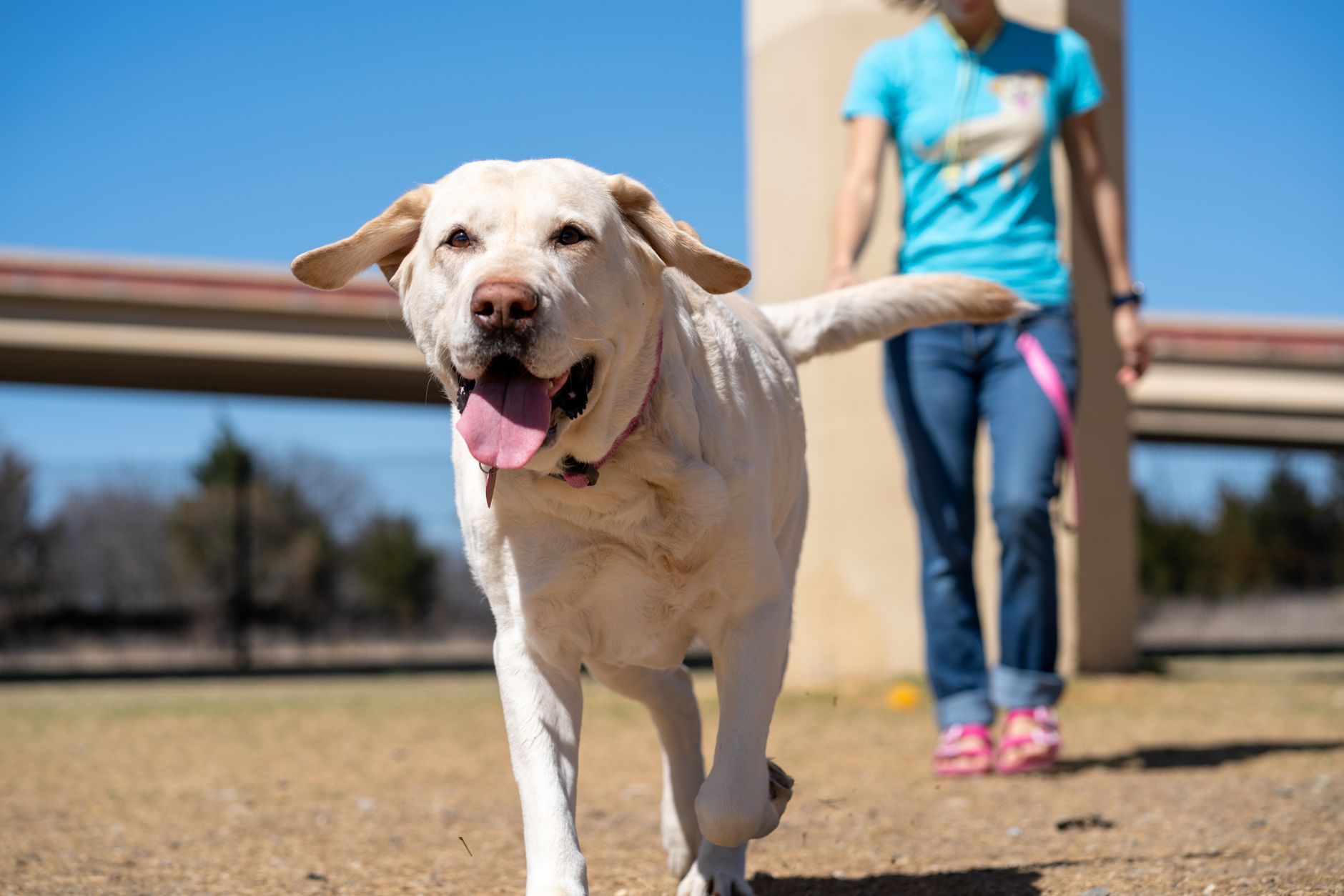
10. How to Leash Train a Puppy Without Pulling
Many owners search for how to leash train a puppy without pulling because walking politely is not automatic. Start indoors or in a quiet area before expecting good leash skills on a busy street.
Reward your puppy for standing or walking near you while the leash is loose. Take one or two steps, reward again, and gradually increase the distance. If the puppy pulls ahead, stop moving or change direction rather than allowing pulling to become the fastest way to reach interesting things.
Use high-value rewards when the environment becomes more distracting. A boring biscuit may work in the kitchen but not beside another dog, a cyclist, or an exciting smell.
Outdoor training becomes easier when you gradually increase distractions. Photo source: Pexels.
11. How to Stop a Puppy Jumping on People
If jumping gets attention, puppies quickly learn that it works. To teach four paws on the floor, reward your puppy before they jump. Ask visitors to stay calm and avoid exciting greetings until the puppy is settled.
You can also teach an alternative behavior such as sit. When someone approaches, ask for a sit and reward it. With repetition, the puppy learns that sitting makes greetings happen faster than jumping.
12. How to Teach a Puppy to Leave It
"Leave it" is useful for food on the floor, unsafe objects, wildlife, and other temptations. Begin with a low-value treat inside a closed hand. Let your puppy investigate. The moment they stop trying to get it or move away, mark and reward with a different treat from the other hand.
Gradually progress to an open hand, then a treat on the floor protected by your foot, and eventually real-life distractions. Keep early sessions easy so the puppy learns that moving away from temptation earns something better.

13. How to Teach a Puppy the Place Command
A place cue teaches your puppy to go to a bed, mat, or designated resting spot. This can be especially helpful during meals, when guests arrive, or when you need your puppy to settle safely nearby.
Stand close to the mat and reward any interest in it. Then reward one paw, two paws, and eventually all four paws on the mat. Once your puppy is repeatedly choosing the mat, add a cue such as "place." Slowly build duration before adding distance or distractions.
14. How to Calm an Overexcited Puppy
Owners often assume an energetic puppy needs even more activity, but overstimulation and lack of sleep can also create wild behavior. If you are searching how to calm an overexcited puppy, think about balance: age-appropriate exercise, sniffing, simple enrichment, training, chewing, and enough quiet rest.
- Wait briefly before the food bowl is placed down
- Sit before a door opens
- Make eye contact before getting a toy
- Go to a mat while people eat
- Pause calmly before starting a game
- Practice leave it with low-value objects
These tiny exercises help your puppy practice self-control during normal daily life instead of only during formal training sessions.
15. Puppy Separation Anxiety Training and Alone-Time Skills
It is useful to teach alone-time skills before a problem develops. Start with very short absences that your puppy can handle calmly. Give them a safe resting area and something appropriate to do, such as a food toy or chew, then return before they become highly distressed.
Increase time gradually. If your puppy is panicking, vocalizing continuously, trying to escape, or showing intense distress, simply leaving them for longer is unlikely to solve the problem. Reduce the difficulty and consider help from a qualified professional if the behavior is severe.
Common Puppy Behavior Problems and Solutions
| Behavior problem | What may help | Useful training focus |
|---|---|---|
| Puppy biting | Redirect to toys, pause rough play, add rest | Gentle play and chew habits |
| Leash pulling | Reward a loose leash and start in quiet places | Attention and position near handler |
| Jumping | Reward four paws down or a sit | Calm greetings |
| Attention barking | Reward quiet behavior and meet reasonable needs | Settle, place, enrichment |
| Ignoring recall | Use better rewards and reduce distractions | Name response and recall games |
| Accidents indoors | Increase toilet trips and supervision | Consistent potty routine |
| Difficulty settling | Add quiet rest, sniffing, and predictable routines | Place cue and calm reinforcement |
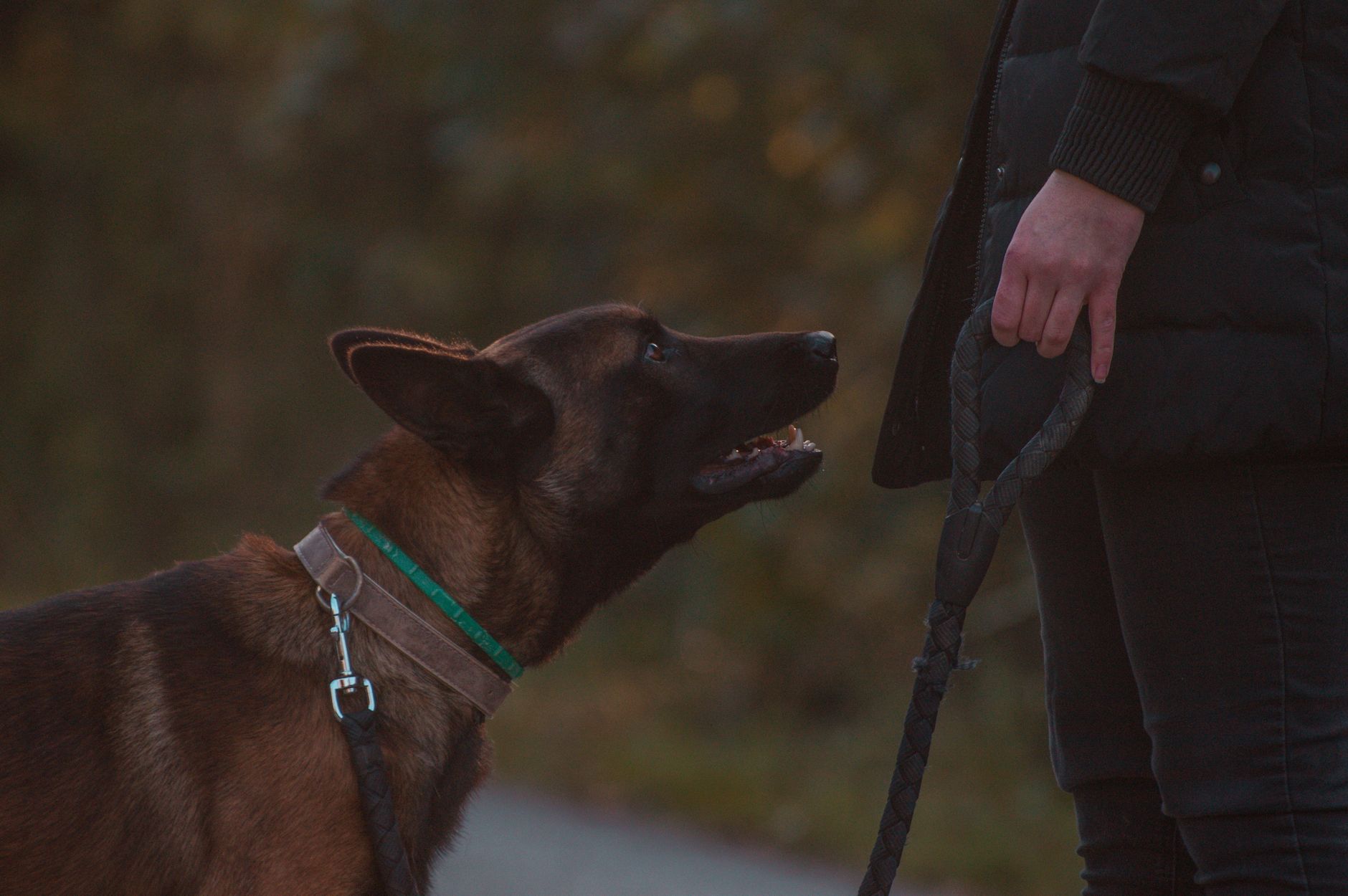
How to Stop Puppy Barking for Attention
Before treating barking as a training problem, check whether your puppy needs the toilet, feels frightened, is uncomfortable, or has been left with too little exercise or enrichment. If the barking is truly attention-seeking, avoid accidentally rewarding every bark with instant interaction.
Instead, notice and reward moments of quiet. Teach a calm alternative such as going to a mat, sitting, or making eye contact. The goal is not to stop all barking. Barking is normal communication. The goal is to help your puppy learn when quiet behavior works better.
How to Socialize a Puppy Safely
Good socialization is not about forcing a puppy to meet as many dogs and people as possible. It is about building calm, positive experiences with the world. Let your puppy observe different people, surfaces, sounds, household objects, vehicles, handling, and suitable dogs at a comfortable distance.
Pair new experiences with food or play and give your puppy space if they look worried. Your veterinarian can advise you about safe outings and disease risk based on your puppy's vaccination status and local conditions.
Best Puppy Training Treats for Positive Reinforcement
The best reward is the one your puppy actually values. For easy indoor work, part of the puppy's normal food may be enough. For harder tasks such as recall outside, you may need something more exciting. Use small pieces so your puppy can train without eating a huge amount.
You can also reward with toys, praise, sniffing, access to the garden, or permission to greet someone when appropriate. Food is useful, but it is not the only possible reward.
7 Puppy Training Mistakes to Avoid
- Repeating cues many times. If "sit, sit, sit" becomes normal, the first cue loses meaning.
- Training in places that are too distracting. Build skills in easy environments first.
- Rewarding too late. Your puppy may connect the reward with the wrong behavior.
- Expecting adult-level self-control. Puppies are still learning how the world works.
- Using the crate as punishment. A crate works best when it remains a safe resting area.
- Calling your puppy and then scolding them. Protect the positive meaning of your recall cue.
- Ignoring sleep and rest. Tired puppies can become bitey, noisy, and difficult to settle.
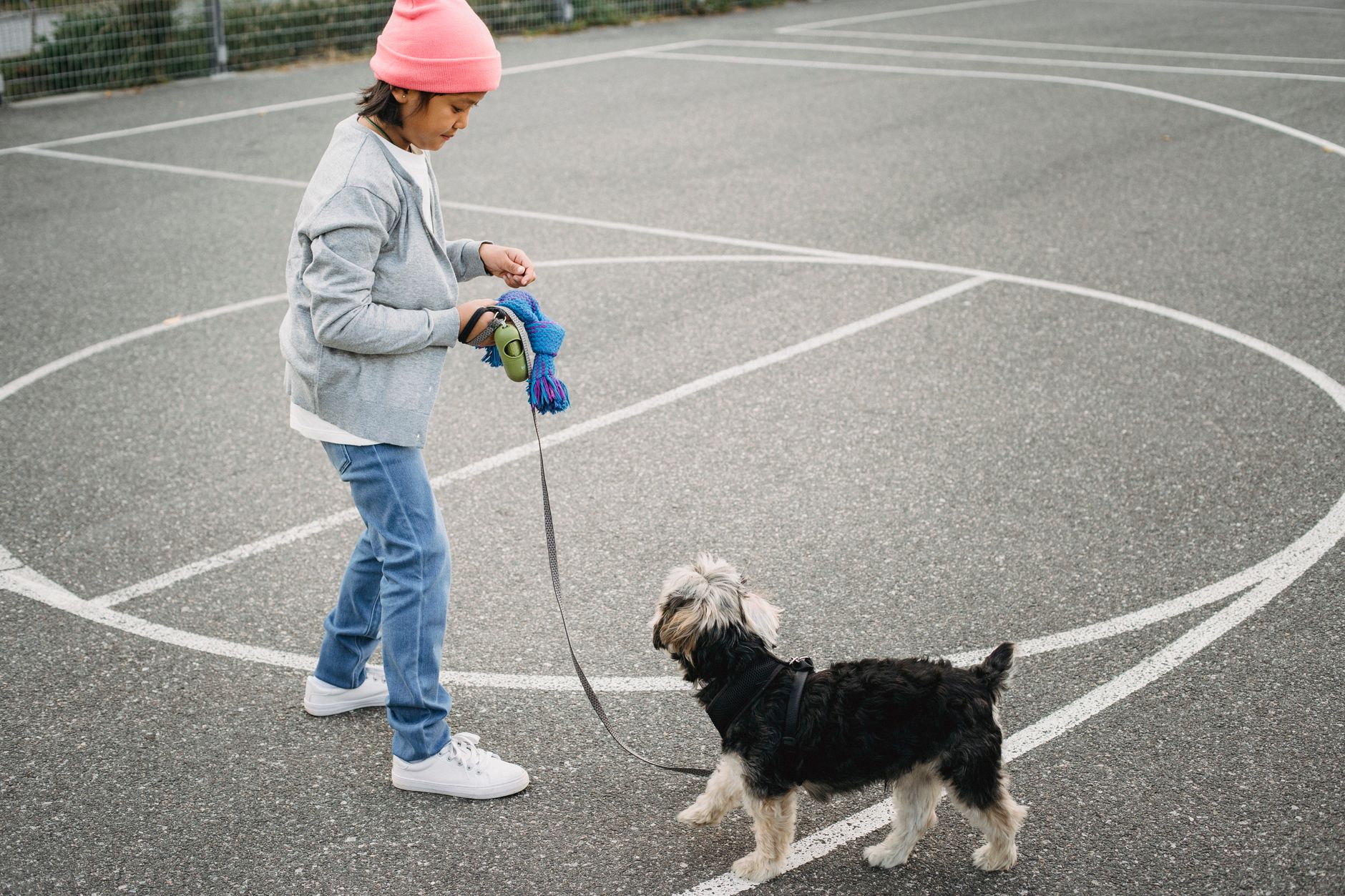
A Simple 7-Day Puppy Training Plan for Beginners
| Day | Main skill | Mini goal |
|---|---|---|
| Day 1 | Name and attention | Reward 10 quick check-ins |
| Day 2 | Sit and potty routine | Practice before meals and doors |
| Day 3 | Recall | Play 5 easy indoor recall games |
| Day 4 | Leash skills | Reward 10 to 20 loose-leash steps indoors |
| Day 5 | Leave it | Practice with low-value food |
| Day 6 | Place and calmness | Reward short mat settles |
| Day 7 | Review | Repeat the easiest version of every skill |
Do not worry if your puppy cannot complete every goal in one week. This schedule is simply a structure. Training is not a race, and progress depends on age, temperament, environment, previous learning, and how consistently the family practices.
Frequently Asked Questions About Puppy Training and Behavior
What is the easiest way to train a puppy at home?
Start with short reward-based sessions in a quiet room. Focus first on name response, sit, recall, potty routine, gentle handling, and calm behavior. Make the correct behavior easy and reward it immediately.
How long does it take to train a puppy?
Basic behaviors can begin improving quickly, but reliable behavior around distractions takes ongoing practice. Puppies also change as they grow, so training should continue through adolescence and adulthood.
How do I stop my puppy from biting me?
Redirect biting to appropriate chew toys, pause play when teeth contact skin, reward calm interaction, and make sure your puppy gets enough sleep. Persistent or unusually intense biting may need professional assessment.
How do I stop my puppy from pulling on the leash?
Begin in a quiet place and reward your puppy frequently for walking while the leash is loose. Increase distractions gradually and avoid letting pulling become the fastest route to every interesting smell or person.
Should I punish my puppy for accidents in the house?
No. Punishment can make toileting confusing or frightening. Use frequent toilet trips, close supervision, a predictable routine, and immediate rewards for eliminating in the correct place.
How can I teach my puppy to come when called?
Start in a low-distraction room, call once in a cheerful voice, move away to encourage the puppy toward you, and reward generously when they arrive. Add distance and distractions only after the easy version is reliable.
What should I do if my puppy cries in the crate?
First consider whether the puppy needs a toilet break or is genuinely distressed. Build crate duration gradually and create positive associations with food, chews, rest, and calm rewards. If the puppy panics, reduce the difficulty and seek professional help when needed.
Can positive reinforcement work for difficult dog behavior?
Reward-based training can teach many everyday skills and improve common behavior problems. Fear, aggression, severe separation-related distress, or sudden behavior changes should be assessed by a veterinarian and an appropriately qualified behavior professional.
Final Thoughts: Build Good Behavior One Small Win at a Time
Learning how to train a puppy at home is less about perfect obedience and more about building communication. Reward the choices you like, prevent unwanted habits from being practiced too often, and make training gradually more challenging as your puppy succeeds.
If you stay consistent with positive reinforcement, your puppy can learn to walk more politely, come when called, settle on a mat, sleep comfortably in a crate, toilet in the correct place, and make better choices around everyday distractions.
Explore More Pet Care Guides on PawPrintHub
Keep learning with practical guides about dog care, puppy behavior, training, nutrition, and everyday pet life.
Visit PawPrintHubSources and Further Reading
- American Kennel Club: Training Tips for Dogs
- American Kennel Club: How to Train a Reliable Recall
- American Kennel Club: Puppy Leash Training
- American Kennel Club: Crate Training
- RSPCA: Training a Dog to Be Left Alone
Pet care note: This article provides general training information and is not a substitute for veterinary or behavior advice for an individual dog. Sudden behavior changes, pain-related behavior, aggression, or severe distress should be discussed with a veterinarian or qualified behavior professional.
Comments
Post a Comment