
How to Teach a Dog to Stop Jumping on People: Positive Reinforcement Guide
One of the most common and frustrating behavioral challenges pet owners face is enthusiastic canine jumping. Whether your dog leaps up to greet returning family members, enthusiastically greets delivery personnel, or startles visiting guests, this habit can feel overwhelming, embarrassing, and sometimes dangerous for children or elderly individuals. Fortunately, understanding why dogs jump helps us correct the issue humanely and effectively. By relying on positive reinforcement, clear communication, and consistent daily management, you can teach your dog that keeping all four paws on the floor is the only reliable way to earn attention, treats, and affection.
Note: This article is for educational purposes and does not replace professional behavioral advice or veterinary care if underlying fear, anxiety, or reactivity is present.
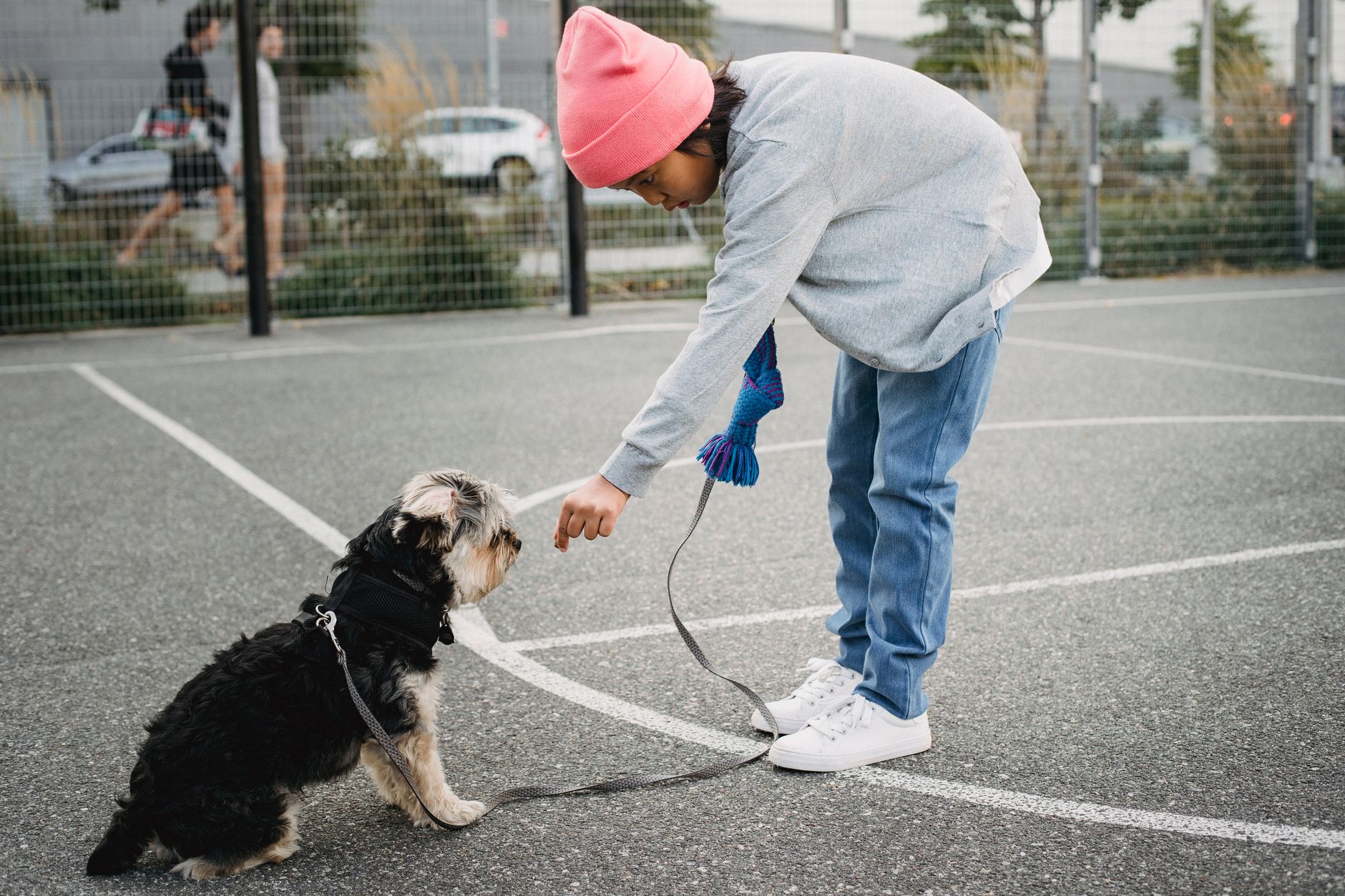
Understanding Why Dogs Jump on People
To successfully change a behavior, you first need to understand its root cause. Dogs do not jump out of malice, spite, or a desire for dominance; rather, they jump because it is a natural, highly effective evolutionary behavior. In the canine world, puppies lick and nose their mother's face to solicit food and attention, and adult dogs greet each other face-to-face. When a dog lives with humans, jumping is simply a practical mechanism to reach our faces, smell our breath, and get immediate eye contact.
Furthermore, humans often inadvertently reinforce this behavior from day one. When a cute eight-week-old puppy bounces up, we naturally bend down, pet them, talk in high-pitched excited voices, and giggle. To the puppy, this translates to a massive jackpot of rewards. As the dog grows into a 65-pound adult, the behavior persists because it historically worked. When we push a jumping dog away or shout "no!," the dog often interprets this physical contact and vocal engagement as an exciting game or a continuation of the interaction. To stop this cycle, we must completely remove the reward of attention for jumping while generously and systematically rewarding calm, four-on-the-floor behavior.
The Science and Philosophy of Positive Reinforcement for Jumping Prevention
Force-free training relies on the principle that behaviors reinforced through rewards tend to be repeated, while behaviors ignored or deprived of reinforcement tend to fade away. When addressing jumping, physical punishments like kneeing, toe-stepping, collar-yanking, or alpha-rolling should be strictly avoided. These harsh methods damage the human-canine bond, increase stress and cortisol levels, and can even trigger defensive aggression in fearful or sensitive dogs.
Instead, positive reinforcement focuses on teaching the dog what to do instead. By establishing crystal-clear criteria—such as "all four paws on the floor equals attention, while jumping equals the disappearance of the human"—the dog quickly learns to calculate the most rewarding choice. Canine cognition thrives on clarity and consistency. When every single human in the household responds to jumping in the exact same manner, the confusion lifts, and polite greeting habits take root much faster.
Step-by-Step Training Plan to Stop Jumping
Correcting jumping behavior requires patience, structure, and absolute consistency across every household member and frequent visitor. Implement this structured step-by-step training framework to reshape your dog's greeting habits from the ground up.
Step 1: Master Management and Prevention
Management is your absolute first line of defense while training is underway. If your dog has a long history of jumping on visitors, every single rehearsal of the bad habit strengthens the neural pathway in their brain. To break this cycle, you must prevent rehearsal entirely.
- Use Indoor Tethers or Leashes: Keep a light, drag-leash on your dog during times when doorbells ring or excitement peaks, allowing you to gently guide them away without grabbing their collar.
- Install Baby Gates: Keep your dog behind a baby gate in the hallway or kitchen when guests arrive, allowing them to observe without practicing the ballistic jumping routine.
- Crate Training Protocols: Utilize a comfortable crate or designated exercise pen as a management tool during high-traffic household events like dinner parties or moving days.
Step 2: Become a Statue (The Art of Ignoring)
The moment your dog's paws leave the floor and they launch toward you, your reaction must be instantaneous. Turn your back completely, fold your arms tightly across your chest, tuck your chin, and become utterly uninteresting. Do not look down at the dog, do not speak a single word (even a reprimand like "off" or "down"), and do not push them away with your hands. The core message you are sending through your body language is crystal clear: jumping makes humans vanish and interaction disappear entirely from the universe.
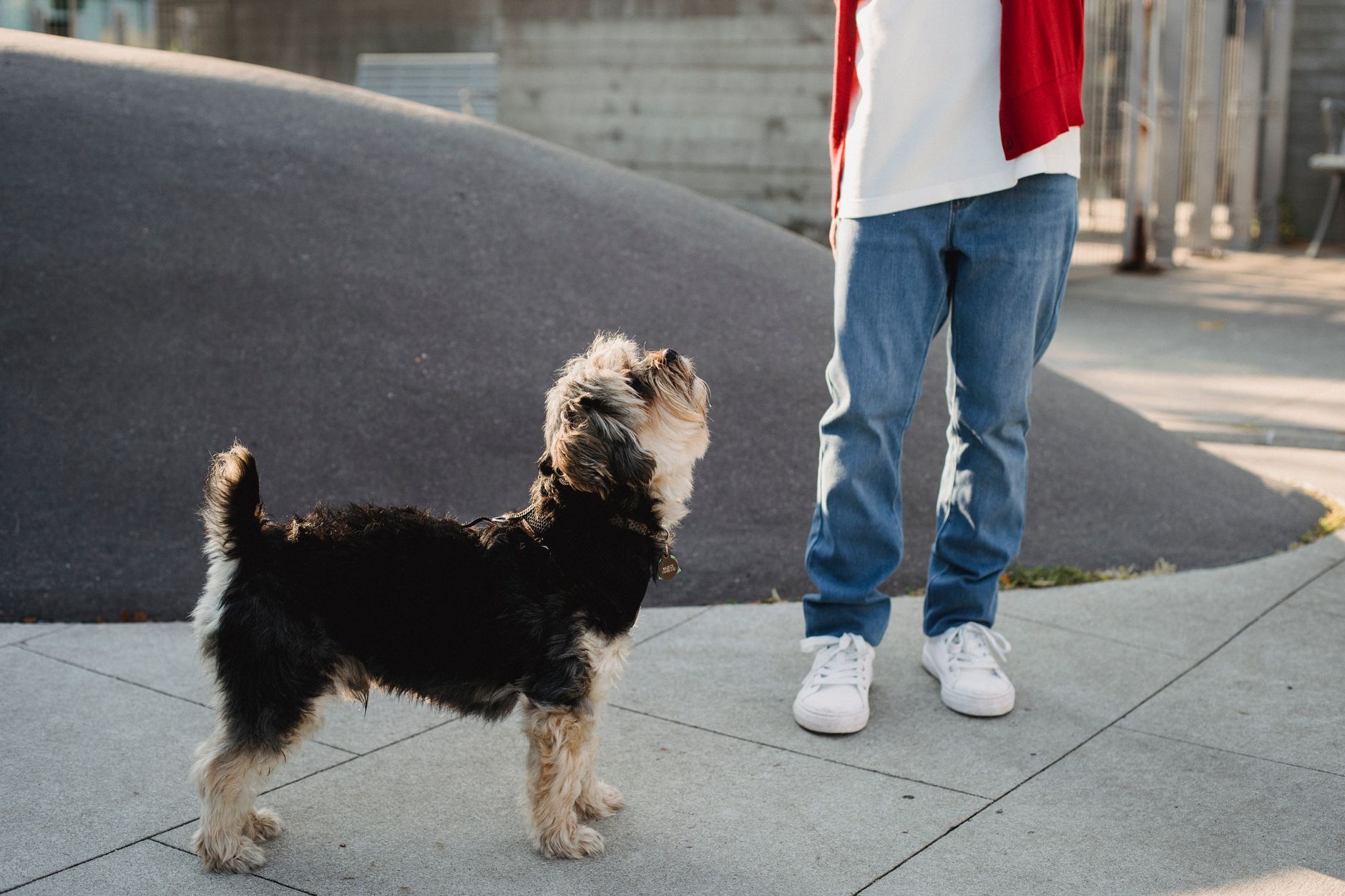
Step 3: Reward the Four-on-the-Floor Position
The microsecond all four of your dog's paws touch the floor and they exhibit even a split second of calm posture or loose body language, immediately deliver a high-value treat right at their nose level. To prevent accidental re-triggering of the jump, bend your knees and deliver the treat down near floor level or drop it directly between their front paws. Timing is everything in this phase; the reward must happen within one to two seconds of paws hitting the floor so your dog makes the direct, indisputable connection between having all paws down and receiving a delicious payout.
Step 4: Teach an Incompatible Alternative Behavior
It is always psychologically easier to teach a dog what to do instead of simply asking them to suppress a natural impulse. Training an incompatible behavior—an action that is physically impossible to perform simultaneously with jumping—transforms the greeting ritual.
- The Polite Sit: Train your dog to automatically sit when approached. Practice this extensively without distractions first, then add movement, then doors opening, and finally real human guests.
- The Place Command: Station your dog on a specific mat or dog bed located a few feet away from the front door. Practice sending them to their "Place" before you open the door to greet visitors.
- Targeting the Hand: Teach your dog to touch their nose to your closed fist or a designated target stick. This keeps their nose engaged downward and away from visitor faces.
Common Mistakes to Avoid
Even well-intentioned pet parents often sabotage their own training progress through subtle inconsistencies. Watch out for these common training pitfalls:
- Accidental Reinforcement: Pushing the dog away with your hands, laughing at their enthusiasm, or gently petting them while they are actively jumping tells them loud and clear that jumping works.
- Inconsistent Household Rules: Allowing family members to rough-house and encourage jumping on the couch while expecting visitors to endure a perfectly behaved greeting completely confuses the dog's moral compass.
- Delayed Rewards: Delivering a treat five or ten seconds after paws touch the floor inadvertently rewards whatever quirky behavior the dog is performing at that exact microsecond—whether that is pawing, whining, or spinning.
- Punishing or Kneeing: Using physical corrections, kneeing the dog in the chest, or shouting angrily damages trust, increases cortisol, and can lead to defensive reactivity or fear-based aggression.
- Giving Up Too Soon: Extinction bursts are common in animal behavior; when you suddenly stop rewarding jumping by ignoring them, your dog may temporarily jump higher, bark louder, or paw harder before accepting the new rules. Consistency must hold firm during this spike.
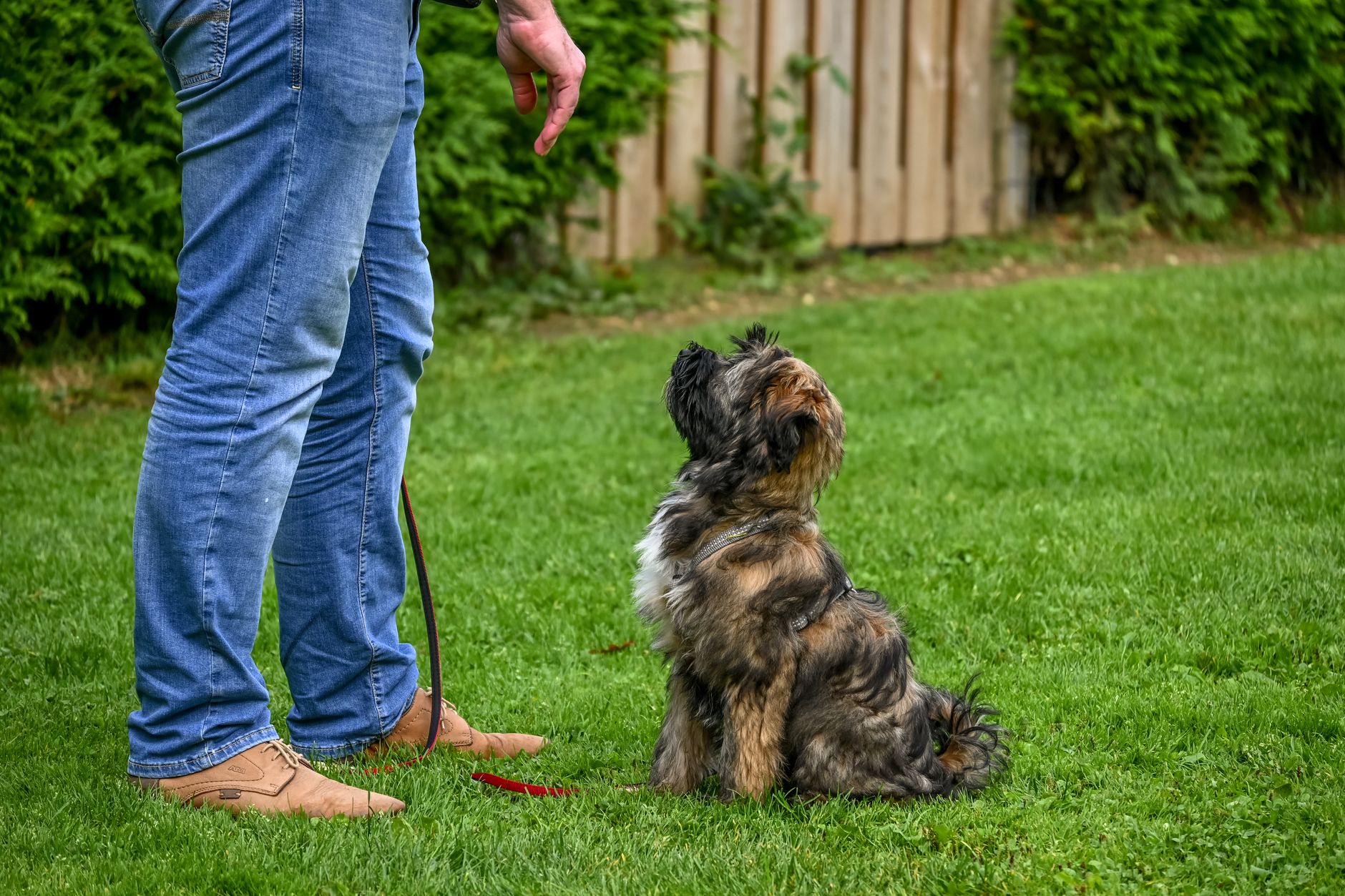
Advanced Practice: Managing High-Distraction Greetings
Once your dog masters calm greetings in quiet living rooms with familiar family members, it is time to proof the behavior against real-world distractions. Environmental distractions test whether your dog truly understands the concept or if they were merely responding to low-stimulus conditions.
Enlist a trusted friend, neighbor, or professional dog trainer to act as a decoy guest. Instruct your decoy to approach your front door slowly. If your dog starts to get reviled, whines, or lifts their paws, your guest immediately steps backward, turns around, or freezes like a statue. Repeat this dance—advancing when calm, retreating when excited—until your dog realizes a profound universal truth: calm posture opens the door to social engagement and friendly pats, while excitement and jumping make human interaction retreat.
Pairing your daily obedience and greeting training sessions with a structured Dog Exercise Planner can also work wonders. Excess physical and mental energy often fuels exuberant jumping; ensuring your dog's daily exercise quotas are met makes them naturally more relaxed and receptive during indoor social scenarios.
Breed-Specific Considerations and High-Energy Dogs
While any dog of any breed or mix can learn polite greeting manners, certain breed groups present unique challenges due to their natural drives, physical builds, and historical purposes:
- Working and Herding Breeds: Dogs like Border Collies, Australian Shepherds, and German Shepherds possess intense work ethics and high arousal levels. They may nip at clothing or herd visitors ankles when excited. Mental enrichment and impulse-control games are mandatory for these breeds.
- Retrievers and Sporting Dogs: Labrador Retrievers and Golden Retrievers are notoriously enthusiastic greeters with an endless love for humanity. Their stocky builds can easily knock over children. Management and structured greeting routines are critical for family safety.
- Toy Breeds: Because small dogs weigh very little, owners often forgive or even encourage jumping up because it doesn't hurt. However, this creates a frustrating, yappy habit that startles visiting guests. Treat toy dogs with the same behavioral expectations as large dogs.
Frequently Asked Questions
Why does my dog jump higher and bark more when I ignore them?
This phenomenon is known in behavioral psychology as an "extinction burst." When a behavior that used to yield rewards suddenly stops working, the animal temporarily increases the intensity, frequency, or volume of the behavior in an attempt to get the reward back. If you give in and pay attention during this burst, you teach your dog that they just have to jump harder and bark louder to get what they want. Hold your ground and wait for calm.
How long does it take to stop a dog from jumping?
Every dog learns at an individual pace determined by their age, breed disposition, past reinforcement history, and the absolute consistency of the household. With daily, focused practice and strict management, many owners see noticeable improvement within two to four weeks. Deeply ingrained habits in adult dogs may take several months of diligent consistency.
What should I do if guests refuse to ignore the jumping?
Politely brief your human visitors before they enter your home or step through the front door. Ask them in advance to cross their arms, turn their backs, and avoid eye contact if the dog jumps up. If certain visitors struggle with compliance or find it too difficult to ignore an enthusiastic puppy, use a baby gate, exercise pen, or indoor leash to keep your dog at a safe, manageable distance.
Should I use treats every single time my dog greets calmly?
In the initial acquisition and fluency phases of training, yes—you should reward every successful calm greeting with high-value treats to build a strong neural habit. Once the behavior is exceptionally reliable and generalized across different people and environments, you can gradually transition to intermittent reinforcement, phasing out food rewards while occasionally rewarding with praise, petting, toys, and verbal celebration.
Can older adult dogs unlearn jumping habits?
Absolutely. While older dogs have deeply ingrained behavioral histories that require more time and patience to rewrite, neuroplasticity exists throughout a dog's entire life. Consistent positive reinforcement, clear boundaries, and management work successfully at any age, whether you have an eight-week-old puppy or an eight-year-old senior rescue dog.
Helpful PawPrintHub Tools
Support your dog's lifelong training journey, physical health, and daily wellness routine with our interactive planning resources:
- Dog Exercise Planner: Balance your dog's physical needs to encourage calm indoor behavior and burn off excess puppy enthusiasm.
- Pet Enrichment Idea Generator: Discover creative mental stimulation activities that prevent boredom-related jumping and restlessness.
- Dog Age Calculator: Understand your dog's current developmental life stage for tailored training expectations and age-appropriate milestones.
Conclusion
Teaching a dog to stop jumping on people is a deeply rewarding exercise in clarity, patience, consistency, and positive reinforcement. By eliminating accidental rewards, managing high-arousal triggers with baby gates or indoor leashes, and consistently rewarding all four paws firmly on the floor, you can transform chaotic, stressful greetings into calm, polite, and enjoyable interactions. Remember that absolute consistency across all human household members—alongside understanding your dog's emotional state—is the ultimate key to lasting behavioral success and a harmonious home.
Support free pet guides and tools.
Buy Me a Coffee
Comments
Post a Comment