
How to Socialize a Shy Pet Bird: A Step-by-Step Trust Building Guide
Bringing home a new avian companion is an exciting milestone, but when that companion spends every waking moment huddled in the corner of the cage, refusing to make eye contact or shrieking at the sight of a human hand, the experience can quickly become overwhelming. Whether you have welcomed a newly weaned budgie, a nervous rescue cockatiel, or an older parrot that has had a turbulent past, helping a timid animal overcome its innate fear requires immense patience, consistency, and a deep understanding of prey-animal psychology. Birds are prey creatures by nature; unlike dogs or cats, which are predator species, a bird's first instinct when faced with an unfamiliar giant (you) is to flee, freeze, or fight. Learning how to socialize a shy pet bird is not about forcing physical contact or rushing into handling; rather, it is a delicate, deliberate process of teaching your feathered friend that your presence means safety, predictability, and positive rewards. In this comprehensive guide, we will walk you through the psychology of avian fear, environmental adjustments to ease stress, foundational step-by-step trust exercises, common mistakes to avoid, and essential tips on when to consult an avian behaviorist or veterinarian.
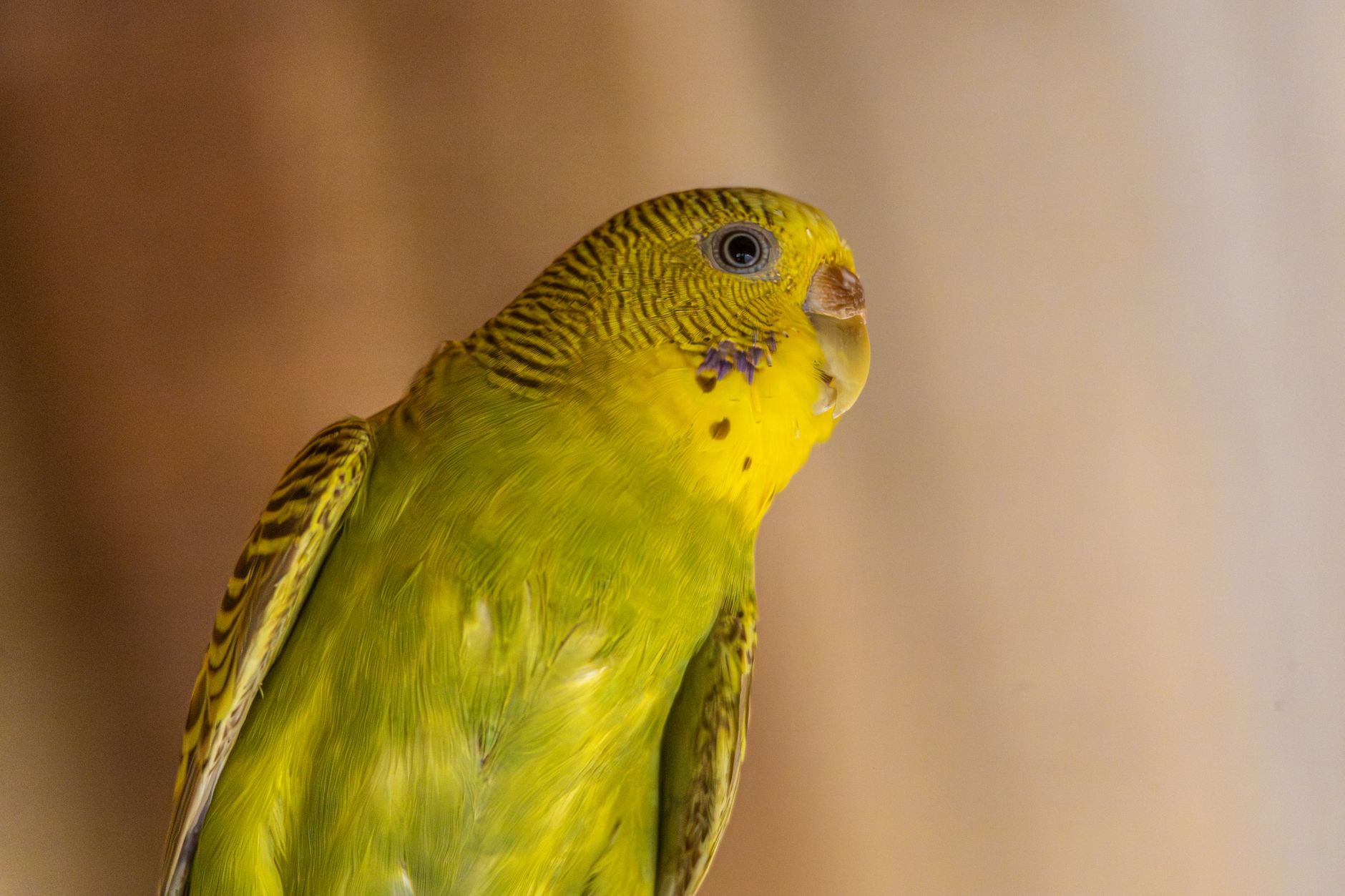
Understanding Avian Psychology: Why Is Your Bird Shy?
Before you can effectively help your bird, you must understand how they perceive the world. In the wild, birds are constantly targeted by hawks, snakes, and climbing mammals. Their brains are hardwired for hyper-vigilance. Every sudden movement, loud noise, or unfamiliar object can trigger a panic response. When a pet bird is labeled as shy, fearful, or aggressive, it is usually operating out of extreme terror rather than malice. Understanding this distinction is the cornerstone of successful socialization.
When you approach a shy bird too quickly, you trigger their flight-or-fight response. If the bird cannot fly away because they are confined to a cage, they may resort to biting, lunging, or freezing in place with sleek, tight feathers and dilated pupils. Recognizing these subtle body language cues is vital. A relaxed bird has loose feathers, may grind its beak, chatter softly, or stand on one foot. A fearful bird will compress its body against the cage bars, pin its eyes, flatten its crest (in cockatiels), or back away frantically. Respecting these boundaries is the first step in building a bridge of trust.
Avian species exhibit distinct personality variations, even within the same flock or clutch. Some birds are naturally curious explorers who adapt within hours, while others are deeply cautious introverts who require months of gentle reassurance. Recognizing your specific pet's baseline temperament allows you to tailor your expectations and training speed accordingly. Never compare your bird's progress to accelerated timelines seen online; every animal heals and learns at its own unique pace.
Disclaimer: The following guidance is educational and intended for general pet care enrichment. It does not replace professional veterinary advice or specialized behavior modification plans from certified avian specialists. If your bird exhibits sudden behavioral shifts accompanied by physical symptoms, consult an avian veterinarian promptly.
Step 1: Optimizing the Environment for Stress Reduction
Trust cannot be built in a chaotic, high-stress environment. Before you begin any direct interaction with your shy bird, you must ensure their physical environment promotes a sense of security and control. Setting up a sanctuary-like habitat drastically reduces baseline cortisol levels and prepares the bird for learning.
- Cage Placement: Place the cage against a solid wall rather than out in the open room. This eliminates the fear of being approached from behind or above, mimicking a safe natural cavity or dense foliage.
- Height Matters: Position the cage at or slightly below eye level. If a cage is placed too low, you loom over the bird like a predatory hawk. If it is placed too high, the bird may feel overly exposed and vulnerable.
- Quiet Zones: Keep the cage away from high-traffic household areas, blaring televisions, doors slamming, and other pets like cats or dogs. A quiet corner allows the bird to decompress and adjust to household sounds at their own pace.
- Safe Retreats: Ensure there is at least one corner or a designated sleep hut where the bird can completely hide from view when they feel overwhelmed. Having a place to retreat gives them a sense of control over their environment.
- Lighting and Routine: Establish a predictable light-and-dark cycle. Providing 10 to 12 hours of uninterrupted, quiet darkness every night helps regulate hormonal balance and reduces nocturnal frights.

Step 2: Passive Desensitization and the Rule of Presence
Once your bird's cage is ideally situated, you can begin the phase known as passive socialization or desensitization. During this stage, your primary goal is simply to teach the bird that your presence is neutral, non-threatening, and consistently predictable. Many owners fail because they try to interact too actively right away; passive presence is the secret weapon of professional avian trainers.
Sit near the cage for 15 to 20 minutes two or three times a day. Do not attempt to touch the bird, speak in a loud voice, or stare directly into their eyes, which can be interpreted as a predatory gaze. Instead, sit sideways to the cage, read a book softly out loud, listen to music through headphones while humming, or do quiet paperwork nearby. Your calm, non-reactive energy allows the bird to observe you without pressure. Over days or weeks, the bird will realize that you linger without causing any harm, which dramatically lowers their baseline anxiety.
As you spend this quiet time near the cage, pay close attention to micro-behaviors. Does the bird stretch its neck toward you, or does it shrink back? If it remains calm while you occupy the same space, you are successfully proving your benign intentions. Gradually decrease the distance between your chair and the cage over a series of days until you can sit comfortably right next to the bars without causing alarm.
During this phase, you can also utilize helpful planning tools like our New Pet Checklist to ensure you have all appropriate enrichment items ready for your bird's ongoing development.
Step 3: Positive Reinforcement and Target Training
As your bird stops panicking when you approach the cage, you can introduce high-value rewards. Birds are highly food-motivated, though their favorite treats vary by species. Millet sprays, safflower seeds, tiny pieces of dehydrated fruit, or fresh leafy greens can work wonders. Never use their daily staple pellets as a special training reward; reserve the absolute best treats exclusively for socialization.
Introduce treats slowly using a technique called bridging or target training. Hold a treat or a blunt wooden chopstick (the target stick) near the cage bars. Do not push it toward the bird. Simply hold it steady and wait. When the bird shows curiosity by leaning forward or stepping closer, immediately offer a gentle word of praise ("Good bird") and deliver the treat. Over time, the bird connects your hand and the target tool with positive, delicious outcomes. This builds immense confidence and shifts their perspective from defensive fear to eager anticipation.
Target training is especially powerful because it puts the bird in the driver's seat. Instead of you forcing an interaction, the bird chooses to move toward the target to earn a reward. Practice this for no more than five minutes at a time to prevent mental fatigue. Consistency across short daily bursts yields far superior results compared to long, sporadic training marathons.
Step 4: Transitioning to Hand Interactions
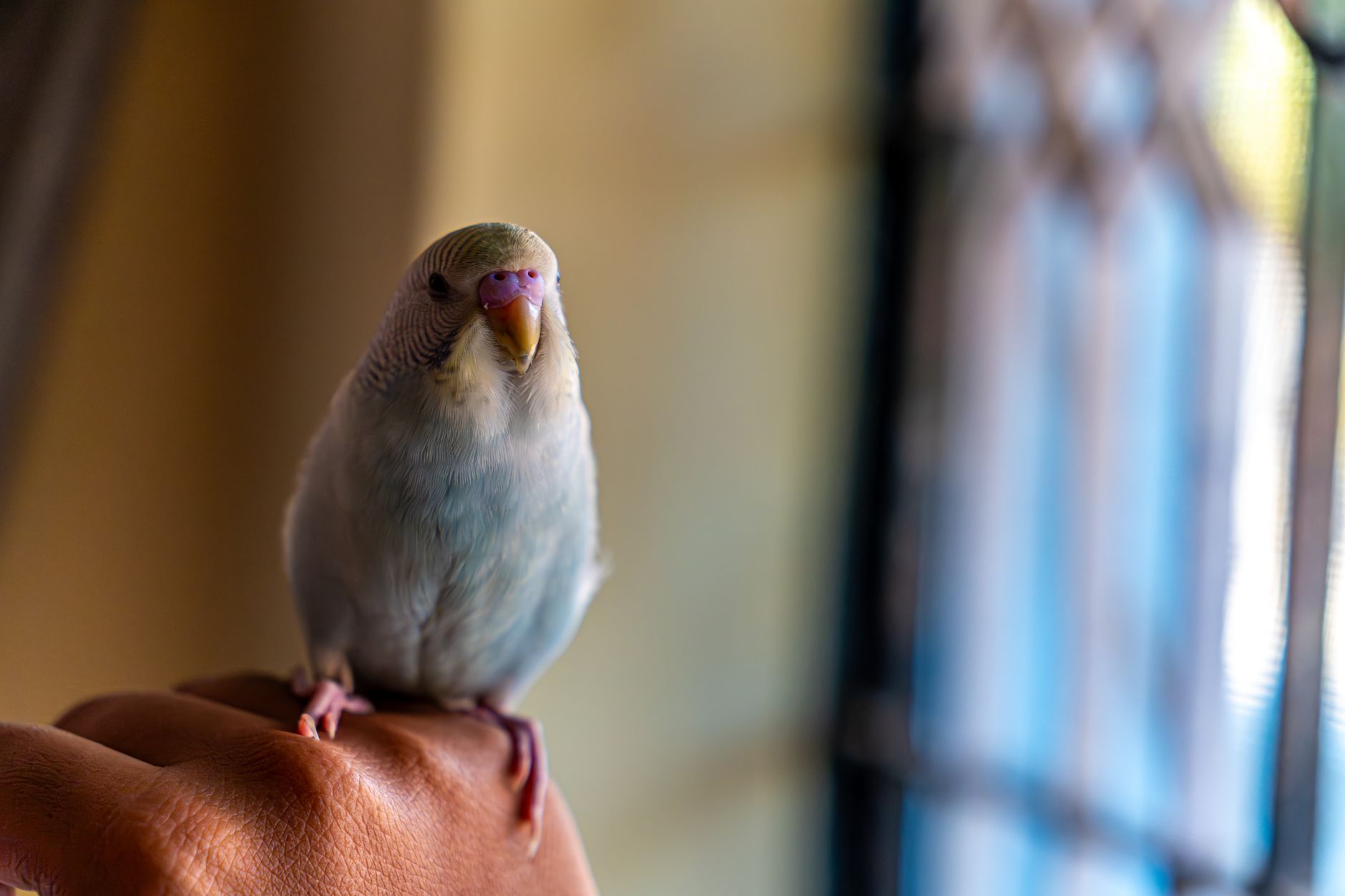
After your bird readily accepts treats through or near the cage bars, you can slowly transition to working with your hands inside the open cage. This step requires immense patience and must never be rushed. The interior of the cage is the bird's ultimate safe zone, so breaching that boundary requires extreme finesse.
- Slow Movements: Always move your hands in slow motion. Fast movements trigger instant panic in prey animals. Imagine moving underwater where every motion is fluid and measured.
- The Flat Hand Rule: When offering a hand inside the cage, present the back of your hand rather than your fingers, and keep your fingers flat and closed. This appears less like a grasping predator foot or claw.
- Read Body Language Closely: If the bird backs away, stops eating, or tightens its feathers, freeze immediately. Wait until the bird relaxes or takes a step forward before proceeding. Never force a bird onto your hand; invite them.
- Incremental Milestones: Celebrate micro-steps. Resting your hand on the outside of the cage is a win; placing your hand inside the cage door without moving is a win; having the bird look at your hand without fleeing is a major milestone.
- Incorporate Enrichment: To keep your bird mentally stimulated and confident during socialization, explore ideas from our Pet Enrichment Idea Generator to introduce safe puzzle toys and foraging boxes outside of direct handling sessions.
Common Mistakes to Avoid When Socializing a Shy Bird
Even well-meaning owners frequently make missteps that stall progress or completely break trust with a timid bird. Avoiding these pitfalls will save you weeks of setback and protect your growing relationship:
- Force-Handling (Flooding): Grabbing a terrified bird out of the cage and holding it tightly against its will is extremely harmful. It destroys trust and teaches the bird that biting and screaming are their only defenses.
- Inconsistent Schedules: Birds thrive on routine. Training for two hours one day and ignoring them for the next four days creates confusion and keeps anxiety high. Keep sessions short (5 to 10 minutes) but daily.
- Punishment: Never yell, tap the cage, or spray a frightened bird with water as punishment. This only teaches the bird that you are an unpredictable, frightening threat.
- Ignoring Physical Health: Sometimes, sudden shyness or aggression is caused by an underlying medical condition, pain, or molt-related discomfort. Always rule out illness if a previously confident bird suddenly becomes withdrawn.
- Wearing Bright Jewelry or Gloves: Wearing heavy work gloves to avoid bites terrifies most birds because gloves look unfamiliar and monstrous. Similarly, dangling shiny jewelry or fake nails can distract and frighten a timid animal.
Species-Specific Nuances in Avian Socialization
While the foundational principles of patience and positive reinforcement apply across the avian world, different families of birds require tailored approaches based on their natural social structures and evolutionary backgrounds.
Small Hookbills (Budgies, Lovebirds, and Parrotlets): These tiny dynamos have lightning-fast metabolisms and quick flight reflexes. Because they are low on the food chain, their initial response to fear is explosive flight. Patience with millet delivered through cage bars works exceptionally well for budgies. Avoid sudden overhead movements, as birds instinctively fear aerial predators.
Medium Parrots (Cockatiels, Conures, and Senegals): Cockatiels are famously gentle yet prone to night frights and nervous crest-flattening. They respond wonderfully to soft, soothing vocal tones and head-scratching once trust is established. Conures are bold, playful, and high-energy, meaning their socialization often accelerates once they realize interacting with you unlocks treats and interactive puzzle toys.
Large Parrots (Amazons, Cockatoos, and Greys): Larger species possess immense intelligence and memory. A breach of trust with a large parrot can take months to mend. Socializing a shy large parrot requires reading complex body language, respecting warning signals instantly, and allowing the bird to dictate the physical distance during early trust-building sessions.
Frequently Asked Questions
How long does it take to socialize a shy pet bird?
The timeline varies wildly depending on the bird's species, age, past experiences, and individual personality. Some budgies or cockatiels may warm up within two to three weeks, while abused or neglected rescue parrots can take several months or even over a year of consistent, gentle patience.
Should I clip my shy bird's wings to help with taming?
Wing clipping is a controversial topic in avian care. While some trainers believe a clipped bird is easier to manage initially because they cannot fly away, many modern behaviorists advise against it for fearful birds. Flight is a bird's primary source of security and confidence; removing it can heighten panic and make them feel entirely helpless.
What should I do if my bird bites me during socialization?
If your bird bites, try your absolute best not to react with a loud noise or sudden jerk of your hand, as this can reinforce the biting behavior if they discover it successfully drives you away. Instead, calmly withdraw your hand without drama, evaluate what triggered the bite, and slow down your approach in future sessions.
Can older, untamed birds ever become friendly pets?
Yes. While young birds socialized from hatching adapt very quickly, older and rescue birds are entirely capable of forming deep, affectionate bonds with humans. It simply requires understanding that their past trauma or lack of early socialization means the trust-building phase will be slower and more deliberate.
How many times a day should I practice socialization exercises?
Short, frequent sessions are vastly superior to long, exhausting ones. Aim for two to three sessions per day lasting no more than 5 to 10 minutes each. Stop immediately while the interaction is still positive, ideally right before the bird shows signs of fatigue or annoyance.
Are certain bird species naturally shyer than others?
Yes. Hand-raised species like hand-fed cockatiels, green cheek conures, and budgies often adjust to human contact more rapidly. Conversely, aviary-bred birds, wild-caught species, or certain parrot species known for being high-strung (such as some African Greys or smaller finches) require much more dedicated, cautious socialization efforts.
When should I seek help from an avian vet or professional behaviorist?
You should consult a professional if your bird shows signs of self-mutilation, severe feather plucking, complete refusal to eat or drink for more than 24 hours, or if weeks of gentle desensitization yield zero progress and your bird remains in a state of constant, debilitating terror.
Helpful PawPrintHub Tools
To support your journey in caring for your feathered companion, explore these helpful tools:
- New Pet Checklist: Ensure your home and habitat are fully equipped before your bird arrives.
- Pet Enrichment Idea Generator: Discover creative mental stimulation ideas to keep your pet bird engaged and happy.
Conclusion
Socializing a shy pet bird is a deeply rewarding journey that teaches valuable lessons in empathy, patience, and non-verbal communication. By respecting your bird's natural instincts as a prey animal, optimizing their enclosure for maximum security, utilizing high-value positive reinforcement, and avoiding the trap of force-handling, you lay a rock-solid foundation for a lifelong bond. Remember that every small step forward—whether it is a relaxed posture, an accepting glance, or taking a treat gently from your fingers—is a major victory. With time, consistency, and unconditional respect for your feathered friend's pace, even the most timid bird can transform into a confident, trusting, and loving companion.
Support free pet guides and tools.
Buy Me a Coffee
Comments
Post a Comment