
How to Socialize a Reactive Dog Around Other Dogs: A Controlled Desensitization Guide
Living with a dog that reacts intensely to other canines can feel overwhelming, isolating, and exhausting. Whether your dog barks, lunges, whines, or freezes the moment another dog appears in the distance, traditional socialization advice like taking them straight to a crowded dog park simply will not work. In fact, flooding a reactive dog with overwhelming environments often worsens their anxiety and reinforces defensive behaviors. To truly help your canine companion, you need a structured, compassionate, and science‑backed approach focused on emotional regulation rather than forced obedience.
At PawPrintHub.com, we believe that understanding your dog's emotional state is the foundation of lasting behavioral change. This comprehensive guide will walk you through the core principles of how to socialize a reactive dog using safe distance management, gradual desensitization, and positive reinforcement. By working below your dog's stress threshold, you can help them reframe their perception of other dogs from terrifying threats to neutral parts of the environment.
Disclaimer: This article is for educational and informational purposes only and does not replace professional veterinary behavioral advice. If your dog exhibits extreme aggression that poses an immediate safety risk, consult a certified positive‑reinforcement animal behaviorist or veterinarian.
Understanding Canine Reactivity vs. Aggression
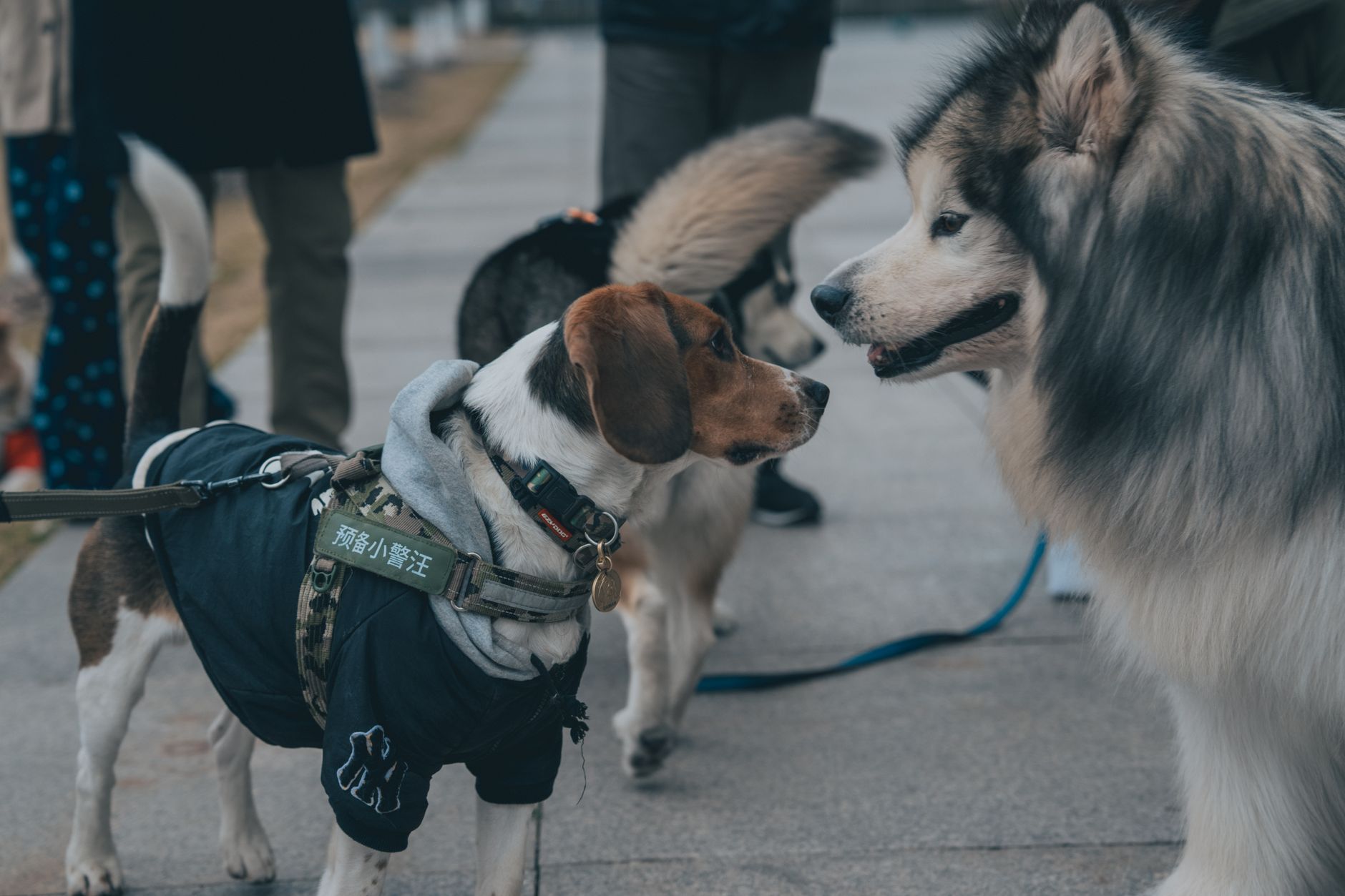
Before implementing any training plan, it is vital to understand what reactivity actually is. Reactivity is an overreaction to everyday stimuli—such as seeing another dog, a bicycle, or a stranger—stemming from fear, anxiety, frustration, or over‑arousal. A reactive dog is often reacting out of a perceived lack of control or an emotional deficit, not necessarily a genuine desire to cause harm.
Many owners confuse leash reactivity with true canine aggression. While an aggressive dog intends to intimidate, inflict damage, or create distance through intimidation, a reactive dog is often experiencing panic or extreme leash frustration. They want to investigate or they want the scary stimulus to vanish immediately. Recognizing this distinction helps you approach training with empathy rather than frustration.
Reactivity can manifest differently depending on breed tendencies, previous life experiences, and socialization gaps during puppyhood. For instance, herding breeds may react due to intense motion sensitivity, while guardian breeds might react due to heightened territorial instincts. No matter the breed, identifying the root emotional driver is essential for tailoring your counterconditioning strategy.
To better understand your dog's daily routines and monitor their overall lifestyle balance, you can utilize helpful resources like the Dog Exercise Planner to ensure your dog is getting appropriate physical outlet without becoming chronically over‑aroused.
The Concept of Threshold Management
The single most important concept when you try to socialize a reactive dog is understanding their threshold. A threshold is the invisible boundary where your dog transitions from calm or mildly aware to emotionally flooded. Once a dog crosses over their threshold into a state of panic, their thinking brain effectively shuts down, and they enter survival mode—barking, lunging, panting, or refusing treats.
Effective training always happens under threshold. This means you must keep your dog far enough away from other dogs so that they notice the other dog, acknowledge it, but remain calm enough to accept food, listen to cues, and process information. If your dog is already lunging at the end of the leash, you are too close. You must create physical distance until your dog can refocus on you.
Recognizing subtle pre‑threshold warning signs can save a training session. Watch for tight lips, closed mouths, a rigid posture, pinned ears, heavy panting without exercise, or obsessive staring. When you spot these micro‑signals, you must immediately increase distance or redirect your dog's attention before a full outburst occurs.
Step‑by‑Step Guide to Desensitization and Counterconditioning
Desensitization involves exposing your dog to their trigger at a very low intensity (such as at a great distance) so they do not react. Counterconditioning involves changing their emotional response to that trigger, typically by pairing the appearance of the trigger with high‑value rewards like small pieces of cooked chicken, cheese, or freeze‑dried liver.
Step 1: Establish Your Training Environment and High‑Value Reinforcers
Choose a quiet, controlled environment such as a large empty park corner, a quiet residential street, or a distant viewing spot near a park perimeter. Do not use standard dry kibble. You need high‑value, highly aromatic treats that instantly capture your dog's attention even when distractions are present. Practice in low‑distraction indoor settings first before venturing outdoors where triggers are unpredictable.
Step 2: Find Your Dog's Safe Working Distance
Position yourself and your dog far enough away from where other dogs frequent so that your dog notices a passing dog but does not react. If another dog appears 100 feet away and your dog looks at them, turns back to you, and takes a treat, you have found the correct working distance. If they stare fixedly or whine, you need to back up another 20 to 50 feet.
Step 3: The 'Look at That' (LAT) Game
As soon as your dog spots another dog in the distance (before any tension, stiffness, or barking begins), say a cue like "Look" or simply wait for them to look at the other dog. The exact micro‑second your dog glances at the other dog and back to you, deliver a high‑value treat. This teaches your dog that noticing another dog predicts a wonderful reward from you.
Step 4: Gradually Reduce Distance Over Time
Over weeks or months of consistent practice, as your dog routinely looks at other dogs and immediately looks back to you with relaxed body language, you can slowly decrease the distance by a few feet during subsequent sessions. Never rush this process. If your dog reacts, you have moved too fast and need to increase distance immediately.
Step 5: Introduce a Positive Cue and Reward System
Once your dog consistently looks at a distant dog and accepts a treat, start adding a verbal cue such as "Stay calm" or a hand signal. Pair the cue with a high‑value reward each time. Over time, the cue will become a signal that the dog can safely observe the other dog without fear.
Step 6: Practice in Varied Contexts
After mastering the controlled environment, gradually move to more realistic settings—busy streets, parks with occasional dog traffic, and eventually a dog park with a controlled number of dogs. Always maintain the distance until your dog remains calm, then slowly lower the distance again. Keep the sessions short (5–10 minutes) and end on a success.
Daily Routines and Management Strategies for Success
Consistency is the cornerstone of behavioral transformation. Implementing structured daily routines can significantly lower your dog's baseline stress hormones, making them less reactive during outdoor excursions. Here is a practical daily routine framework to support your reactive dog:
- Morning Mental Enrichment: Start the day with puzzle feeders, snuffle mats, or nose‑work games instead of a high‑stress walk in a busy neighborhood. Mental exercise burns cognitive energy without triggering adrenaline spikes.
- Decompression Walks: Schedule walks in quiet nature trails, industrial parks on weekends, or empty school yards where dog encounters are rare or nonexistent. Give your dog freedom to sniff, explore, and decompress.
- Targeted Training Sessions: Keep formal desensitization sessions short—around 5 to 10 minutes maximum—to prevent mental fatigue and frustration. Always end on a successful note.
- Evening Wind‑Down: Incorporate calming massage, lick mats, or quiet indoor relaxation time to help your dog process the day's experiences and transition into restful sleep.
Species‑Specific Tips for Common Reactive Breeds
While the core principles remain the same, certain breeds benefit from tailored adjustments:
- Border Collies & Australian Shepherds: These herding breeds have high energy and motion sensitivity. Use a front‑clip harness to reduce pulling and add a "stay" cue to help them focus on you instead of the moving target.
- German Shepherds & Dobermans: Guardian breeds may exhibit heightened territoriality. Emphasize the "leave it" cue and practice with a calm, non‑threatening dog in a controlled setting before increasing exposure.
- Mixed‑Breed City Dogs: Often exposed to unpredictable city life, they may have generalized anxiety. Combine desensitization with a daily calming routine—such as a weighted vest or a calming pheromone spray—to reduce baseline anxiety.
Common Mistakes to Avoid When Socializing a Reactive Dog
Even well‑meaning owners often sabotage their progress by making a few common mistakes during reactive dog training:
- Flooding the Dog: Bringing a reactive dog into enclosed spaces like dog parks, pet store aisles, or crowded sidewalks where they are repeatedly cornered by triggers.
- Using Punishments: Yelling, jerking the leash, or using shock, prong, or choke collars. Punishing a dog for reacting often adds pain and fear to the association, making them more fearful and reactive over time.
- Inconsistent Practice: Expecting miracles after one or two sessions. Behavior modification requires patience, consistency, and daily short sessions.
- Tensing Up on the Leash: Dogs read our body language. If you tighten the leash and tense your muscles the moment you see another dog, your dog feels that physical tension and assumes danger is imminent.
- Skipping Rest Days: Forcing daily reactive exposure without giving cortisol levels time to drop. Chronic stress accumulates in the body, leading to regression.
For tracking health milestones, vaccination records, or planning veterinary checkups as you build your dog's confidence, tools like the Pet Vaccination Planner can help you stay organized.
When to Seek Professional Help
While many mild to moderate cases of leash reactivity can be successfully managed and improved by dedicated owners, some situations require expert intervention. You should seek the guidance of a certified professional dog trainer (CPDT‑KA) or a board‑certified veterinary behaviorist (DACVB) if:
- Your dog's reactivity has escalated to redirected aggression toward you or family members during stressful moments.
- Your dog has a bite history or causes injury to other animals or people.
- You feel unsafe, overwhelmed, or unable to manage your dog safely in public spaces despite trying structured protocols.
- Your dog shows signs of severe generalized anxiety or compulsive behaviors that do not improve with environmental management.
Frequently Asked Questions
Can an adult reactive dog ever truly be socialized?
Yes, adult reactive dogs can learn to tolerate the presence of other dogs and remain calm in public, though they may never become social butterflies who love playing with every dog they meet. Success is measured by calm neutrality rather than forced friendliness.
Why does my dog bark at other dogs only when on a leash?
This is known as leash frustration or barrier frustration. Your dog wants to approach and greet the other dog, but the physical restriction of the leash prevents them from doing so, causing arousal to boil over into barking and lunging.
Should I let my reactive dog "work it out" off‑leash with another dog?
No. Forcing an unmanaged off‑leash interaction with a reactive dog is extremely dangerous and can lead to severe fights, physical injury, and permanent worsening of fear‑based reactivity.
How long does it take to see improvement in reactivity?
Timeline varies significantly depending on your dog's age, history, genetics, and consistency of training. Some owners notice subtle improvements in weeks, while significant behavioral rewiring often takes several months of daily dedication.
Are treats alone enough to stop dog reactivity?
Treats are vital for counterconditioning, but management is equally important. Preventing your dog from repeatedly rehearsing reactive behaviors by avoiding high‑stress situations is critical to long‑term success.
What equipment should I use on walks with a reactive dog?
A comfortable, well‑fitted front‑clip harness combined with a standard 4 to 6‑foot nylon leash is ideal. Avoid retractable leashes, which remove control, and avoid harsh aversive collars that increase anxiety.
How do I handle unexpected off‑leash dogs approaching us?
Carry high‑value treats to scatter on the ground (scatter feeding) to distract the approaching dog, use your body block, or carry an pet‑safe citronella spray deterrent as an absolute last resort to protect your dog.
Helpful PawPrintHub Tools
To support your journey in canine care and wellness management, explore these helpful interactive tools on PawPrintHub:
- Dog Exercise Planner: Build balanced daily physical and mental activity routines tailored to your dog's breed and energy level.
- Pet Vaccination Planner: Keep track of essential health milestones and immunization schedules.
Conclusion
Socializing a reactive dog around other dogs is not about turning an anxious animal into the life of the dog park party. Instead, it is about building emotional resilience, teaching your dog that they are safe by your side, and fostering calm neutrality in the presence of everyday triggers. By respecting your dog's thresholds, practicing consistent desensitization, and maintaining patience through setbacks, you can transform stressful walks into peaceful, enjoyable bonding experiences for both you and your canine companion.
Support free pet guides and tools.
Buy Me a Coffee
Comments
Post a Comment