
How to Socialize and Bond With a Pet Mouse: A Complete Trust-Building Guide
Mice are remarkably intelligent, highly social, and curious little creatures that make wonderful companion animals for dedicated small‑pet owners. However, because they are natural prey animals, wild instincts run deep. When you first bring a new mouse home, everything in its environment looks like a potential threat—including you. Learning how to properly socialize a pet mouse transforms a skittish, hiding animal into a confident, friendly companion that actively looks forward to interacting with you. This comprehensive guide walks you through a step‑by‑step trust‑building process designed to respect your mouse’s boundaries while creating a deep, lasting bond.
Successfully taming a pet mouse is an exercise in patience and empathy. Unlike larger domestic animals such as dogs or cats, mice require an ultra‑gentle approach that respects their lightning‑fast reflexes and delicate biology. Every interaction you have with your mouse either deposits into or withdraws from your relational “trust account.” By following a structured socialization plan, you can turn fearful scampers into eager greetings at the cage door.

Disclaimer: This article is for educational purposes only and does not substitute for professional veterinary advice. If your mouse displays sudden behavioral changes, signs of distress, or physical illness, please consult an exotic animal veterinarian.
Understanding Mouse Psychology and Behavior
Before attempting any direct handling, it helps to understand how mice perceive the world. As tiny prey animals, mice rely heavily on their senses of smell, hearing, and touch through vibrissae (whiskers) to detect danger. Their eyes are adapted for low‑light movement detection rather than sharp detail, which means sudden, towering shadows above their enclosure will instantly trigger a flight response. If you loom over your mouse’s cage, their instinct is to assume you are a predatory bird or large mammalian hunter.
Mice communicate through complex ultrasonic vocalizations, subtle body language, and scent marking. When a mouse freezes, darts frantically into a hideout, squeaks, or drums its tail, it is experiencing acute fear. Recognizing these stress signals is the foundation of successful socialization. Pushing a mouse past its comfort threshold will only delay progress. Building trust requires moving at your mouse’s pace, letting them learn that your presence predicts safety, comfort, and delicious rewards.
Furthermore, mice are exceptionally social pack animals. If you keep a solitary mouse, the responsibility of being its sole social outlet falls entirely on you. If you keep a group of mice, you will notice that confidence is contagious. A bold mouse will often approach your hand first, encouraging more hesitant cage‑mates to follow suit.
Phase One: Scent Familiarization and Passive Presence
The very first phase of socialization happens without you ever touching your mouse. Your goal is simply to make your presence neutral and eventually positive.
- Scent Exchange: Place a small piece of unperfumed tissue or toilet paper inside your shirt or sleeve for a few hours so it absorbs your natural scent. Then, place it gently inside the enclosure. Your mouse will investigate and associate your scent with safety and their secure home environment.
- Passive Presence: Spend 10 to 15 minutes sitting quietly next to the enclosure twice a day. Read a book, speak in a soft, gentle voice, or simply let your mouse get used to the sound of your breathing and movement.
- Hand Resting: Place a clean hand flat on the bedding inside the enclosure without moving it. Let your mouse approach, sniff, and investigate on its own terms. Do not try to grab or stroke the mouse during this phase.
During this introductory phase, consistency is vital. Try to perform these passive exercises at roughly the same time every day, preferably when your mice are naturally waking up in the evening. Avoid strong perfumes, scented lotions, or harsh hand soaps before interacting with your mice, as their sensitive noses can easily become overwhelmed or confused by artificial fragrances.

Phase Two: Positive Reinforcement and Target Feeding
Once your mouse stops running away when your hand enters the enclosure, you can begin introducing positive associations through food rewards. High‑value, safe treats work best for this step, transforming your hand from a neutral object into a reliable source of culinary delight.
Opt for tiny morsels such as a tiny drop of plain yogurt, a single sunflower seed, a tiny piece of rolled oat, or a tiny sliver of fresh broccoli. Hold the treat between your fingertips at the very edge of your hand, resting flat on the enclosure floor. Allow the mouse to approach and take the food. If the mouse grabs the treat and scurries away, celebrate this as a success—they have learned that approaching your hand yields a delicious reward.
As days progress, require the mouse to place its front paws onto your palm to receive the treat. Never chase a mouse with food; always let them make the final approach. This voluntary engagement is the cornerstone of lifelong trust.
Phase Three: Safe Handling and Lifting Techniques
Never pick up a mouse by its tail, as this can cause severe injury, degloving, and breaks down trust instantly. Instead, use a gentle scooping method or tunnel transport.
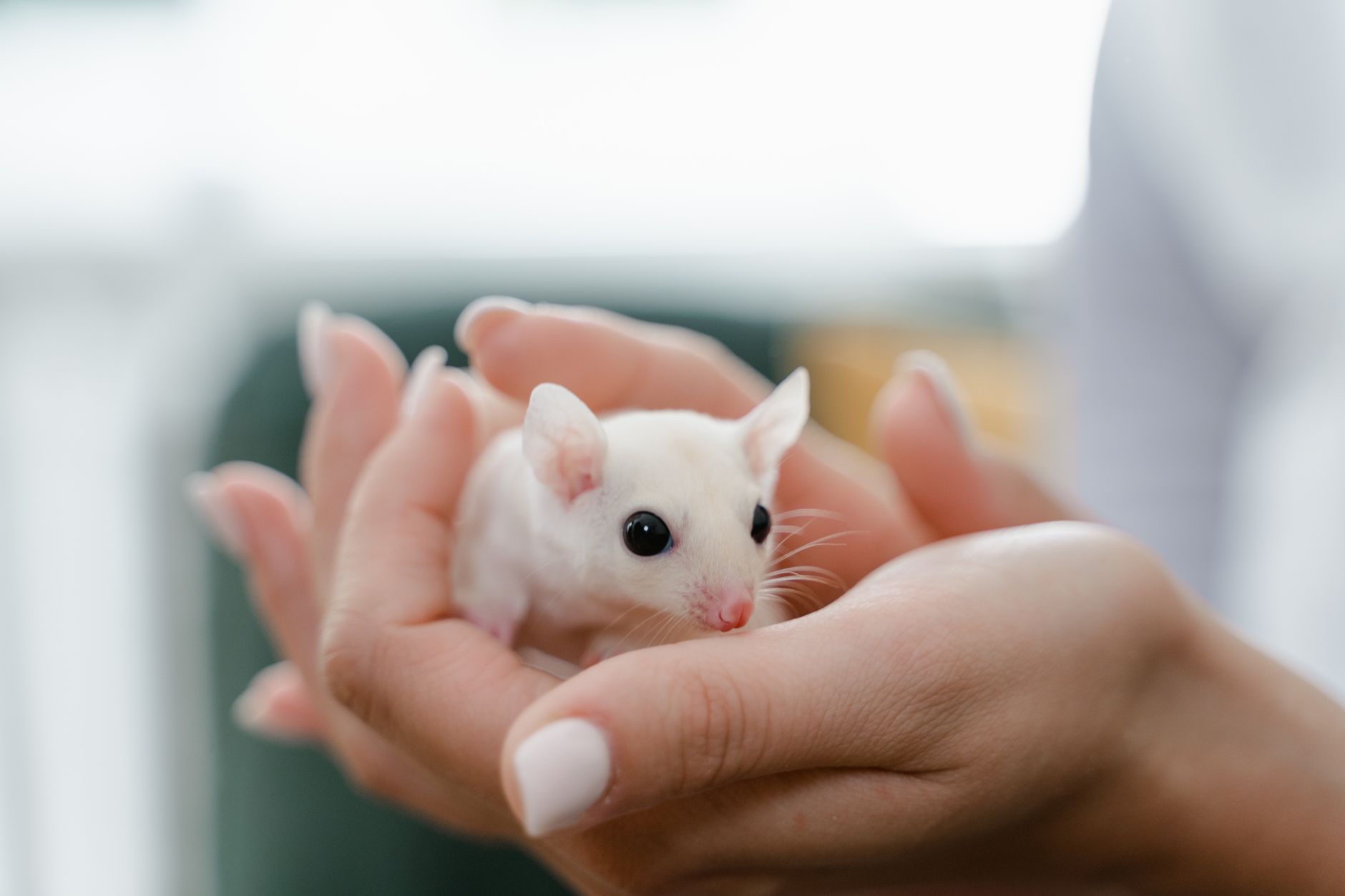
Form a gentle cup or tunnel with both hands inside the enclosure, encouraging the mouse to walk onto your palm voluntarily. Alternatively, you can use a small plastic tunnel, mug, or house as a transport cup if your mouse is still too nervous to step directly onto your skin. Once the mouse is resting securely in your cupped hands, keep your hands low to the ground or inside an enclosed neutral space like an empty storage bin during early handling sessions to prevent accidental falls. Mice have poor depth perception and will readily walk off high surfaces.
Practice short handling sessions lasting just two to three minutes initially. Gradually increase the duration as your mouse shows signs of relaxation, such as grooming itself while sitting on your lap or exploring your arms calmly.
Daily Socialization Routine for Success
Establishing a predictable routine helps your pet mouse feel secure and anticipate interaction times. Here is an ideal daily schedule to follow:
- Morning Check‑in: A quick visual inspection of the cage, ensuring fresh water and food are available, accompanied by a soft, friendly greeting. Avoid waking sleeping mice unnecessarily.
- Evening Quiet Time: Spend 15 minutes sitting near the enclosure just as the room lights dim and your mice become active.
- Interactive Session: Dedicate 10 minutes to hand‑feeding, scent introduction, or gentle out‑of‑cage floor time in a secure, mouse‑proofed playpen.
- Winding Down: Conclude every positive interaction with a final high‑value treat and verbal praise, allowing the mouse to return to its nest on a high note.
Common Mistakes to Avoid During Socialization
Patience is your greatest asset when working with small rodents. Avoiding common pitfalls ensures your bond grows stronger each day and prevents regression in trust.
- Chasing the Mouse: Cornering or chasing a mouse inside its cage destroys trust and reinforces fear. Always let the mouse come to you.
- Waking a Sleeping Mouse: Startling a sleeping mouse can cause a defensive nip or extreme stress. Wait until your mouse is naturally awake and active before interacting.
- Loud Noises and Sudden Movements: Keep the room quiet and avoid fast hand gestures near the enclosure. Turn down harsh televisions or loud music during bonding time.
- Punishing Fear Behaviors: If your mouse squeaks or hides, never scold them. Respect their boundary, back away slowly, and try again later with a more gradual approach.
- Neglecting Environmental Enrichment: A bored mouse is often a stressed or nervous mouse. Provide plenty of tunnels, chews, and climbing structures to keep their minds engaged.
By remaining mindful of these common errors, you create an environment of absolute safety where your mouse feels empowered to explore and bond with you naturally.
Enrichment Ideas to Build Confidence
Confident mice socialize much faster than bored or anxious ones. Incorporating engaging enrichment items into their daily routine stimulates their natural foraging and exploring instincts:
- Cardboard Labyrinths: Cut up old tissue boxes and paper towel rolls to create complex underground mazes that encourage exploration.
- Foraging Toys: Scatter seeds inside crumpled paper bags or cardboard egg cartons so your mice have to work to find their meals.
- Digging Boxes: Fill a shallow storage container with safe paper bedding, coconut fiber, or untreated soil to let them satisfy their instinctual tunneling behaviors.
Species‑Specific Tips for Different Mouse Types
While the core principles of trust building are universal, subtle adjustments can make a big difference depending on whether you have a common house mouse, a fancy laboratory mouse, or a pet‑friendly dwarf hamster that is often mistaken for a mouse. Below are tailored recommendations for each:
- House Mice (Mus musculus): These are the most common pet mice. They are highly adaptable but can be very skittish. Use very small treats (a single seed) and keep handling sessions short at first. House mice thrive on a variety of textures, so include paper tubes and wooden blocks.
- Fancy Laboratory Mice (e.g., BALB/c, C57BL/6): These mice are bred for research and may be more sensitive to handling. Use a soft, non‑absorbent cloth to cover your hands during initial scent exchange, and avoid any strong odors from cleaning agents.
- Dwarf Hamsters (Mesocricetus auratus): Though not true mice, they share many behaviors. They are more solitary and may require longer scent familiarization. Use a small piece of fabric rather than tissue to introduce your scent.
Frequently Asked Questions
How long does it take to socialize a pet mouse?
Every mouse has a unique personality. Some confident mice warm up within a few days, while shyer rescue mice may take several weeks of consistent, gentle daily interaction to build full trust.
Will my pet mouse bite me?
Mice rarely bite unless they are severely frightened, cornered, or if your fingers smell strongly like food. Washing your hands thoroughly before handling prevents accidental nibbles.
Can I socialize multiple mice at once?
Yes, but you will often find that confident mice lead the way. Shy mice in the group will often watch their bolder cage‑mates interact with you and follow their lead more quickly.
What are the best treats for taming mice?
Healthy, low‑sugar treats work best. Tiny drops of plain yogurt, pumpkin seeds, rolled oats, and tiny pieces of cooked chicken or scrambled egg are usually massive hits.
How do I know my mouse trusts me?
A trusting mouse will eagerly greet you at the enclosure door, climb onto your hand without hesitation, groom itself calmly in your presence, and show relaxed body posture.
What should I do if my mouse accidentally falls during handling?
Remain calm, gently guide the mouse back into its enclosure, and check for any signs of limping, labored breathing, or unusual immobility. If you notice any injury, contact an exotic veterinarian immediately.
Can hand‑raised mice bond with multiple family members?
Yes, mice can learn to recognize multiple people, especially if everyone in the household uses the same scent precautions and treats during interaction times.
When to Seek Professional Guidance
While most mice respond wonderfully to positive reinforcement and patient handling, some rescue or traumatized mice may exhibit severe, unprovoked aggression, perpetual panic, or signs of underlying neurological distress. If your mouse bites aggressively despite proper handling, exhibits continuous self‑barbering, or refuses to eat or drink when you approach, it is time to consult an experienced exotic animal veterinarian or an ethical small‑animal behaviorist. They can help rule out underlying pain, illness, or severe trauma that requires specialized care beyond standard home socialization techniques.
Helpful PawPrintHub Tools
Planning to add a new small pet or manage their daily care? Explore our free interactive resources designed to make pet parenting easier:
- Pet Name Generator – Find the ideal name for your new mouse companion.
- Pet Enrichment Idea Generator – Discover fun DIY toys and mental stimulation activities for small pets.
- New Pet Checklist – Ensure you have every essential supply ready before bringing your mouse home.
Conclusion
Socializing and bonding with a pet mouse is a rewarding journey that requires patience, empathy, and consistency. By respecting your mouse’s boundaries, honoring their instincts as prey animals, and rewarding their curiosity with delicious treats, you can build a trusting relationship that lasts a lifetime. Enjoy the process of getting to know your tiny friend’s unique personality and quirks!
Support free pet guides and tools.
Buy Me a Coffee
Comments
Post a Comment