
How to Set Up a Cockatiel Cage for Foraging and Play: A Step-by-Step Enrichment Guide
Cockatiels are incredibly intelligent, active, and social companion birds. In the wild, these Australian parrots spend a vast majority of their waking hours flying across open landscapes, socializing with their flock, and actively searching the ground for seeds, grass, and vegetation. When we keep them as pets, we must replicate these natural behaviors to prevent psychological distress, feather plucking, and chronic screaming. Knowing how to set up a cockatiel cage for foraging and play is the single most effective way to keep your feathered friend mentally stimulated, physically active, and emotionally balanced when they are inside their home.

Understanding Your Cockatiel's Natural Instincts
To design the perfect living space, we must first look at how cockatiels behave in their native habitats. Unlike many canopy-dwelling parrots, cockatiels are ground foragers. They walk along the earth, sorting through dirt, leaves, and twigs to find fallen grass seeds, small plants, and insects. This means a standard cage setup where food is simply dropped into a clean plastic cup does not satisfy their evolutionary drive to work for their meals.
When food is too easy to get, birds quickly succumb to boredom. This lack of activity often leads to chronic stress, stereotypic behaviors (like pacing or cage-bar chewing), and hormonal surges. By transforming their cage from a static holding cell into an interactive playground, you encourage physical exercise and cognitive problem-solving. A dynamic setup promotes continuous mental enrichment for cockatiels, turning mealtime into a fun, hours-long puzzle.
Choosing the Right Cage Foundation
Before you can arrange toys and perches, you need the right canvas. The best cage layout for cockatiels starts with a spacious, safe enclosure. As a general rule, purchase the largest cage your budget and living space allow.
- Minimum Dimensions: For a single cockatiel, the absolute minimum size should be 24 inches wide, 24 inches deep, and 30 inches tall. However, a wider cage is always better than a taller, narrow cage because cockatiels fly horizontally, not vertically.
- Bar Spacing: The spacing between the bars must be no wider than 1/2 to 5/8 of an inch. Anything wider presents a serious risk of your bird getting its head caught, which can lead to fatal injuries.
- Material: Choose powder-coated steel or medical-grade stainless steel. Avoid cheap painted cages, as cockatiels love to chew, and ingesting paint chips can cause heavy metal poisoning.
If you are planning to adopt a bird or upgrade your current setup, budgeting for these high-quality materials is crucial. You can estimate your overall setup and ongoing care expenses using our Pet Cost Calculator to ensure you are fully prepared for the investment.
Step-by-Step Guide: How to Set Up a Cockatiel Cage for Foraging and Play
Now that you have a spacious, safe cage, let us walk through the exact steps to design an enriching environment that encourages natural behaviors.
Step 1: Selecting and Positioning Perches
Many commercial birdcages come with standard, uniform wooden dowel perches. These are highly detrimental to your bird’s feet. Standing on the exact same diameter day in and day out causes pressure points, which can develop into a painful, hard-to-treat infection known as bumblefoot (pododermatitis).
Instead, use a variety of natural wood perches for pet birds. Look for perches made from safe wood branches for cockatiels, such as manzanita, dragonwood, java, applewood, or eucalyptus. These branches have varying textures, curves, and diameters, which naturally exercise the muscles in your bird's feet and keep their nails worn down.
When positioning perches, place one high up in the back corner to serve as a secure sleeping perch. Place others at different levels throughout the cage, ensuring they do not overlap in a way that allows droppings to fall onto lower perches, food bowls, or water dishes. Always leave a clear pathway across the middle of the cage so your cockatiel can flap its wings and hop freely without obstruction.
Step 2: Designing Foraging Stations
Foraging should not be limited to a single spot. Create multiple "foraging stations" throughout the cage to encourage your bird to move around and explore. Here is how to construct them:
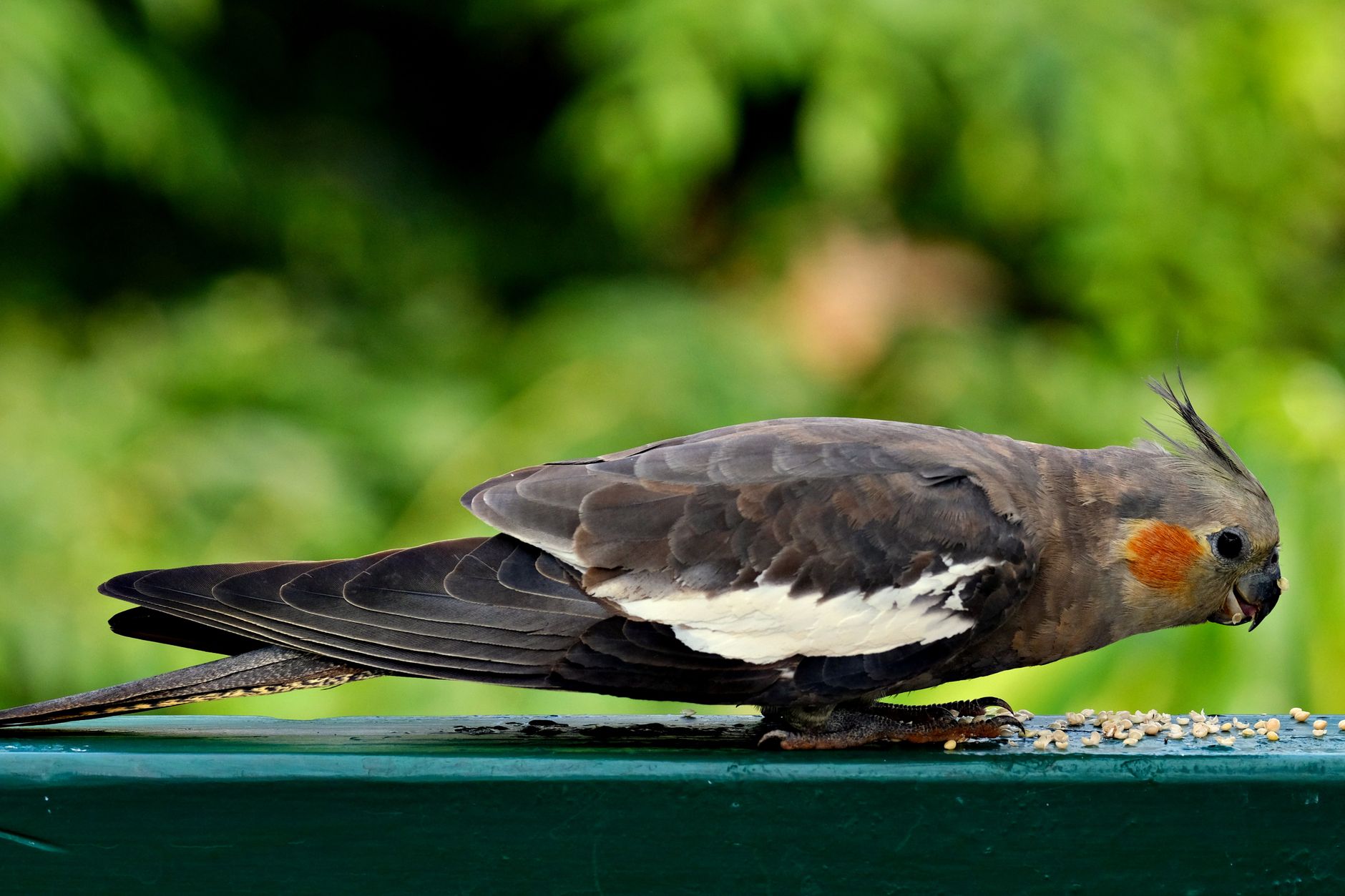
- The Dry Foraging Tray: Place a shallow, heavy ceramic tray or a secure plastic drawer at the bottom of the cage. Fill it with a safe substrate like crumpled clean paper, shredded cardboard, large river stones (too heavy for the bird to lift but clean and safe), or organic orchard grass hay. Scatter their daily seed or pellet ration into this tray. Your bird will have to walk around, push aside the obstacles, and dig to find their food.
- Wrapped Food Bowls: Cover their regular food dish with a piece of plain, unbleached paper or a coffee filter, securing it with a safe natural fiber rope like sisal or hemp. Poke a tiny hole in the top to show them there is food underneath. Your cockatiel will quickly learn to rip and shred the paper to access their meal.
- Hanging Foraging Devices: Use stainless steel skewers designed for birds to thread fresh vegetables like broccoli florets, kale, Brussels sprouts, and carrot slices. Hang this from the top of the cage so they have to balance on a perch and stretch to chew their fresh food.
To keep your bird motivated, mix in some highly enticing, healthy treats for cockatiel foraging. Small pieces of spray millet, safflower seeds, or dried herb blends are perfect rewards that will keep them searching for hours.
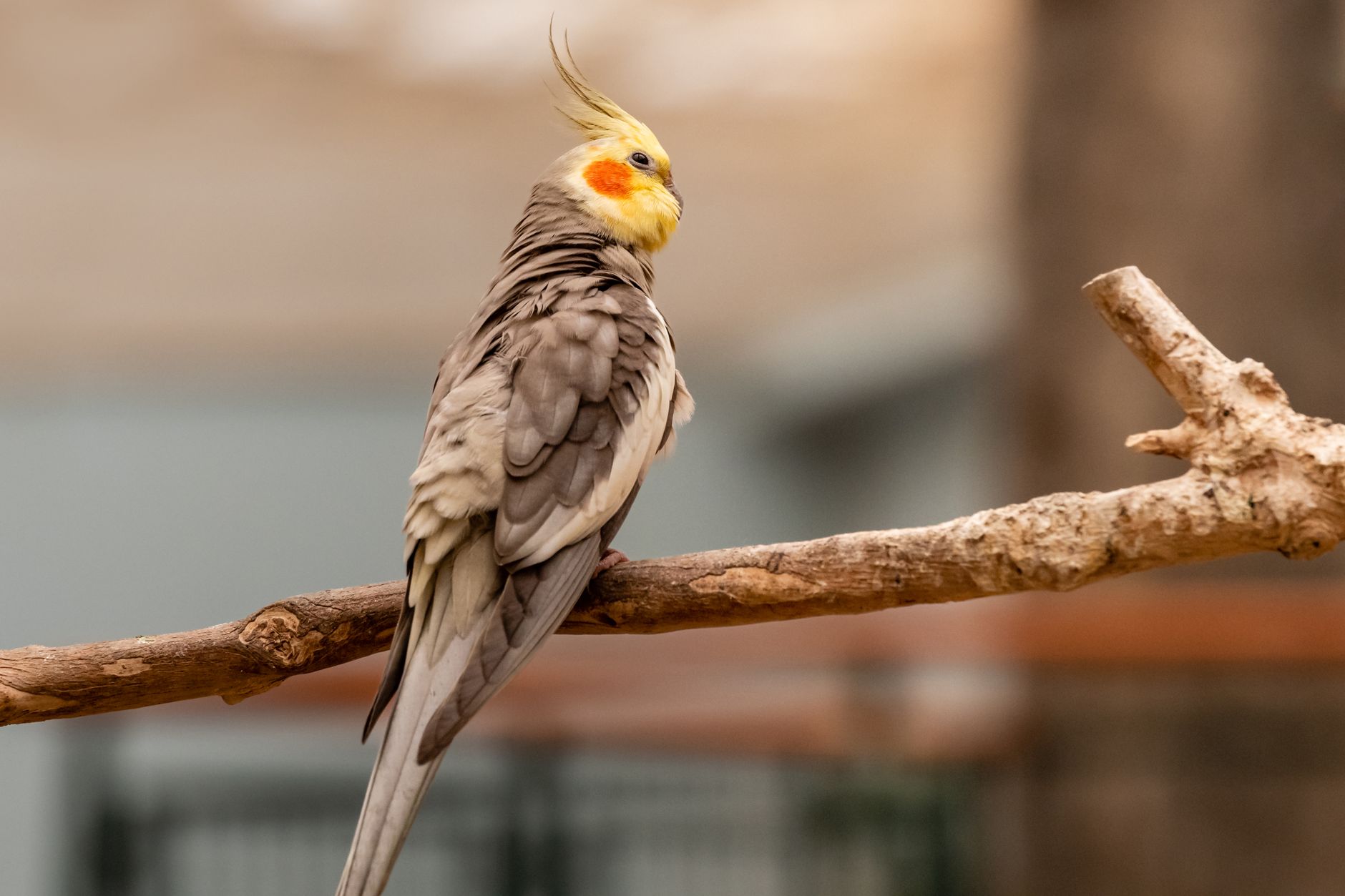
Step 3: Selecting and Rotating Safe Toys
Cockatiels are chewers and shredders by nature. They do not typically play with heavy plastic toys designed for larger parrots; instead, they prefer soft, destructible materials. When purchasing or making toys, look for safe toys for cockatiels to chew, which include materials like balsa wood, yucca, cork, palm leaves, seagrass, and untreated paper.
Avoid toys made with cotton rope or synthetic fibers, as cockatiels can chew and ingest these fibers, leading to a life-threatening crop impaction. Instead, opt for toys held together by stainless steel wire, vegetable-tanned leather, or natural sisal rope.
If you want to save money and provide endless entertainment, you can learn how to make DIY bird foraging toys at home. A simple and highly effective option is to take a clean cardboard toilet paper roll, stuff it with orchard grass hay, tuck a few safflower seeds inside, and fold down the ends. Your cockatiel will spend hours tearing the cardboard apart to get to the hidden treasures inside.
To prevent boredom, implement a toy rotation system. Do not crowd the cage with every toy you own. Keep 3 to 4 active toys in the cage at a time, and swap them out for different ones every week during your deep clean. This simple change makes the cage feel brand new and keeps their curiosity piqued.
Step 4: Creating Dedicated Activity Zones
To maximize the space, think of the cage in three distinct vertical zones:
- The Comfort Zone (Top Third): This is where your cockatiel feels safest. Place their sleeping perch, a cozy platform perch, and a mineral block or cuttlebone here. Avoid placing busy toys or messy foraging trays in this area, as it should remain a peaceful sanctuary for resting.
- The Play and Climbing Zone (Middle Third): This is the hub of physical activity. Install climbing ladders, swings, and hanging shredder toys here. You can hang a seagrass mat on the side of the cage bars and weave shreddable paper ribbons through it to create a vertical climbing and foraging wall.
- The Foraging Zone (Bottom Third): Utilize the bottom of the cage for ground exploration. If your cage has a wire grate at the bottom, consider covering a portion of it with safe, clean paper or a flat seagrass mat so your bird can walk comfortably without injuring their feet. Place your dry foraging trays and heavy foraging dishes here to mimic ground-feeding behaviors.
Essential Cage Accessories and Placement
Beyond toys and perches, there are several essential cockatiel cage accessories you must include to support their physiological health:
- Cuttlebone and Mineral Blocks: These provide essential calcium and trace minerals, which are especially important for female cockatiels to prevent egg-binding. They also help keep your bird's beak trimmed and clean.
- Water Sources: Provide fresh, clean water daily. Heavy ceramic bowls or stainless steel cups are ideal because they cannot be tipped over. Place water dishes away from perches to prevent fecal contamination.
- Bath Bowls: Cockatiels produce a large amount of powder down and love to bathe. Provide a shallow, wide dish of room-temperature water a few times a week, or use a clean spray bottle to gently mist them.
Equally important is where to place a cockatiel cage in your home. The cage should be placed in a lively area of the house, such as the living room, so your bird feels like part of the family flock. However, keep it out of the kitchen entirely; Teflon and non-stick cookware release odorless, highly toxic fumes when heated that can kill a pet bird instantly. Place the cage against at least one solid wall so your bird feels secure, and keep it away from direct drafts, air conditioning vents, and intense, unfiltered afternoon sun.
Mental Enrichment and Behavior Management
An enriched cage environment does more than just keep your bird busy; it directly prevents and corrects common behavioral issues. When birds are provided with robust mental enrichment for cockatiels, they are far less likely to engage in self-destructive behaviors like feather plucking or skin picking.
If you are setting up a cage for a newly adopted bird, you might also be thinking about the perfect name. You can explore creative, bird-friendly ideas using our Pet Name Generator to find a name that matches their unique personality.
As your bird settles into their new, interactive environment, watch for signs of a happy cockatiel. A content bird will frequently grind its beak while resting, whistle softly, preen its feathers calmly, and display a relaxed crest (held at a slight upward angle, not tightly flattened or standing completely vertical in alarm).
One common issue cockatiel owners face is night thrashing. Cockatiels are prone to sudden panic attacks in the dark, which can cause them to fly wildly around the cage, breaking feathers and injuring themselves. You can assist in preventing night thrashing in cockatiels by using a small, dim nightlight near their cage and covering only the top and three sides of the cage with a breathable sheet, leaving the front open so they can see their surroundings if they wake up startled.
Common Setup Mistakes to Avoid
Even with the best intentions, it is easy to make mistakes that can compromise your bird's health and safety. Avoid these common pitfalls:
- Overcrowding the Cage: It is easy to buy too many toys and fill every square inch of space. Your bird must always have enough room to fully extend and flap their wings without hitting any toys, perches, or cage bars. If they cannot move freely, they will not exercise.
- Using Mirrors: While mirrors might seem like fun, they can be highly detrimental to a single cockatiel's mental health. They do not understand that the reflection is themselves; they believe it is a real mate. This can lead to obsessive-compulsive behaviors, extreme territorial aggression, and hormonal regurgitation.
- Neglecting Safety Inspections: Toys wear out. Check the cage daily for frayed ropes, cracked plastic, or exposed sharp metal wires. Trim any loose threads immediately to prevent entanglement.
Cleaning and Maintenance Schedule
A clean environment is vital to protect your bird’s sensitive respiratory system. Establish a consistent cleaning schedule for cockatiel cages to keep bacteria and mold at bay:
| Frequency | Tasks to Perform |
|---|---|
| Daily | Replace cage liners, wash and sanitize food and water dishes, mist/wipe down heavily soiled perches, and remove uneaten fresh foods. |
| Weekly | Wipe down cage bars with a bird-safe cleaner (like a 50/50 water and white vinegar solution), wash and rotate toys, and scrub all perches. |
| Monthly | Perform a complete deep clean. Empty the cage entirely, spray it down with a pet-safe disinfectant, rinse thoroughly, and let it dry completely in the sun if possible. |
As you manage their daily diet and ensure they are getting the right balance of nutrients through their foraging activities, you can calculate their ideal daily portions. Use our Pet Food Calculator to make sure your bird is receiving the correct amount of high-quality pellets, seeds, and fresh produce without overfeeding.
Educational Health Disclaimer
Disclaimer: This article is intended strictly for educational and informational purposes. It does not constitute professional veterinary advice, diagnosis, or treatment. Birds are masters at hiding illness to avoid appearing vulnerable to predators. If you notice any sudden changes in your cockatiel's behavior, appetite, vocalization, or droppings, consult a certified avian veterinarian immediately.
If you are ever concerned about your bird's physical condition, activity levels, or overall wellness, you can perform a quick preliminary assessment using our Pet Health Checker. Keep in mind that this tool is designed to help you track physical changes but should never replace a professional avian veterinary checkup.
Conclusion
Learning how to set up a cockatiel cage for foraging and play is one of the most rewarding investments you can make for your feathered companion. By understanding their wild instincts, choosing a spacious cage, incorporating natural wood perches, and creating dynamic foraging stations, you turn their home into an interactive, stimulating environment. Remember to rotate toys regularly, avoid dangerous materials, and maintain a clean habitat. Your reward will be a highly active, confident, and joyful cockatiel that fills your home with cheerful whistles and healthy, playful energy.
Frequently Asked Questions
How often should I change the foraging toys in my cockatiel's cage?
You should rotate or swap out your cockatiel's foraging toys every 1 to 2 weeks. This keeps their environment fresh and exciting, preventing boredom. However, if they have a favorite toy they play with constantly, you can leave it in and rotate the other less popular toys around it.
Is it safe to use cardboard boxes and toilet paper rolls for bird toys?
Yes, clean, plain cardboard boxes and toilet paper rolls are excellent, cheap materials for DIY toys. Make sure they are free from any residual glue, plastic tape, or heavy ink. If you notice your bird actually ingesting the cardboard rather than just chewing and spitting it out, remove it immediately.
What are the safest woods to use for DIY cockatiel perches?
Safe woods include apple, manzanita, dragonwood, pear, willow, and eucalyptus. Avoid cherry, peach, oak, redwood, and any wood from evergreen conifers, as these can contain toxins or high levels of sap that are harmful to pet birds. Always clean and bake wild branches at a low temperature to kill pests before placing them in the cage.
Can I use newspaper as a cage liner for my cockatiel?
Yes, plain newspaper is a safe, highly economical cage liner. Modern newspaper inks are soy-based and non-toxic to birds. Avoid glossy circulars or colored advertisements, as these may contain chemicals that are unsafe if chewed.
Why is my cockatiel scared of new toys when I put them in the cage?
Cockatiels are naturally neophobic, meaning they are often afraid of new objects. To prevent stress, do not hang a new toy directly inside the cage immediately. Instead, place it on a table near the cage for a few days so they can look at it from a safe distance. Once they realize it is not a threat, you can hang it on the outside of the cage before finally moving it inside.
Helpful PawPrintHub Tools
- Estimate your setup and lifetime avian care costs with the Pet Cost Calculator.
- Find the perfect, creative name for your new bird with our Pet Name Generator.
- Monitor your bird's physical wellness and activity levels using the Pet Health Checker.
- Formulate a balanced daily meal plan with the Pet Food Calculator.
Support free pet guides and tools.
Buy Me a Coffee
Comments
Post a Comment