
How to Safely Transition Your Cat to a New Diet Without Causing Upset Stomachs
Switching your feline companion's food might seem like a simple task, but changing what’s in their bowl requires patience, strategy, and careful observation. Cats possess notoriously sensitive digestive tracts. A sudden shift in ingredients, proteins, or moisture levels can quickly lead to vomiting, diarrhea, refusal to eat, and unnecessary stress for both you and your pet. Executing a proper cat diet transition protects your pet's gastrointestinal health and ensures they actually accept the new nutritional profile.
Whether you are upgrading to a higher-quality formula, switching from dry kibble to wet food, or adjusting for age-related health needs, a gradual approach is always the gold standard. In this comprehensive guide, we will break down why sudden food changes fail, provide an exact day-by-day transition schedule, highlight common mistakes to avoid, and share practical tips for dealing with finicky eaters.
Disclaimer: This article is for educational and informational purposes only and does not replace professional veterinary advice. If your cat has underlying health conditions, consult your veterinarian before making significant changes to their diet.

Why Cats Struggle With Sudden Diet Changes
To understand why a careful cat diet transition is necessary, it helps to look closely at feline biology and evolutionary history. In the wild, cats are obligate carnivores that consume small, consistent prey meals throughout the day and night. Their digestive systems are finely tuned to specific protein and fat ratios with very minimal carbohydrates. The resident microbiome within a cat's gut consists of specialized bacterial colonies designed to break down their current diet efficiently.
When you introduce an entirely new food overnight, the resident gut bacteria cannot adapt quickly enough to the new macronutrient ratios, novel proteins, or different fibers. This biological mismatch impairs digestion, leading to fermentation, excessive gas, mild inflammation, and watery stools. Furthermore, cats are creatures of habit. They rely heavily on scent, texture, and even the temperature of their food to identify what is safe to eat. A sudden, drastic change can trigger food neophobia—an instinctive evolutionary fear of unfamiliar things—causing them to go on a hunger strike entirely rather than risk consuming something toxic.
Understanding Feline Digestion and Microbiome Adaptation
The feline gastrointestinal tract is relatively short compared to omnivores like dogs or humans. Because it is designed for rapid digestion of fresh animal protein, it leaves little room for error when dietary irritants are introduced. Digestive enzymes are secreted in specific quantities based on the habitual diet. When a new food contains a completely different primary protein source, such as switching from chicken to venison or salmon, the pancreas must adjust its enzymatic output.
Giving the gut microbiome a transitional window allows beneficial bacteria populations to multiply while populations specialized in the old food gradually decrease. This biological balancing act is the primary reason why rushing a diet change results in digestive chaos, whereas a methodical, step-by-step approach preserves gastrointestinal stability and nutrient absorption.
The Golden Rule: The 7-to-10-Day Slow Transition Schedule
Patience is your greatest ally when modifying your cat's meals. A standard feline diet transition should span at least seven to ten days, though some ultra-sensitive cats or senior felines may require two full weeks. By gradually increasing the proportion of the new food while decreasing the old, you give the digestive enzymes and gut flora ample time to adjust without overwhelming the system.
To calculate portions accurately during this phase and avoid overfeeding, you can use our helpful Pet Food Calculator to ensure your cat receives the correct daily caloric intake. Here is a reliable, vet-approved daily schedule to follow:
- Days 1 to 3: 75% old food mixed with 25% new food. This gentle introduction exposes your cat to the new flavor and texture profiles with minimal disruption to the gut flora.
- Days 4 to 6: 50% old food mixed with 50% new food. At this halfway point, carefully monitor your cat's stool consistency, energy levels, and overall demeanor.
- Days 7 to 9: 25% old food mixed with 75% new food. Most healthy cats handle this stage smoothly, provided no digestive upset occurred during the earlier phases.
- Day 10 and Beyond: 100% new food. Congratulations, your feline diet transition is complete and successful!
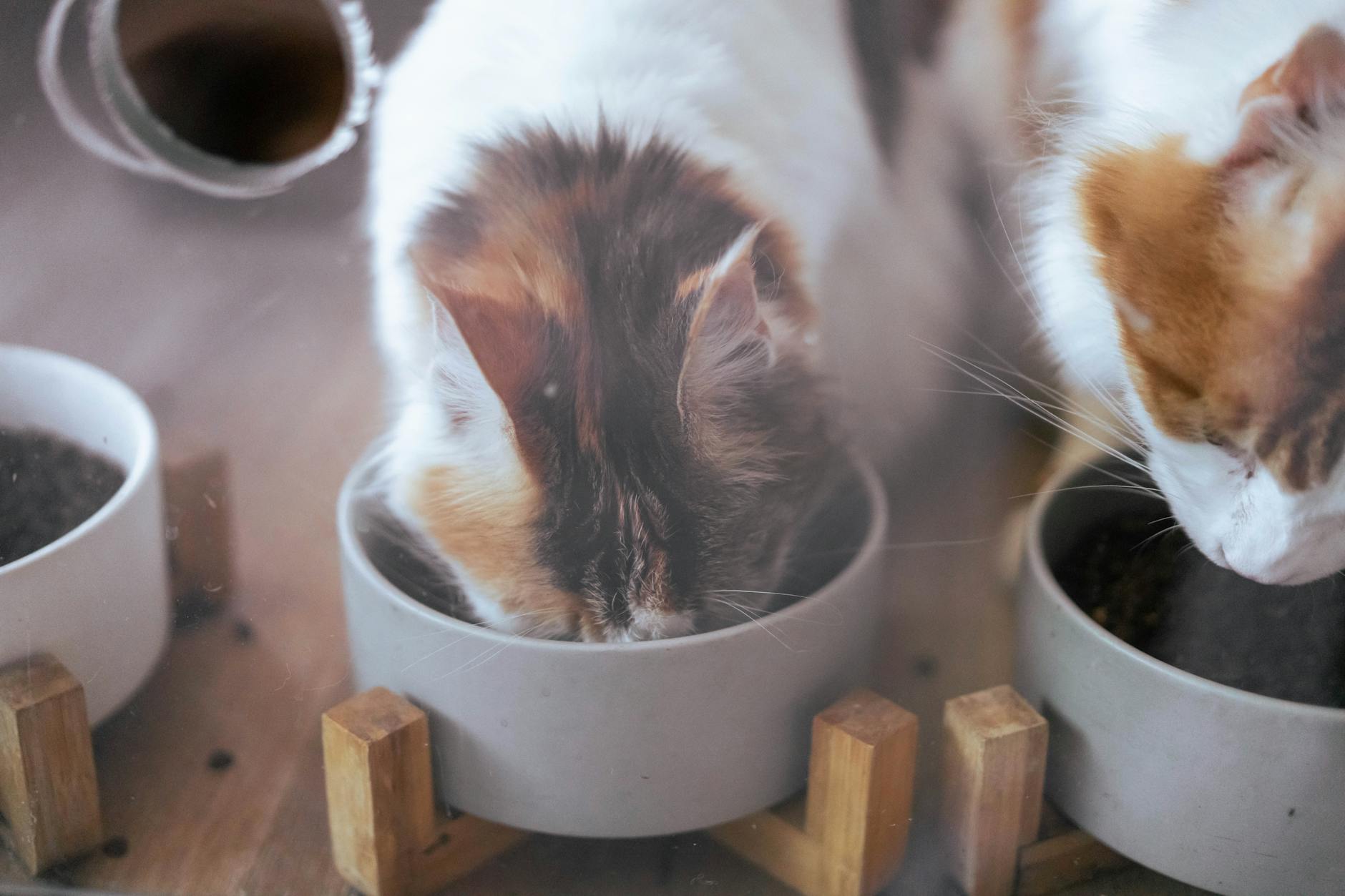
Special Scenarios: Transitioning to Wet Food or Managing Sensitivities
Not all food changes are identical. Moving from a dry kibble diet to a 100% canned or raw diet involves a massive shift in moisture content and macronutrient distribution. Dry food is typically high in processed carbohydrates and low in moisture (around 10%), whereas wet food is protein-dense, low in carbs, and high in hydration (around 70-80%). Because wet food spoils faster at room temperature and possesses a much stronger aroma, some cats take significantly longer to accept it.
If you are switching a cat to wet food, consider warming the food slightly in the microwave for a few seconds (always test the temperature on your wrist first) to release aromatic scents that stimulate the feline appetite. Conversely, if you are managing a cat with a sensitive stomach, you may want to extend each phase of the transition schedule to 4 or 5 days instead of 2 or 3, making it a 14-day protocol. Always verify your cat's daily hydration needs during any food swap by checking the Water Intake Calculator to ensure they stay properly hydrated, especially when moving away from dry food.
Transitioning Senior Cats vs. Growing Kittens
Age plays a critical role in how smoothly a diet transition goes. Kittens generally possess robust, highly adaptable digestive systems, meaning their transition schedules can often be compressed into 4 to 5 days. However, early dietary variety in kittens also helps prevent adult food neophobia, making them much less picky eaters later in life.
Senior cats, on the other hand, have slower metabolic rates, reduced digestive enzyme production, and often underlying organ sensitivities (such as early-stage kidney or liver decline). For older cats, a slow 10-to-14-day transition is mandatory. Sudden shifts can cause nausea, which older cats may associate with the food, leading to long-term food aversion.
Common Mistakes to Avoid During a Food Swap
Even well-meaning owners can accidentally derail a food transition by making avoidable missteps. Keeping these pitfalls in mind will save you cleanup time, veterinary bills, and unnecessary feline stress:
- Rushing the Timeline: Cutting corners and attempting to switch foods over 48 hours is the absolute number one cause of diet-induced diarrhea and vomiting in cats.
- Giving Up Too Soon: If a cat sniffs the bowl and walks away on Day 2, it does not automatically mean they hate the food. It often just means it smells unfamiliar. Do not immediately cave and feed them high-value treats that disrupt the process.
- Ignoring Overall Health Tracking: Keep a close eye on your cat's weight, coat condition, and litter box habits. If you notice persistent lethargy or changes in grooming, it may be time to evaluate their overall wellness using the Pet Health Checker.
- Free-Feeding During Transitions: Leaving food out all day makes it impossible to monitor how much of the new blend your cat is actually consuming. Switch strictly to scheduled meal times during the transition period.
- Mixing Too Many New Variables: Never introduce a new toy, a new litter brand, and a new food brand all in the same week. Isolate the food change so you can accurately identify the cause if any issues arise.

Tips for Fussy Eaters and Stubborn Cats
Some cats would genuinely rather starve than eat a kibble or canned food they deem unacceptable. Feline stubbornness is legendary, but you can outsmart a finicky cat with strategic flavor enhancement and environmental adjustments.
If your cat refuses to touch the transition mix, try these proven strategies:
- Flavor Enhancers: Sprinkle a tiny pinch of nutritional yeast or freeze-dried minnows over the top of the bowl. Nutritional yeast imparts a cheesy, savory flavor that most cats find irresistible.
- Warming and Hydrating: Mix in a small spoonful of warm, cat-safe bone broth (always double-check that the broth contains zero onion, garlic, salt, or spices). Warming activates volatile fatty acids, making the food smell much more enticing.
- Bowl Hygiene and Material: Change the feeding dish. Many cats suffer from "whisker fatigue" or dislike plastic bowls because plastic microscopic scratches trap old food oils and bacteria. Switch to shallow, wide ceramic or stainless steel bowls.
- Location Matters: Feed your cat in a quiet, low-traffic area away from loud appliances, washing machines, and household dogs or other pets. Cats prefer to feel secure while eating.

Creating a Long-Term Feeding Routine
Once your cat has successfully transitioned to their new diet, establishing a consistent feeding routine is essential for maintaining their digestive health and body weight. Feed your cat at the exact same times every day to align with their natural circadian rhythms and internal clock. Measure their portions using a kitchen scale rather than relying on standard measuring cups, as cup sizes can vary and lead to accidental overfeeding.
Store dry food in airtight containers to preserve essential fatty acids and prevent rancidity, and always refrigerate unused portions of canned food immediately, serving it slightly warmed at the next mealtime.
When to Consult a Veterinarian
While mild, temporary softening of the stool can occasionally happen during a cat diet transition as the microbiome adjusts, severe or prolonged symptoms warrant immediate professional intervention. Contact your veterinarian if you observe any of the following red flags:
- Persistent vomiting lasting more than 24 hours.
- Complete refusal to eat or drink for more than 48 hours (which risks developing dangerous hepatic lipidosis in cats).
- Watery diarrhea, blood or mucus in the stool, or straining to defecate.
- Signs of severe abdominal pain, excessive vocalization, or profound lethargy.
These symptoms can indicate an underlying medical issue, a severe food allergy, or a parasitic infection that coincidentally flared up during the diet change.
Frequently Asked Questions
How long does a cat diet transition take?
A safe transition typically takes between 7 to 10 days. However, cats with sensitive stomachs, chronic health conditions, or notoriously picky eating habits may need up to 14 days or longer to fully adjust to a new food.
What should I do if my cat refuses to eat the new food mixed in?
If your cat completely refuses to eat, slow down the process immediately. Reduce the percentage of the new food in the mix back to the previous successful ratio, and use a safe flavor topper like warm unseasoned bone broth or freeze-dried meat powder to entice them.
Can a sudden food change cause vomiting in cats?
Yes. A sudden change in protein sources, fat content, or grain composition can easily shock a cat's sensitive digestive system, leading to acute vomiting, excessive gas, and watery diarrhea.
Is it okay to switch cat food brands abruptly?
It is strongly discouraged. Abruptly switching brands bypasses the gradual adaptation period required by the cat's intestinal microbiome, frequently resulting in acute digestive distress and food rejection.
How can I tell if the new food agrees with my cat?
Look for firm, well-formed stools, a shiny and soft coat, stable body weight, bright eyes, and normal playful energy levels. These are clear indicators that your cat is efficiently digesting and utilizing the new nutrition.
Should I transition a kitten's food the same way?
Kittens generally have more robust and adaptable digestive systems than adult cats, but a gradual transition over 4 to 5 days is still highly recommended to prevent tummy aches and encourage lifelong healthy eating habits.
What ingredients should I avoid in quality cat food?
Look for named animal protein sources (such as chicken, turkey, or salmon) listed as the very first ingredient, and avoid excessive plant-based fillers, artificial colors, chemical preservatives, and unspecified meat by-products.
Why is my cat crying by the food bowl during a transition?
Your cat may be expressing confusion over the new smell or texture, or they may simply be hungry because the portion of the new food isn't as palatable to them yet. Stick to scheduled feeding times rather than free-feeding to help them adjust.
Helpful PawPrintHub Tools
To support your cat's overall health, weight management, and nutrition journey, explore these helpful interactive tools:
- Pet Food Calculator – Calculate precise daily portions tailored to your cat's weight and activity level.
- Water Intake Calculator – Monitor your cat's optimal daily hydration needs, especially during wet food transitions.
- Pet Health Checker – Assess your cat's body condition score easily at home to ensure ideal physical health.
Support free pet guides and tools.
Buy Me a Coffee
Comments
Post a Comment