
How to Recognize and Treat Fleas in Ferrets: Safe Prevention and Skin Care Guide
Ferrets are playful, curious, and energetic companions that bring immense joy to households. However, despite spending most of their lives indoors, these slender little mustelids can still fall victim to common household parasites. When microscopic pests hitch a ride into your home on shoes, clothing, or other pets, your ferret can quickly become a target. Spotting and treating fleas in ferrets requires specialized knowledge, as these animals have unique metabolisms and sensitive skin that react very differently to chemicals than dogs or cats do. This comprehensive guide will walk you through identifying parasite infestations, utilizing safe treatment protocols, avoiding dangerous mistakes, and protecting your ferret's skin health.
Disclaimer: The following content is for educational and informational purposes only and does not replace professional veterinary advice, diagnosis, or treatment. Always consult a qualified veterinarian before administering any medication, topical treatment, or environmental control product to your ferret.
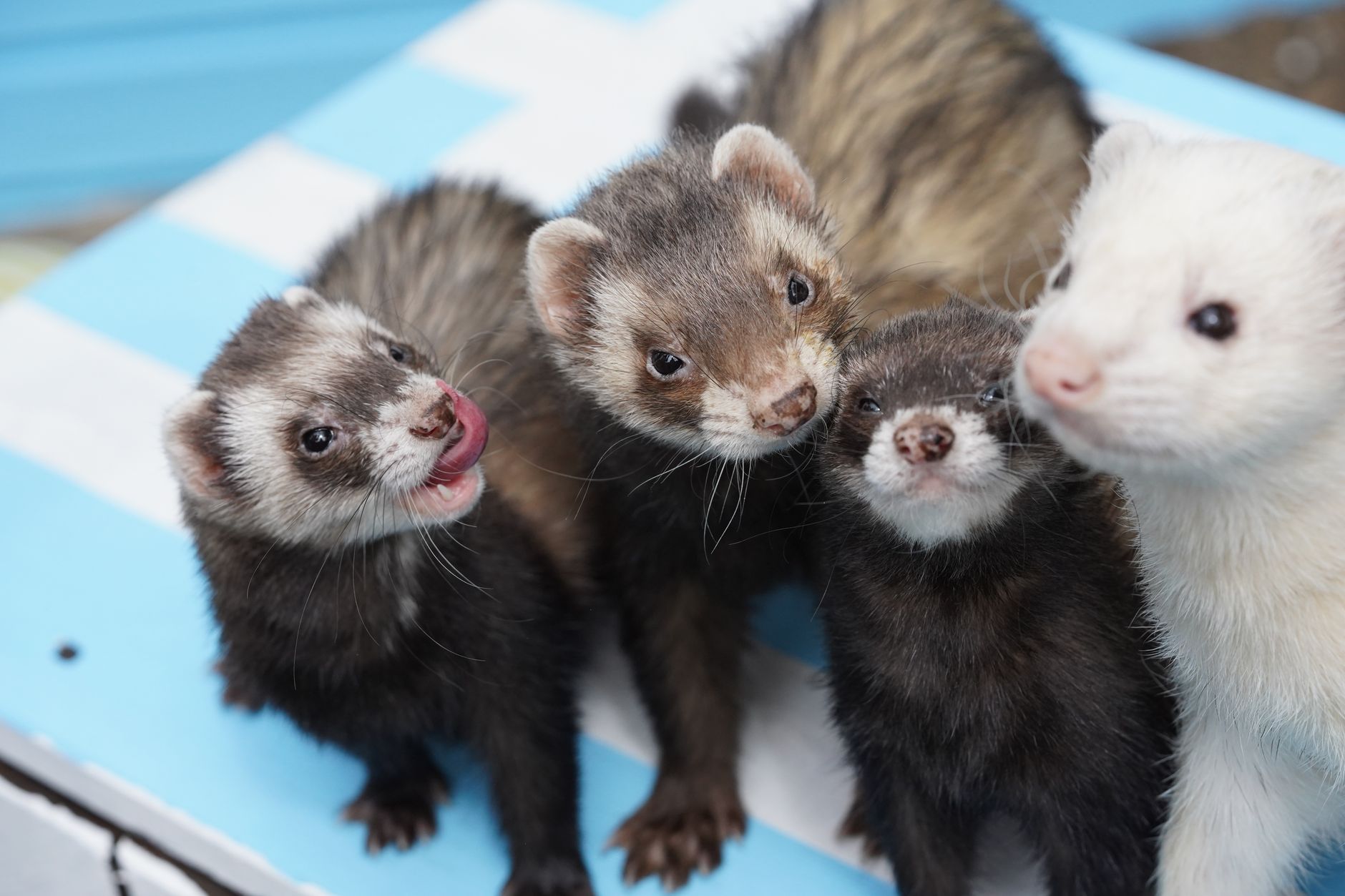
Understanding the Risk: Can Ferrets Get Fleas?
Many pet owners assume that because their ferrets live entirely indoors, they are completely safe from external parasites like fleas. Unfortunately, this is a dangerous misconception. Fleas are remarkably resilient and can easily enter your living space. If you share your home with dogs or cats that venture outdoors, those pets can transport fleas directly to your indoor environment. Furthermore, adult fleas or flea eggs can latch onto your socks, pant legs, or bags when you walk through parks, pet stores, or veterinary clinics.
Once fleas find their way inside, they search for a warm-blooded host. While cat and dog fleas prefer their primary hosts, they are opportunistic and will readily feed on ferrets. Because ferrets have thick undercoats and warm skin, they provide an ideal habitat for these biting insects. Understanding how these parasites operate is the first step in protecting your furry friend from discomfort, skin damage, and secondary infections.
Ferrets possess a high metabolic rate and dense fur structure, making them uniquely vulnerable to the physical toll of a parasite infestation. Unlike larger companion animals, a small ferret can experience a rapid drop in red blood cells if exposed to a heavy flea burden over a short period. This makes proactive scanning and immediate environmental awareness critical responsibilities for every ferret parent.
Moreover, the biology of the flea lifecycle ensures that without intervention, a small number of hitchhikers can rapidly multiply into an overwhelming population. Female fleas can begin laying eggs within just 24 to 48 hours of their first blood meal. These microscopic, pearl-white eggs fall off your ferret into carpets, bedding, and floor cracks, where they hatch into larvae, spin cocoons, and emerge as hungry adult fleas waiting for their next host. Understanding this cycle highlights why treating only the ferret while ignoring the surrounding environment is a recipe for recurring infestations.
Early Signs Your Ferret Has Fleas
Because ferrets are naturally active and prone to scratching, playful rolling, and quick grooming sessions, spotting early parasite infestations can be challenging. However, subtle behavioral changes and physical symptoms usually emerge as the flea population grows. Recognizing these signs early prevents severe infestations and reduces the risk of anemia, especially in younger or smaller ferrets.
1. Excessive Scratching, Biting, and Rubbing
If you notice your ferret constantly scratching at its neck, flanks, or base of the tail, or aggressively chewing at its fur, it is experiencing irritation. Flea saliva contains proteins that trigger localized allergic reactions, causing intense itching. Ferrets may also drag their bodies across carpets or bedding in an attempt to relieve the sensation.
2. Spotting "Flea Dirt" in the Coat
Live fleas move very quickly through dense fur, making them hard to spot directly. Instead, look for flea dirt—the digested blood excreted by adult fleas. It resembles dark, comma‑shaped pepper flakes scattered through your ferret's coat. To confirm flea dirt, place a few flakes onto a wet white paper towel. If the specks dissolve and turn reddish‑brown due to digested blood, you are dealing with an active flea infestation.
3. Hair Loss and Red, Inflamed Skin
Chronic scratching and biting take a heavy toll on delicate ferret skin. You may notice thinning fur, raw patches, scabs, or red bumps, particularly around the head, neck, and tail‑set. If secondary bacterial infections develop due to broken skin, a veterinary visit becomes urgently necessary.
In addition to these classic physical indicators, keep a close eye on your ferret's overall energy levels. An itchy, stressed ferret may experience disrupted sleep patterns, become uncharacteristically restless, or display a reduced appetite. Observing these subtle behavioral shifts can alert you to a developing parasite problem long before extensive hair loss or severe dermatitis becomes visible across the skin.
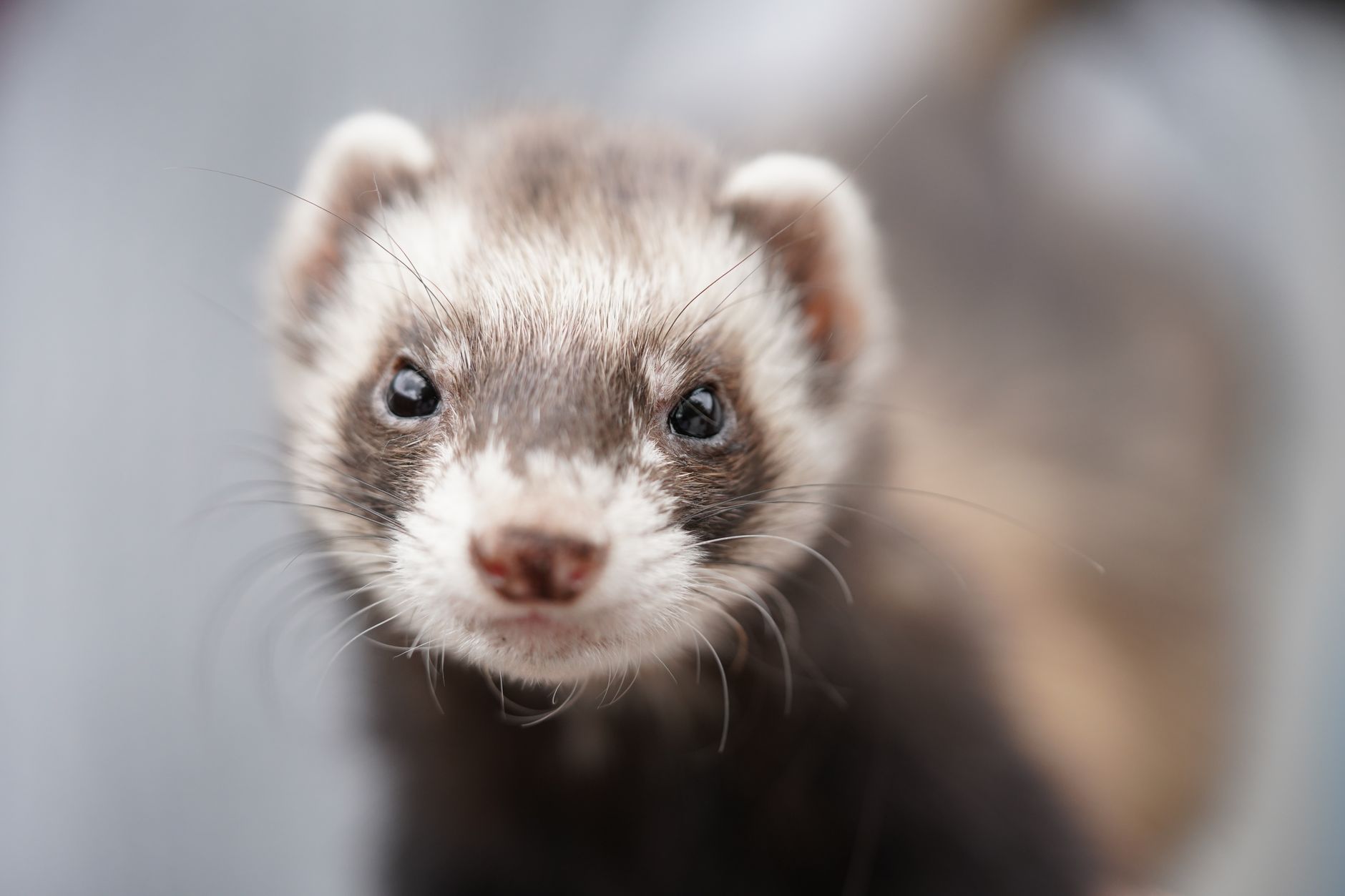
The Golden Rules of Safe Flea Treatment for Ferrets
Treating fleas in ferrets is vastly different from treating dogs or cats. Many popular over‑the‑counter flea shampoos, spot‑on treatments, and powders contain chemical compounds—such as certain pyrethrins or permethrins—that are highly toxic to ferrets and can cause severe neurological distress, seizures, or even death. Never apply a dog or cat flea product to a ferret without explicit, written instructions from a veterinarian who is experienced in exotic or small mammal medicine.
Step 1: Consult Your Veterinarian for Weight‑Based Dosing
Always contact your exotic veterinarian before applying any chemical treatment. Vets often prescribe specific feline topical medications off‑label for ferrets, but the exact dosage must be calculated meticulously based on your ferret's precise body weight. Using even a slightly incorrect amount can lead to toxicity or treatment failure.
To track your ferret's growth, health, and weight fluctuations accurately during medical treatments, keeping a structured health regimen is essential. For ongoing wellness tracking, you can consult tools like the Pet Healthy Weight Checker to ensure your ferret stays within a safe, thriving weight range.
Step 2: Use a Fine‑Toothed Flea Comb
Manual removal is one of the safest physical methods to reduce a flea burden while waiting for veterinary guidance. Gently place your ferret on your lap wrapped in a soft towel, and use a fine‑toothed metal flea comb to glide through the fur, starting from the head and moving toward the tail. Dip the comb into a small bowl of warm, soapy water immediately whenever you trap a flea to drown it.
Step 3: Gentle Bathing with Safe Cleansers
If your veterinarian approves a bath, use a specialized, extremely mild kitten shampoo or an unscented, hypoallergenic small‑animal cleanser. Avoid harsh medicated flea shampoos unless specifically prescribed. Ensure the water is comfortably warm, and gently lather your ferret while keeping soap away from its eyes, ears, and nose. Rinse thoroughly, as soap residue can dry out and irritate sensitive skin.
When drying your ferret after a bath, always use clean, soft towels and allow them to burrow in a warm, draft-free nest of blankets. Avoid using high-heat blow dryers, as ferrets are prone to overheating and their sensitive skin can easily become scorched by mechanical heat sources.
Daily Skin Care and Coat Maintenance Routine for Ferrets
Maintaining healthy skin and a shiny coat is one of the best defenses against secondary infections when managing parasites. Ferrets have active sebaceous glands that produce natural oils, which give them their distinct musky scent. However, over‑bathing can strip these oils away, causing dry skin that mimics the itchiness of a flea infestation.
Establish a balanced grooming routine by brushing your ferret's coat weekly with a soft‑bristled brush to remove loose undercoat hair and distribute natural oils evenly. Inspect the skin underneath during these brushing sessions, checking closely around the ears, under the chin, and along the tail base where parasites tend to congregate. Keep your ferret's living area meticulously clean by washing fleece hammocks and bedding weekly using unscented, hypoallergenic detergents. Avoid harsh chemical cleaners inside the cage, as residual fumes can irritate your ferret's sensitive respiratory system.
Diet also plays a fundamental role in skin resilience. Ferrets are obligate carnivores requiring a diet rich in high-quality animal protein and specific fatty acids. Ensuring your ferret receives adequate nutrition supports a robust skin barrier, making them less susceptible to the damaging effects of insect bites and chronic inflammation.
Environmental Control: Eradicating Fleas from Your Home
Treating your ferret alone will solve nothing if the surrounding environment remains infested. Fleas spend the majority of their lifecycle—eggs, larvae, and pupae—hidden in carpets, upholstered furniture, pet bedding, and baseboards, rather than on the host animal itself.
- Wash All Bedding Weekly: Remove all ferret blankets, hammocks, and plush toys. Wash them in hot water (at least 130°F) and dry them on high heat to kill all life stages of fleas.
- Vacuum Thoroughly and Consistently: Vacuum carpets, rugs, and furniture crevices daily. Immediately empty the vacuum canister or discard the vacuum bag outside to prevent fleas from hatching inside your home.
- Treat Multi‑Pet Households Simultaneously: If you have dogs or cats, they must be treated for fleas at the same time using safe, veterinarian‑approved products to stop the reproductive cycle completely.
- Use Safe Environmental Sprays: If environmental sprays or professional pest control methods are required, ensure your ferret is safely relocated to a clean, untreated room until the house is thoroughly aired out and safe.
Consistency is key during environmental remediation. Because flea pupae can remain dormant in carpets for weeks or even months before hatching when they sense vibrations or warmth, you must maintain rigorous cleaning schedules for at least four to six weeks following the initial discovery of fleas in your household.
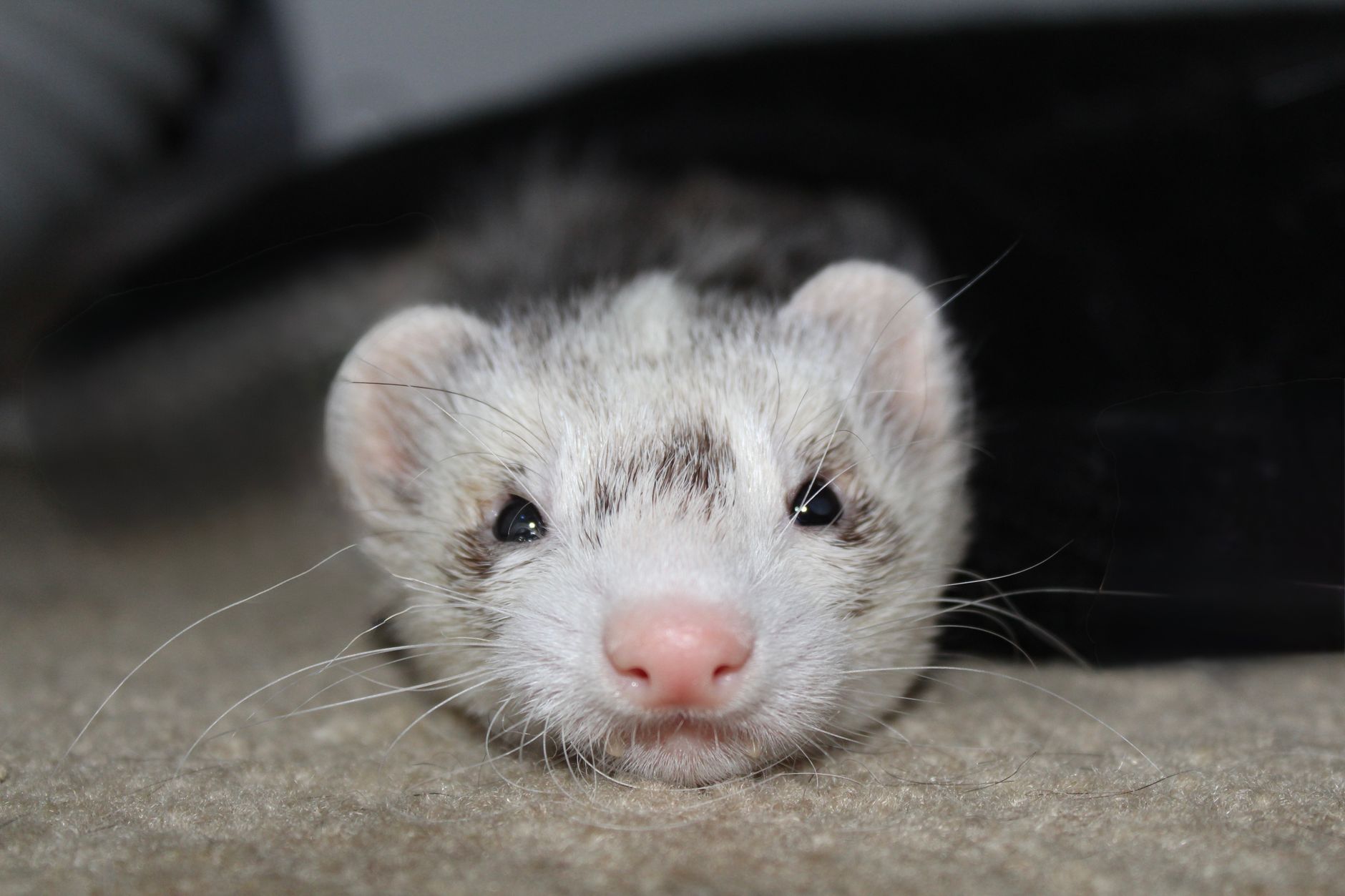
Species‑Specific Care Tips for Different Ferret Sizes
Ferrets come in a range of weights, from the tiny 1‑2‑lb “mini” variety to the standard 2‑4‑lb adults. Because flea toxicity is dose‑dependent, tailoring treatment to your ferret’s size is critical.
Mini Ferrets (1–2 lb)
Mini ferrets are especially sensitive to chemical exposure. If a veterinarian prescribes a topical medication, use the lowest effective concentration and apply it to a small area (e.g., the base of the tail) rather than the entire body. After application, keep the ferret in a well‑ventilated area and monitor for signs of irritation or lethargy for 24 hours.
Standard Ferrets (2–4 lb)
Standard ferrets can tolerate slightly higher concentrations, but the same precautions apply. Use a fine‑toothed comb daily and follow the vet’s dosing schedule exactly. If you notice any redness or swelling at the application site, discontinue use and contact your vet.
Large or Pregnant Ferrets
Pregnant ferrets should avoid any topical flea medication unless specifically recommended by a vet, as some ingredients can cross the placenta. In these cases, environmental control and gentle combing are the safest first steps.
Always weigh your ferret accurately using a digital kitchen scale before administering any prescribed weight-based medication. Eyeballing dosages or guessing weight based on visual appearance can result in accidental overdosing, which poses severe health risks to smaller mustelids.
Common Mistakes to Avoid When Treating Ferrets
Navigating parasite control for exotic pets can be stressful, leading well‑meaning owners to make critical errors. Keep these essential precautions in mind to protect your companion:
- Never use dog spot‑on treatments: Formulations designed for dogs—especially large breeds—contain concentrated insecticides that are lethal to small mammals like ferrets.
- Avoid essential oil diffusers: Many popular household essential oils (such as tea tree, eucalyptus, and citrus oils) are toxic when inhaled or absorbed through the skin by ferrets.
- Do not delay veterinary care: If your ferret shows signs of lethargy, pale gums, severe skin ulceration, or refusal to eat, skip home remedies entirely and seek professional veterinary medical attention immediately.
- Do not skip doses or combine products: Stacking multiple flea control products together without professional oversight can lead to accidental chemical poisoning.
- Do not rely on home‑brewed garlic or herbal rinses: Some online forums suggest garlic or DIY herbal concoctions, but garlic is toxic to mustelids and can cause severe digestive upset or blood disorders.
Avoiding these common pitfalls ensures your ferret remains safe throughout the treatment process. When in doubt, always prioritize veterinary guidance over unverified advice found online or in generalized pet care forums.
Frequently Asked Questions
Can indoor ferrets really get fleas?
Yes. Even strictly indoor ferrets can contract fleas if the parasites are carried into the home on clothing, shoes, or other household pets that venture outside.
Are dog or cat flea medications safe for ferrets?
No. Most over‑the‑counter dog and cat flea products are toxic to ferrets. Always consult your veterinarian for safe, weight‑adjusted prescription alternatives.
What does ferret flea dirt look like?
Flea dirt resembles small, dark pepper flakes. When placed on a wet paper towel, it dissolves and turns reddish‑brown because it consists of digested blood.
How often should I comb my ferret for fleas?
During an active infestation, you can gently use a fine‑toothed flea comb daily to physically remove adult fleas and monitor progress while awaiting vet treatment.
Can fleas make a ferret sick?
Yes. Heavy flea infestations can cause severe anemia (especially in young ferrets), intense allergic skin reactions, and secondary bacterial skin infections from scratching.
How do I clean my ferret's cage during a flea outbreak?
Wash all fabric hammocks, bedding, and litter accessories in hot water weekly, and thoroughly sanitize hard cage surfaces with pet‑safe disinfectant cleaners.
When should I take my ferret to the vet for fleas?
You should consult a vet immediately if your ferret shows raw, bleeding skin, hair loss, lethargy, pale gums, or if home and environmental control steps fail.
Helpful PawPrintHub Tools
Managing your pet's wellness journey is easier when you stay organized. To help you track your ferret's daily care routines, health status, and nutritional needs, explore these helpful interactive tools:
- Pet Healthy Weight Checker - Monitor your pet's physical development and maintain safe conditioning.
- Pet First Aid Checklist - Prepare emergency essentials for unexpected health issues.
Conclusion
Dealing with fleas in ferrets demands patience, vigilance, and strict adherence to veterinary safety guidelines. Because these unique pets have sensitive bodies, chemical treatments must always be approached with caution and professional oversight. By combining gentle manual grooming, thorough and consistent environmental cleaning, and veterinarian‑approved parasite control protocols, you can successfully eliminate fleas and keep your ferret comfortable, healthy, and itch‑free all year round.
Support free pet guides and tools.
Buy Me a Coffee
Comments
Post a Comment